

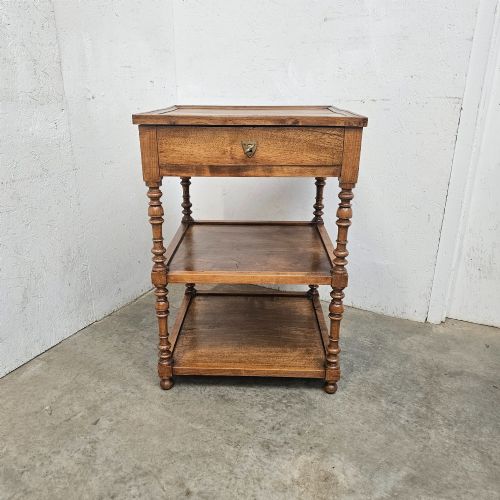
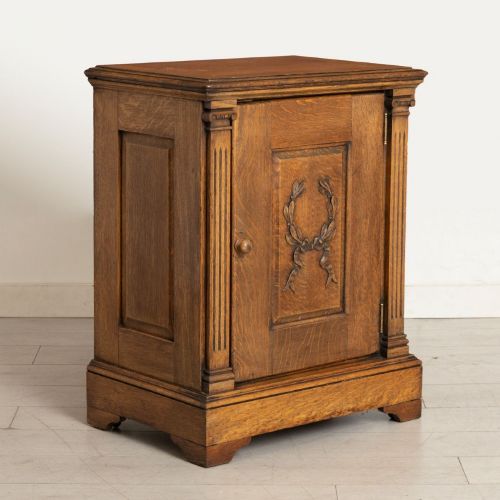


Wooden Washstand Cabinet
A wooden washstand cabinet offers concealed utility and domestic history, bringing rich mahogany and marble into a modern bedroom.
Wooden Washstand Cabinet
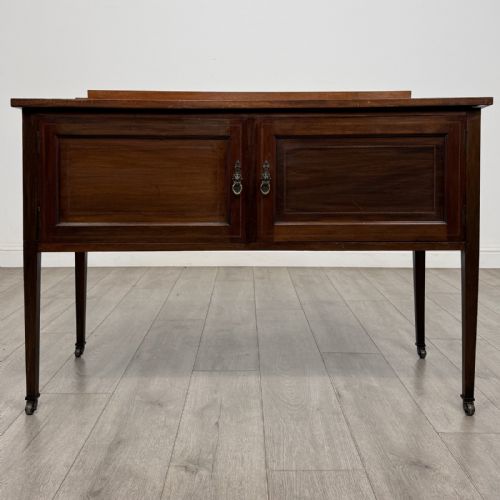
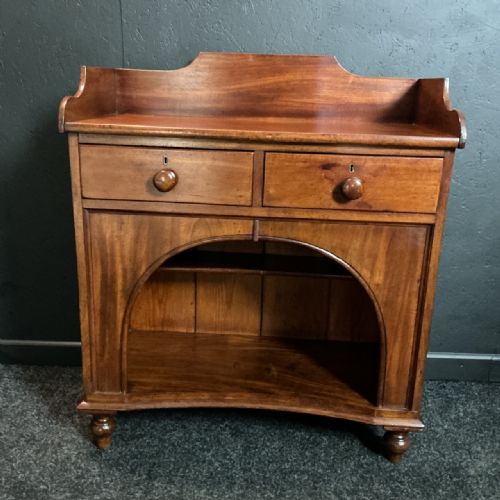
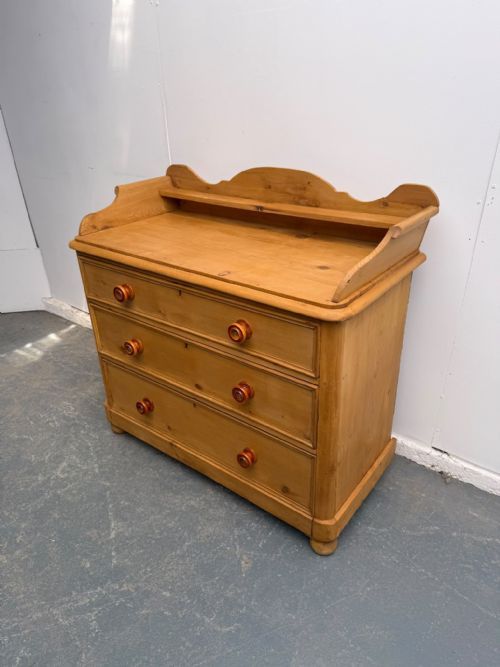
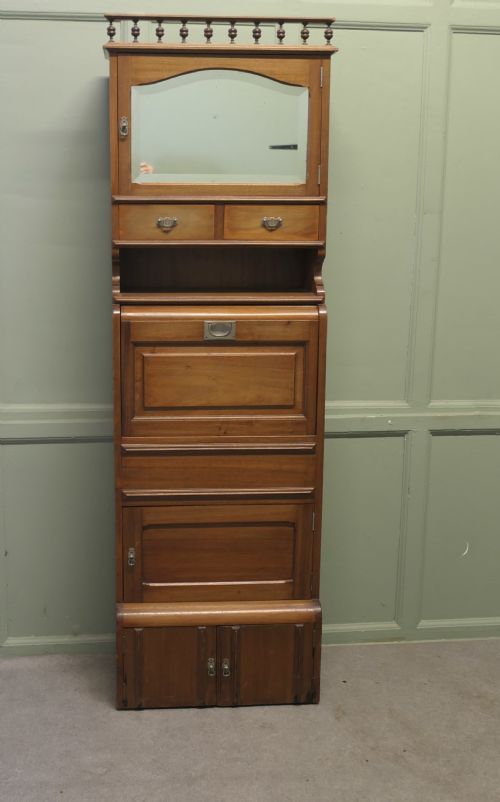
A wooden washstand cabinet is a functional piece of historic bedroom furniture designed to house washing basins, jugs, and chamber pots out of sight. When you search for a wooden washstand cabinet, you encounter forms that evolved from simple wash tables into enclosed cupboards with marble tops and folding compartments. These pieces bridge the gap between utilitarian washing stations and refined bedside storage.
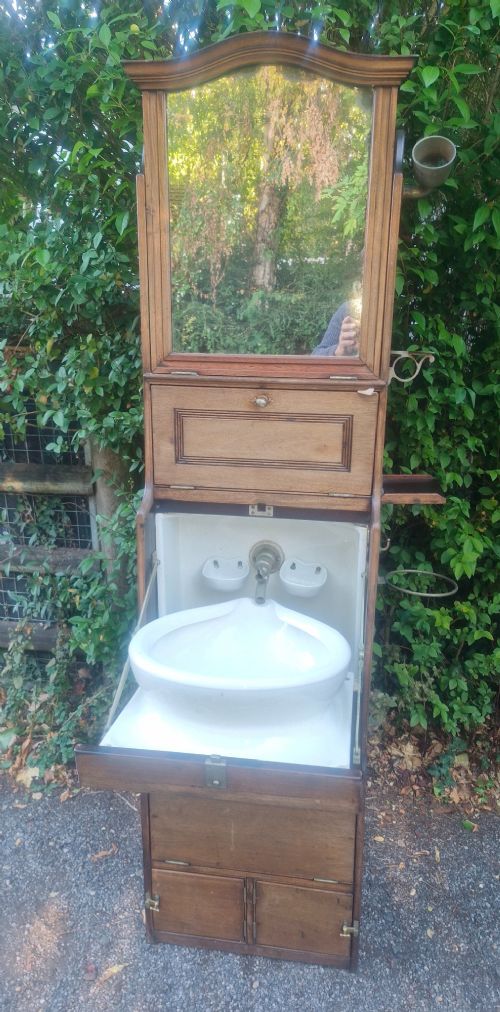
The versions most common on this page date from the Georgian, Victorian, and Edwardian eras, constructed primarily in dense hardwoods like mahogany and walnut. Many feature doors, drawers, or campaign-style folding tops intended to hide the washing apparatus when not in use. Some examples incorporate marble surfaces designed to resist water splashes during daily grooming.
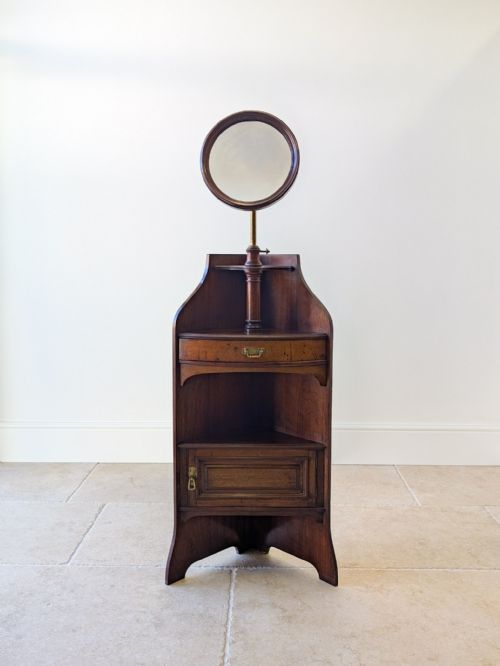
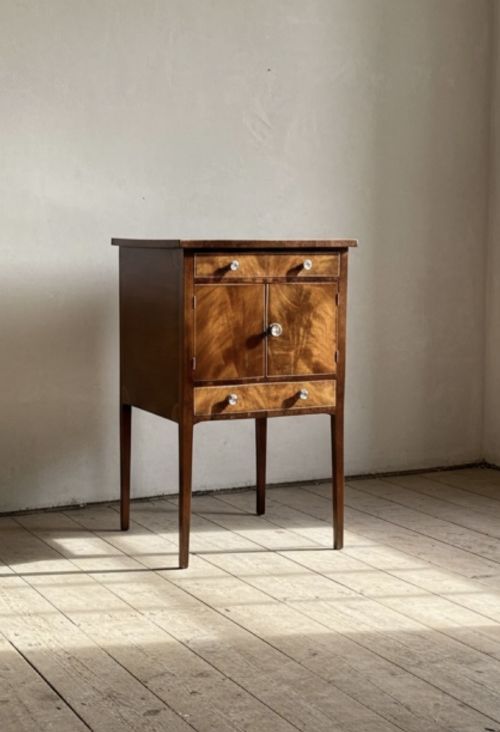
Beyond traditional washstands, the selection includes related bedside cupboards, pot cupboards, and compact cabinets that share the same period scale and enclosed storage. These items suit contemporary interiors as bedside tables or bathroom vanity surrounds, adding period character to smaller spaces. Their enduring appeal lies in the combination of compact dimensions and sturdy timber construction.
Materials and construction
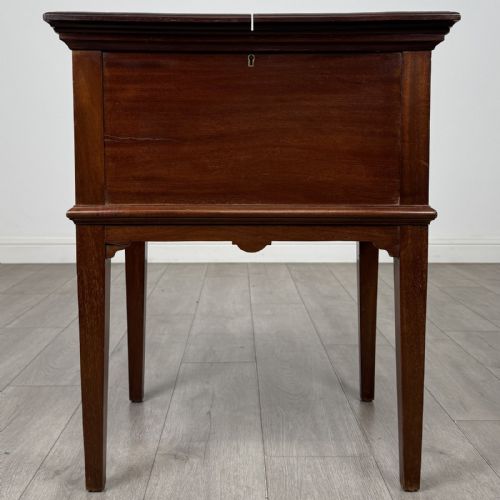
Cabinet makers relied heavily on solid mahogany, walnut, and pine, often applying flame mahogany veneer to primary surfaces for visual depth. Structural integrity relied on traditional joinery, dovetail drawers, and turned legs that supported the considerable weight of stone tops.
Fittings and functional elements frequently incorporated brass handles, hinges, and occasional glass or ceramic components. Marble slabs were fitted to the tops of later Victorian and Edwardian examples to provide a durable, waterproof surface for basins and jugs.
Wooden Washstand Cabinet Retail Price Guide 2026
Typical asking prices for wooden washstand cabinet among the pieces listed under this phrase on Sellingantiques today, from the lower quarter to the upper quarter. They describe what is for sale here now, not the wider market.
Early marine models were built specifically to survive stormy yacht voyages without spilling the captain's washing water.
Distinctions in quality
Quality rests on the selection of timber, the crispness of the cabinetmaker's joinery, and the retention of original hardware such as brass pulls and hinges. Finer pieces demonstrate careful book-matching of veneers, precise dovetailing in the drawer construction, and intact marble inserts without later replacements.
The degree of architectural detail, from restrained Georgian proportions to elaborate Edwardian satinwood inlay, separates standard utilitarian pieces from high-workshop production. Cabinets that retain their internal shelving, partitions, and original finish command greater interest from collectors.
James Shoolbred·Gillows
The Wooden Washstand Cabinet Glossary
- Washstand
- A piece of furniture designed to hold a basin and water pitcher for washing before plumbed bathrooms became standard. These often include enclosed lower cupboards or marble splashbacks.
- Campaign washstand
- A folding or modular washstand designed for easy transport by military officers on campaign. These typically feature collapsible wooden frames and brass mounts.
- Pot cupboard
- A small bedside cabinet originally built to house a chamber pot behind a single door. They frequently feature a small drawer above the main cupboard space.
- Flame mahogany veneer
- A thin slice of mahogany timber cut from the fork of the tree where the branch meets the trunk, creating a characteristic rippled, flame-like grain pattern. Cabinet makers applied this to drawer fronts and door panels for decorative effect.
- Etagere
- An open set of shelves used for displaying small objects, sometimes incorporating turned wooden legs. These pieces reflect lighter nineteenth-century decorative styles.
Wooden Washstand Cabinet: Frequently Asked Questions
How do I use a washstand cabinet today?
These cabinets function well as bedside tables, bathroom storage units, or hallway cupboards. The compact footprint provides practical surface space and concealed storage for modern living.
Marble-topped versions suit bathroom or bedroom placement where moisture resistance is useful. Interior shelves easily accommodate books, toiletries, or small linens.
How can I tell a Georgian washstand from a Victorian one?
Georgian pieces tend to feature restrained mahogany frames, delicate proportions, and functional campaign or corner designs. They emphasise clean lines and simple timber construction without heavy ornamentation.
Victorian and Edwardian examples often introduce marble tops, tiled splashbacks, and richer veneers like satinbirch or flame mahogany. They are generally heavier and include more elaborate hardware.
Did all washstands originally have marble tops?
Earlier eighteenth and early nineteenth-century washstands typically featured solid wood tops designed to hold removable ceramic basins. Marble tops became prevalent in the later Victorian and Edwardian periods as hygiene standards and material availability shifted.
When evaluating a piece, consider the period style to determine if a stone top is original. Wooden tops remain standard on earlier campaign and bedside variants.
What is a pot cupboard?
A pot cupboard is a small, single-door bedside cabinet historically used to conceal a chamber pot. They offer a compact interior space accessible via a hinged door.
Today, these diminutive cabinets serve admirably as bedside tables or small lamp stands. Their enclosed design keeps clutter out of sight in smaller rooms.