





Wooden Wall Salt Box
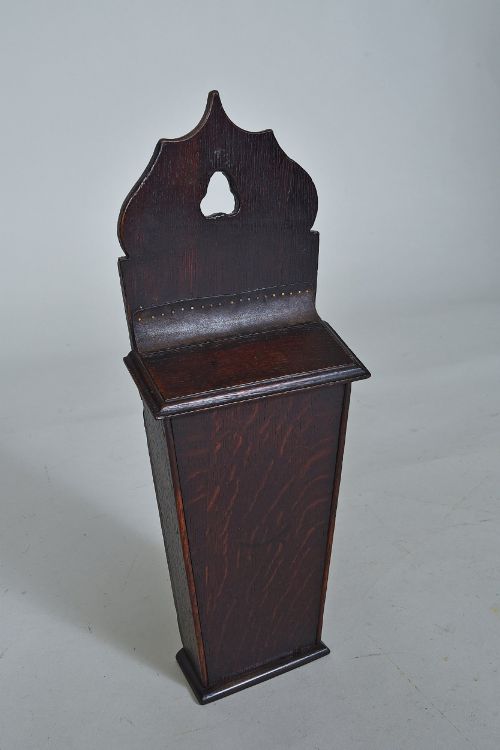
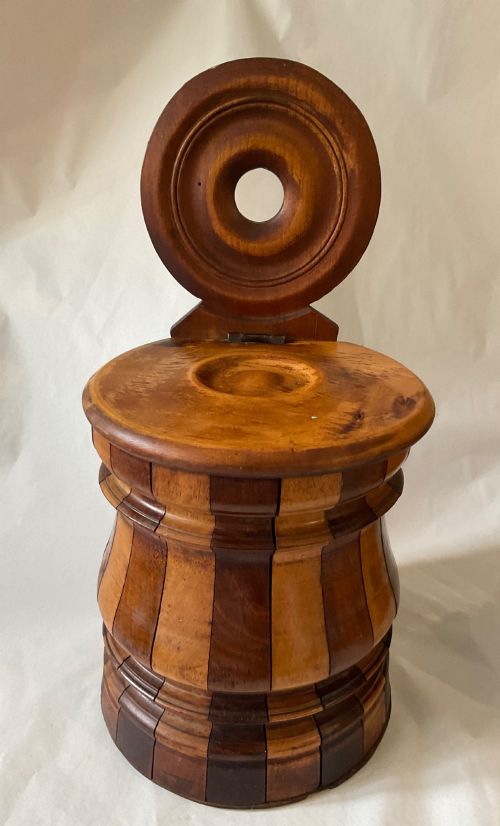
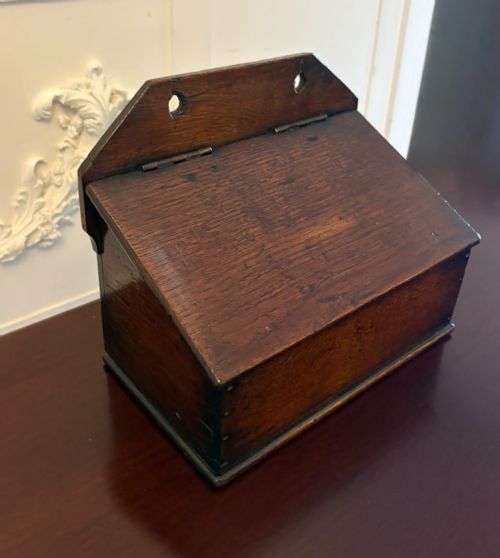
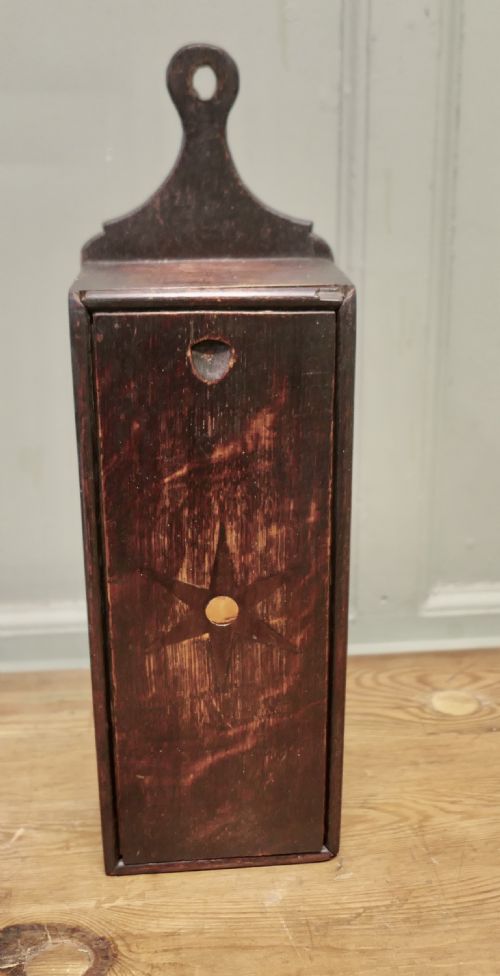
A wooden wall salt box is a practical domestic container designed to keep kitchen salt dry, combining everyday function with honest country craft.
Wooden Wall Salt Box
When you search for a wooden wall salt box, you encounter functional kitchen storage designed to hang securely near the hearth or food preparation area. These containers served domestic spaces from the seventeenth century through the Victorian era.
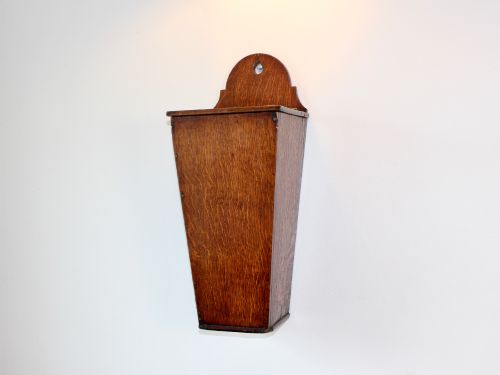
The versions most commonly met on this page span the Georgian and Victorian periods, executed in regional British woods such as oak and pine. Alongside dedicated salt containers, the listings include related wall-hanging forms such as candle boxes and spice boxes shaped by country carpenters.
Originating from British country workshops, these utilitarian objects reflect the daily requirements of historical households. Their survival relies on robust construction intended for continuous kitchen use.
How they were made
Construction relies on solid timbers like oak, mahogany, and pine, shaped by regional makers using basic hand tools. Panels are typically joined with pegged joints or simple dovetailing to withstand regular handling.
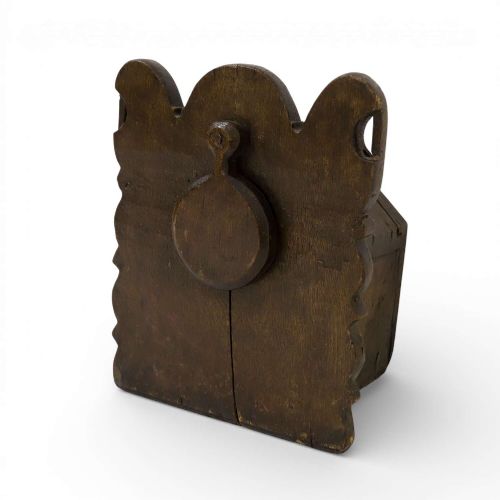
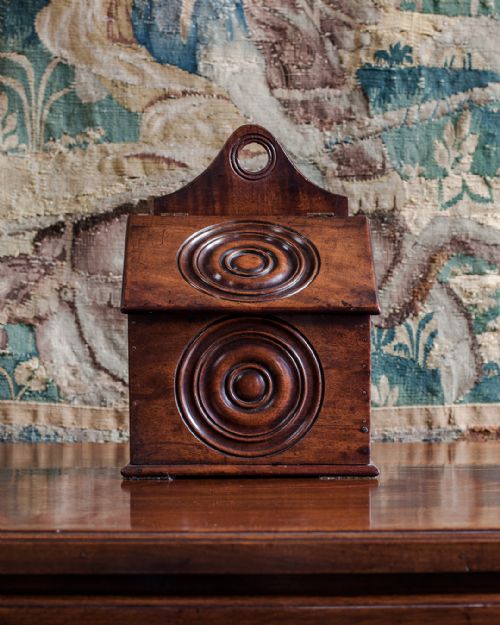
Functional metal elements such as original iron hardware, brass hinges, and latches secure the sloping lids and hanging boards. Surviving traces of red paint and historical surface treatments demonstrate the original decorative finishes applied to utilitarian items.
Wooden Wall Salt Box Retail Price Guide 2026
Typical asking prices for wooden wall salt box among the pieces listed under this phrase on Sellingantiques today, from the lower quarter to the upper quarter. They describe what is for sale here now, not the wider market.
Some kitchen boxes retain accidental splashes of historical red paint from decades of hurried meal preparations near the hearth.
What varies in quality
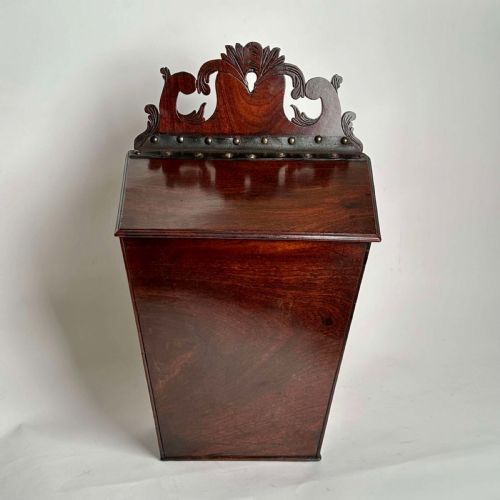
The distinction between standard utility items and superior examples lies in the choice of timber and the crispness of the carpentry. Finely figured mahogany or densely grained early oak denotes a higher grade of workshop production compared to basic utilitarian pine.
Proportion and surface preservation heavily influence the character of a piece. Retained original ironwork, untouched historical paint surfaces, and well-executed tapered forms elevate a domestic box beyond a purely functional survivor.
The Wooden Wall Salt Box Glossary
- Wall hanging
- Designed with a pierced backboard or hanging lugs to mount directly onto a kitchen wall. This keeps the contents within easy reach while saving table space.
- Treen
- Small domestic wooden objects made by turning or carving. These items form a major category of historical kitchenware and treen.
- Dovetail
- A joint formed by interlocking wedge-shaped fingers used to secure the corners of wooden boxes. It provides robust structural strength without relying on modern adhesives.
- Hardware
- The metal components attached to a box, including iron hinges, latches, and hooks. Original hardware significantly supports the historical integrity of a piece.
- Pine
- A soft timber frequently utilised in regional country furniture and utilitarian storage boxes. It was often painted or left in its natural state depending on domestic preference.
Wooden Wall Salt Box: Frequently Asked Questions
How were these boxes mounted on walls?
Most examples feature an extended backboard pierced with a hanging hole or slot. This allowed the container to hang securely from a peg or nail on the kitchen wall.
The vertical design kept the contents at a convenient height for cooking. It also protected the salt from damp flagstone floors in older homes.
What woods were used for salt boxes?
Maker choices typically depended on local timber availability and the status of the household. Oak and mahogany appear frequently in sturdier regional workshops.
Softer woods like pine also served for domestic storage containers. Surviving surfaces often display historical red paint or natural polished grains.
How do I care for an antique salt box?
Keep the wood away from direct heat sources and sudden humidity changes to prevent timber splitting. A light application of appropriate wax maintains the dry finish of the old surface.
Avoid aggressive cleaning agents that might strip historical paint traces or patination. Gentle dusting preserves the character accumulated over centuries of domestic life.