



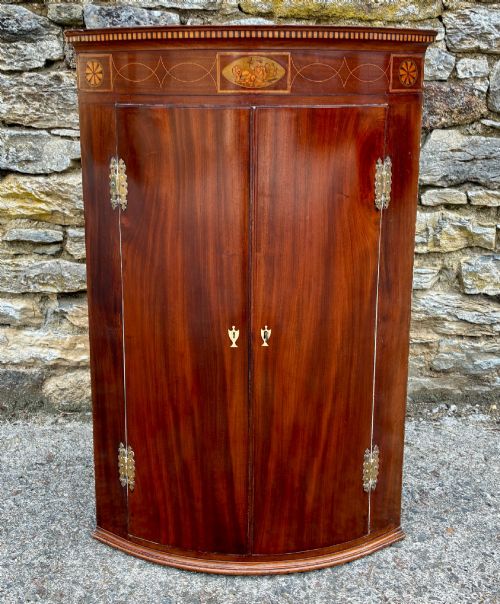
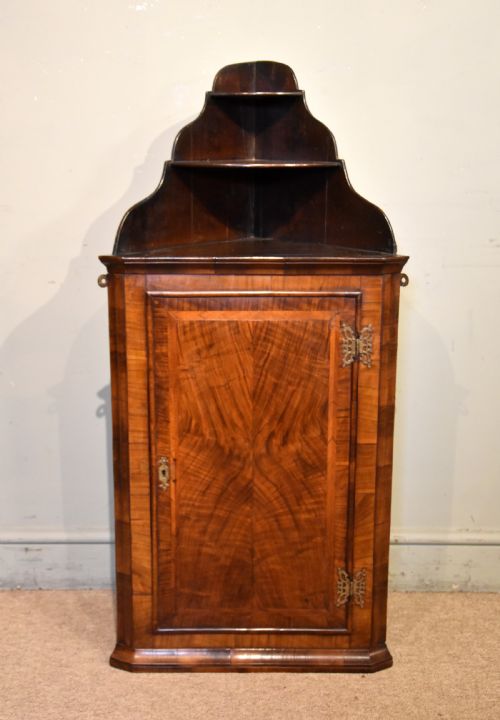
Wooden Wall Hanging Cabinet
A wooden wall hanging cabinet organises small spaces with practical shelving and secure doors, offering period character from the eighteenth to the early twentieth century.
Wooden Wall Hanging Cabinet
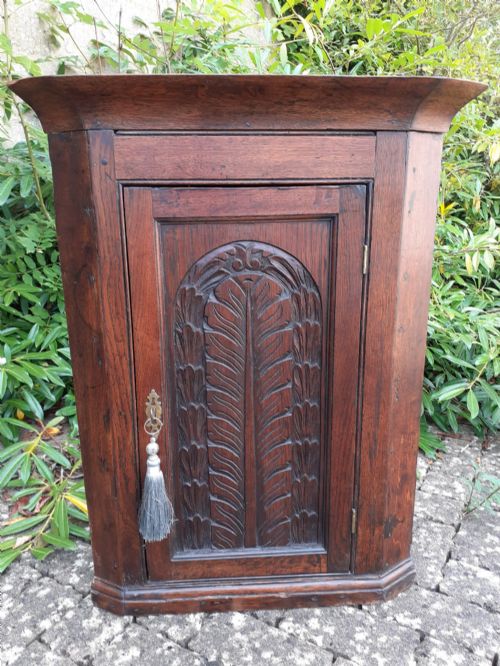
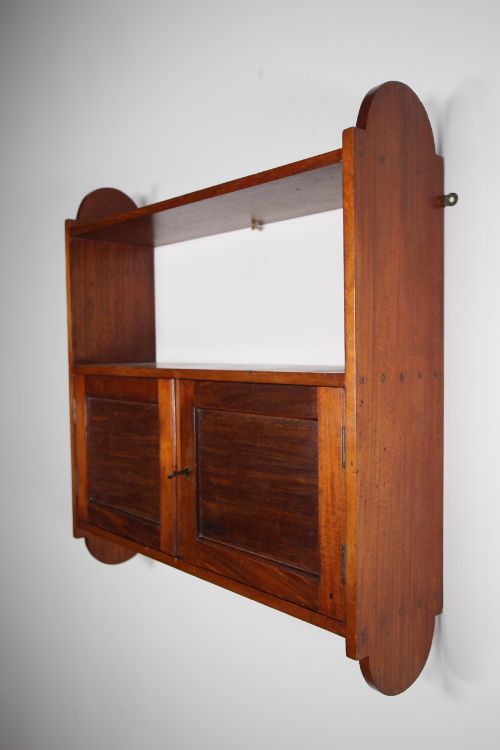
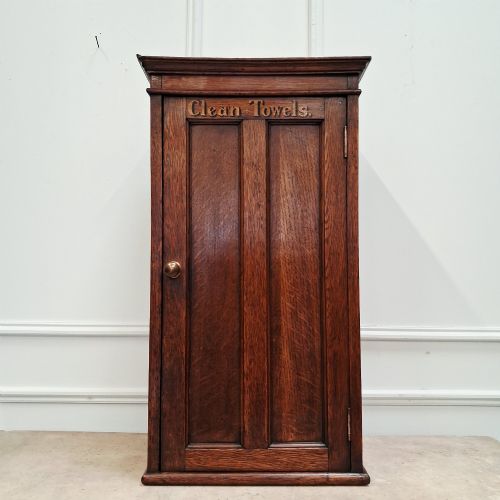
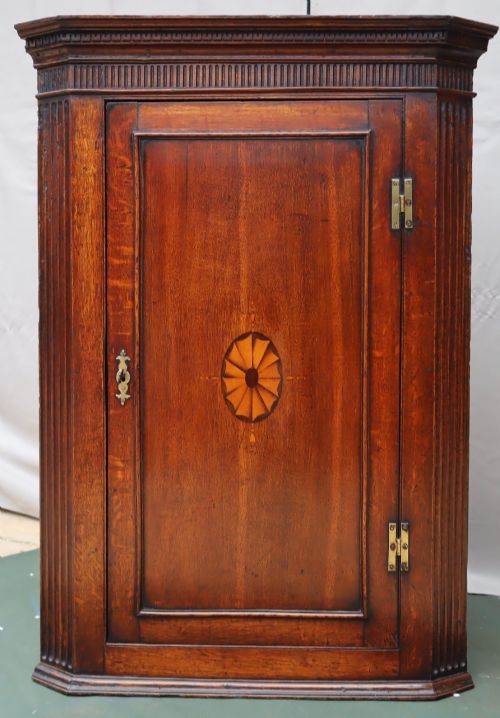
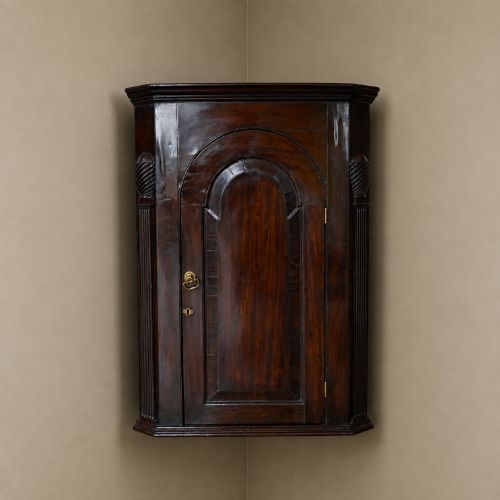
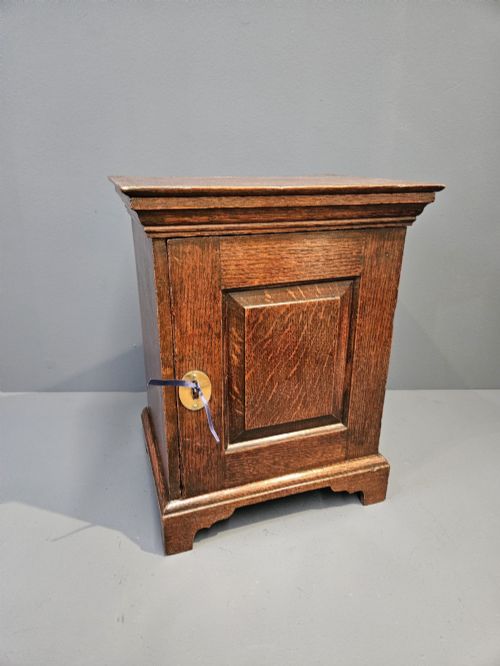
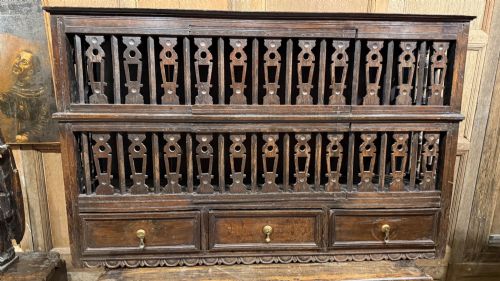
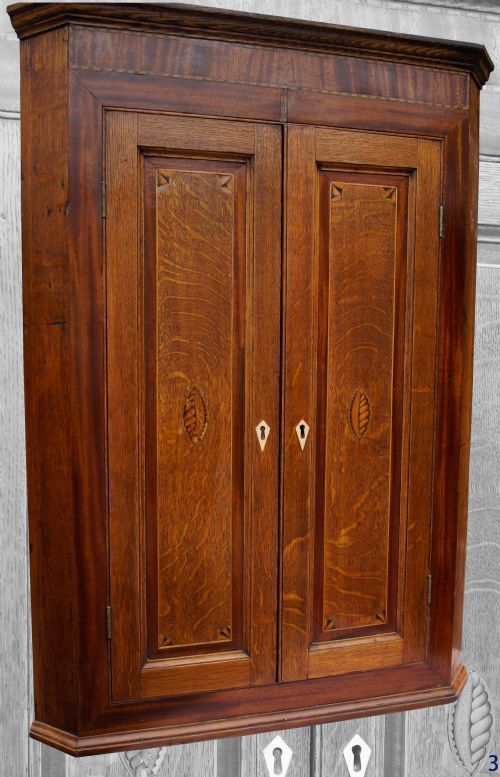
A wooden wall hanging cabinet provides enclosed or open storage designed to be mounted directly onto room surfaces. Buyers exploring this selection encounter corner cupboards, flat wall units, spice boxes, and key cabinets originating from various domestic settings.
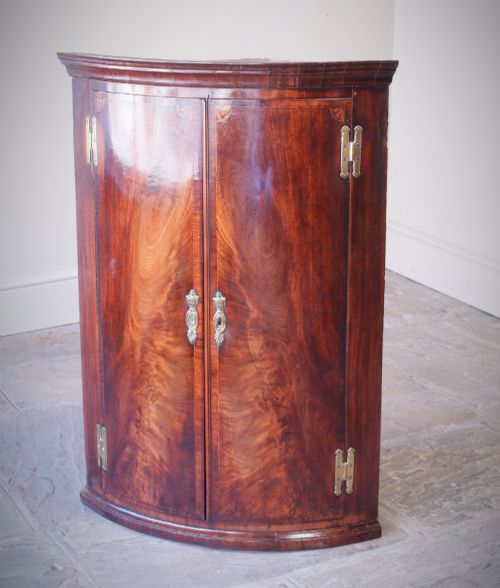
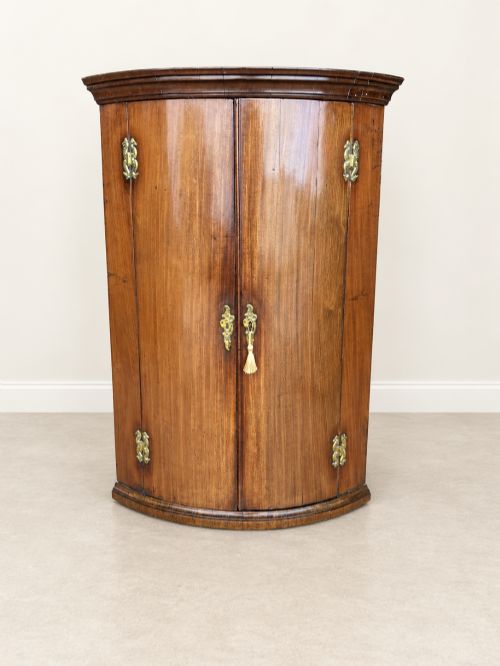
The pieces span multiple eras, with strong representation from the Georgian and Victorian periods, alongside Edwardian and Arts and Crafts examples. Woods such as oak, mahogany, walnut, and pine dominate the selection, often shaped with bow fronts or fitted with glazed doors.
How they were made
Cabinet makers utilised solid hardwoods like oak, mahogany, and walnut, frequently pairing them with secondary pine or satinwood details. Construction methods rely on traditional joinery, including dovetailed corners and panelled doors designed to withstand decades of wall mounting.
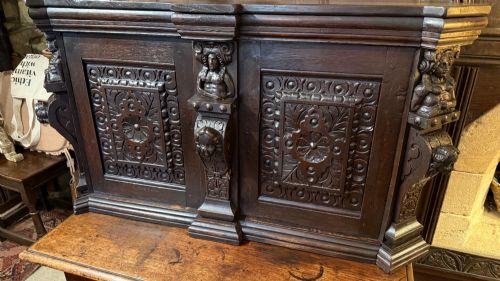
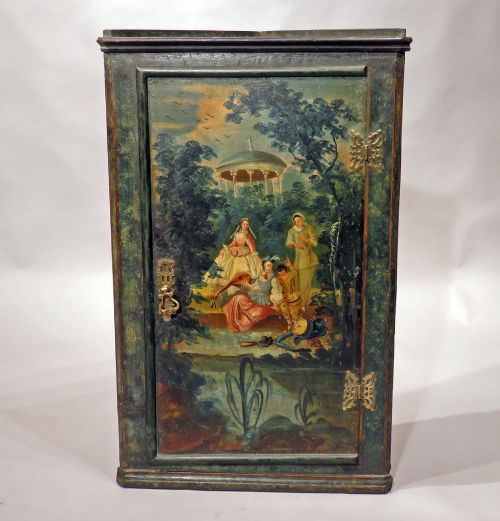
Surface finishes range from polished mahogany and waxed oak to painted treatments and intricate pokerwork or carved ornamentation. Brass hinges, latches, and escutcheons serve functional roles while accentuating the structural timber.
Wooden Wall Hanging Cabinet Retail Price Guide 2026
Typical asking prices for wooden wall hanging cabinet among the pieces listed under this phrase on Sellingantiques today, from the lower quarter to the upper quarter. They describe what is for sale here now, not the wider market.
Kitchen knife hanging boxes remind us that eighteenth-century cutlery needed its own dedicated wooden housing on the wall.
What varies in quality
The calibre of a wall cabinet rests on the selection of timber grain, the crispness of any carved or inlaid decoration, and the integrity of the original joinery. Superior examples display thoughtful proportions and harmonious wood selection across visible surfaces.
Refinement in hardware, such as original brass escutcheons and working locks, elevates a piece. Pieces featuring intact original painted interiors or delicate architectural elements like broken arch pediments represent the upper tier of craftsmanship.
Arthur Simpson
The Wooden Wall Hanging Cabinet Glossary
- Bow front
- A convex, outwardly curved front section common in Georgian corner cupboards. This curved shaping requires advanced woodworking skill to match doors to frames.
- Pediment
- An architectural crowning feature above the main cabinet body. Examples include broken arch designs that draw the eye upward.
- Escutcheon
- A protective brass plate surrounding a keyhole. It prevents timber wear around the lock.
- Pigeon holes
- Small open compartments grouped inside a cabinet or desk organiser for sorting letters. They organise correspondence efficiently.
- Inlay
- A technique where contrasting woods or light satinwood are inserted into recesses within the primary timber to create decorative patterns.
Wooden Wall Hanging Cabinet: Frequently Asked Questions
How were corner cupboards used?
These cabinets occupied empty room corners to store tableware, spices, or valuables without consuming floor space. Their triangular footprints fitted snugly into domestic interiors.
In daily use, they kept household necessities dust-free and secure behind panelled or glazed doors. Wealthy homes displayed prized ceramics inside them.
How do I date a wooden wall cabinet?
Dating relies on observing timber choices, hardware styles, and construction traits like dovetailing. Georgian pieces often show dense mahogany or oak with brass H-hinges.
Later Victorian and Edwardian items introduce machine-cut elements, satinwood inlay, or alternative glazing bars. Comparing these traits against known period styles clarifies the era.
Are wall cabinets heavy to hang?
Weight varies depending on the primary timber, with dense hardwoods like oak and mahogany requiring robust wall fixings. Smaller spice boxes or pine cupboards remain relatively light.
Proper installation demands securing fixings directly into wall studs or masonry rather than relying solely on plaster. This ensures the vintage timber stays secure.