

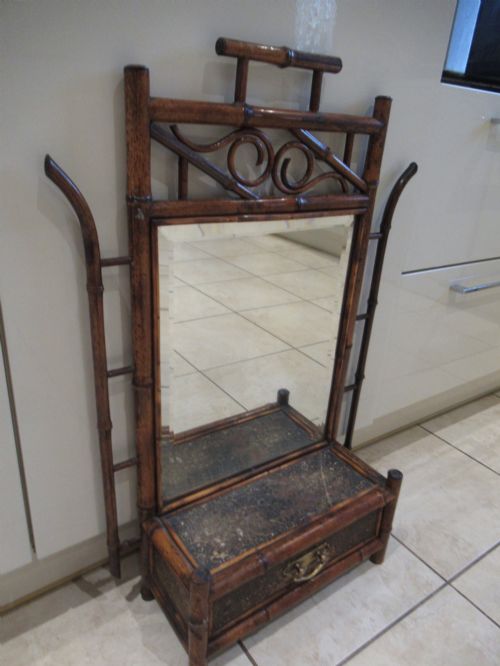
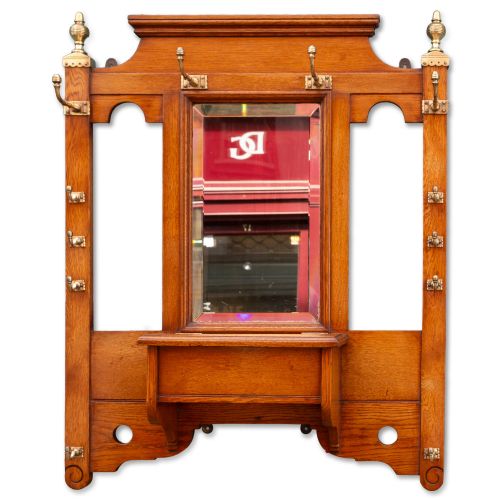


Antique Hall Mirror Shelf
An antique hall mirror shelf combines a glass looking plate with a practical ledge, offering a convenient spot for letters, keys, and daily essentials as you pass through the entrance.
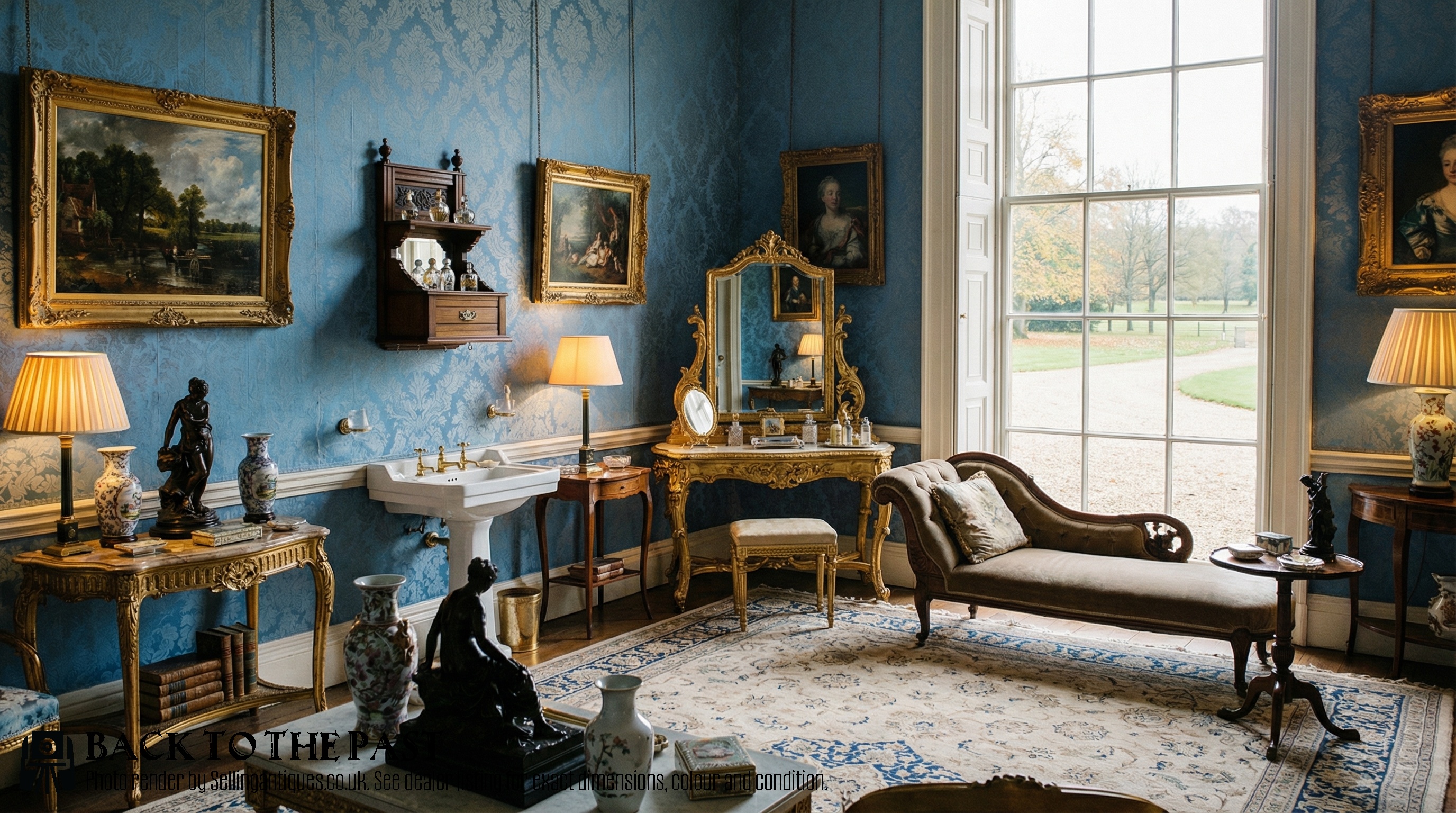
Antique Hall Mirror Shelf
An antique hall mirror shelf serves as a functional and decorative fixture designed for entryways, hallways, and reception spaces. These pieces combine reflective glass with horizontal ledges or small cabinets, often incorporating hooks for coats and hats.
You will most commonly encounter variations from the Victorian and Edwardian periods, alongside pieces dated through the early twentieth century. Common formats range from compact wall-mounted oak frames to larger mahogany stands featuring marble ledges.
Materials and construction
Cabinetmakers constructed these pieces primarily using hardwoods such as oak, mahogany, walnut, and rosewood, frequently enhanced by decorative wood veneers and intricate inlay work. Giltwood frames provided ornate alternatives for formal reception rooms.
Functional elements incorporated cast brass for hooks and brackets, while specialised designs integrated marble shelves and heavy glass mirror plates. Metal elements also appear in industrial-style French variants utilising iron for hat and coat racks.
Antique Hall Mirror Shelf Retail Price Guide 2026
Typical asking prices for hall mirror shelf among the pieces listed under this phrase on Sellingantiques today, from the lower quarter to the upper quarter. They describe what is for sale here now, not the wider market.
Edwardian advertisements sometimes called these fixtures last look mirrors, placed strategically by the front door for a final check before facing the world.
Assessing quality and craftsmanship
The distinction between standard utility items and finer examples rests in the selection of timber and the sophistication of the joinery. Superior pieces display carefully matched wood grains, precise inlay work, and robust structural framing.
The integration of secondary materials such as marble shelves, cast brass hardware, and original heavy glass mirror plates distinguishes higher quality examples from simpler everyday furnishings.
The Antique Hall Mirror Shelf Glossary
- Pier glass
- A tall mirror designed to fit on the wall space between windows, often reflecting light deep into a Victorian reception room.
- Portmanteau
- A large hall stand combining a mirror, coat hooks, umbrella storage, and frequently a shelf or small cabinet.
- Giltwood
- Timber that has been coated with a thin layer of gold leaf or gilt gesso, typical of decorative nineteenth-century frames.
- Valet
- A specialised fixture or attachment designed for hanging garments, hats, or keys conveniently near an entrance.
- Inlay
- A decorative technique where contrasting woods or materials are set into the surface of the primary timber to create patterns.
Antique Hall Mirror Shelf: Frequently Asked Questions
Where should I hang a hall mirror shelf?
These pieces suit entrance halls, boot rooms, and narrow corridors where wall space allows for both reflection and a small ledge. Position them at a comfortable height for checking appearances and dropping small items as you enter the house.
Ensure the wall fixings match the weight of the timber and glass, particularly for larger mahogany or walnut examples.
How do I care for the wood and glass?
Clean the wooden frames using appropriate wax or polish suited to oak, mahogany, or walnut, avoiding excessive moisture. Wipe the mirror glass with a soft cloth and standard glass cleaner applied to the cloth rather than directly to the plate.
Take care around older silvered mirror plates and giltwood surfaces to preserve the original finish.
Are the coat hooks original to the piece?
Many Edwardian and Victorian hall fixtures retain their original brass or cast metal hooks, which often show natural signs of age and wear. Replacements do occur, so examine the screw fittings and metal patination if originality is a priority for your collection.
Matching the metal finish to the period of the wood frame helps maintain the aesthetic integrity of the piece.
How do I identify a Victorian piece?
Victorian examples typically feature denser timbers like mahogany or walnut, sometimes accompanied by carved details, giltwood frames, or marble shelves. The construction methods employ traditional joinery visible on the reverse of the wall mounts.
Later Edwardian and early twentieth-century versions often favor lighter oak and more streamlined designs intended for smaller urban hallways.