



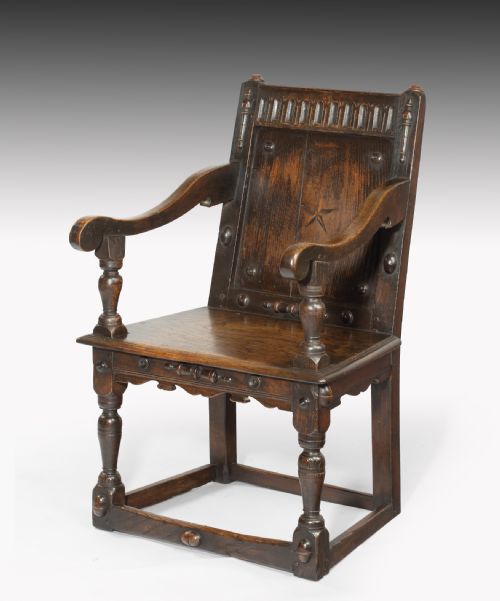
Wooden Wainscot Chair
A wooden wainscot chair is a heavy, panel-backed seat built to command the room, offering sturdy joinery and centuries of domestic history.
Wooden Wainscot Chair
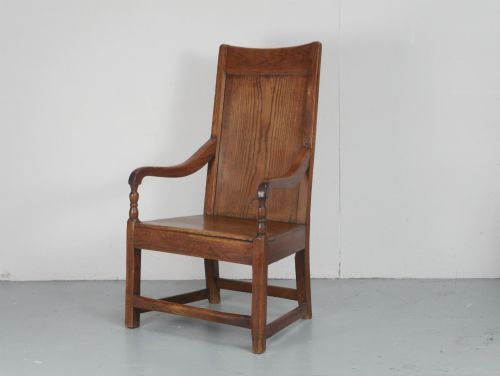
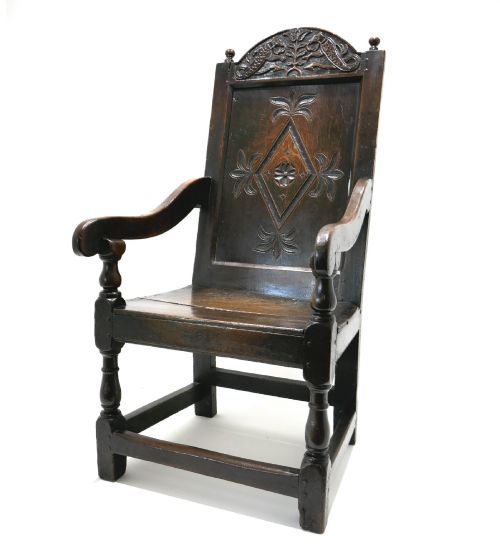
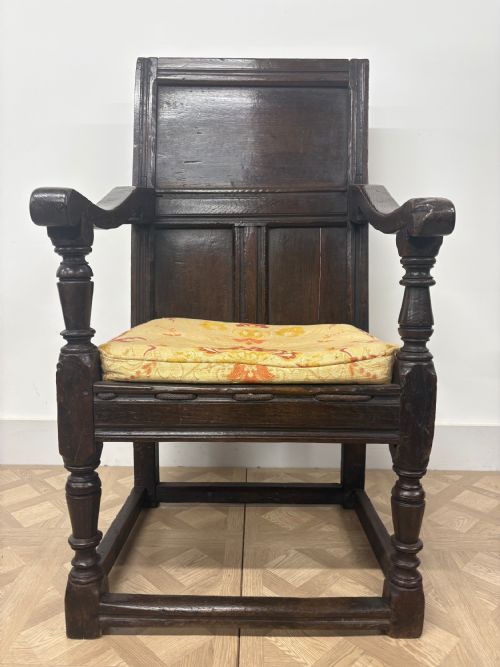
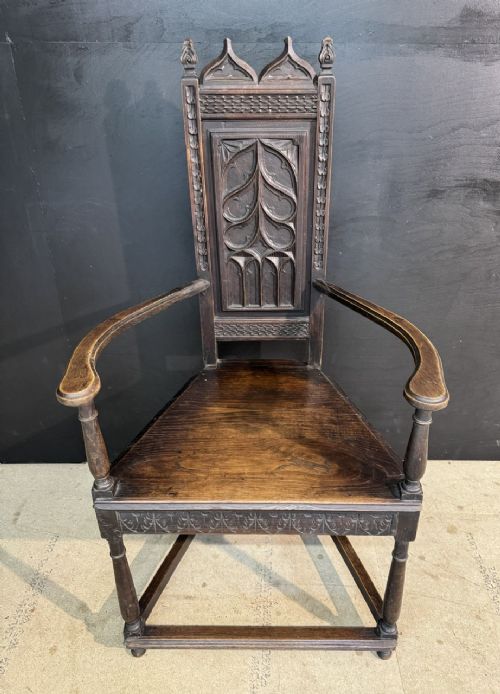
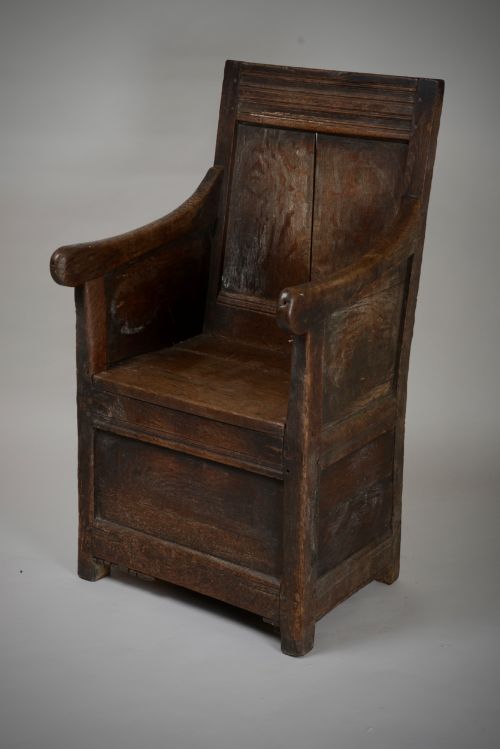
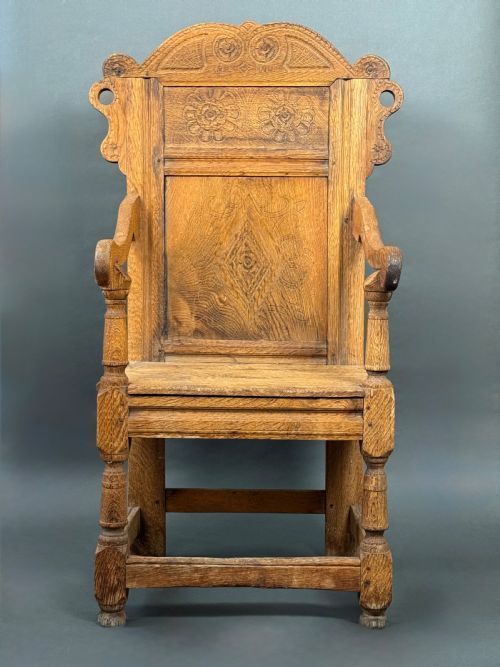
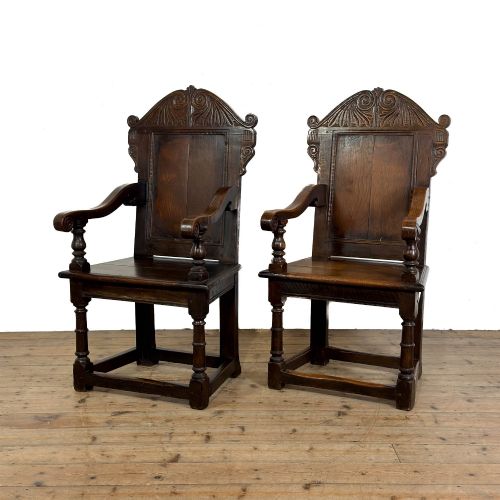
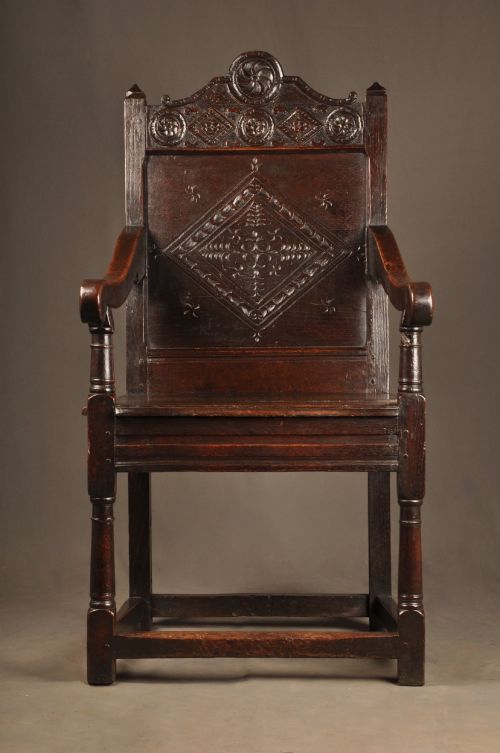
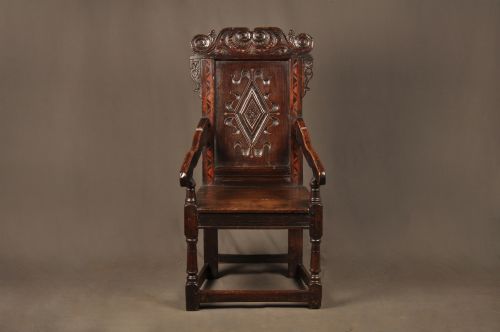
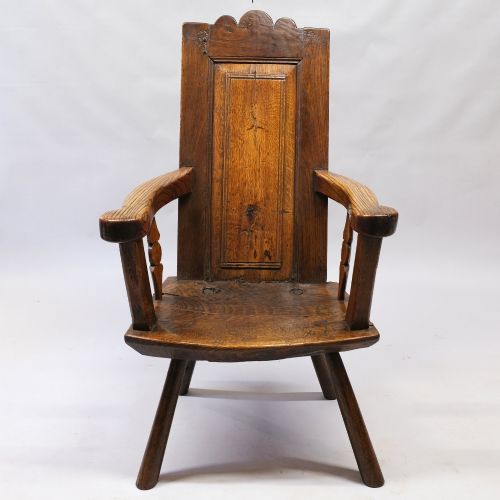
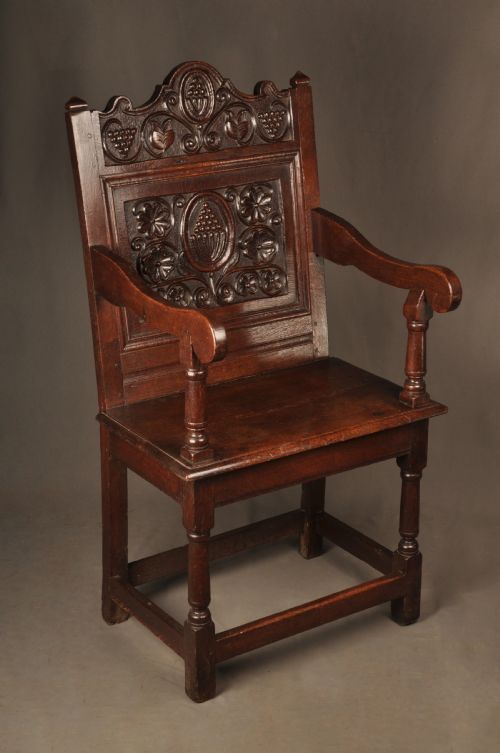
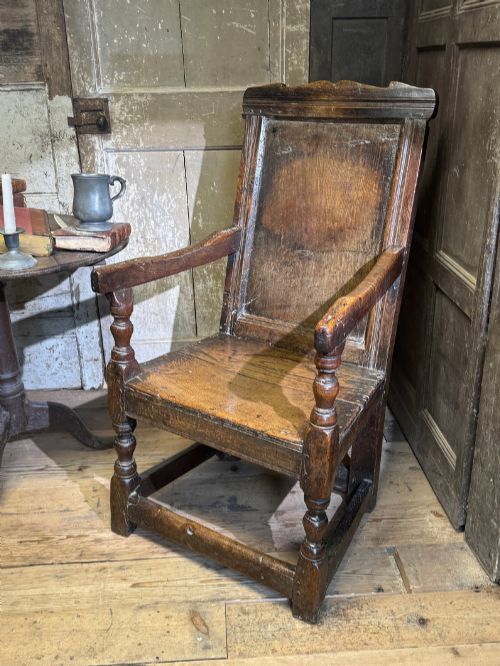
When you search for a wooden wainscot chair, you encounter rigid panel-backed armchairs that date principally from the seventeenth century through to later revival periods. These seats take their name from wainscot oak boards, reflecting a time when timber was precious and panel construction kept draughts at bay. The examples on this page are predominantly constructed as heavy armchairs, though regional variations and later nineteenth-century interpretations also appear.
Regional styles emerge clearly across the listings, showing distinct characteristics from Lancashire, Yorkshire, Wales and Scotland. Makers in these areas utilised local timber and regional carving traditions, resulting in robust armchairs and occasional side chairs or benches. While seventeenth-century originals anchor the category, Victorian and later revivals demonstrate a persistent demand for the form down the centuries.
What separates the best pieces
The integrity of the original joinery and the depth of the timber patination define the upper tier of these seats. Pieces that retain their original feet, armrests, and panel pegs without excessive timber replacement command greater respect among collectors. Heavy restoration or marriages of convenience between disparate chair parts lower the historical integrity of an example.
Proportion and the crispness of the hand carving also separate standard country examples from masterworks. A well-balanced silhouette with deep relief carving and pleasing warm colour indicates a superior workshop origin. Lesser pieces may display coarse timber selection or clumsy later alterations that disrupt the original seventeenth-century character.
Wooden Wainscot Chair Retail Price Guide 2026
Typical asking prices for wooden wainscot chair among the pieces listed under this phrase on Sellingantiques today, from the lower quarter to the upper quarter. They describe what is for sale here now, not the wider market.
Early craftsmen cleverly designed these heavy seats with solid panel backs to block cold castle draughts, inadvertently inventing the ultimate armchair.
The Wooden Wainscot Chair Glossary
- Wainscot
- Fine quality oak panelling originally used on castle and manor walls, which subsequently lent its name to heavy panel-backed chairs. The term signifies solid timber construction before lighter frame chairs became common.
- Joined oak
- A method of furniture construction relying on mortise and tenon joints locked with wooden pins rather than iron nails. This technique provides the skeleton for seventeenth-century seating.
- Patina
- The surface sheen and darkening acquired by wood over centuries through handling, wax application, and light exposure. A good patina indicates genuine age and continuous use.
- Elbow chair
- An alternative historical designation for an armchair, often found in country probate inventories. It distinguishes seats with armrests from simpler joined side chairs.
Wooden Wainscot Chair: Frequently Asked Questions
How do I spot a reproduction?
Examine the construction joints, timber movement, and tool marks across the frame. Genuine seventeenth-century chairs display hand-cut peg holes, shrinkage cracks, and dry, oxidized oak surfaces that modern workshops struggle to replicate.
Look underneath the seat and behind the back panel for consistency in wear and tool use. Modern replacements or nineteenth-century revival pieces often reveal machine sawing or chemically induced patination that lacks the depth of true age.
Were these chairs used at dining tables?
These heavy seats were initially reserved for the head of the household, positioned near the hearth to shield the occupant from draughts. They functioned as symbols of authority rather than movable dining furniture.
As domestic comfort evolved, lighter chairs took over dining duties while wainscot seats remained static statement pieces in halls and parlours. Today, collectors often use them as reading chairs or desk seats where their solid presence can be appreciated.
How do I care for old oak?
Keep wooden wainscot chairs away from direct heat sources, radiators, and rapid humidity swings that can cause the dry oak panels to split. Maintain a stable indoor climate to protect the structural integrity of the ancient joints.
Apply a microcrystalline wax sparingly once a year to nourish the surface and preserve the historic patina. Avoid modern silicone polishes that can penetrate open wood pores and trap moisture.
How do I distinguish regional English styles?
Northern pieces from Lancashire and Yorkshire frequently feature heavier crest rails, deep relief carving, and robust proportions tailored to local tastes. Welsh and Scottish examples often display distinct regional joinery traits and simpler, more archaic lines.
Comparing the panel thickness, armrest profiles, and carving motifs helps narrow down the probable origin. Regional vernacular makers adapted standard wainscot designs using available local timber stocks and traditional woodworking methods.