



Wooden Vessel Brass
These wooden vessel brass pieces combine turned and coopered timber with metal mounts, offering practical utility and enduring decorative appeal.
Wooden Vessel Brass
When you search for wooden vessel brass, you encounter a specialised selection of turned and coopered containers spanning multiple centuries. These items range from domestic jugs and barrels to maritime gear and scholar's brush pots, uniting natural timber with metal components.
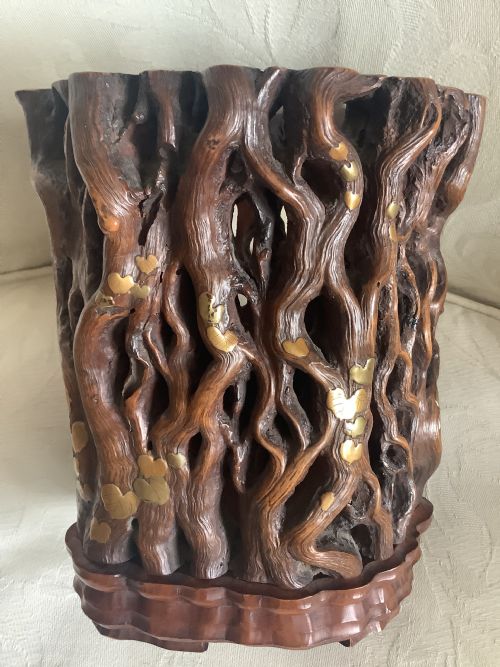
The objects stem from periods including the eighteenth, nineteenth and early twentieth centuries, reflecting diverse regional traditions. English, Dutch and Scottish pieces appear frequently, alongside maritime apparatus and Chinese scholar's items.
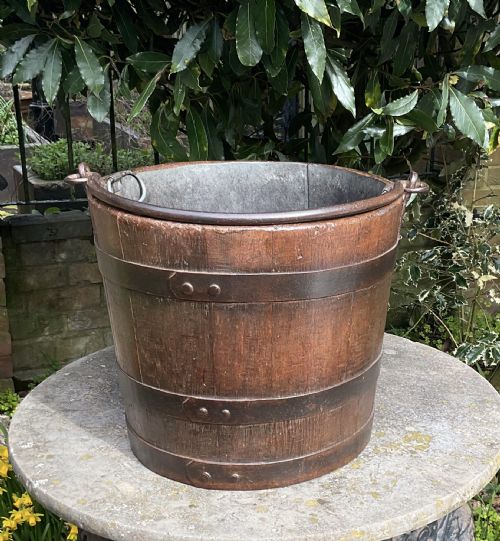
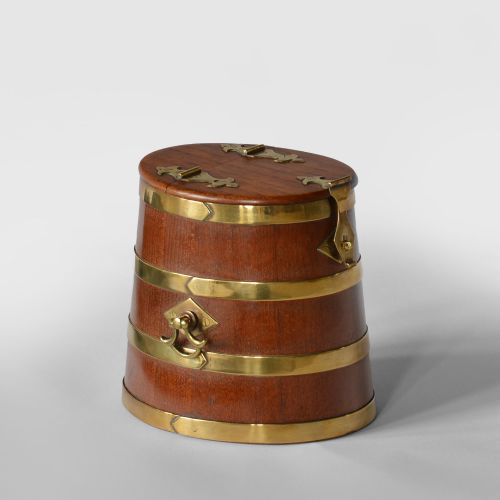
Common domestic forms include coopered buckets, jugs and butter barrels, often banded in bright metal. Maritime examples such as rum barrels and umbrella stands show how utilitarian vessels utilised robust materials for daily service.
How they were made
Makers utilised solid timbers such as oak, mahogany, teak, hardwood and occasionally walnut, selected for their strength and grain. These woods were shaped through traditional carpentry, turning on a lathe or cooperage construction using curved staves.
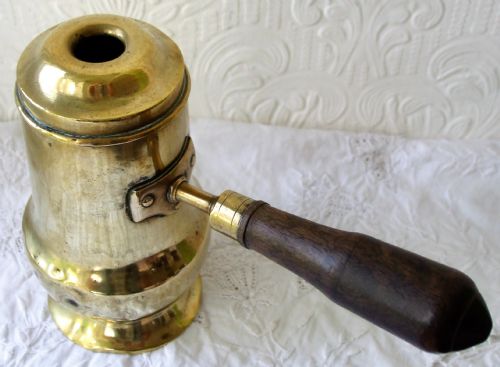
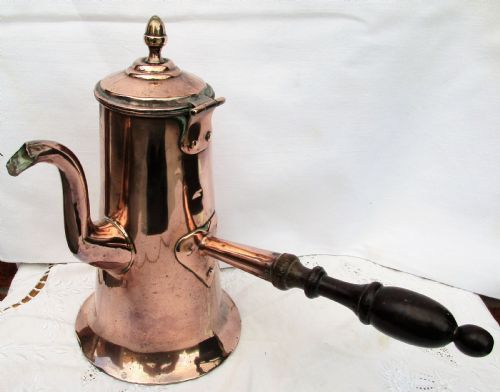
Metal components, predominantly brass and copper with occasional iron or bronze fittings, were forged or cast to reinforce and adorn the wooden bodies. Hoops, handles, hinges and mounts were secured tightly around barrels and buckets to withstand regular use.
Wooden Vessel Brass Retail Price Guide 2026
Typical asking prices for wooden vessel brass among the pieces listed under this phrase on Sellingantiques today, from the lower quarter to the upper quarter. They describe what is for sale here now, not the wider market.
Categories span domestic tableware, coopered buckets, maritime steering wheels, and Chinese scholar's brush pots.
What varies in quality
The standard of timber selection and the precision of the cooperage or turning dictate the structural integrity of each container. Tightly fitted staves, well-proportioned handles and clean joints denote superior craftsmanship.
The integration of the metal fittings relative to the wood body influences the overall balance and visual impact. Original brass mounts, patinated through age, contribute to the refinement of the piece.
The Wooden Vessel Brass Glossary
- Coopered
- Constructed from curved wooden staves bound together with metal hoops, typical of barrels, buckets and jugs. This technique ensured liquid-tight vessels before modern manufacturing.
- Brush pot
- A cylindrical vessel traditionally used in East Asian studies to hold writing brushes. These items were often carved from dense hardwoods.
- Teestoof
- A traditional Dutch foot warmer or small bucket designed to hold hot embers beneath a seat. These pieces frequently feature intricate wooden construction and metal bails.
- Cutlery urn
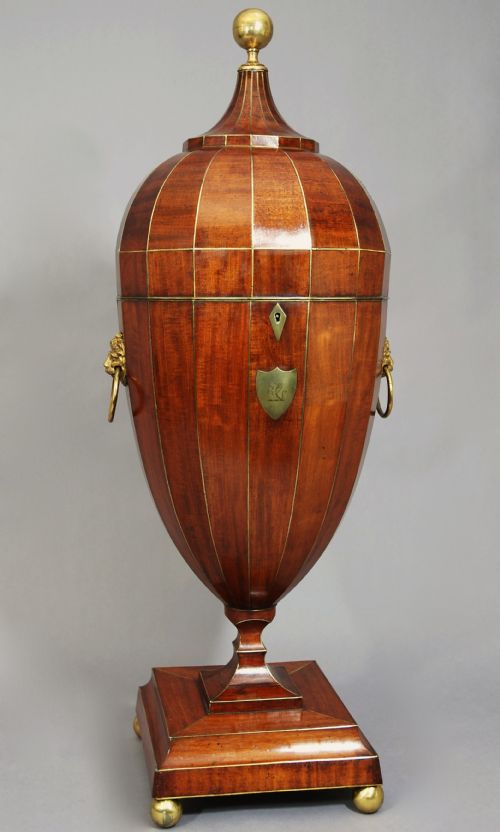
- A tall, urn-shaped vessel from the Georgian period used to store table silver. These objects display sophisticated turning and cabinetmaking skills.
- Stave
- A narrow strip of shaped wood with bevelled edges that forms the sides of a coopered barrel or bucket. The careful tapering of staves creates the characteristic outward curve.
Wooden Vessel Brass: Frequently Asked Questions
What are wooden vessel brass items used for?
These objects served various practical functions in domestic, maritime and scholarly settings, holding liquids, dry goods, peat or writing implements.
Today, collectors use them as decorative accents, umbrella stands, or planters within traditional and contemporary interiors.
How do I care for wooden vessel brass pieces?
Maintain the timber by keeping it away from direct heat sources and sudden humidity changes to prevent shrinkage or cracking.
Apply suitable wax occasionally to nourish the wood, and clean metal mounts gently without abrasive polishes.
How can I tell the period of a wooden vessel?
Examine the wood species, construction methods, and tool marks left on the interior and exterior surfaces.
Styles of brass mounts and the specific form of the vessel often align with distinct eras like the Georgian or Victorian periods.
What is a coopered vessel?
A coopered vessel is built by a specialist craftsman using curved wooden staves held tightly by metal bands rather than solid carving.
This method was essential for making watertight containers such as buckets, casks and rum barrels.