
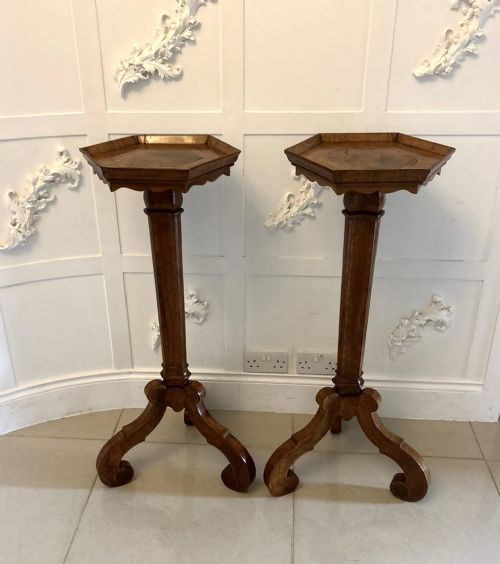
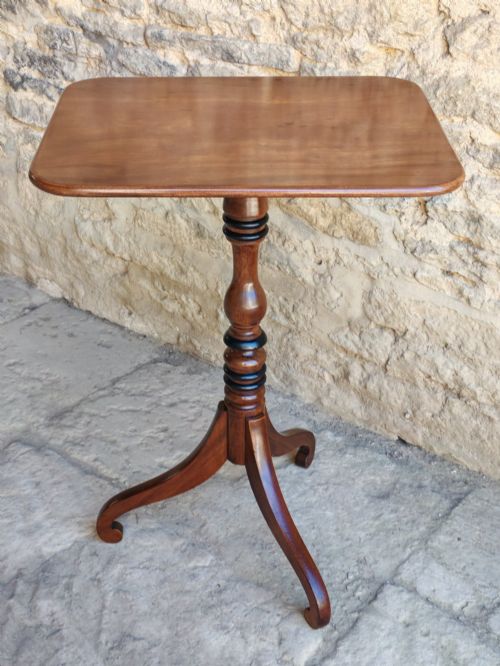
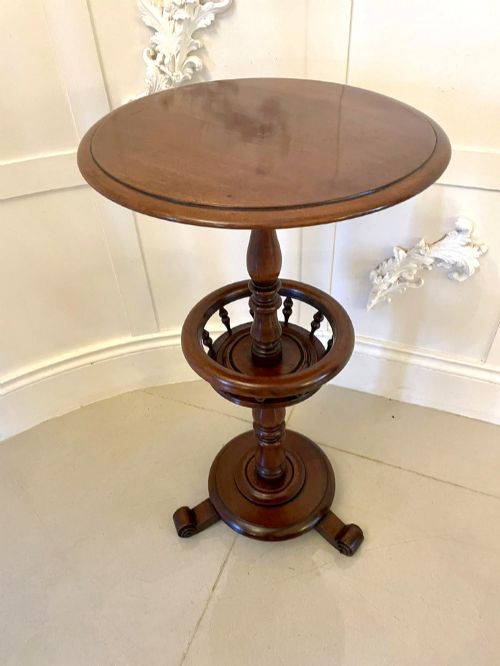
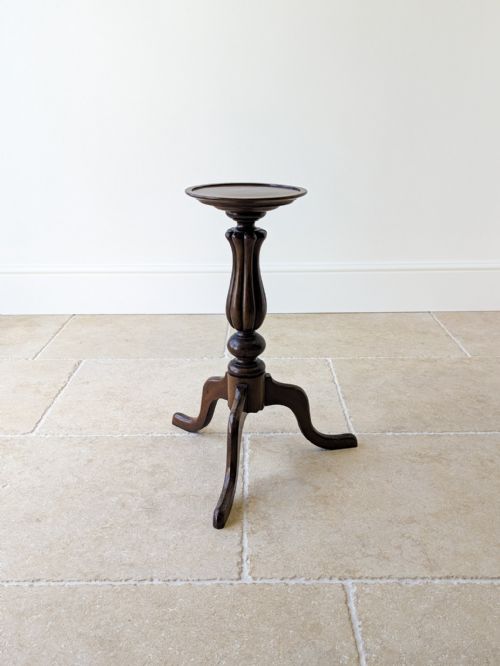
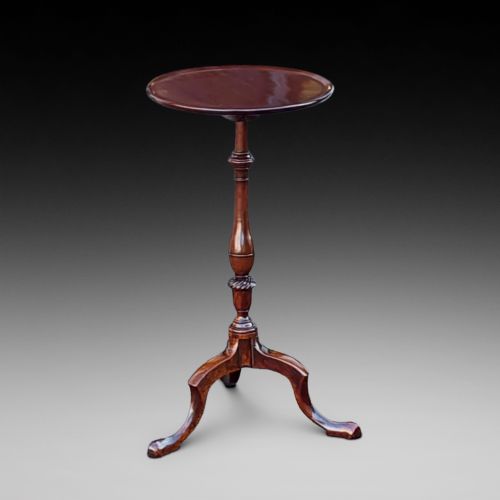
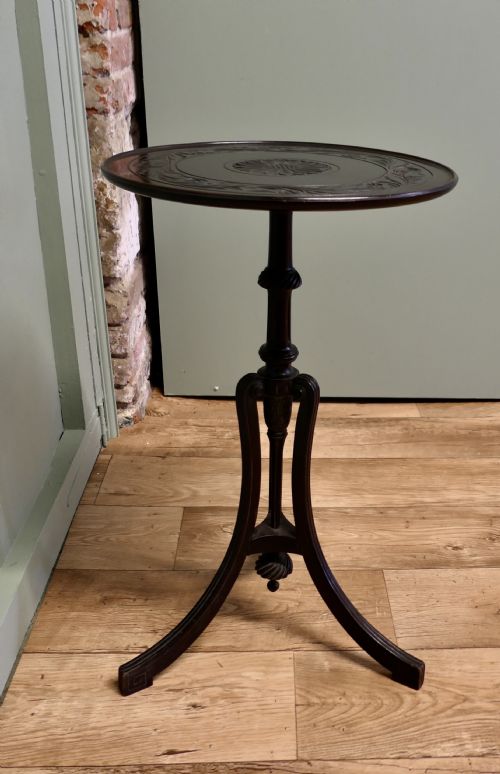
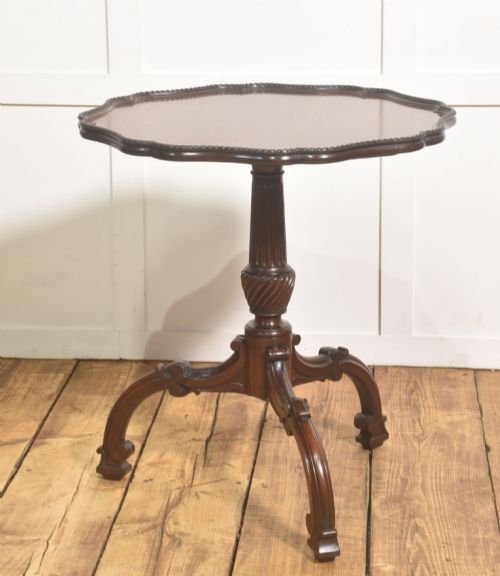
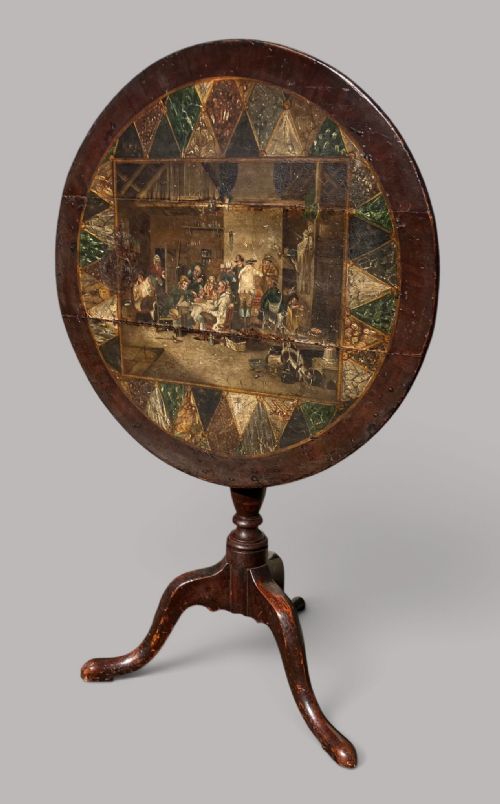
Wooden Tripod Candle Stand
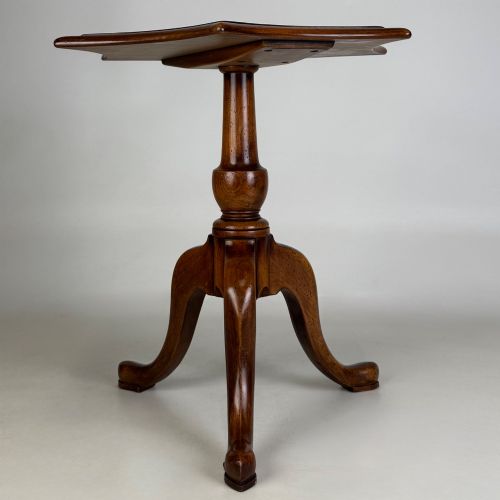
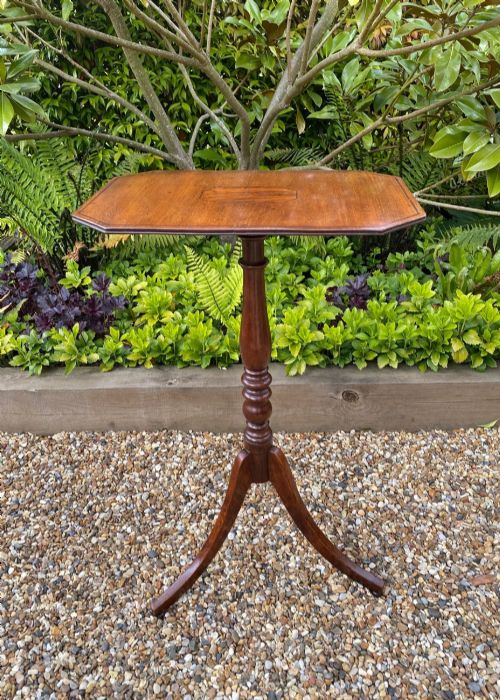
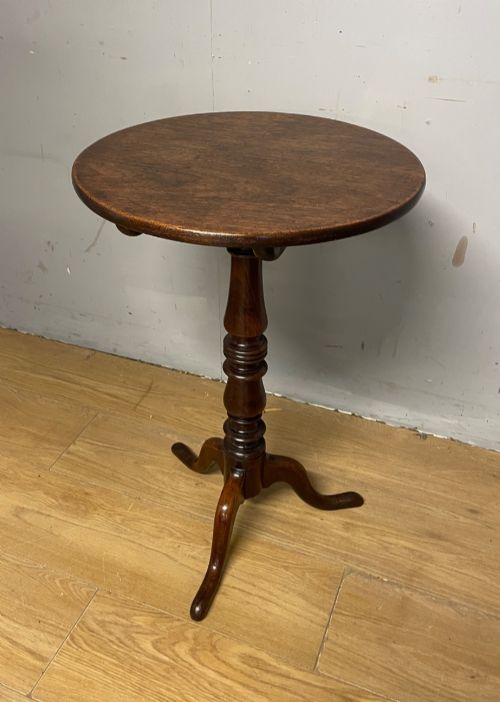
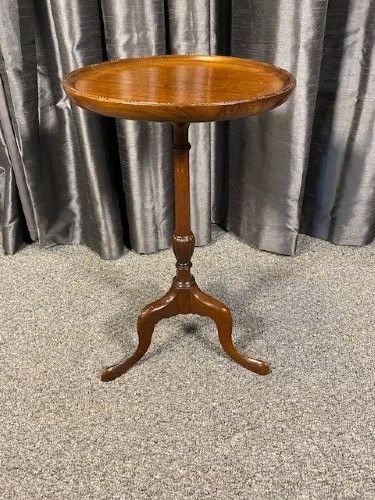
A wooden tripod candle stand brings practical height and traditional form to a corner, holding light or small objects upon three slender legs.
Wooden Tripod Candle Stand
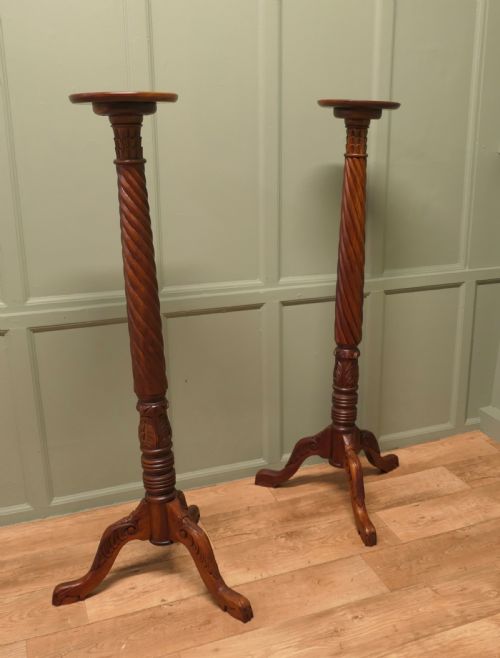
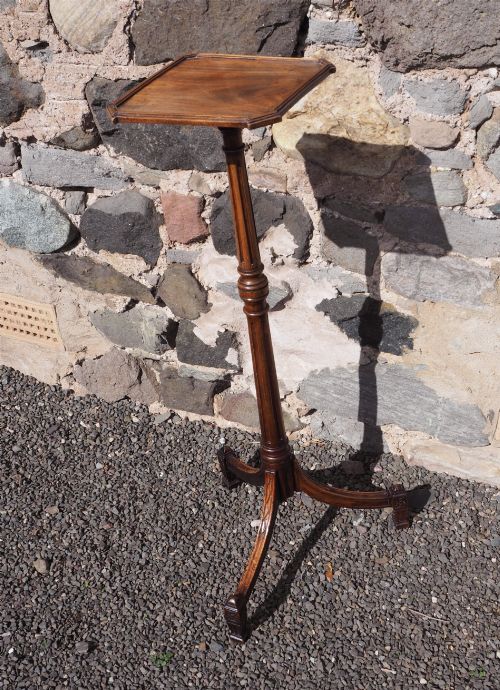
A wooden tripod candle stand appears in forms such as wine tables, torcheres, plant stands, and occasional tables designed to support illumination or small items. Buyers searching for a wooden tripod candle stand encounter pieces spanning the 18th century, Georgian, Regency, Victorian, and Edwardian periods.
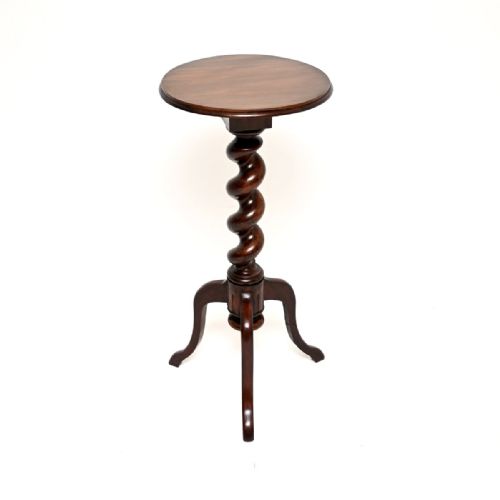
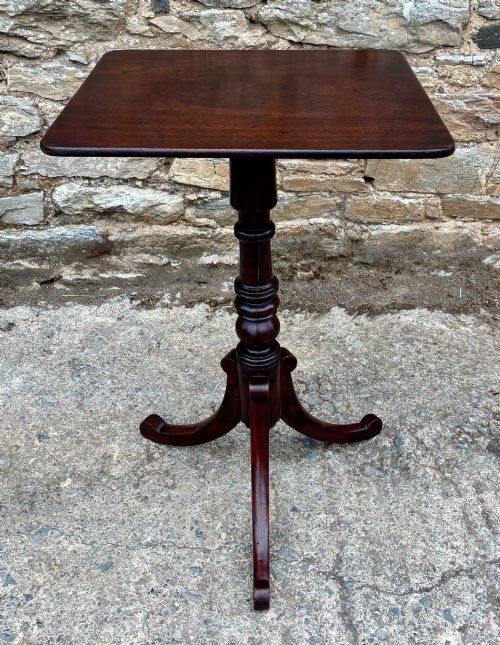
The version most commonly met on this page is the compact mahogany or walnut wine table, often featuring a tilt-top action supported by a central pillar and three legs. Oak, fruitwood, ash, and beech also appear frequently among these smaller occasional tables and tall torcheres.
Materials and construction
Cabinet makers utilised dense hardwoods like mahogany and walnut alongside regional timbers such as oak, fruitwood, cherry wood, and ash. Turning lathes shaped the central pedestals and upright shafts, while joinery techniques secured the three-legged bases for stability.
Many examples incorporate a tilting top mechanism operated by a catch, allowing the surface to fold away flat when not in use. Carved details, brass fittings, and occasional lacquered finishes complete the construction of these stands and torcheres.
Some miniature 19th-century treen items replicate full-sized furniture down to the tiny pivoting mechanism on the top.
Distinctions in quality
Quality rests in the harmony of proportions between the top, the turned column, and the spread of the tripod legs. Finer examples display crisp carving on the knees or pillar, tight joints at the base, and well-figured timber grain on the tabletop.
Simpler utility pieces prioritize plain timber surfaces and sturdy turning over decorative embellishment. The precision of the tilt-top mechanism and the weight distribution across the three feet further separate standard workshop production from accomplished cabinet work.
The Wooden Tripod Candle Stand Glossary
- Tilt-top
- A tabletop mounted on a catch and pivot block so the surface can be turned upright vertically when not in use. This clever mechanism saved floor space in smaller period rooms.
- Torchere
- A tall, slender stand designed specifically to elevate a candle or lamp above eye level. These elevated pieces often feature elaborate turned columns and small circular tops.
- Tripod base
- A support structure consisting of three distinct legs radiating from a central pillar. This three-point contact ensures steady placement on uneven historical floorboards.
- Wine table
- A small occasional table intended to hold glasses and decanters near seating areas. They share the same compact three-legged pedestal format as candle stands.
Wooden Tripod Candle Stand: Frequently Asked Questions
What is a wooden tripod candle stand?
A wooden tripod candle stand is a small piece of antique furniture featuring a central pedestal supported by three legs, topped by a compact surface originally intended for illumination or drinks.
Over time, these versatile stands assumed various roles as wine tables, plant stands, and occasional tables in period interiors.
How do I date a wooden tripod candle stand?
Dating relies on examining the timber species, the turning style of the central column, and the construction methods used on the underside of the top.
Earlier Georgian and 18th-century examples often display rich mahogany or burr oak with hand-carved details, whereas later Victorian and Edwardian pieces show machine turning or inlaid decoration.
Did they tilt the tops on these stands?
Many period stands feature a tilt-top mechanism that allowed the surface to fold vertically against the pillar when pushed aside.
This practical feature made the furniture easy to store along a wall when the candle or wine was no longer needed.
Where should I place a wooden tripod candle stand?
These compact stands suit empty corners, beside armchairs, or as elevated platforms for small plants and lamps.
Their narrow footprint makes them ideal for adding surface space to rooms without crowding the floor.