

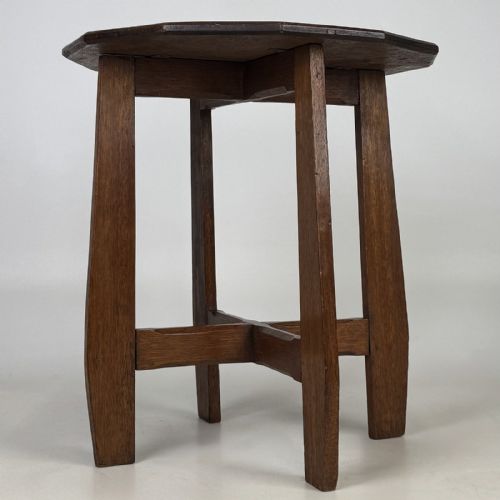
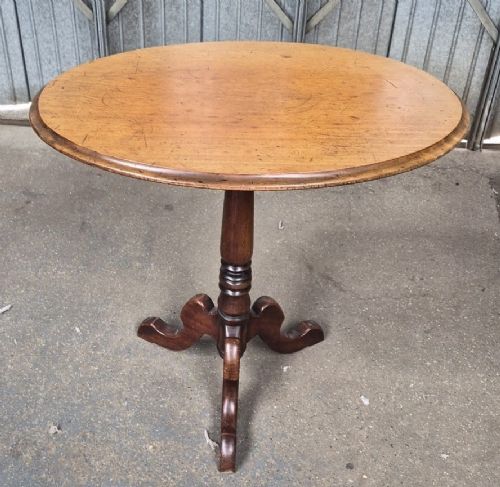
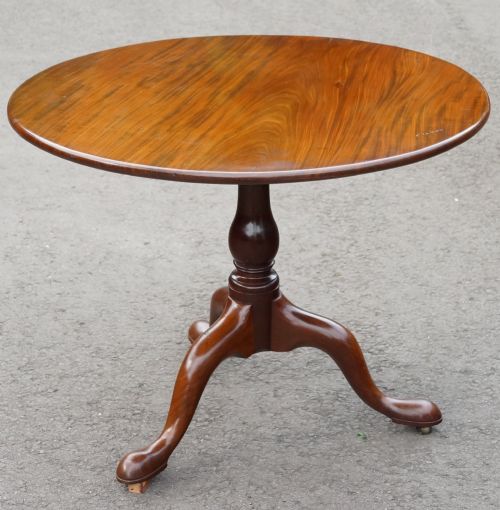
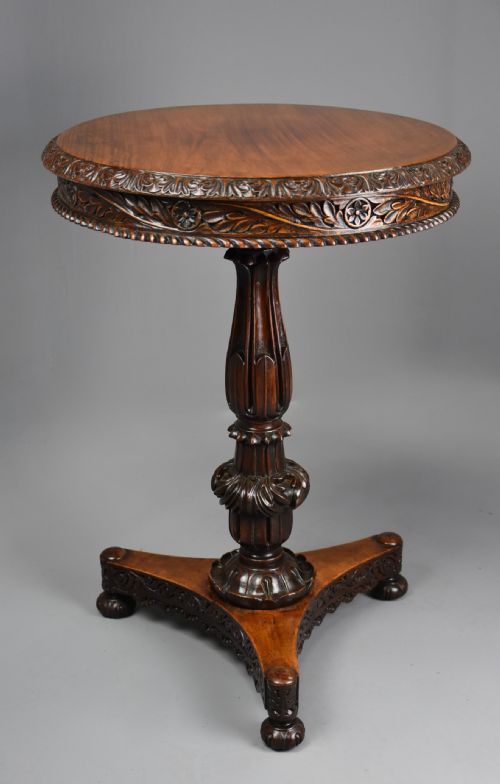
Wooden Top Accent Table
A wooden top accent table brings warmth and a steady surface to a room, ranging from simple mahogany wine tables to inlaid satinwood pieces.
Wooden Top Accent Table
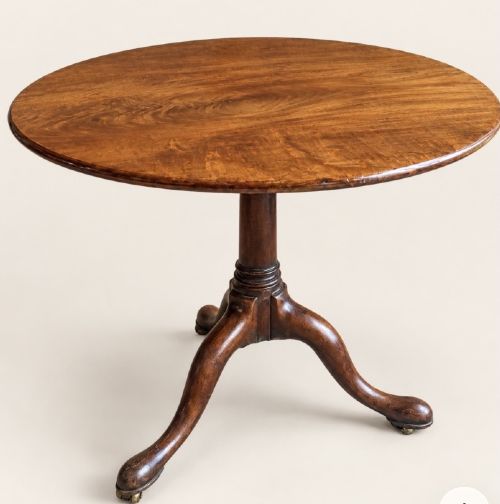
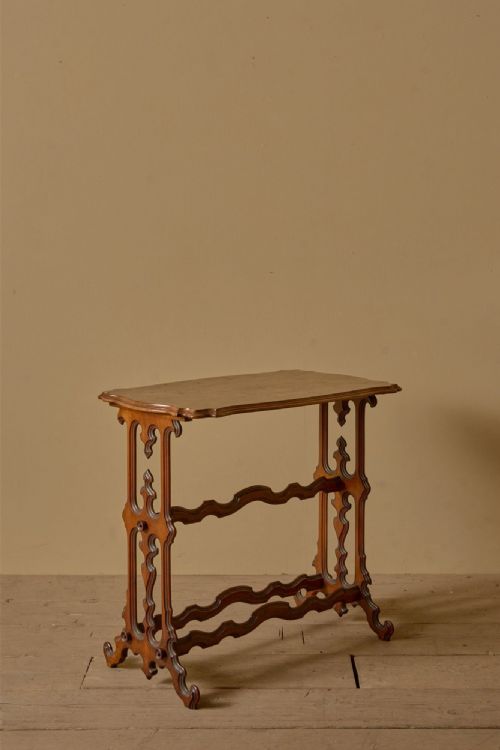
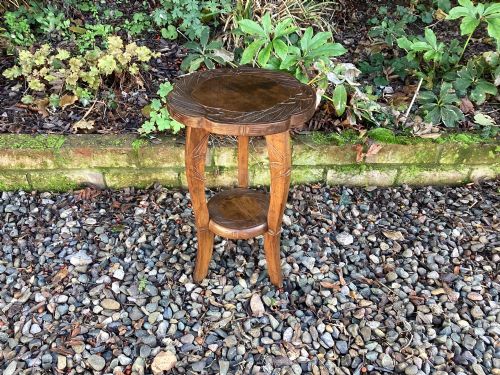
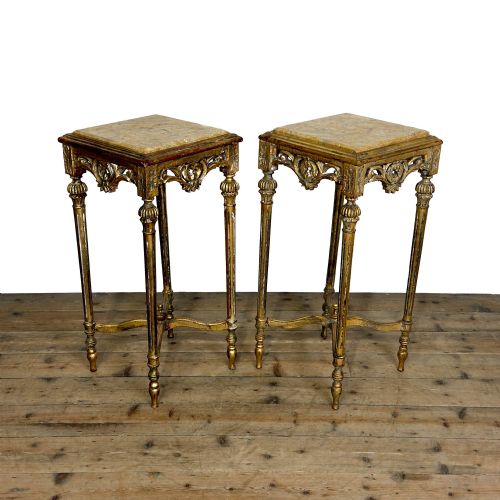
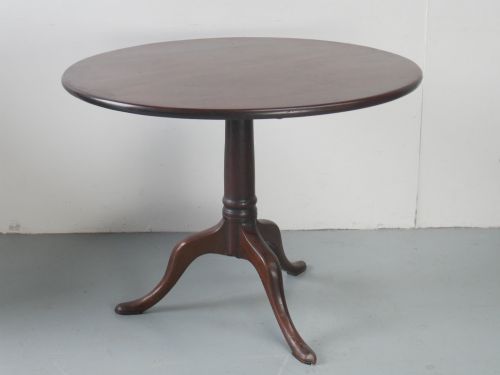
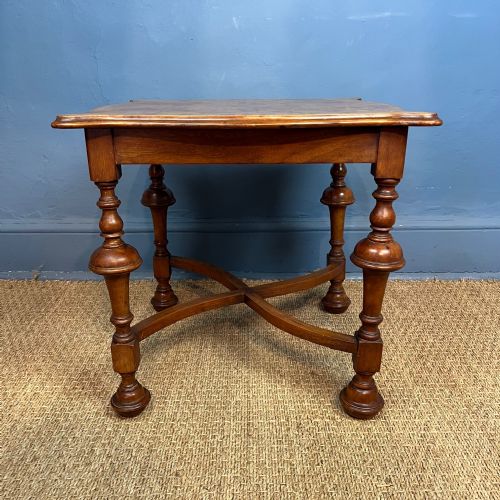
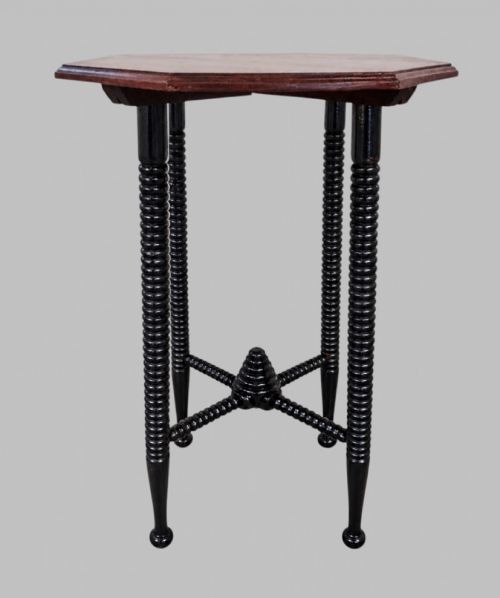
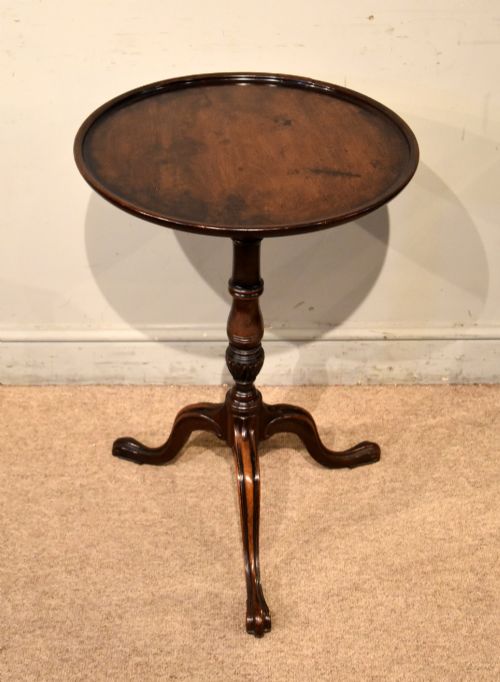
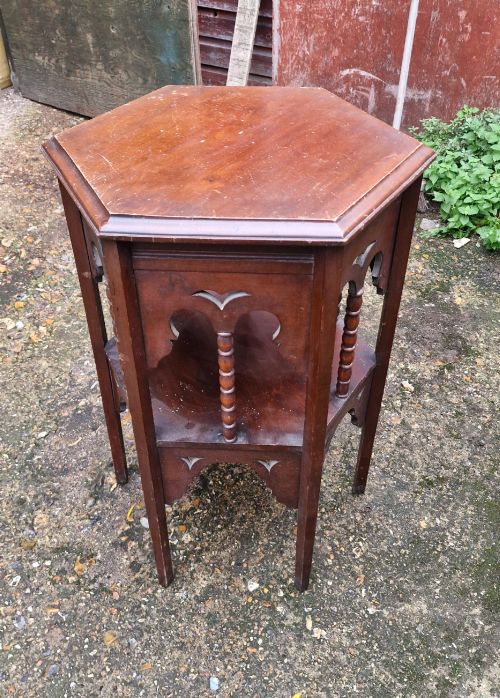
A wooden top accent table serves smaller spaces as a wine table, lamp table, coffee table, or occasional table. These pieces span the eighteenth century, the Victorian era, and the Edwardian period, drawing on Georgian, Regency, and Arts and Crafts design.
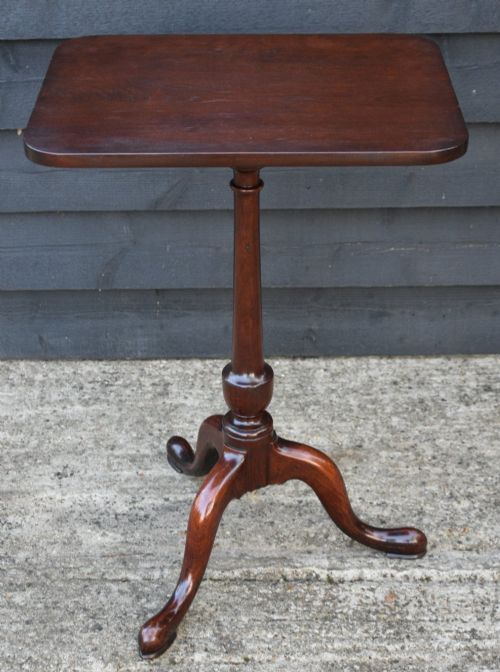
The most common forms are tripod tables with tilt tops, small side tables, and tray top tables designed for domestic use. Materials range from traditional mahogany and oak to walnut, fruitwood, and occasional marble or lacquer surfaces.
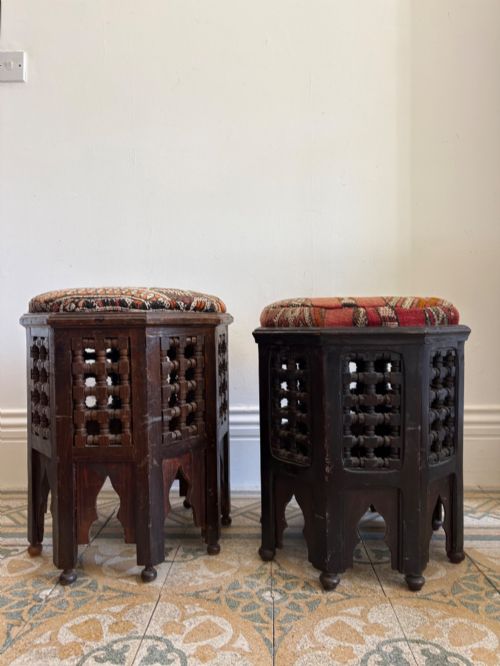
Origins include English workshops, Scottish timber, Swedish painted furniture, and Anglo-Indian production using padouk. Stools such as joint stools and Moorish octagonal examples also appear within this category.
Materials and construction
Makers utilised solid hardwoods including mahogany, oak, walnut, and fruitwood, frequently pairing turned or carved pedestals with stable timber tops. Tilt-top mechanisms allow circular table tops to fold down when not in use.
Wooden Top Accent Table Retail Price Guide 2026
Typical asking prices for wooden top accent table among the pieces listed under this phrase on Sellingantiques today, from the lower quarter to the upper quarter. They describe what is for sale here now, not the wider market.
Listings feature mahogany, oak, walnut, pine, and marble across periods spanning from the eighteenth century through the Edwardian era.
Assessing quality in construction and finish
Quality rests on the selection of timber, such as Cuban mahogany or burr walnut, and the crispness of any hand carving or satinwood inlay. The integrity of the jointing, especially on tripod bases and tilt mechanisms, determines structural stability.
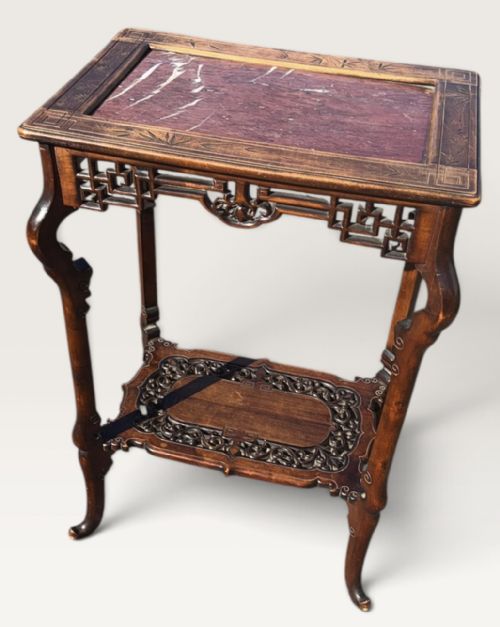
Pointers to a finer piece include original surfaces with good colour, restrained proportion, and balanced decorative details like tray tops or intricate Chinoiserie motifs.
Gabriel Viardot·Gillows·Baillie Scott·Liberty's
The Wooden Top Accent Table Glossary
- Tripod table
- A small freestanding table supported by a central pillar and three legs. These often feature tilt-top mechanisms.
- Wine table
- A compact table traditionally used for holding glassware or bottles. Most examples have circular wooden tops.
- Tray top
- A table top finished with a raised rim or edge, resembling a serving tray. This design prevents items from sliding off.
- Tilt-top
- A hinged table top that pivots to a vertical position for storage. It allows the table to sit flat against a wall when not in use.
- Padouk
- A dense tropical hardwood with a reddish hue. It appears frequently in Anglo-Indian furniture.
- Joint stool
- An early form of wooden seating joined with pegs and mortise and tenon joints. They double as low occasional surfaces.
Wooden Top Accent Table: Frequently Asked Questions
What is a wooden top accent table used for?
These tables provide a compact surface for lamps, drinks, or books beside seating. Their modest size allows them to fit easily into corners or tight spaces.
Historically, specific forms served narrow purposes, such as holding wine glasses or tea trays. Today, they function primarily as flexible decorative surfaces in living rooms and bedrooms.
What woods were used for these tables?
Mahogany is the most frequent timber found across Georgian and Victorian pieces, valued for its grain and rich colour. Oak appears in earlier pieces and Arts and Crafts designs, while walnut and fruitwood also feature prominently.
Exotic timbers like padouk and decorative veneers such as satinwood indicate higher-status commissions or specific regional origins.
How do I care for an antique wooden table?
Keep wooden surfaces away from direct sunlight and heat sources to prevent the timber from drying and splitting. Regular dusting with a soft, dry cloth preserves the finish.
Avoid using silicone sprays or harsh chemical polishes. Traditional beeswax applied sparingly helps maintain the lustre of older polished wood.