




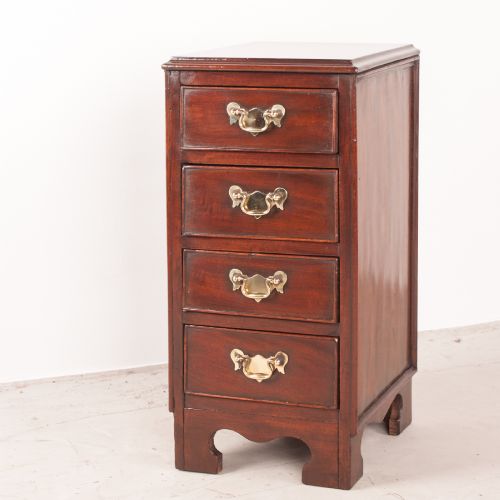
Wooden Tabletop Chest Drawers
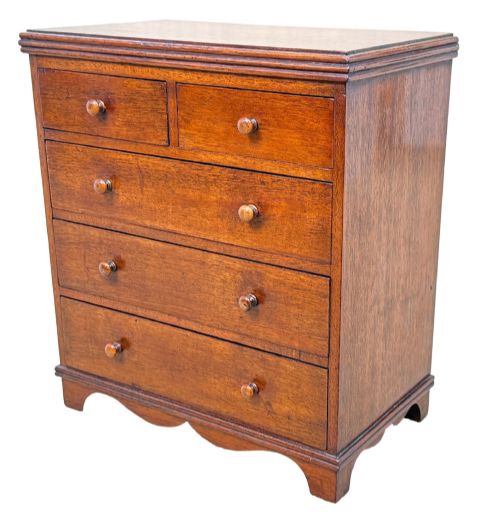
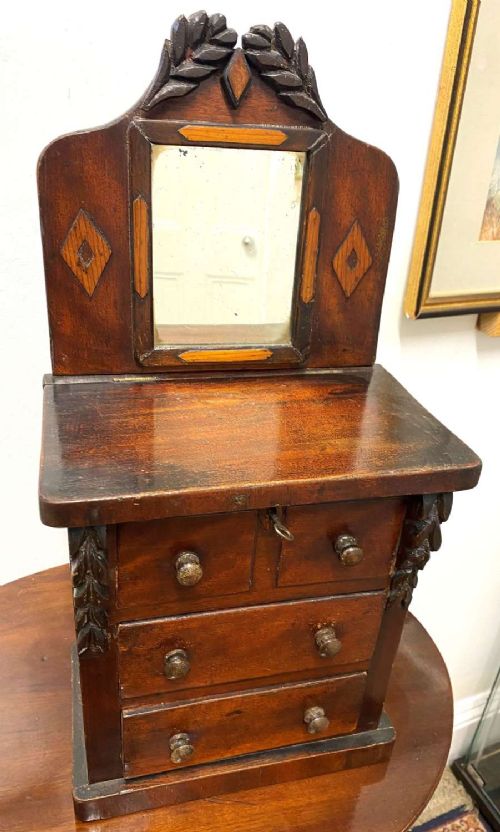
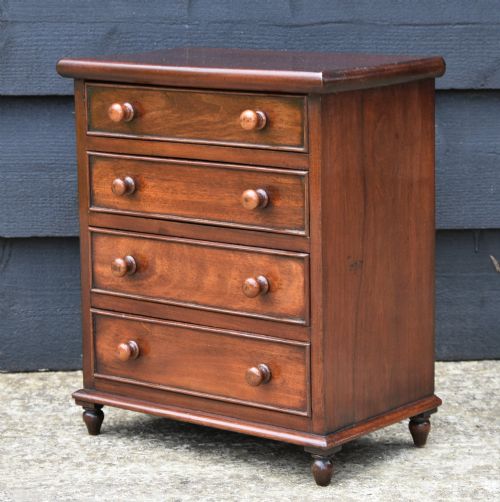
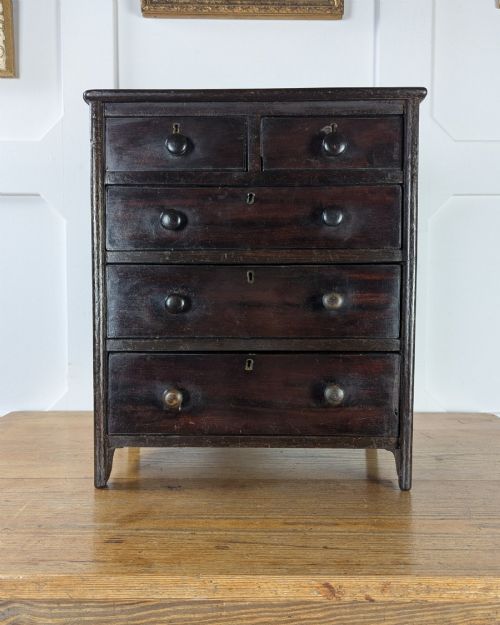
These wooden tabletop chest drawers bring compact storage and fine craftsmanship to any desk, offering miniature furniture and collectors cabinets from past centuries.
Wooden Tabletop Chest Drawers
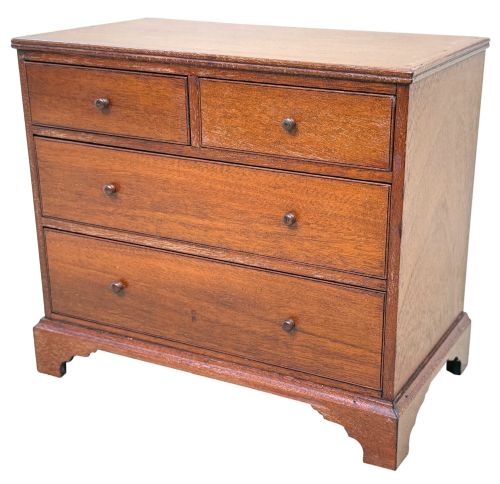
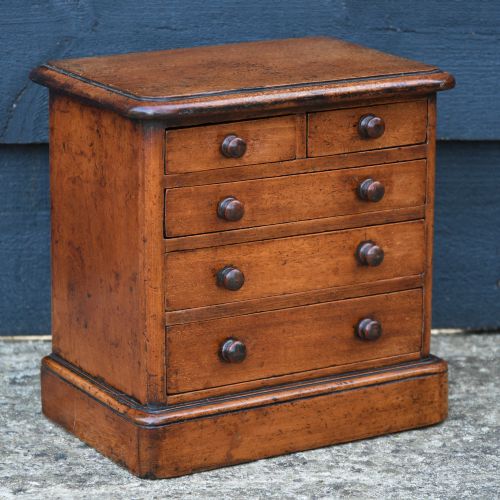
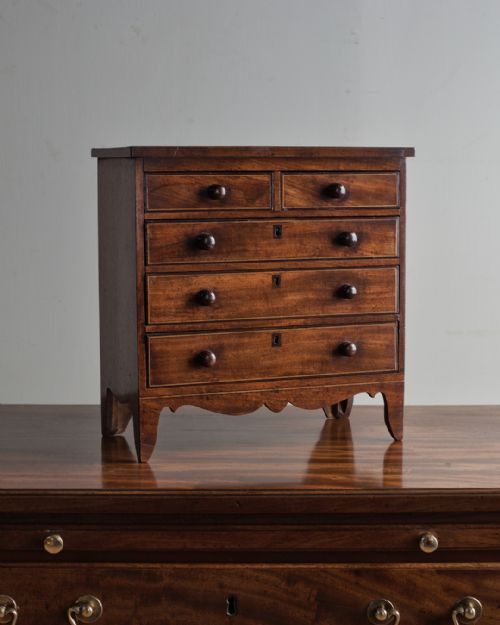
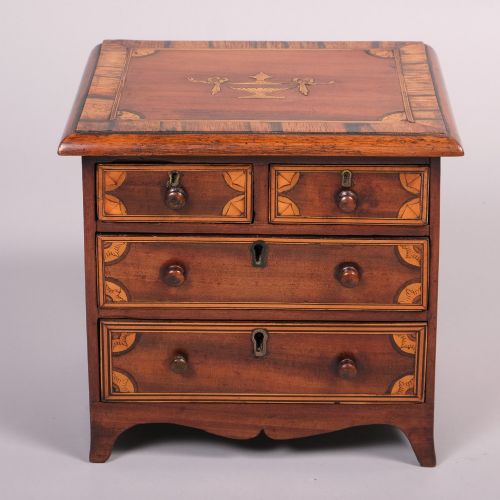
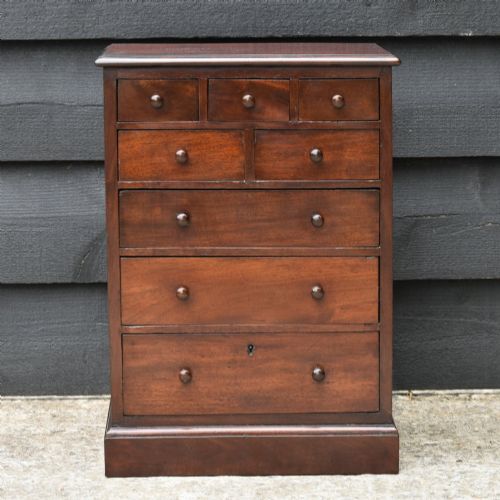
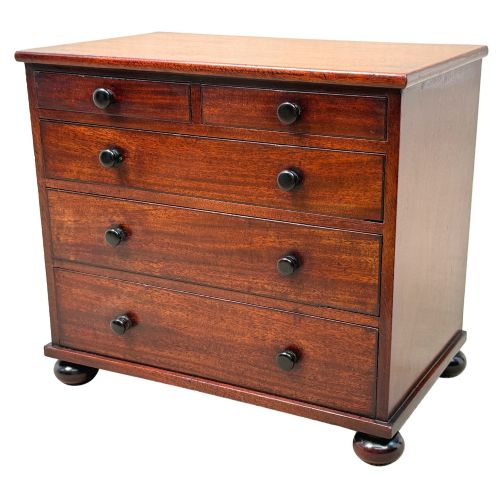
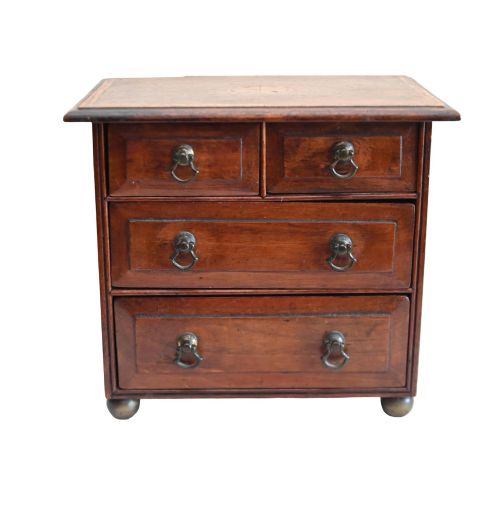
When you search for wooden tabletop chest drawers, you encounter miniature furniture, collectors cabinets, and table cabinets designed to sit on a surface rather than stand on the floor. The examples available span periods from the 18th century through the Georgian, Victorian, and Edwardian eras up to the 1920s.
You meet pieces described as apprentice pieces, spice drawers, specimen cabinets, and apothecary chests alongside standard miniature chests of drawers. These items served practical storage roles for small objects, jewellery, documents, or medical supplies in period homes and surgeries.
How they were made
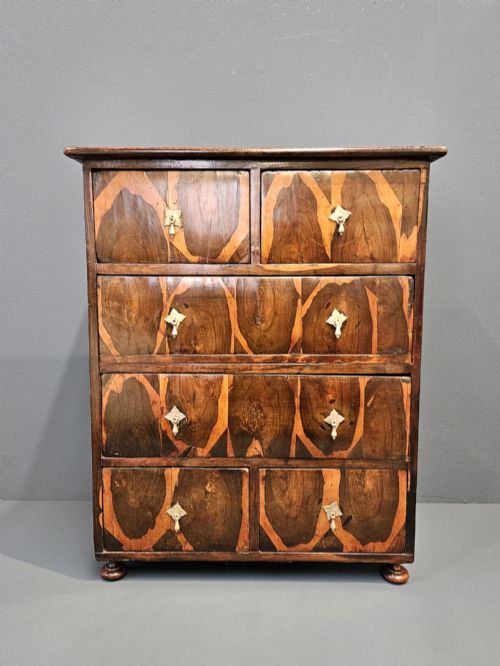
Cabinet makers utilised a range of timbers including mahogany, pine, oak, elm, walnut, fruitwood, rosewood, burr yew, and amboyna. Surfaces often display marquetry, inlaid details, or stained finishes applied to the wood.
Fittings and structural elements incorporate brass handles, glass doors or panels, iron fixings, and bone details. Construction methods reflect the prevailing cabinet-making standards of the Georgian, Victorian, and Edwardian periods.
Wooden Tabletop Chest Drawers Retail Price Guide 2026
Typical asking prices for wooden tabletop chest drawers among the pieces listed under this phrase on Sellingantiques today, from the lower quarter to the upper quarter. They describe what is for sale here now, not the wider market.
A twenty-five drawer bank originally from an Ilfracombe establishment provides extraordinary storage for the most determined collector of tiny things.
What varies in quality
Quality depends upon the choice of timber and the precision of the cabinet work, with figured woods like burr walnut, amboyna, and rosewood marking out finer examples. The complexity of the drawer configuration, such as multi-drawer banks or secret compartments, influences the character of the piece.
The integrity of the original hardware, including brass pulls and locks with operational keys, separates standard utility items from superior collector pieces. Finer items exhibit careful parquetry, marquetry, or precise wood grain matching across the drawer fronts.
Luxmore's of Ilfracombe
The Wooden Tabletop Chest Drawers Glossary
- Apprentice piece
- A small item of furniture demonstrated by a craftsman to prove skill before gaining guild membership. These items replicate full-scale furniture in miniature.
- Collector cabinet
- A specialised piece containing multiple small drawers designed for storing specimens, coins, or slides. They often feature locking doors to protect the contents.
- Marquetry
- Decorative woodwork where pieces of veneer are fitted into a design on a structural panel. It appears on cabinet fronts and tabletops.
- Wellington chest
- A tall narrow chest of drawers secured by a hinged locking side stile that fastens over the drawer edges. This form appears in nineteenth-century examples.
- Specimen cabinet
- A drawer unit built to house natural history collections or botanical samples. These cabinets utilise tight-fitting drawers to keep out dust and light.
Wooden Tabletop Chest Drawers: Frequently Asked Questions
What were wooden tabletop chest drawers used for?
These small chests served various domestic and professional storage needs on a desk or table. People kept medical supplies, spices, jewellery, documents, and natural history specimens inside them.
Craftsmen also produced miniature versions to demonstrate proficiency in furniture construction. Collectors utilised them to organise small valuable items securely.
Are apprentice pieces genuine antiques?
Many small chests described as apprentice pieces date from the 18th and 19th centuries. They represent authentic period cabinet work executed on a reduced scale.
Attribution requires examining the dovetail joints, timber shrinkage, and wear patterns consistent with genuine historical use.
How do I care for antique wooden tabletop chests?
Keep wooden chests away from direct heat sources and strong sunlight to prevent the timber and veneer from splitting. Maintain a stable room humidity.
Apply traditional wax polish occasionally to nourish the wood surface and preserve the historic patina without using modern chemical sprays.