
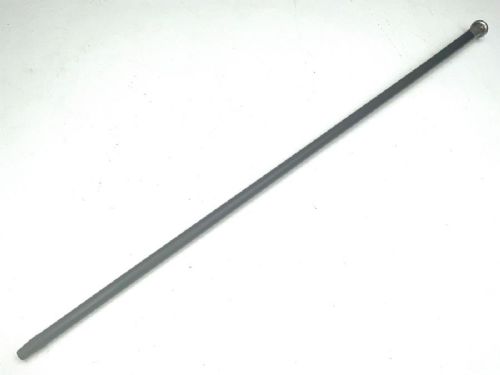
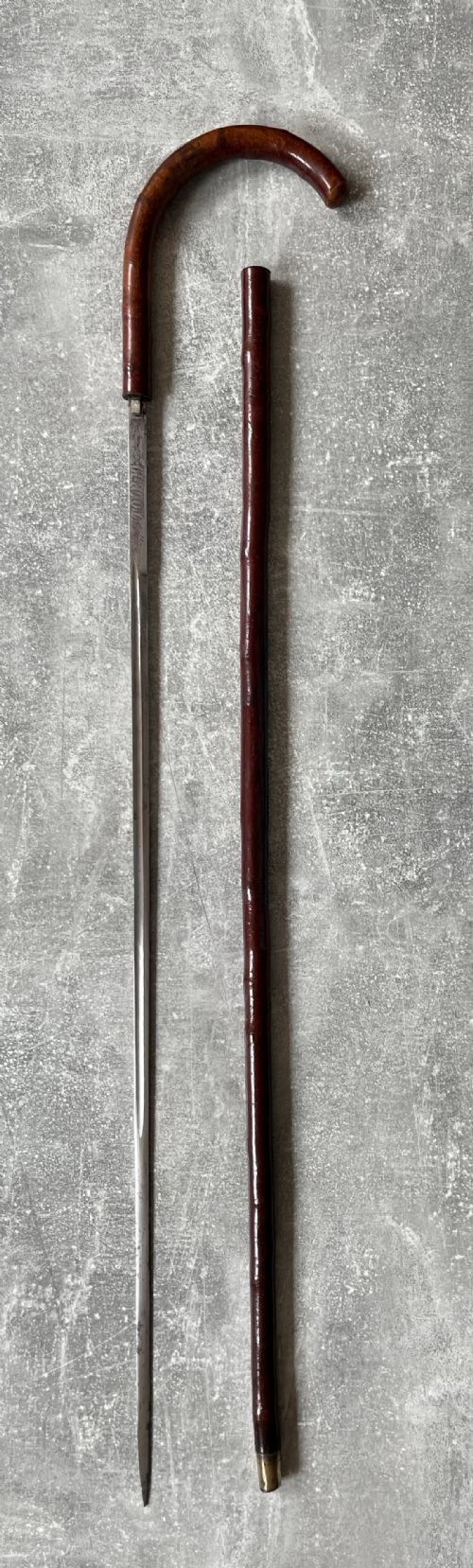
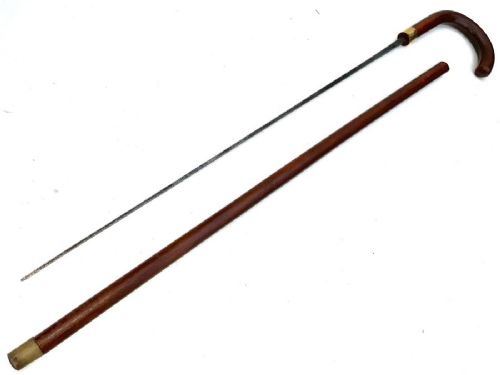
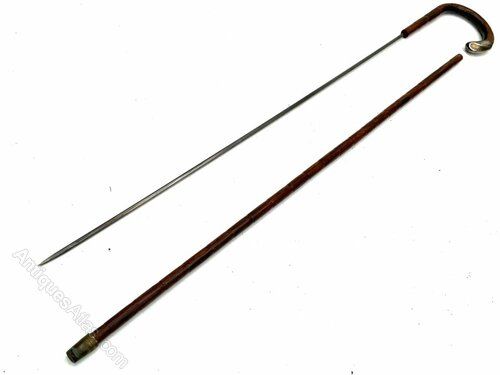


Wooden Sword Walking Stick
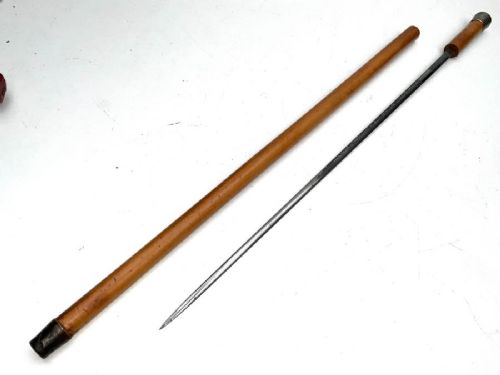
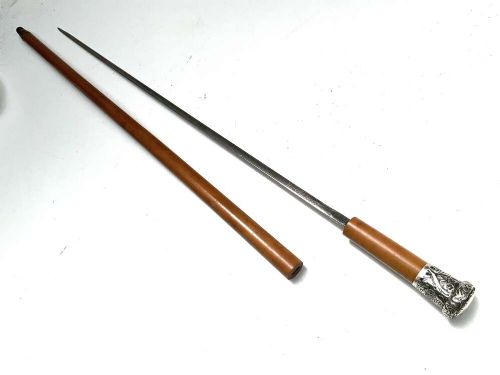
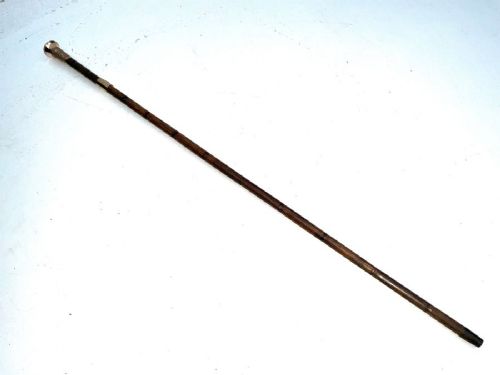
These wooden sword walking stick examples combine concealed steel blades with traditional timber shafts for discreet personal defence and gentlemanly carriage.

Wooden Sword Walking Stick
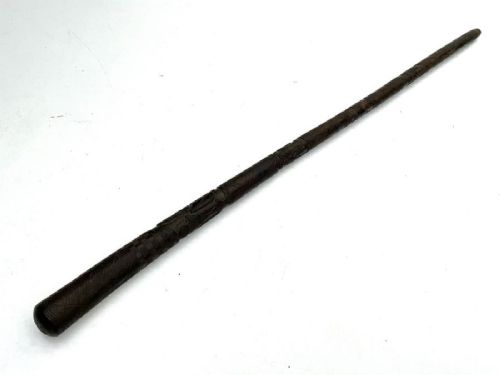
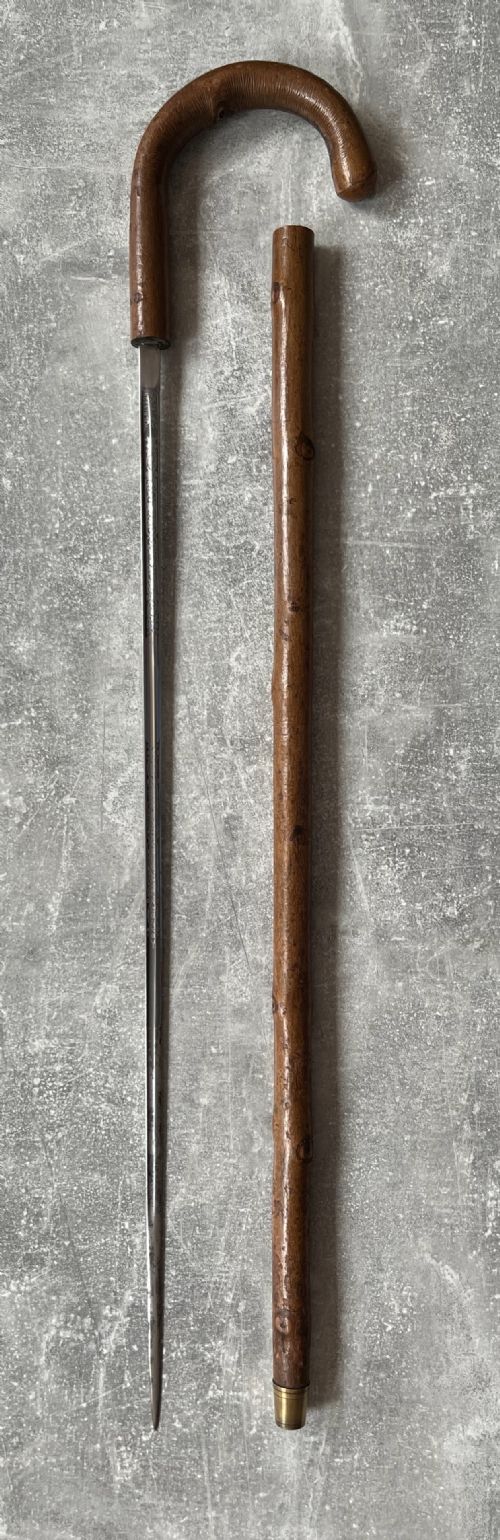
A wooden sword walking stick serves as a dual-purpose accessory, combining the appearance of a standard walking cane with a concealed bladed weapon inside the shaft. You will frequently encounter specimens originating from the Victorian and Edwardian periods, spanning the late nineteenth and early twentieth centuries.
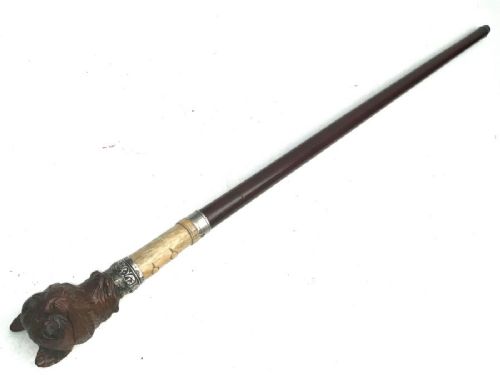
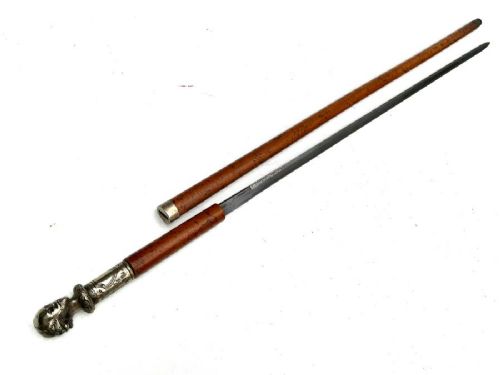
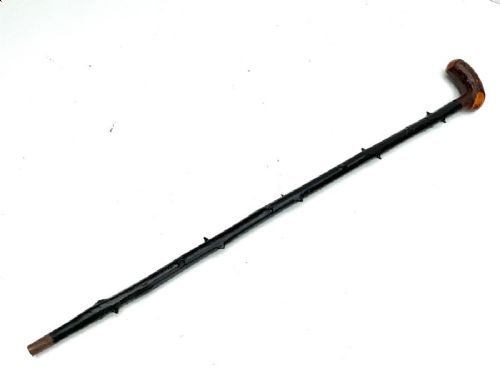
Common regional styles include traditional Irish blackthorn shafts, Japanese masters bokken sticks, and military officers' swagger sticks or pattern service pieces. Handles vary widely from simple crook shapes and root ends to horned, antler, or novel designs fitted with silver collars.
Materials and construction
The shafts are turned from dense timbers such as cherrywood, partridge wood, hazel, malacca, rosewood, and blackthorn wood, occasionally incorporating horn, bone, or brass mounts. These natural woods are fitted with metal collars, often in silver, to secure the join beneath the handle.
The concealed blades are forged from steel, frequently featuring specialised makers such as Wilkinson or Toledo blades housed securely within the wooden channel.
Listings feature pieces spanning the late nineteenth century through the 1920s, utilising materials including steel, silver, brass, horn, bone, and blackthorn wood.
Judging quality in a wooden sword walking stick
The distinction between tiers rests upon the precision of the join between the handle and the shaft, where a superior piece maintains a seamless, flush closure when locked. Lesser examples show loose fittings or rattling internal blades that betray the concealed mechanism.
Blade provenance elevates an item significantly, particularly when fitted with signed steel from recognised centres like Toledo or makers such as Wilkinson rather than unbranded utility metal. The choice of shaft timber, from standard hardwoods to figured partridge wood or silver-collared malacca, further separates standard production from high-grade gentleman's gear.
The Wooden Sword Walking Stick Glossary
- Bokken
- A traditional Japanese wooden sword used for training, sometimes adapted into walking stick formats. This form reflects martial utility rather than standard European gentleman's attire.
- Swagger stick
- A short, slender stick carried by military officers as a symbol of authority. In this selection, certain variants conceal functional blades beneath the conventional exterior.
- Partridge wood
- A dense, tropical timber characterised by partridge-feather patterning, utilised for turned walking stick shafts. It provides both weight and decorative appeal for upper-class accessories.
- Collar
- A metal band, often fabricated from silver or brass, fitted around the top of the wooden shaft just below the handle. This reinforcement prevents the wood from splitting under tension.
- Toledo blade
- A steel blade produced in Toledo, Spain, renowned for quality metalwork and historic sword manufacturing. Encountering this signature on an internal blade denotes superior execution.
Wooden Sword Walking Stick: Frequently Asked Questions
How do you release the hidden blade?
Most concealed mechanisms rely on a screw thread, a push-button release, or a simple friction catch hidden beneath the handle of the cane. Twisting or pulling the handle sharply separates the grip from the wooden scabbard housing.
Owners should inspect the collar junction carefully to understand the specific locking mechanism used by the maker without forcing the brass or silver fittings.
Were these used by military officers?
Military officers frequently carried swagger sticks and specialised service walking sticks during the Victorian and Edwardian eras. Certain examples incorporate regimental markings, such as battalion designations, alongside concealed blades.
These pieces served as badges of rank and functional personal protection for officers stationed abroad or off duty.
What woods are most common?
Makers utilised a variety of sturdy timbers including malacca, hazel, cherrywood, partridge wood, rosewood, and Irish blackthorn. Malacca and blackthorn remain particularly prevalent among surviving examples from the nineteenth century.
Each timber offers distinct weight and grain characteristics, influencing the overall balance and feel of the stick in hand.
How should I date my stick?
Dating relies upon stylistic markers, hallmarked silver collars indicating assay offices and years like 1919, and associated military history references. Victorian and Edwardian examples dominate the available styles from the late 1800s through the early 1920s.
Examining the blade style and handle configuration alongside any inscribed initials or regimental details helps narrow the period of manufacture.