


Gentlemans Sword Cane
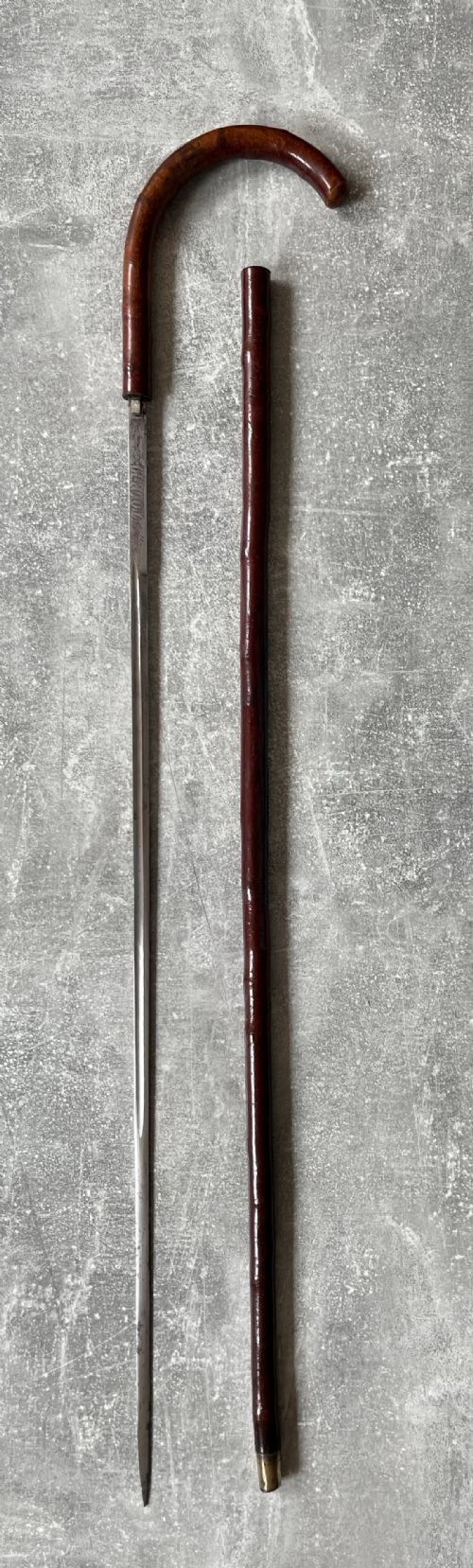
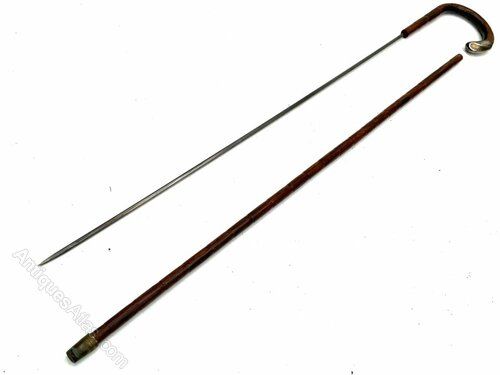
A gentlemans sword cane is a discreet personal defence weapon hidden inside a standard walking stick, combining utility with concealed steel.

Gentlemans Sword Cane
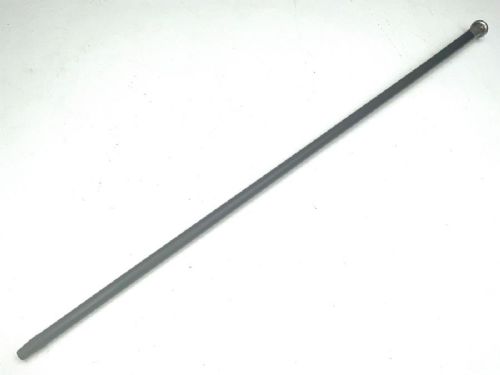
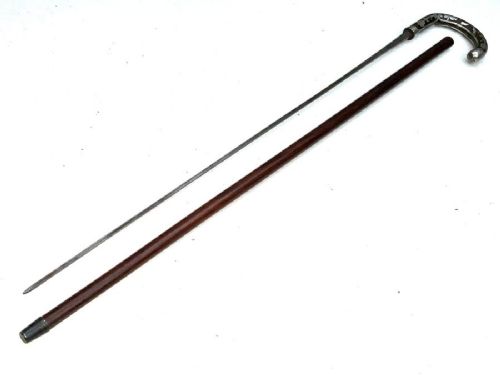
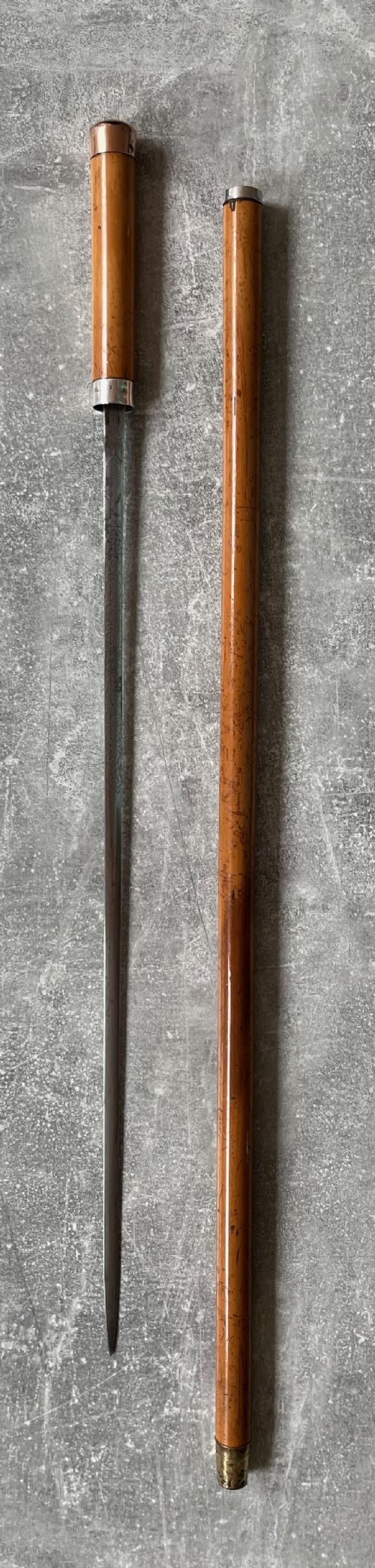
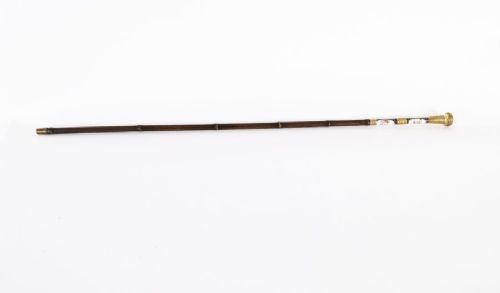
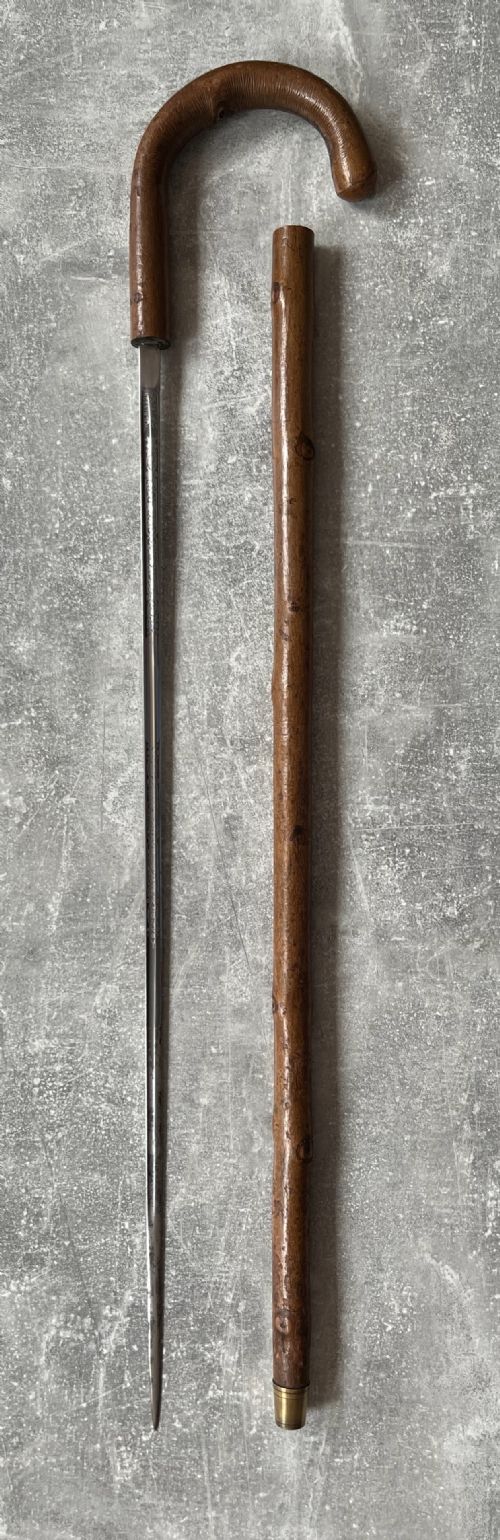
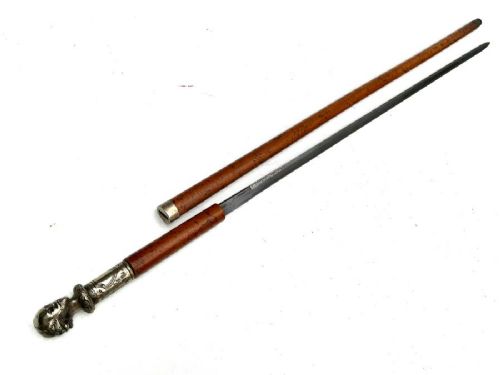
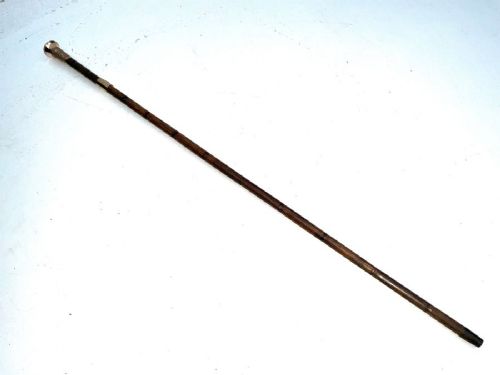
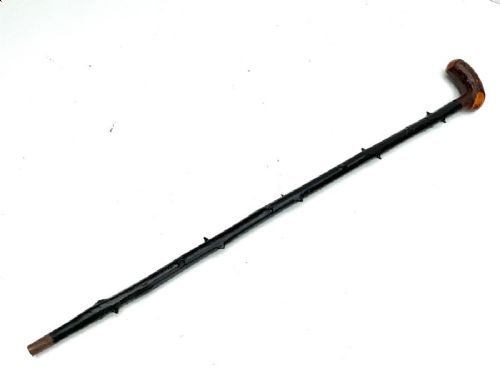
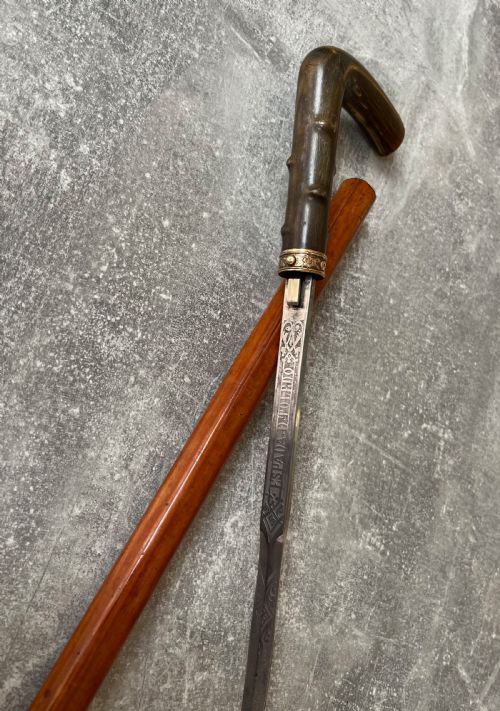
A gentlemans sword cane usually appears as a traditional walking stick fitted with a concealed internal blade, originating primarily from the Victorian and Edwardian eras through the early twentieth century.
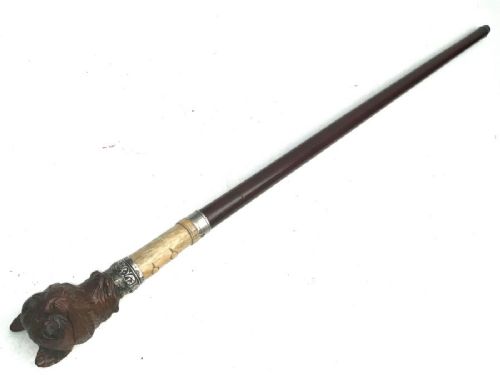
Makers fashioned these walking sticks from woods such as malacca, partridge wood, cherrywood, hazel, and rosewood, often incorporating novel handles, silver collars, and specialised locking buttons.
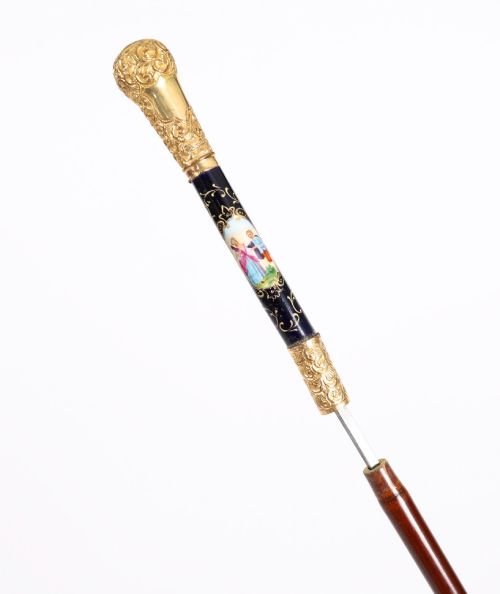
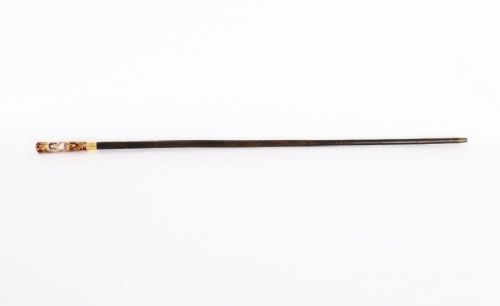
Examples on this page span the late nineteenth century and the decades leading up to nineteen twenty, featuring French ceramic elements, military associations, and traditional Irish blackthorn forms.
Materials and construction
Craftsmen built these canes using rigid natural timbers for the shaft, paired with steel blades sourced from renowned manufacturers or fitted with etched Toledo steel.
Mounts and handles frequently incorporate silver, gold plate, brass, horn, bone, and porcelain, secured with metal collars and button release mechanisms.
Current listings feature steel, wood, silver, brass, horn, malacca cane, and porcelain across Victorian and Edwardian periods.
Craftsmanship and distinction
Quality rests on the integrity of the hidden blade, the precision of the button release mechanism, and the matching fit between the wooden shaft and the handle.
Superior examples combine signed maker blades, such as Wilkinson, with precious metal mounts, detailed porcelain handles, and robust native timber shafts.
Brigg·Wilkinson
The Gentlemans Sword Cane Glossary
- Malacca Cane
- A sturdy rattan timber featuring distinctive mottled brown markings, frequently utilised for quality walking sticks and sword canes.
- Toledo Blade
- A high-quality steel blade originating from Toledo, Spain, known for flexibility and strength.
- Knop
- A rounded handle or ornamental knob at the top of a walking stick.
- Collar
- A metal band, often silver or brass, fitted around the upper shaft just below the handle.
Gentlemans Sword Cane: Frequently Asked Questions
How do you release the blade?
Most pieces utilise a concealed button release mechanism located near the collar to unlock the internal steel blade from the wooden scabbard.
Pulling the handle straight out reveals the hidden sword while keeping the main shaft intact as a handle.
What woods were used for shafts?
Common timbers include malacca cane, partridge wood, hazel, cherrywood, rosewood, and chestnut, alongside traditional Irish blackthorn.
Certain pieces also feature leather-covered wooden shafts or segmented root ball handles.
How do you date a sword cane?
Dating relies on hallmarks on silver mounts, the style of the handle, and manufacturing details recorded from the Victorian and Edwardian periods.
Blade etchings and maker stamps also help pinpoint the era of production.
Are blades usually marked?
Certain blades bear maker signatures or regional names, such as Wilkinson or Toledo.
Unmarked blades remain common, though etched decorations often appear on mid-range and higher-tier examples.