

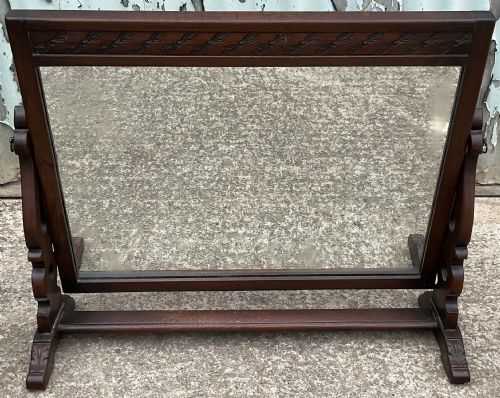
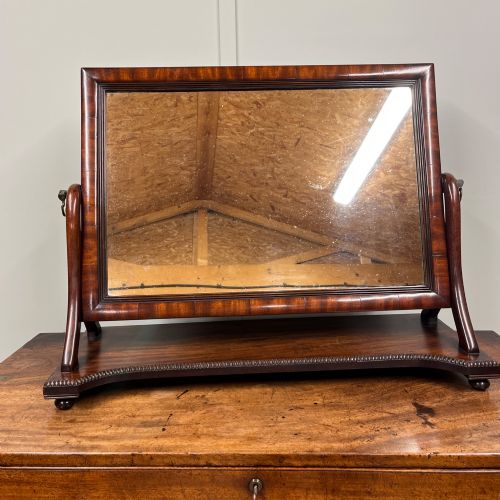

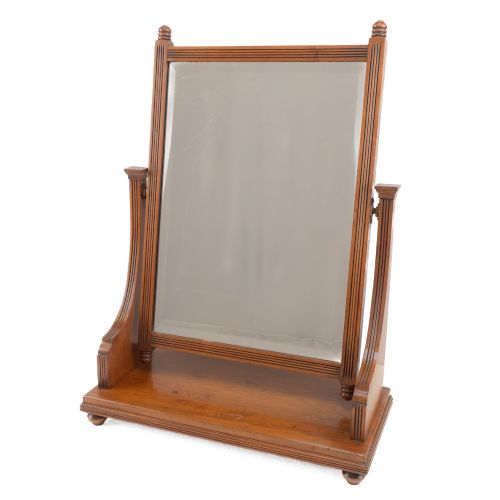
Wooden Swivelling Mirror
A wooden swivelling mirror brings functional elegance to a dressing space, pivoting smoothly to catch the light from every angle.
Wooden Swivelling Mirror
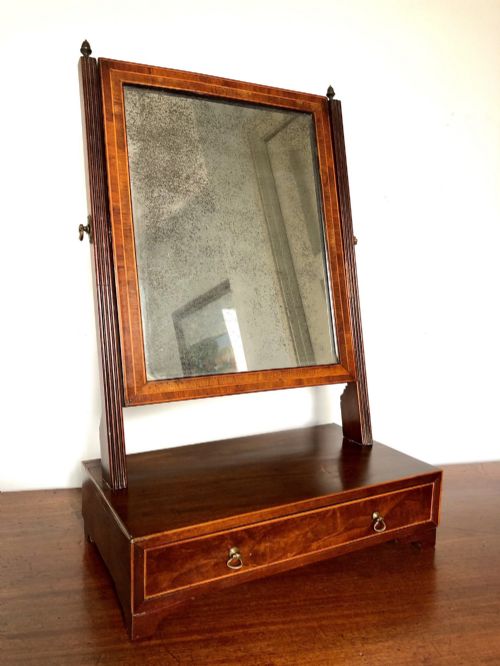
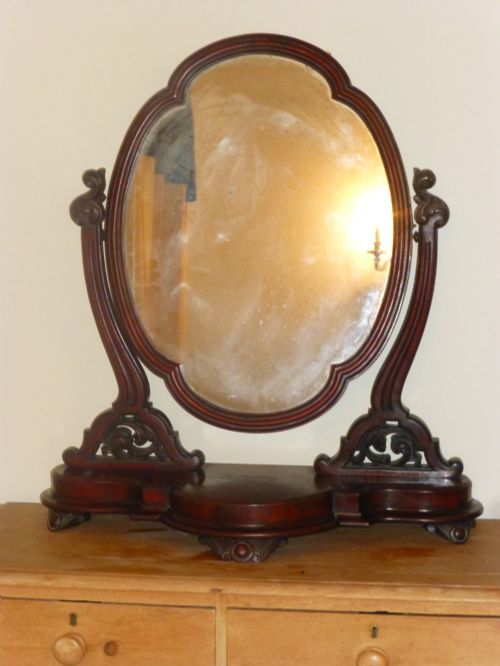
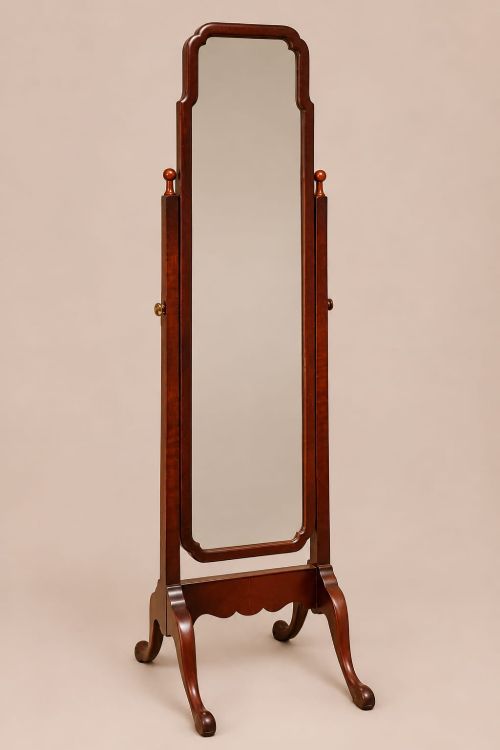
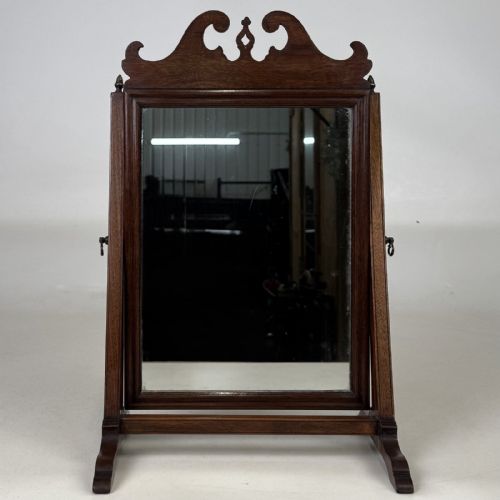
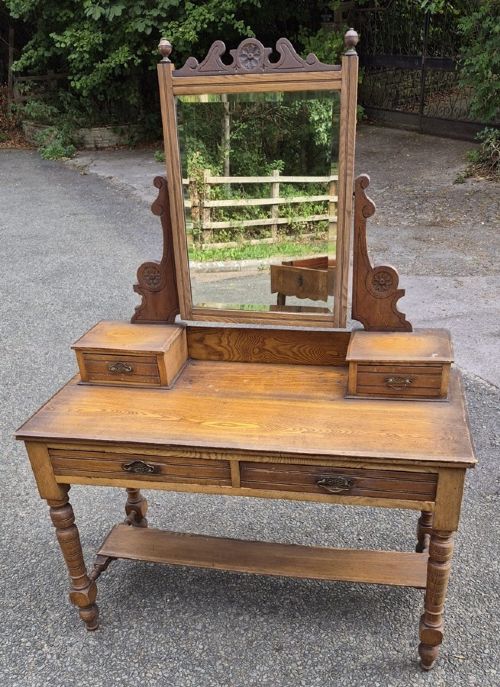
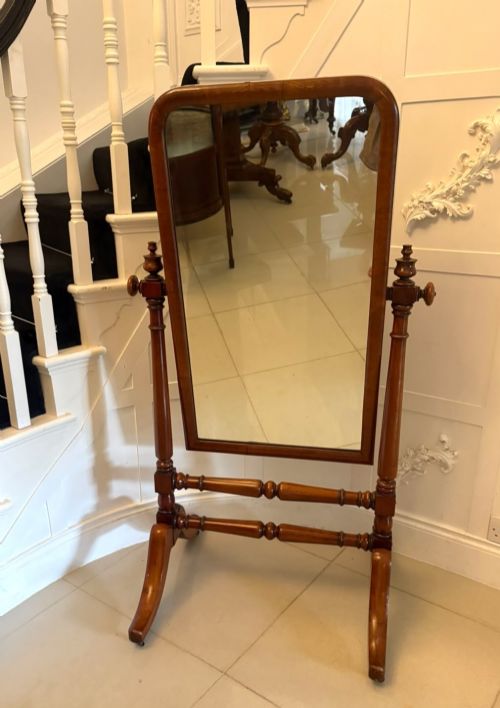
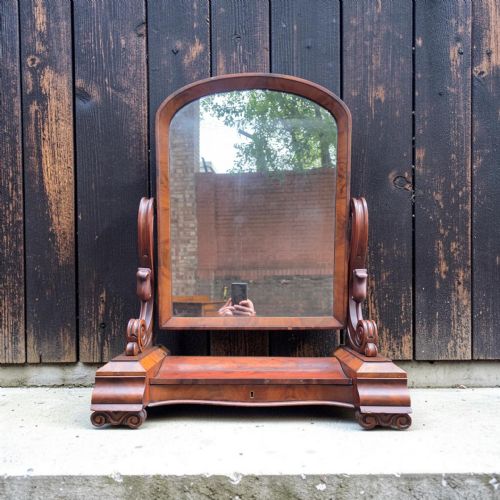
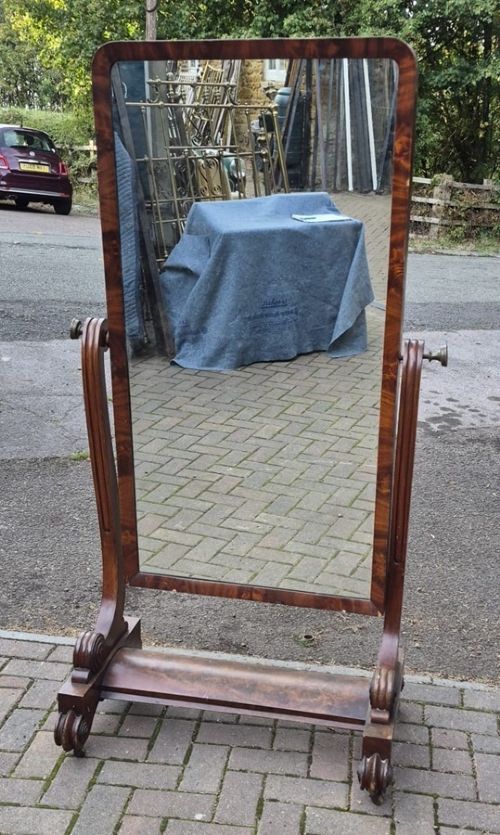
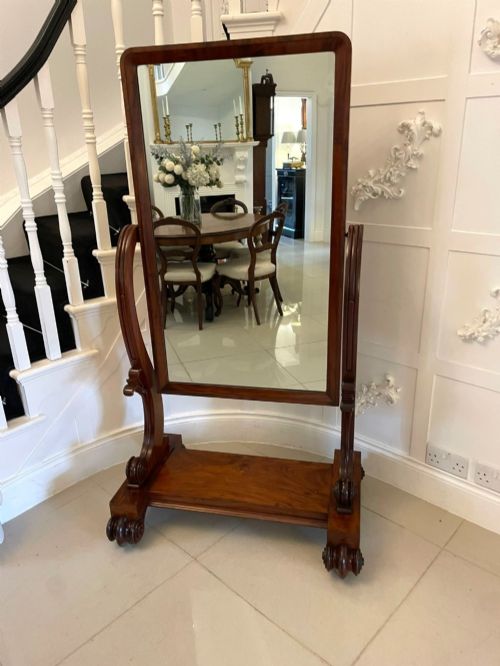
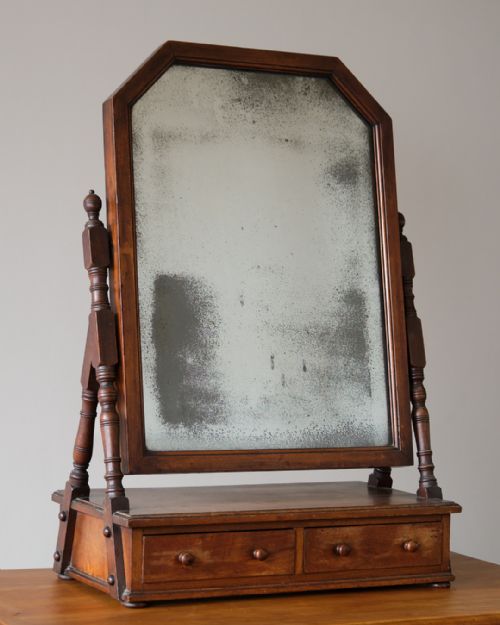
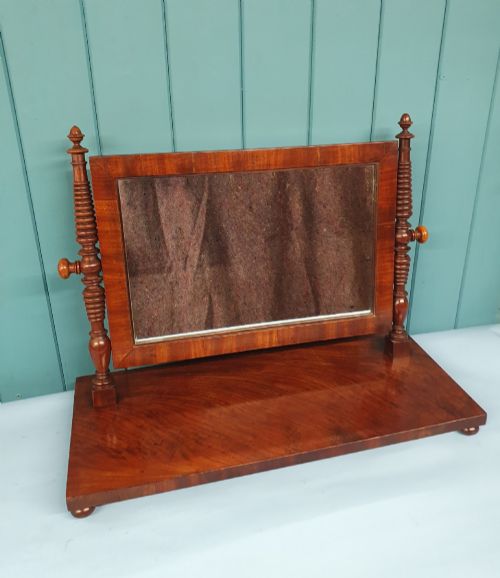
A wooden swivelling mirror serves as a practical dressing accessory, appearing on this page in forms ranging from compact table-top toilet mirrors to full-length freestanding cheval pieces. Buyers encounter various iterations designed for specific domestic spaces, such as small swing mirrors meant for chest tops and large floor-standing designs.
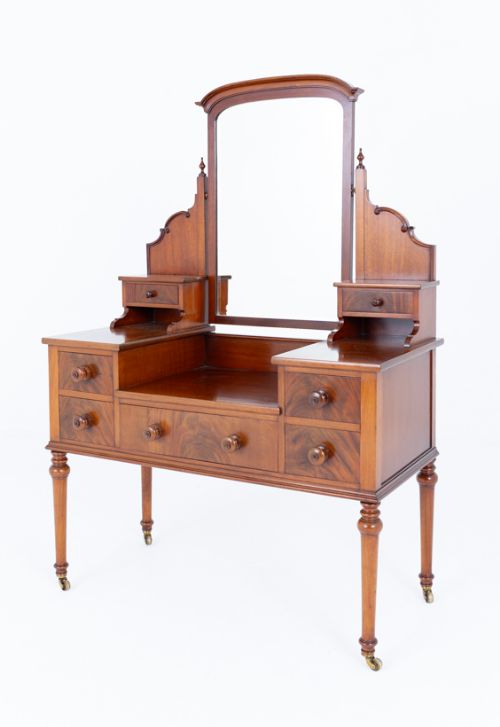
The selections span distinct historical eras, with Victorian and Georgian pieces forming a substantial portion of the available inventory alongside Edwardian and later 20th-century examples. These mirrors often accompany dressing tables or stand independently as decorative items in bedrooms and halls.
Craftsmen built these pivoting glasses using traditional timbers, shaping them into styles that reflect the aesthetic preferences of their respective decades, including Regency, Arts and Crafts, and Victorian Gothic designs.
Indicators of Quality
The selection of timber grain heavily dictates the refinement of a piece, with figured veneers like burr walnut or carefully chosen mahogany representing higher levels of craftsmanship. Subtle decorative elements such as ebony inlay or carved supports distinguish finer examples from plain utility items.
Structural stability in the pivoting mechanism and upright supports ensures the glass remains at the desired angle without slipping. The integrity of the original mirror glass and the precision of the joinery further separate standard workshop output from exceptional cabinetwork.
Wooden Swivelling Mirror Retail Price Guide 2026
Typical asking prices for wooden swivelling mirror among the pieces listed under this phrase on Sellingantiques today, from the lower quarter to the upper quarter. They describe what is for sale here now, not the wider market.
Listings feature woods like mahogany, walnut, oak, and satin birch across Victorian, Georgian, and Edwardian periods.
Heal And Sons
The Wooden Swivelling Mirror Glossary
- Cheval Mirror
- A tall freestanding mirror supported by a frame that allows the glass to swing vertically between two upright pillars. These large pieces typically stand directly on the floor.
- Toilet Mirror
- A smaller dressing mirror designed to sit atop a table, chest of drawers, or vanity. They frequently incorporate small drawers in their base stands.
- Swing Mirror
- An alternative term for any pivoting mirror mounted on frame supports that allow the glass angle to be adjusted. The mechanism relies on lateral pivots.
- Barley Twist
- A carved wooden support shaped in a continuous spiral resembling a twisted rope. This decorative turning appears frequently on Victorian mirror frames and stands.
- Satin Birch
- A pale, lustrous hardwood utilised for cabinetwork and decorative furniture surfaces. Its distinctive grain offers a lighter tone compared to mahogany or walnut.
Wooden Swivelling Mirror: Frequently Asked Questions
Where should I place a wooden swivelling mirror?
These mirrors suit bedrooms and dressing rooms well, placed securely on sturdy chests of drawers, dressing tables, or directly on the floor in the case of larger cheval designs.
Ensure the surface supports the weight evenly and allows sufficient clearance for the frame to tilt without obstruction.
How do I adjust the tension on a swivel mirror?
Most pivoting mirrors feature screw caps or tension nuts integrated into the side pivot mounts connecting the frame to the upright supports.
Adjusting these fittings carefully alters the resistance, preventing the glass from drooping forward while allowing smooth manual tilting.
Are table top mirrors removable from their stands?
Table top and toilet mirrors are generally constructed as integrated units where the glass frame stays permanently attached to the base structure via side pivots.
Disassembly is rarely required for daily use, though the glass and frame can sometimes be lifted clear of the uprights by loosening the mounting hardware.
How do I clean and maintain the wooden frame?
Dust the timber regularly with a soft, dry cloth and apply occasional treatments of appropriate furniture wax to nourish the grain and preserve the finish.
Avoid using harsh chemical sprays or excessive moisture on both the wood and the mirror glass to protect antique surfaces.