

Wooden Storage Stand
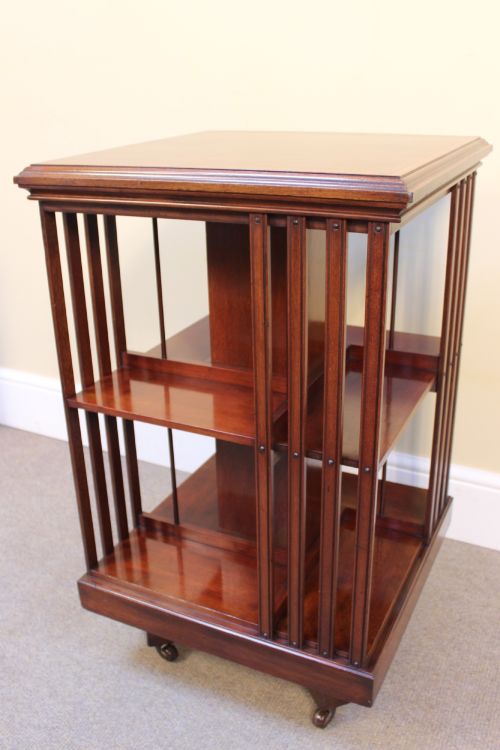
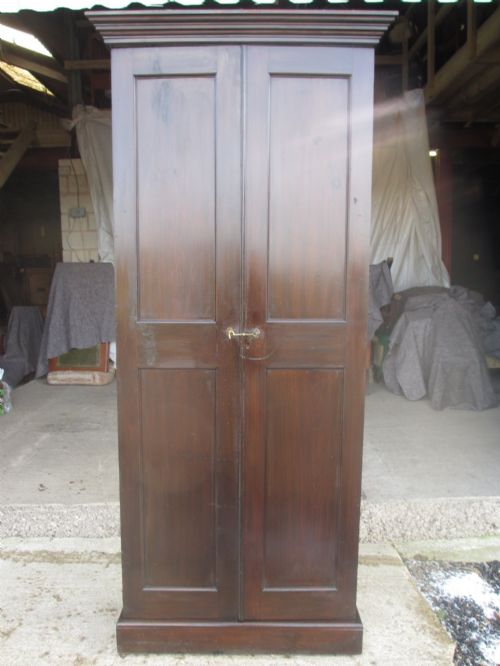
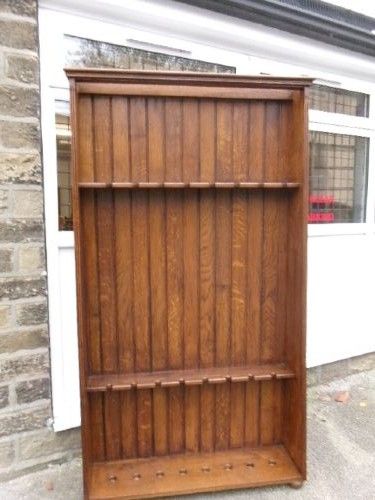
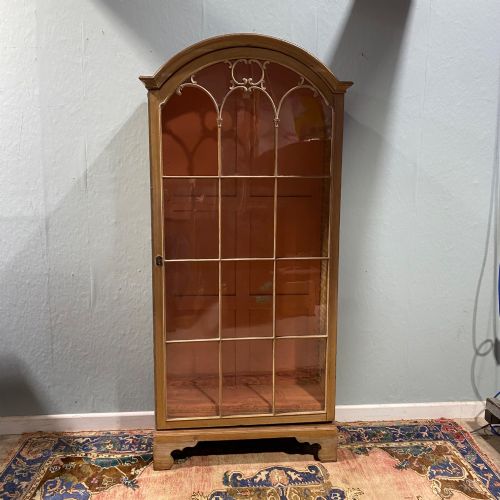
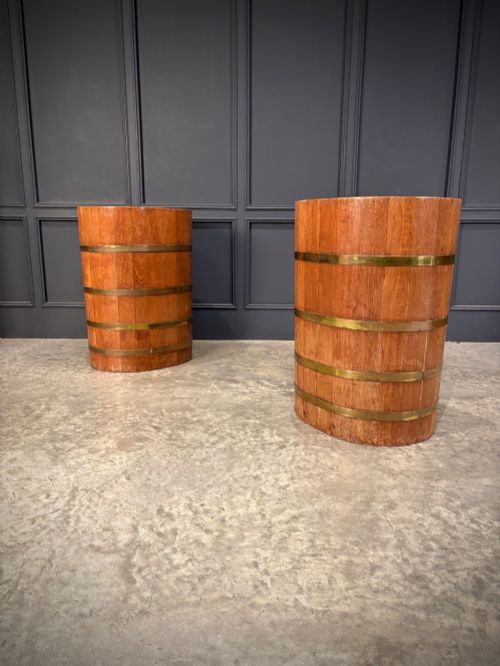
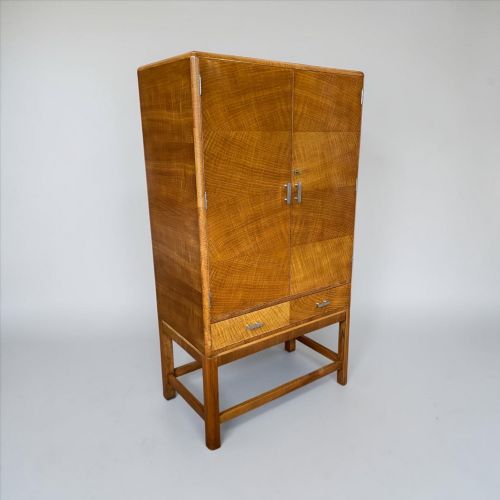
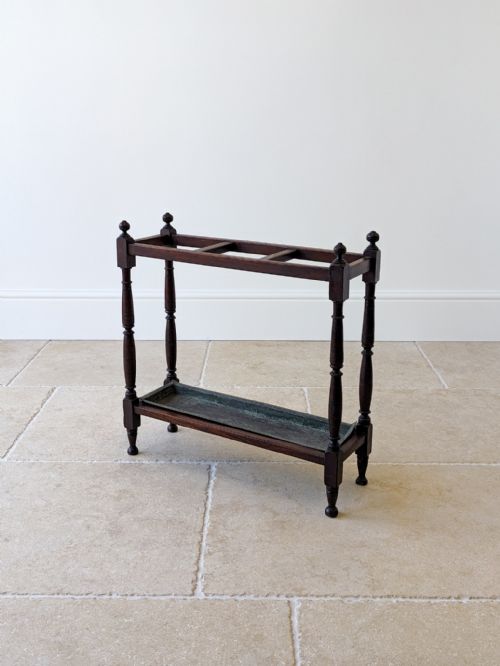
A wooden storage stand organises hats, coats, books and umbrellas, bringing practical utility and period timber into a hallway or room.
Wooden Storage Stand
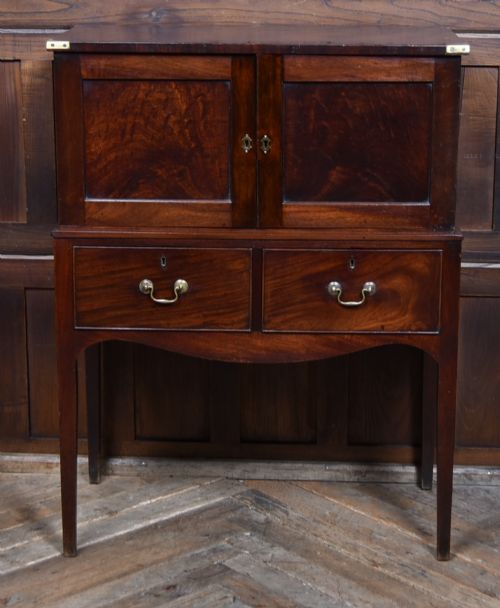
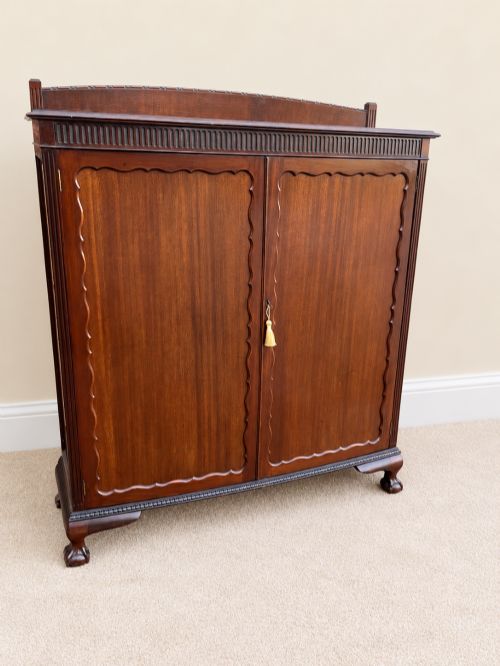
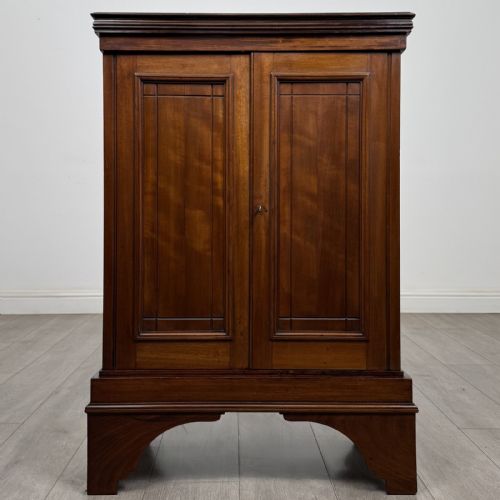
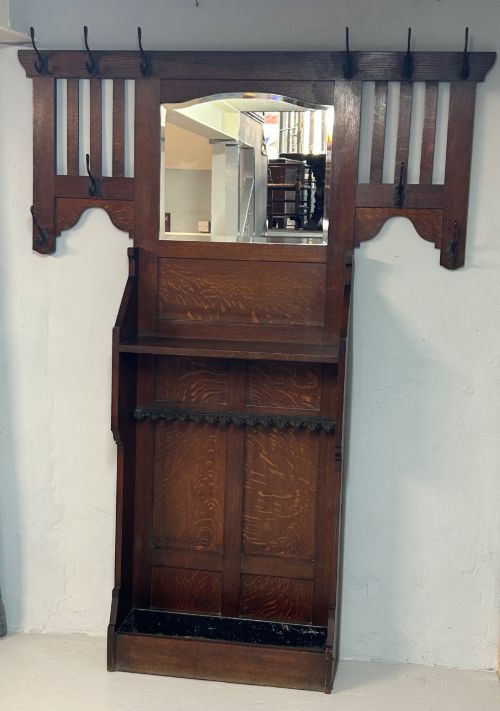
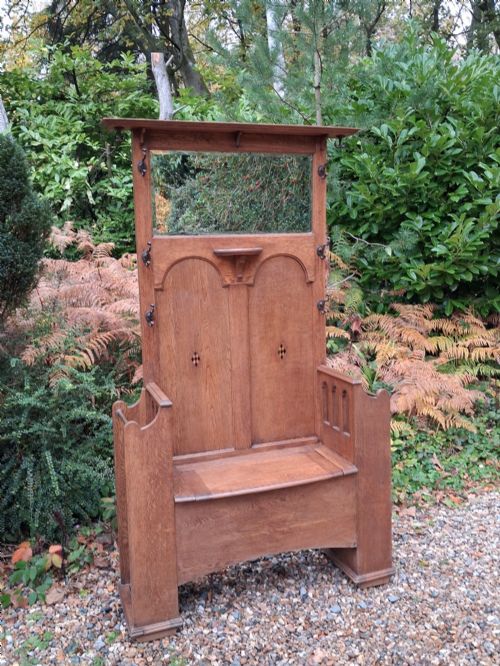
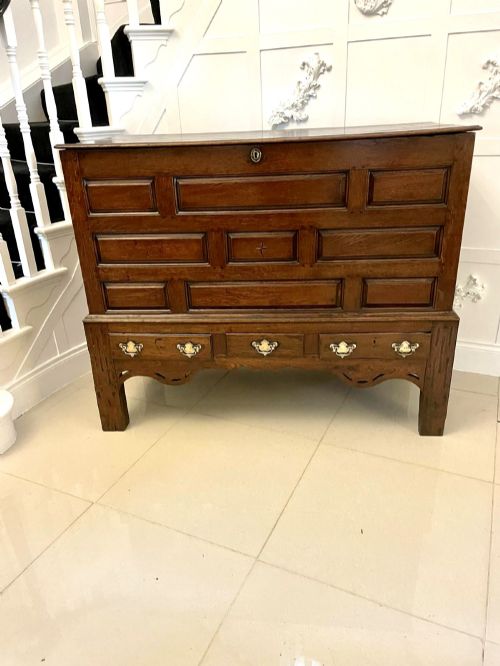
A wooden storage stand encompasses hallway furniture, bookcases, cabinets on stands and umbrella holders designed to hold everyday belongings. When you search for a wooden storage stand, you encounter hall stands, coat stands, umbrella holders and small cabinets raised on legs from the Victorian, Edwardian, Georgian and 18th Century periods.
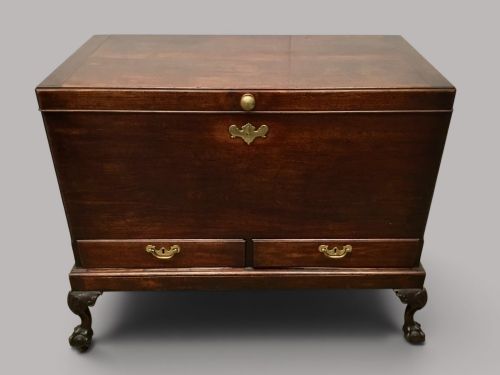
The pieces on this page lean heavily towards oak and mahogany constructions intended for domestic organisation. Examples range from simple umbrella holders with double hooks to elaborate hall trees, music cabinets and coffer stands.
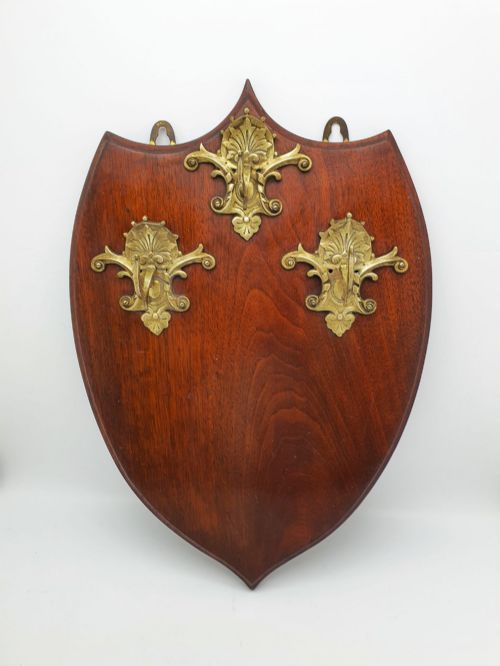
Makers and designers from the Arts and Crafts movement also appear, alongside simpler English Country items and utilitarian railway or sports equipment stands. Oak and mahogany dominate the structural forms, complemented by brass fittings and iron hooks.
Materials and construction
Makers relied on solid oak, mahogany, walnut and elm for the primary frames, using durable timbers capable of bearing weight and frequent daily handling. Brass hooks, iron drip trays and glass panels frequently accompany these woods, adding functional contrast to the structure.
Joinery methods vary by period, ranging from pegged tenons in earlier oak pieces to dovetailing in mahogany chests and cabinets. Turned posts, carved panels and bentwood techniques define the decorative elements across the different stylistic eras.
Wooden Storage Stand Retail Price Guide 2026
Typical asking prices for wooden storage stand among the pieces listed under this phrase on Sellingantiques today, from the lower quarter to the upper quarter. They describe what is for sale here now, not the wider market.
Listings span from the 18th Century through Georgian, Victorian, Edwardian and Arts and Crafts periods, using oak, mahogany, walnut and elm.
What separates the tiers
The refinement of the timber and the crispness of the carving distinguish finer examples from utilitarian pieces. Dense, well-figured mahogany and quarter-sawn oak indicate deliberate selection by the maker.
Structural integrity and original hardware, such as matching brass coat hooks or intact drip trays, separate well-preserved items from heavily altered ones. Proportion and balance within the stand's vertical design dictate its visual presence in a room.
Heal's·GM Elwood·JS Henry·Liberty
The Wooden Storage Stand Glossary
- Hall stand
- A piece of furniture placed near an entrance to hold coats, hats and umbrellas, often incorporating a mirror or small seat.
- Stick stand
- A dedicated receptacle for walking sticks and umbrellas, usually featuring metal or ceramic liners at the base to catch moisture.
- Cofer on stand
- A large storage chest elevated on legs or a frame, lifting the primary compartment off the floor.
- Whatnot
- An open set of tiered shelves used for displaying or storing small household objects.
- Arts and Crafts
- A design movement prioritising traditional craftsmanship, visible construction and simple forms over mass-produced ornamentation.
Wooden Storage Stand: Frequently Asked Questions
Where should a wooden storage stand go?
These pieces suit entrance halls, boot rooms and living spaces where hats, coats, books or umbrellas require organisation.
Positioning a tall hall stand or umbrella holder near the primary door keeps everyday items contained while establishing a period focal point.
How do I date a wooden storage stand?
Dating relies on the timber species, joinery techniques and stylistic markers associated with periods such as the Georgian era or Victorian times.
Examining the backboards, fixings and secondary woods provides further clues to the manufacturing decade.
What is the difference between a hall tree and a coat stand?
A hall tree typically combines multiple functions into one large unit, including hooks, a mirror, umbrella storage and sometimes a bench seat.
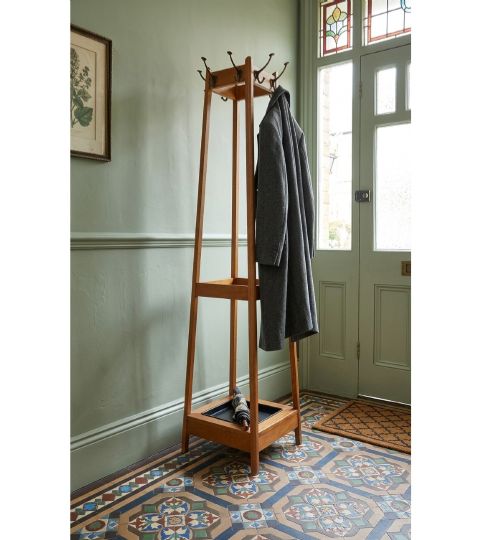
A coat stand focuses primarily on vertical hanging space for garments with minimal structural footprint.
How do I care for antique oak furniture?
Maintaining antique timber involves keeping it away from direct heat sources and sudden humidity changes to prevent wood splitting.
Applying a traditional beeswax polish occasionally preserves the finish and nourishes the grain without building up heavy residues.