



Wooden Storage Pots
Wooden storage pots bring tactile warmth and practical containment to any room, offering enduring utility through carved vessels, treen pieces, and small containers.
Wooden Storage Pots
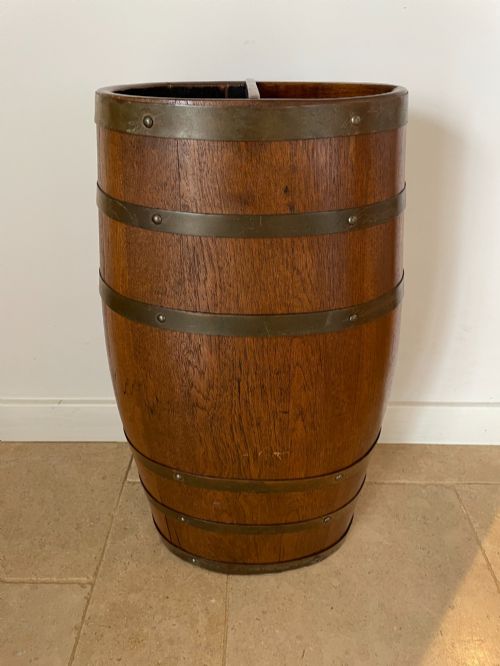
When you search for wooden storage pots, you encounter a diverse collection of small domestic vessels, treen containers, and compact cupboards designed for organisation. The pieces span periods from the eighteenth century through the Victorian era and into the 1930s, reflecting changing domestic habits.
You are most likely to meet treen vases, turned boxwood containers, and small painted boxes among these listings. These items served various holding purposes in historical homes, from vanity storage to holding small dry goods.
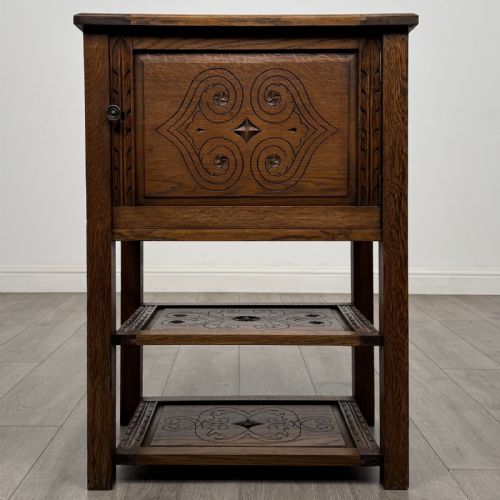
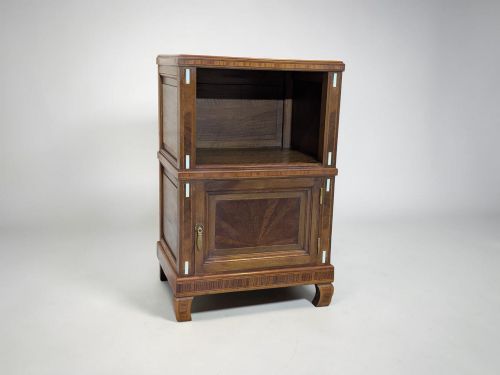
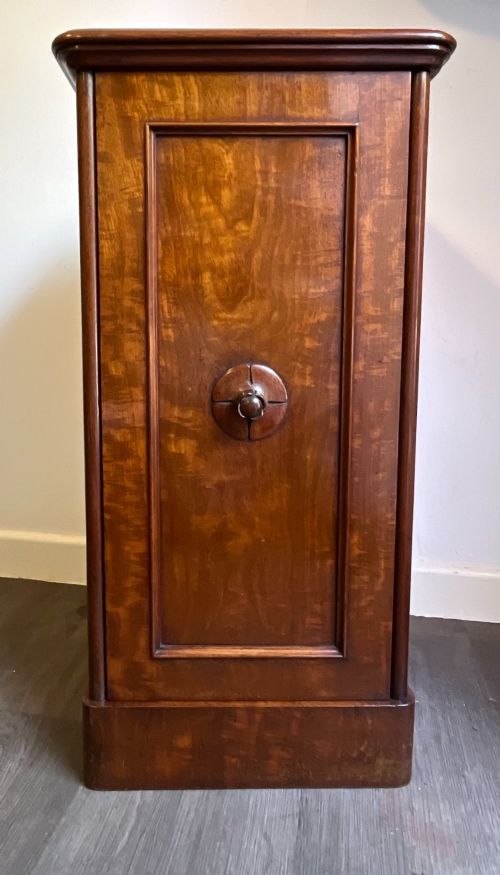
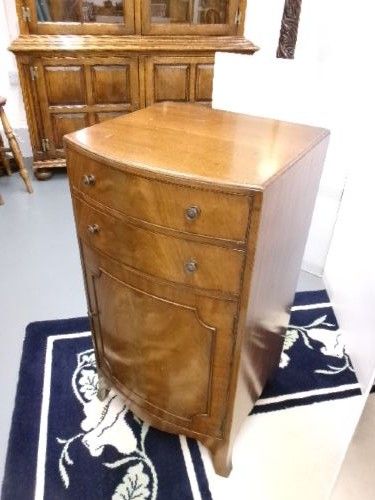
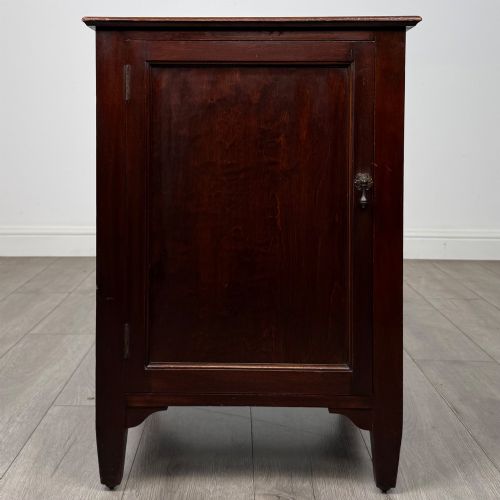
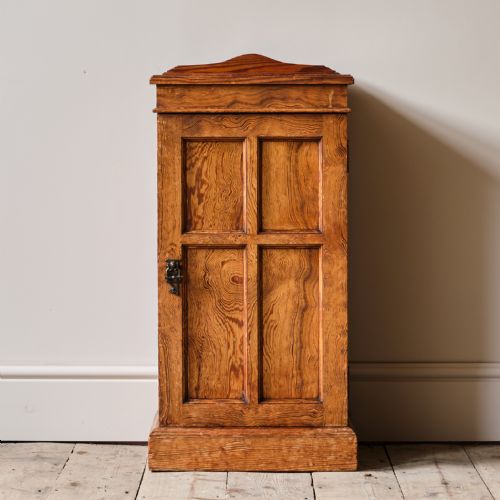
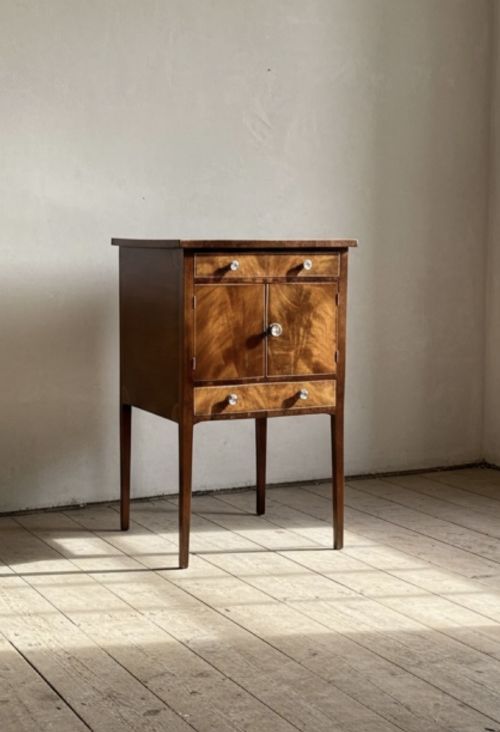
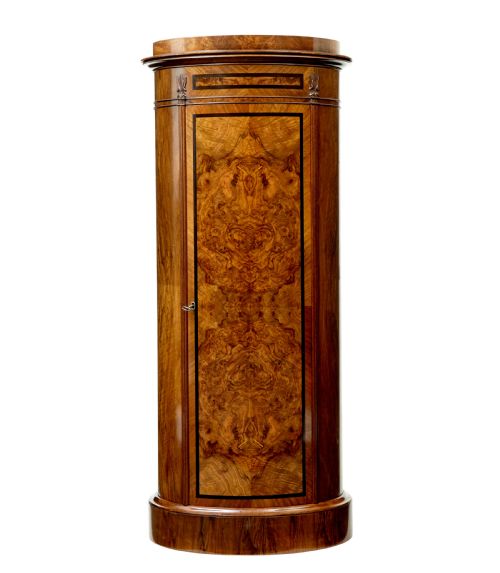
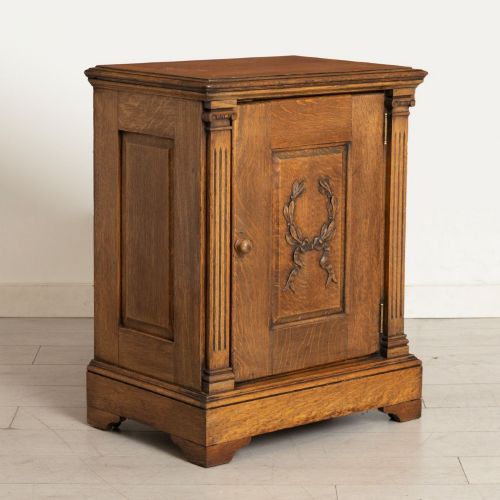
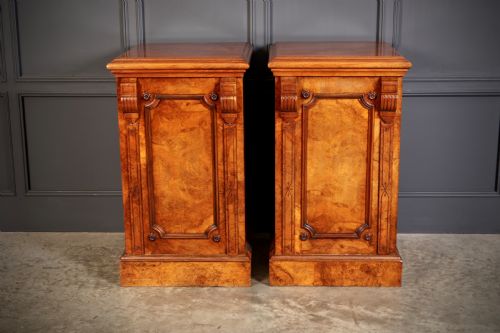
Larger manifestations in the evidence include bedside cabinets, pot cupboards, and pedestal cupboards in mahogany and oak. These larger forms share the same fundamental purpose of concealed storage on a domestic scale.
Materials and Construction
Cabinet makers utilised dense hardwoods such as oak, mahogany, walnut, and boxwood to construct these containers and small cupboards. Flame mahogany veneer and burr walnut added figured surface pattern to pedestal cabinets and bedside pieces.
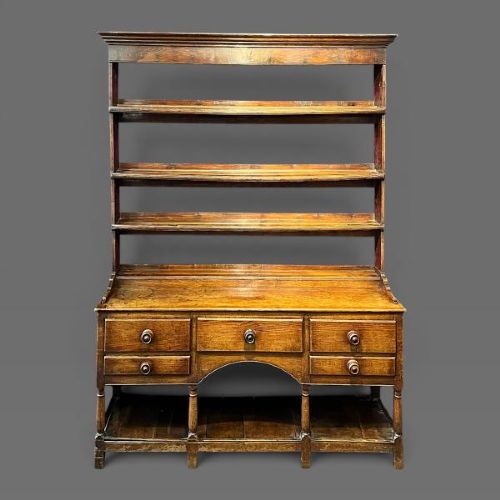
Turnery and joinery dominated the creation of vessels, while larger cupboards employed panel construction and dovetail joints for drawers. Inlaid details, ebony stringing, and carved motifs embellished the surfaces of Edwardian and Victorian pieces.
Wooden Storage Pots Retail Price Guide 2026
Typical asking prices for wooden storage pots among the pieces listed under this phrase on Sellingantiques today, from the lower quarter to the upper quarter. They describe what is for sale here now, not the wider market.
The listings include nineteenth-century treen vases, boxwood container sets, and eighteenth-century oak close stools alongside Victorian mahogany bedside cabinets.
Quality and Craftsmanship
Superior examples demonstrate crisp execution in turned treen and tight, stable joinery in cabinetry. The choice of timber grain, such as figured walnut or flame mahogany, elevates the visual presence of the piece.
Finer items retain their original surface finishes and patination rather than heavy modern restoration. The delicacy of inlay work and the harmonious proportions of pedestals and boxes distinguish better items from simpler utilitarian goods.
The Wooden Storage Pots Glossary
- Treen
- Small handmade wooden objects for domestic use. This term covers items like turned vases, small boxes, and treen containers.
- Pedestal Cabinet
- A freestanding vertical cabinet usually set on a plinth or feet. These single-door units served as bedside tables or pot cupboards.
- Boxwood
- A dense, pale hardwood favoured for small turned containers and precision items. It takes fine detail during turning.
- Nightstand
- A small bedside table incorporating storage space behind a door or within a drawer. They became common bedroom furniture during the nineteenth century.
Wooden Storage Pots: Frequently Asked Questions
What are wooden storage pots used for?
These vessels and containers provided secure, tidy containment for small personal items, dry goods, or vanity accessories in historical domestic spaces.
Today, they serve similar organising roles in modern homes while displaying traditional woodworking and turning skills.
How do I identify Victorian pieces?
Victorian items often utilise dense timbers like mahogany and walnut, frequently featuring dark polished finishes, flame veneers, or carved details.
Construction methods from this era include machine-sawn components alongside hand-dovetailed drawer boxes.
Where should I place a pedestal cabinet?
Pedestal cabinets suit bedrooms as bedside tables or smaller living spaces where vertical storage saves floor area.
Their enclosed cupboards keep surfaces clear of clutter while housing everyday essentials.
What is treen?
Treen encompasses small functional wooden objects created through turning, carving, and basic joinery before the era of mass plastics.
Collectors prize these items for their tactile surfaces and the visible marks of hand tools.