


Wooden Storage Display
These wooden storage display pieces range from Georgian corner cupboards to Art Deco bookcases, offering practical organisation and period charm.
Wooden Storage Display
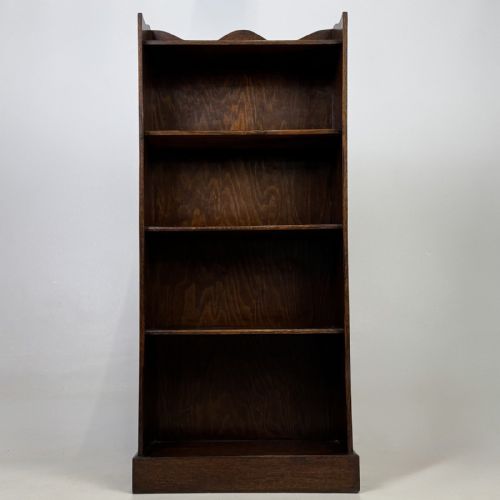
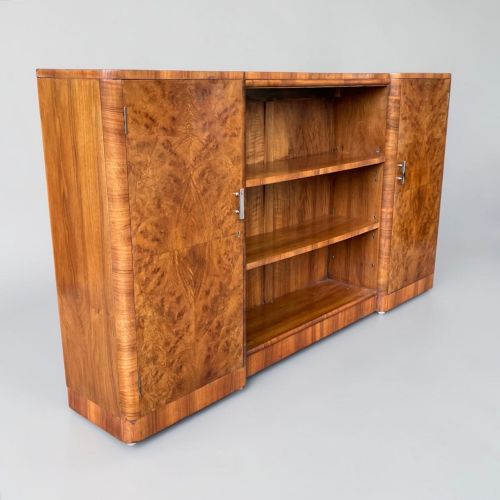
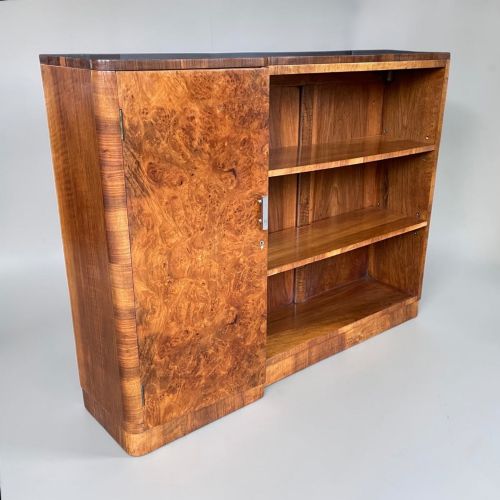
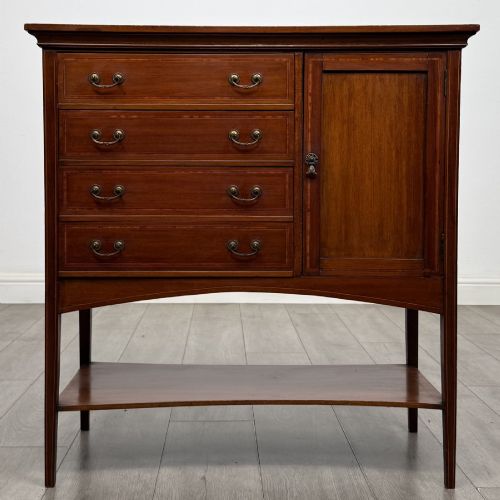
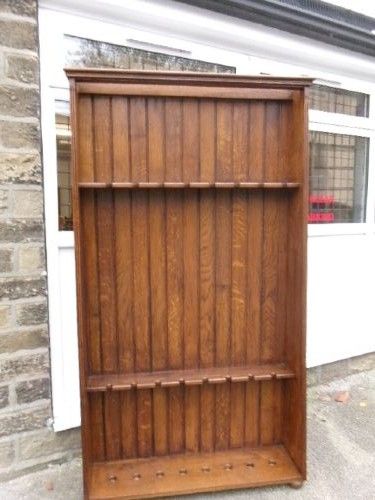
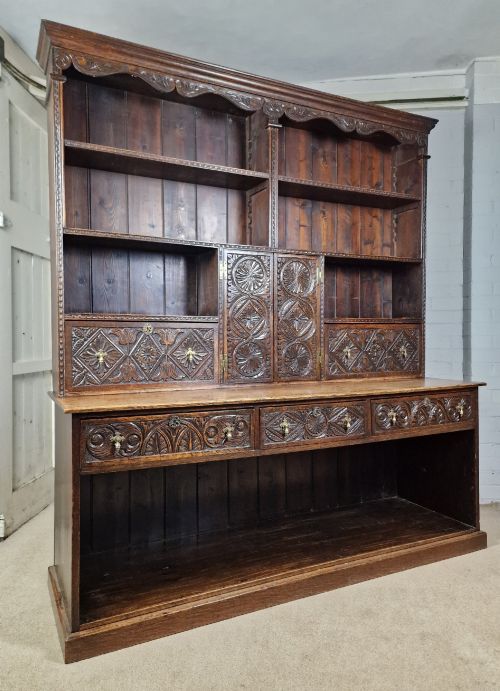
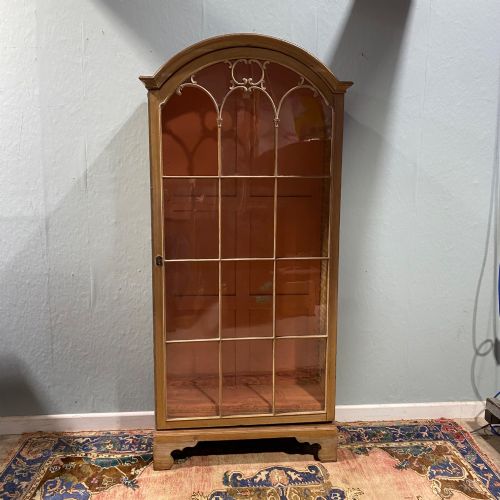
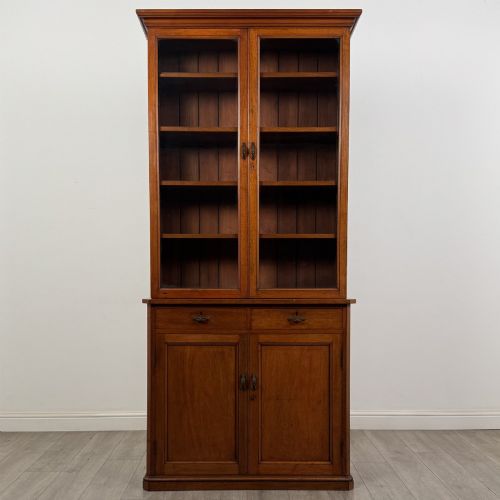
When buyers search for wooden storage display, they encounter a diverse selection of period furniture designed to house and exhibit possessions. The forms span bookcases, dressers, cabinets, corner cupboards, and whatnots across multiple centuries.
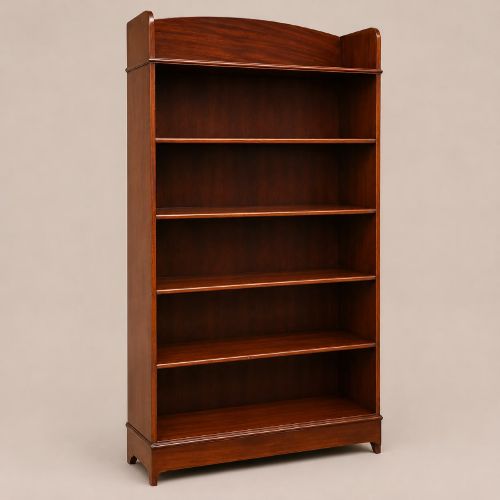
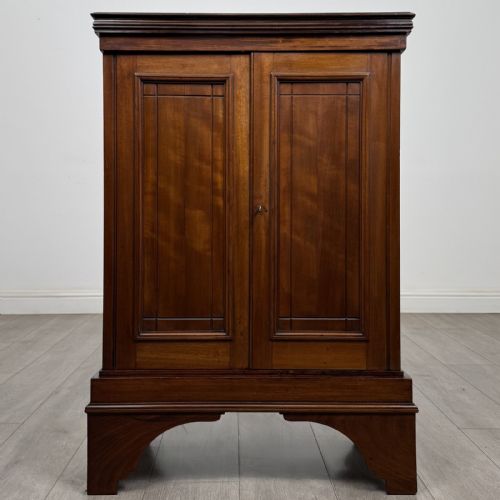
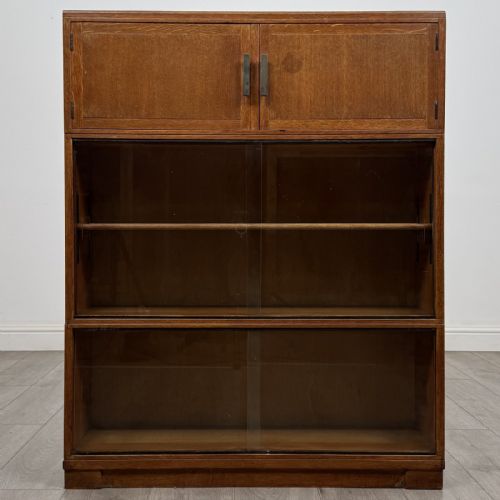
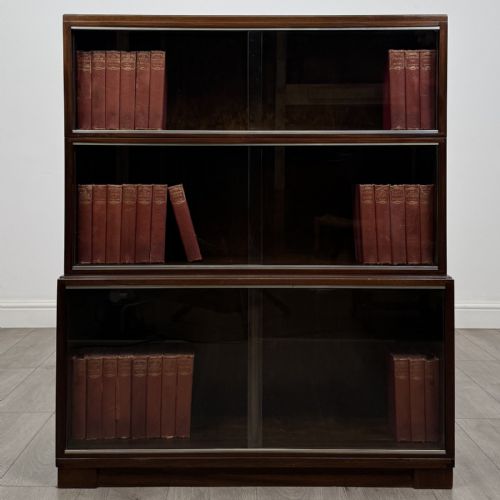
The most common versions on this page are oak and mahogany bookcases and display cabinets from the Victorian, Edwardian, and 19th-century periods. These pieces combine shelved storage with visible display space behind glass doors or upon open tiers.
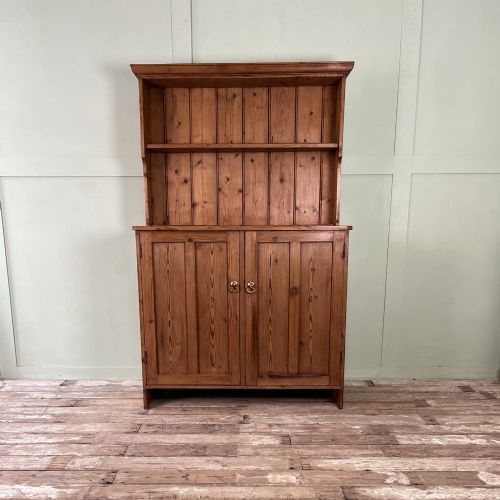
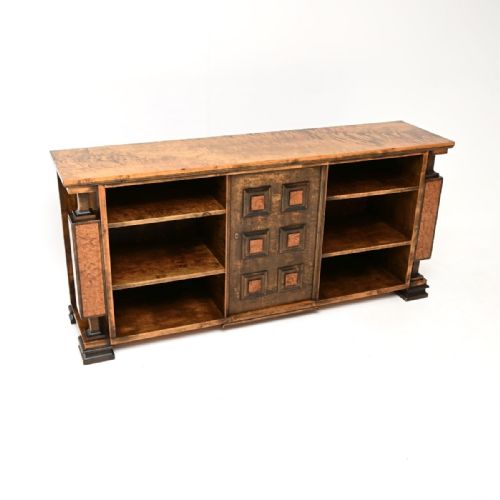
Origins stretch from English country workshops to Continental and Swedish makers. Buyers find everything from utilitarian pine kitchen dressers to formal Georgian breakfront bookcases and specialised haberdashery units.
Materials and construction methods
Cabinetmakers utilised hardwoods such as mahogany, oak, walnut, and elm alongside softer timbers like pine and satin birch. Solid woods and fine veneers form the primary carcass structures, often enhanced by brass hardware and mirror glass panels.
Construction techniques include traditional joinery adapted to specific forms, from stacking barrister sections to carved solid wood library bookcases. Glazed doors, sliding panels, and adjustable shelving demonstrate the evolving mechanical needs of domestic storage.
Wooden Storage Display Retail Price Guide 2026
Typical asking prices for wooden storage display among the pieces listed under this phrase on Sellingantiques today, from the lower quarter to the upper quarter. They describe what is for sale here now, not the wider market.
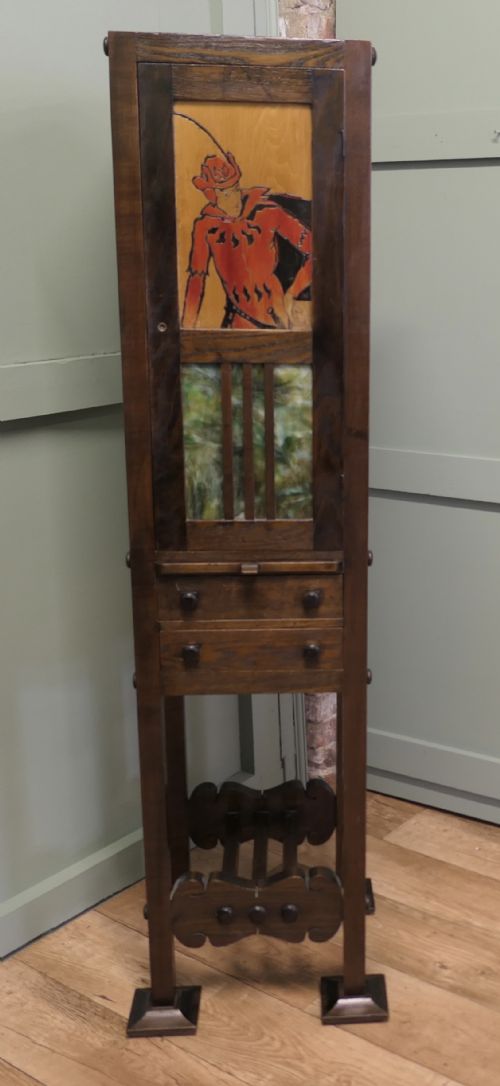
Robin Hood makes an unexpected appearance stamped inside an Edwardian cabinet.
Separating the ordinary from the exceptional
Quality rests upon the selection of timber and the ambition of the design, distinguishing standard utility furniture from pieces bearing architectural details or specialised maker signatures. Grain choice in mahogany or walnut and the crispness of carved elements dictate visual merit.
Integrity of original glass, functioning sliding or hinged doors, and intact internal fittings like adjustable shelves preserve the historical value. The coherence of period hardware and uncompromised structural timber separate enduring examples from heavily altered pieces.
Clark’s Anchor Cantilever·Minty of Oxford·E Gomme·Shapland & Petter
The Wooden Storage Display Glossary
- Breakfront
- A cabinet design where the central section projects forward from the flanking wings. This architectural arrangement creates depth and shadow across large bookcases.
- Whatnot
- A set of open shelves supported by pillars used for displaying ornaments and books. These tiered wooden stands date frequently from the 19th century.
- Haberdashery display
- A retail cabinet featuring multiple glass sections or drawers designed originally to showcase dry goods. They provide highly visible compartmentalised storage.
- Chiffonier
- A low sideboard or cabinet developed in the 19th century, typically featuring enclosed cupboards beneath open or shelved display surfaces.
Wooden Storage Display: Frequently Asked Questions
What is a wooden storage display unit?
These pieces comprise furniture built to hold and exhibit items, encompassing bookcases, cabinets, dressers, and corner cupboards.
They combine enclosed shelving or drawers with display areas behind glass doors or on open tiers.
How do I date a wooden bookcase?
Dating relies on timber choices, construction techniques, and stylistic markers associated with periods like the Georgian, Victorian, or Art Deco eras.
Hardware styles and secondary woods hidden inside the carcass also provide reliable chronological evidence.
Where should I place a corner cupboard?
Corner cupboards suit empty room angles, turning dead space into functional storage for glassware and books.
Standing and wall-hung versions integrate cleanly into both traditional dining rooms and contemporary living spaces.
What timber is most common?
Oak and mahogany appear most frequently across the listed periods, supported by walnut, pine, and elm.
Hardwoods provided durable frames for heavy libraries, while softer pine served in regional dressers.