








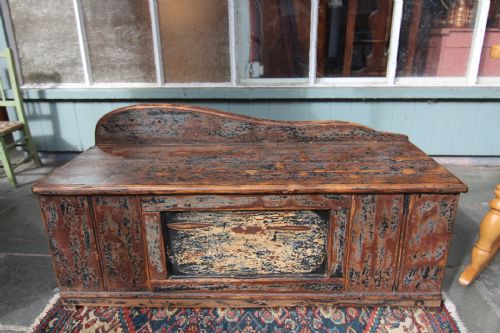
Wooden Storage Box Bench
A wooden storage box bench brings together domestic seating and concealed chest space, offering robust utility that grounds a hallway or kitchen.
Wooden Storage Box Bench
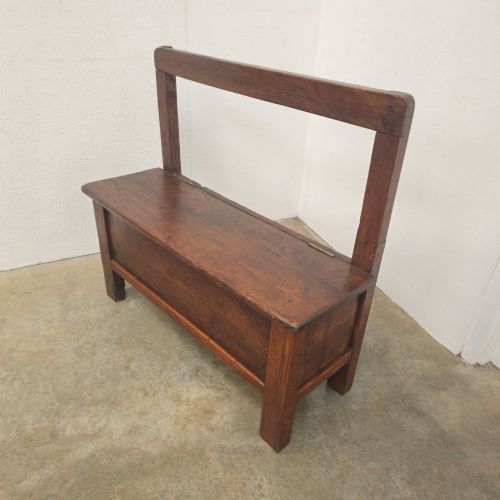
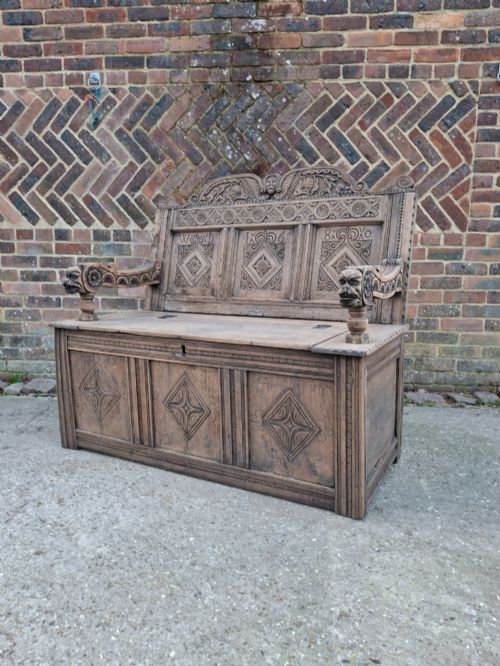
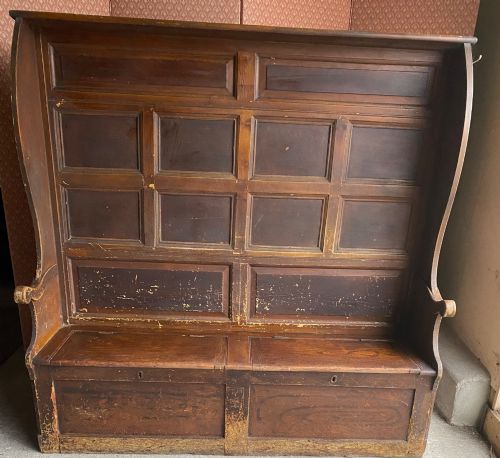
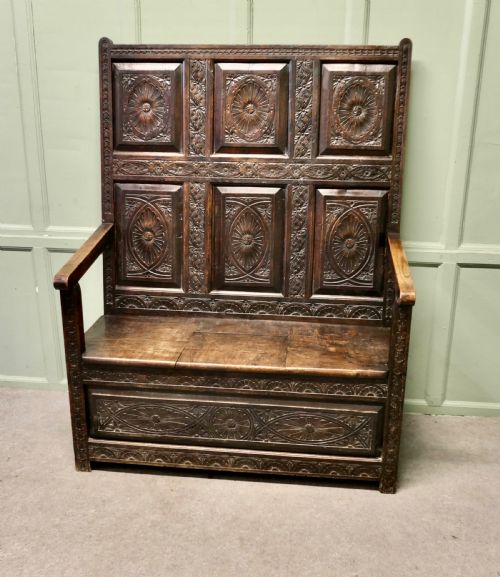
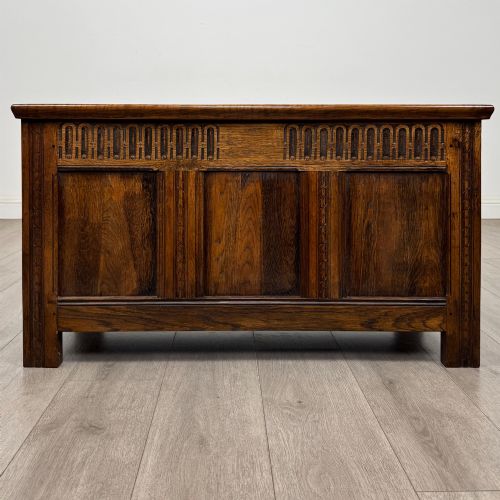
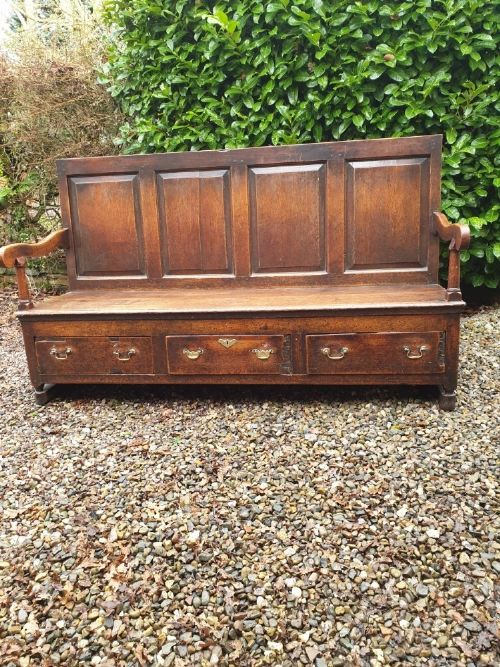
A wooden storage box bench serves as dual-purpose furniture, combining a seat with a deep interior compartment for household goods. When searching for a wooden storage box bench, buyers commonly encounter traditional forms such as settles, coffers, and box seats originating from country houses and farmhouses.
The selections span multiple eras, featuring robust pieces from the eighteenth and nineteenth centuries alongside Edwardian and later variations. Oak and pine dominate the structural forms, frequently taking shape as high-backed settles, hall benches, or blanket chests adapted for seating.
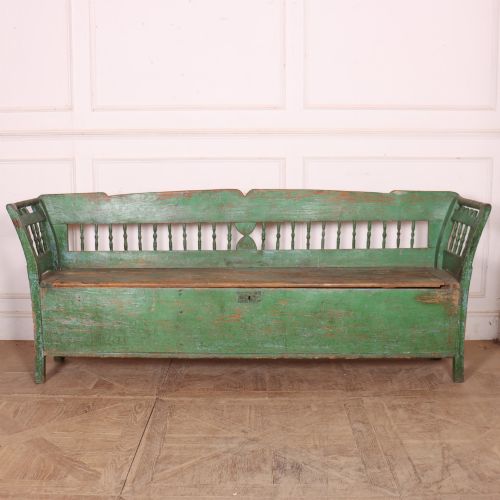
Regional variations appear across domestic and continental workshops, ranging from British country oak designs to painted pine examples originating in Hungary and Sweden. These items function primarily as heavy hallway or kitchen seating where concealed storage is required.
Materials and construction methods
Carpenters utilised native timbers including oak, elm, ash, and pine, selecting sturdy hardwoods for structural load-bearing and softer woods for panel construction. Boards were joined using traditional methods such as mortise and tenon joints, securing the chest body beneath the bench seat.
Surface treatments vary from waxed and polished finishes that highlight natural grain to historical painted layers in grey, blue, cream, or black. Iron and brass hinges, locks, and handles were fitted to secure the heavy lift-up lids and doors characteristic of these seating chests.
Wooden Storage Box Bench Retail Price Guide 2026
Typical asking prices for wooden storage box bench among the pieces listed under this phrase on Sellingantiques today, from the lower quarter to the upper quarter. They describe what is for sale here now, not the wider market.
Some nineteenth-century box seats double as barge trunks, ready to brave canal locks and muddy towpaths.
Factors influencing quality and execution
Superior execution shows in the integrity of the original timber and the retention of unaltered structural elements such as the base boards and hinges. Heavy oak settles with deep hand-carving and patinated surfaces represent a higher standard of joinery compared to later revival pieces.
The condition of the surface finish significantly separates domestic examples, with original painted or waxed patinas holding distinct character over stripped or heavily restored exteriors. Proportion and timber selection dictate the visual balance of the backrest, arms, and storage base.
James Shoolbred & Co.
The Wooden Storage Box Bench Glossary
- Settle
- A wooden bench with a high back, solid arms, and a box seat compartment beneath. This form provided draught protection in older domestic rooms.
- Cassapanca
- An Italian wooden bench featuring a chest base and a backrest, often constructed from walnut. It serves as an ornate precursor to the standard box settle.
- Coiffer
- A large chest used for storing garments and valuables, occasionally fitted with a seat for dual domestic function. These pre-date standard upholstered seating.
- Patina
- The surface sheen and colour acquired by wood and paint through age, handling, and regular waxing. This quality indicates authenticity and extended use.
Wooden Storage Box Bench: Frequently Asked Questions
Where should I place a wooden storage box bench?
These pieces suit large entryways, hallways, and farmhouse kitchens where floor space accommodates a deep seating unit. The internal compartment holds bulky items such as boots, blankets, or linens out of sight.
Position the bench against a solid wall to support the high wooden backrest typically found on settle designs.
How do I care for the wood and finish?
Maintain waxed surfaces with traditional beeswax applied sparingly and buffed with a soft cloth to preserve the natural lustre. Avoid placing the timber near direct heat sources or moisture which can cause warping.
Original painted finishes require dusting with a dry cloth and should be kept away from harsh cleaning solutions.
How do I distinguish eighteenth-century pieces from later revivals?
Examine the construction joints, tool marks, and timber shrinkage to determine the age of the structure. Eighteenth-century examples display hand-cut joinery and heavy board construction without modern metal screws.
Revival pieces from the Edwardian era often feature machine-sawn elements and standardised hardware fittings.