





Wooden Standing Shelf
A wooden standing shelf brings practical display space and upright utility into a room, spanning Edwardian and Victorian forms.
Wooden Standing Shelf
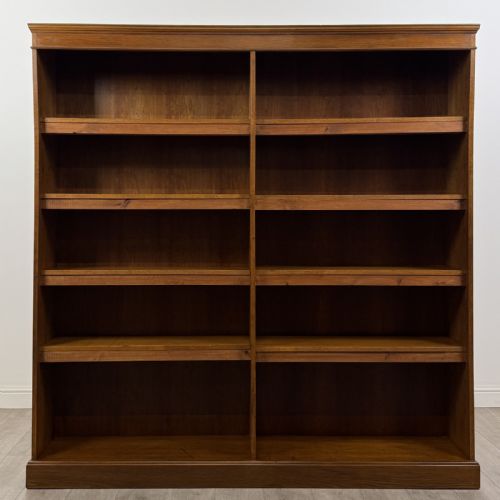
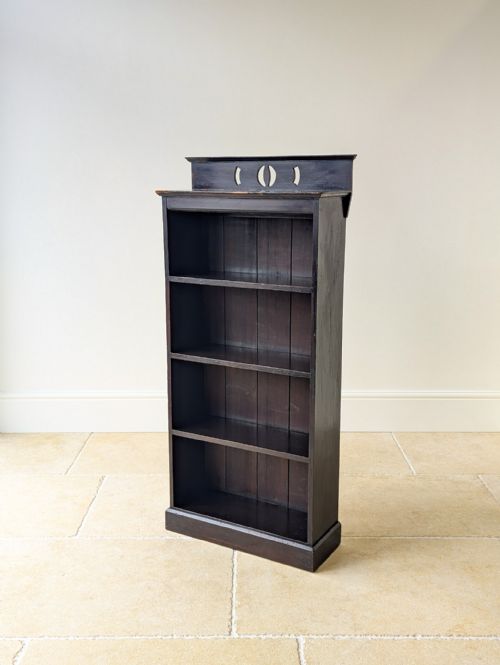
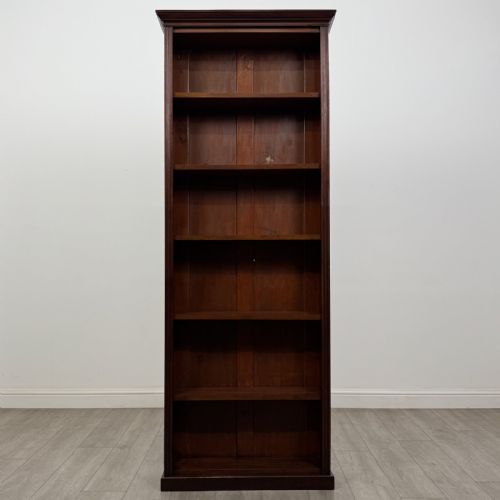
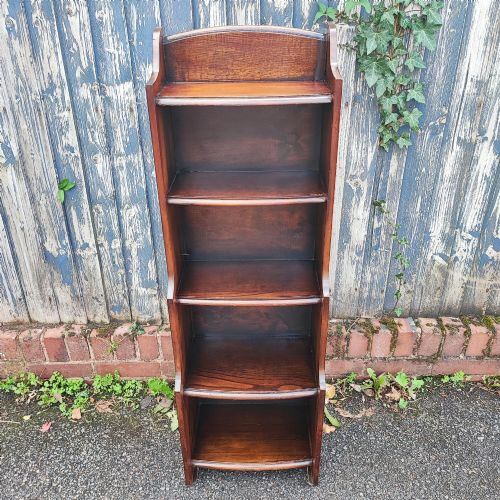
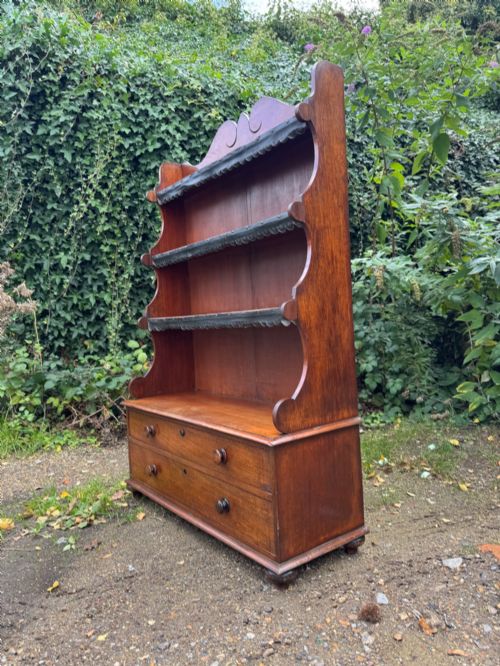
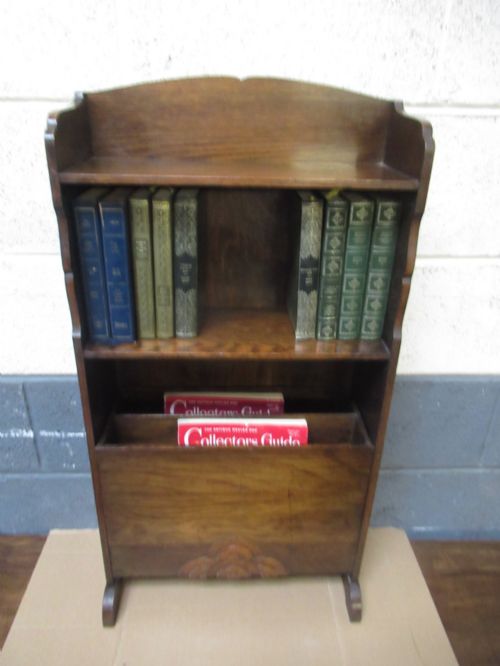
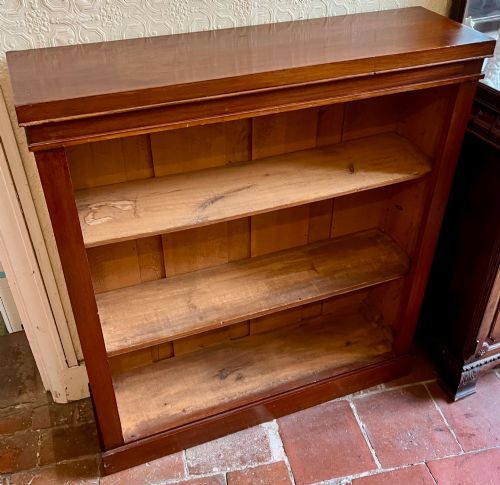
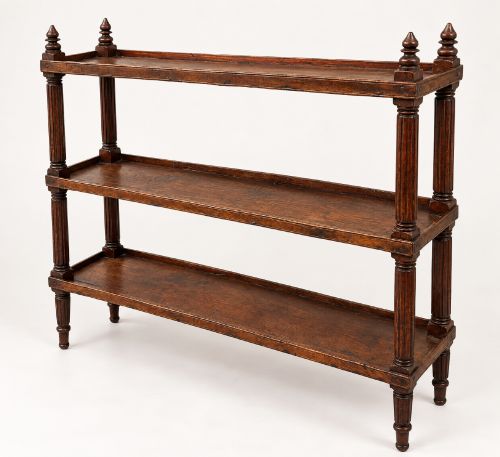
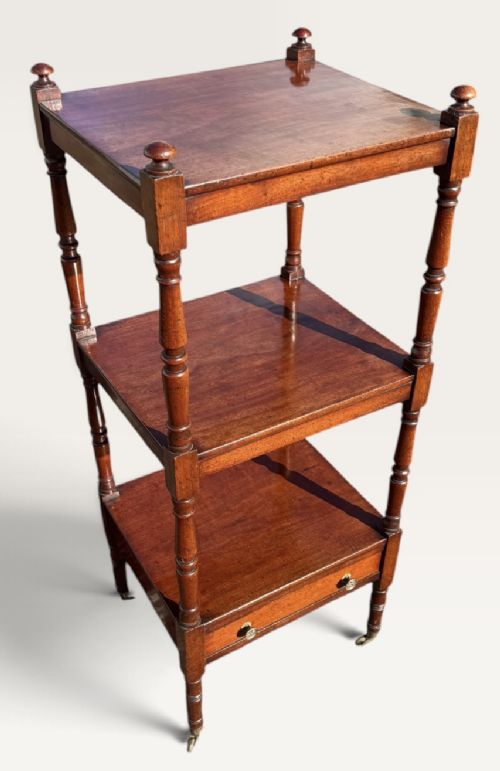
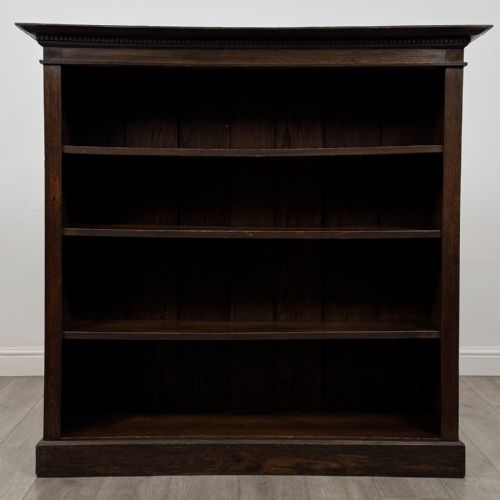
A wooden standing shelf provides open vertical storage across various domestic settings, appearing frequently as an open bookcase or whatnot. These pieces emerge in styles ranging from Victorian and Edwardian to Arts and Crafts, designed to stand independently against a wall or in a corner.
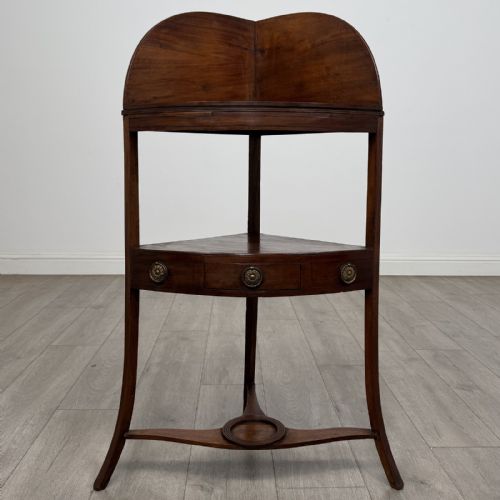
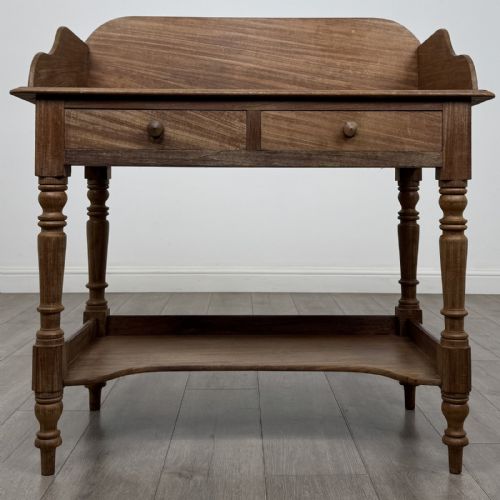
The versions most commonly met on this page include mahogany open bookcases with raised galleries, alongside sturdy oak shelving units from the Edwardian period. Corner stands and tiered side tables also feature among the selections, demonstrating the broad utility of upright wooden furniture.
How they were made
Makers utilised timber such as mahogany and oak as the structural foundation for these standing shelves, often incorporating walnut or satinwood inlay for decorative contrast. Joints on Arts and Crafts pieces frequently show pegged construction, while other examples employ brass castors and fittings for mobility.
Surfaces receive careful attention through carving, dentil cornices, and raised galleries to frame the displayed items. Slender pillars and adjustable shelves provide both structural support and functional adaptability within the various bookcase and whatnot designs.
Wooden Standing Shelf Retail Price Guide 2026
Typical asking prices for wooden standing shelf among the pieces listed under this phrase on Sellingantiques today, from the lower quarter to the upper quarter. They describe what is for sale here now, not the wider market.
Listings feature oak, mahogany, and walnut woods, spanning periods from the 19th century through to the 1930s.
What varies in quality
The refinement of the timber selection and the precision of the joinery distinguish the finer examples from standard utilitarian pieces. Grain figuring in mahogany or quarter-sawn oak elevates the visual presence of a standing shelf.
Trevor Page and Co·Ercol
The Wooden Standing Shelf Glossary
- Whatnot
- A piece of furniture consisting of a set of open shelves for displaying small objects or books. These freestanding units typically feature multiple tiers supported by slender uprights.
- Raised gallery
- A low decorative railing or rim around the top edge of a shelf or table. This feature prevents items from sliding off the surface.
- Dentil cornice
- A moulding decorated with a series of small, rectangular blocks resembling teeth. This architectural detail often tops the facade of a bookcase.
- Waterfall bookcase
- A tiered shelving unit where each successive shelf is deeper than the one above, creating a stepped profile. The sides are frequently shaped into a graceful curve.
- Pegged construction
- A method of joining wooden elements using wooden dowels or pins rather than metal fasteners. This technique appears regularly in Arts and Crafts furniture.
Wooden Standing Shelf: Frequently Asked Questions
What is a wooden standing shelf?
A wooden standing shelf is a freestanding piece of furniture designed to hold books or display objects vertically. These units range from open bookcases and corner whatnots to tiered side tables.
They serve practical storage needs while bringing traditional craftsmanship into a modern interior through materials like mahogany and oak.
How do I date a wooden shelf?
Dating a wooden standing shelf involves looking at the timber, construction methods, and stylistic details. Edwardian and Victorian pieces often display characteristic mouldings, raised galleries, or inlaid satinwood.
Arts and Crafts examples frequently showcase visible pegged joints and robust oak construction, reflecting the design ethos of their production period.
Where should I place a standing shelf?
A standing shelf fits well against living room walls, in hallways, or tucked into corners as a space-saving whatnot. Open bookcase designs allow for easy access to books and decorative items.
Their upright proportions help utilise vertical space effectively without dominating the room's floor plan.
What woods were used for these shelves?
Cabinet makers primarily utilised mahogany and oak for the core structure of these standing shelves. Secondary timbers and decorative accents included walnut, boxwood, and satinwood inlay.
Pine and padauk also appear in specific regional or rustic pieces, showing the variety of materials available to historical makers.