

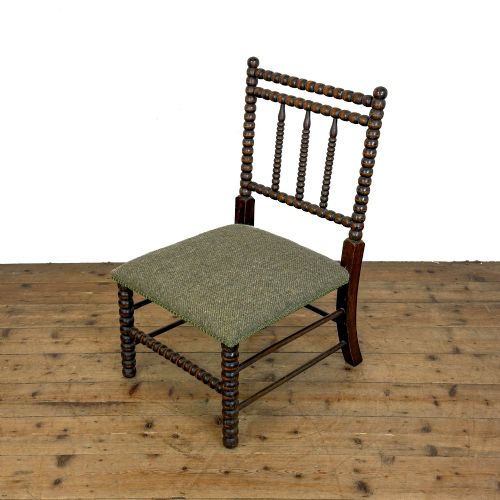


Wooden Spool Chair
A wooden spool chair brings distinctive turned joinery and tactile charm to a room.
Wooden Spool Chair
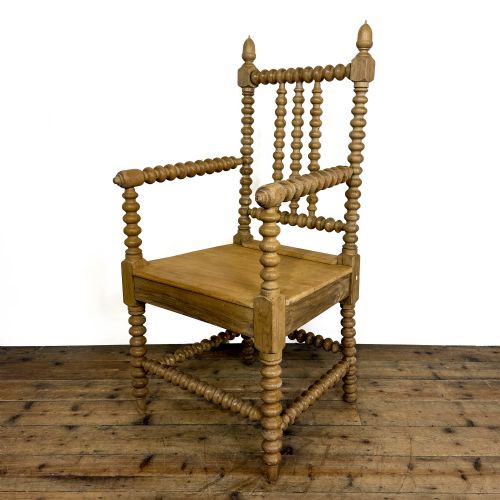
A wooden spool chair showcases repetitive, lathe-turned woodwork reminiscent of textile bobbins or spools, creating a highly decorative silhouette. These seating options emerge primarily in Victorian workshops, alongside rustic country folk art and vernacular traditions.
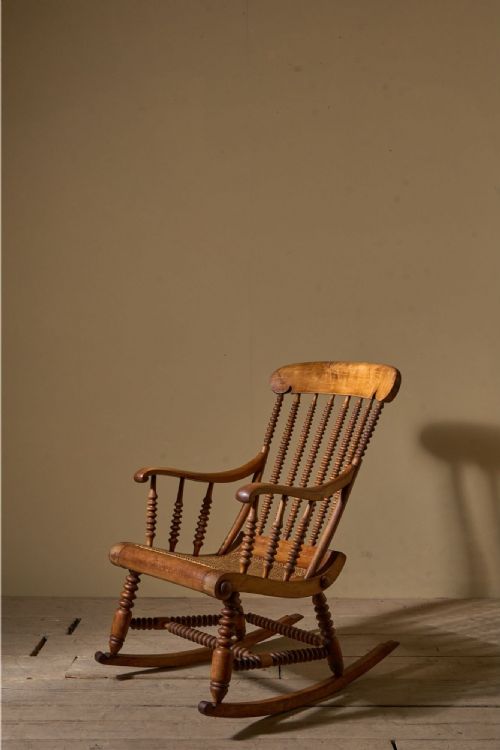
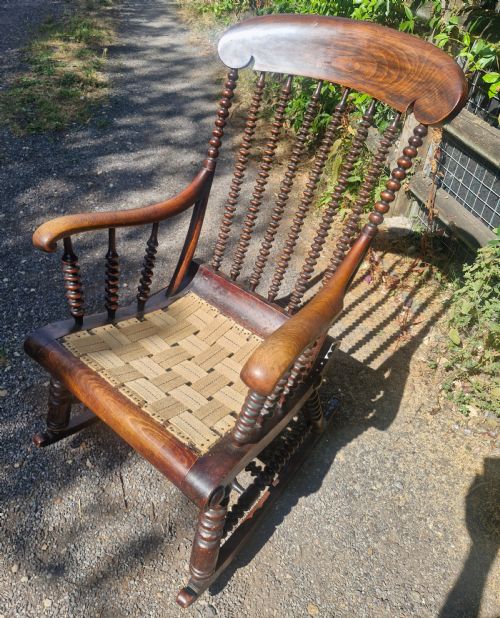
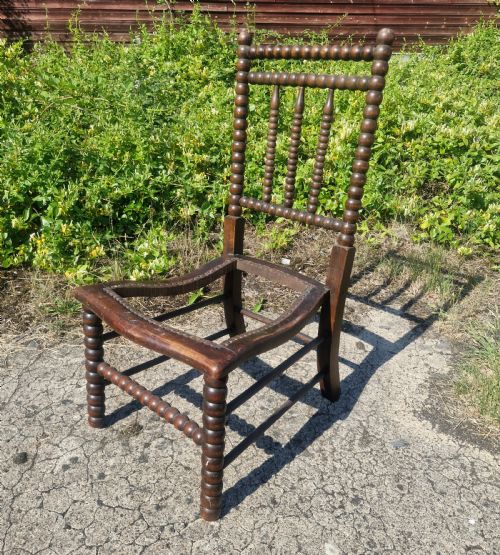
Buyers encountering this wooden spool chair selection will most frequently find nineteenth-century examples, ranging from low bedroom seating to robust armchairs and rocking chairs. Oak and various hardwoods form the structural core of these tactile pieces.
Regional variations span from Swedish country thrones to Scottish vernacular rockers and English Victorian reception chairs. Each piece relies on continuous spool or bobbin turnings to define the uprights, stretchers, and arms.
How they were made
Craftsmen shaped solid oak and assorted hardwoods on a lathe, cutting exact, repetitive cylindrical segments to form the characteristic bobbin motifs. These turned components were then joined using traditional peg and mortise techniques to ensure structural stability.
Frames incorporate cane, woven webbing, wool tweed, or tapestry fabric for seats and backs, depending on the specific vernacular style. Stained wood finishes frequently enhance the grain and uniformity of the turned components.
Wooden Spool Chair Retail Price Guide 2026
Typical asking prices for wooden spool chair among the pieces listed under this phrase on Sellingantiques today, from the lower quarter to the upper quarter. They describe what is for sale here now, not the wider market.
Every turned spool requires the lathe operator to maintain an identical rhythm, turning humble timber into rhythmic rows of wooden beads.
What varies in quality
The crispness and depth of the lathe-turned spool details separate standard production from finer workmanship, with sharper profiles indicating superior execution. The regularity of the repetitive turnings across both sides of the frame reflects the maker's precision.
The selection of dense hardwoods like oak versus lighter or mixed timbers alters the physical substance and longevity of the frame. Original upholstery materials and intact cane work also distinguish untouched examples from heavily restored pieces.
The Wooden Spool Chair Glossary
- Bobbin turning
- A type of lathe work consisting of cylindrical wood segments separated by deep grooves, resembling thread spools. This technique defines the primary aesthetic of the entire chair frame.
- Vernacular
- Regional furniture built by local makers using traditional methods rather than high-style workshop designs. These pieces often reflect the specific domestic needs of Scottish or country makers.
- Cane
- Woven plant material utilised for seats and back panels in lighter chair designs. It provides a flexible yet supportive surface stretched across the turned wooden frame.
- Stained wood
- Timber treated with a pigment to alter or deepen its natural colour before finishing. This treatment unifies the appearance of assembled turned components.
Wooden Spool Chair: Frequently Asked Questions
What is a wooden spool chair?
A wooden spool chair is a seating piece characterised by frames made from lathe-turned bobbins or spools.
These chairs date predominantly from the nineteenth century and utilise oak and hardwood.
How were spool chairs used?
These chairs served as functional seating in nineteenth-century parlours, bedrooms, and rustic living spaces.
Rocking chairs and low bedroom seats provided specific comfort within domestic rooms.
Are all bobbin chairs Victorian?
While many examples originate in the Victorian period, earlier pieces date to the eighteenth century.
Swedish country folk art and Scottish vernacular traditions also produced distinct regional variants.
What materials make up the frames?
Frames are constructed primarily from solid oak and assorted hardwoods, sometimes given a stained finish.
Seats and backs often incorporate cane, woven webbing, or textile fabrics like wool tweed.