

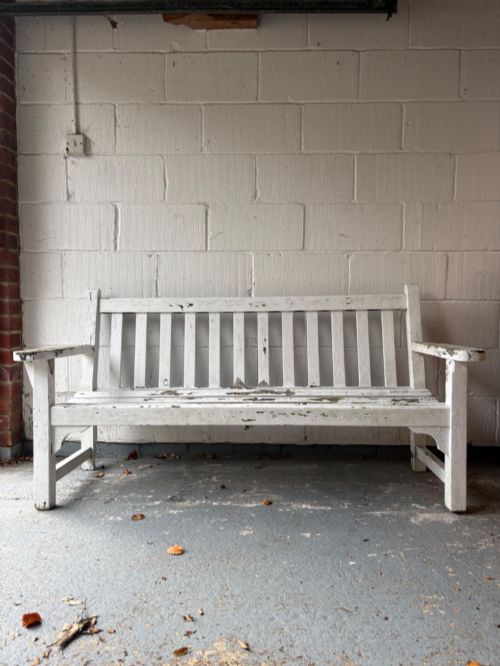
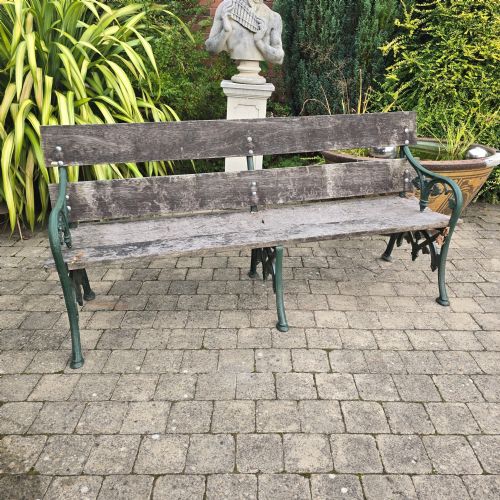
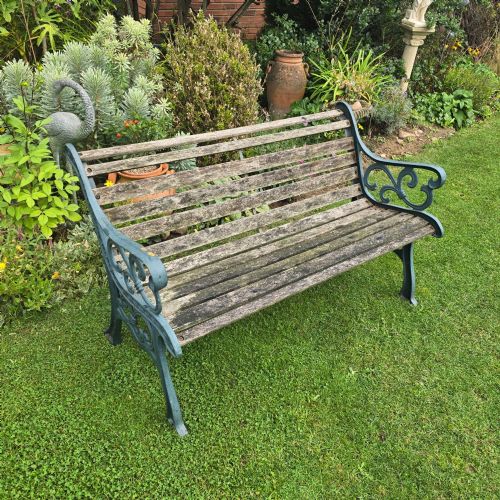
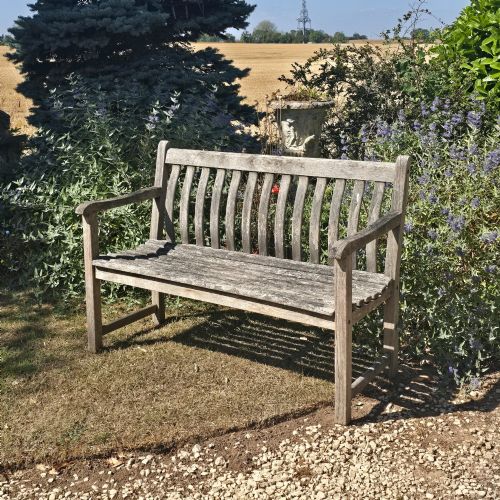
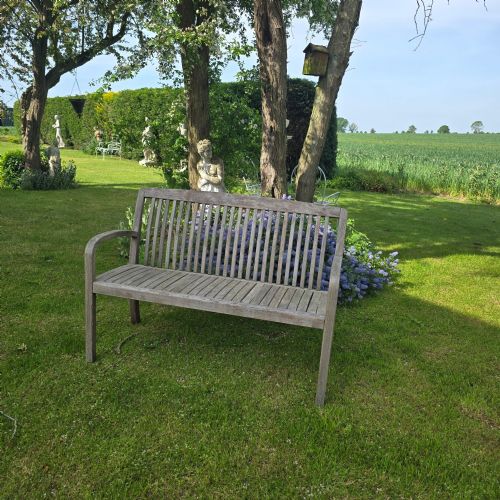
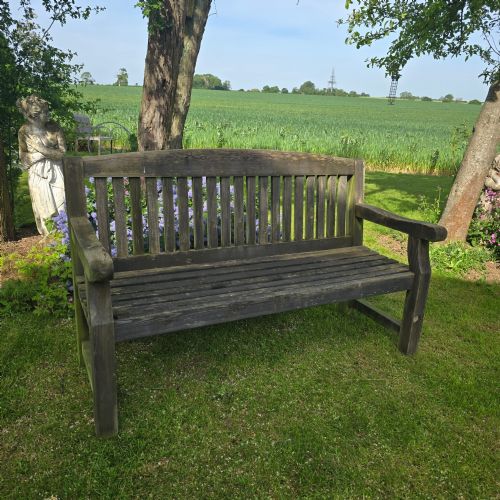
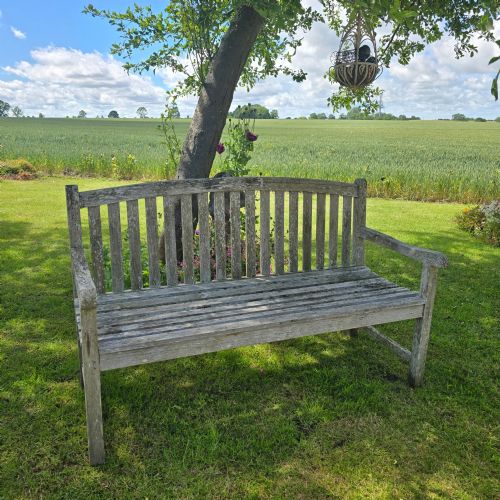


Wooden Slat Garden Bench
A wooden slat garden bench is a sturdy outdoor seat built from timber and metal designed to weather the seasons.
Wooden Slat Garden Bench
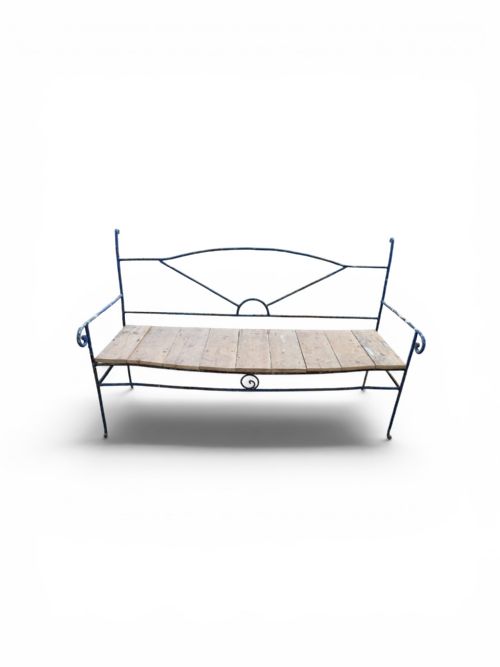
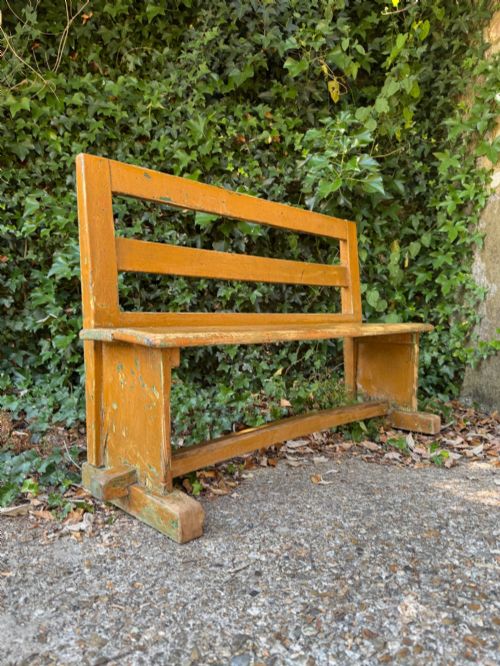
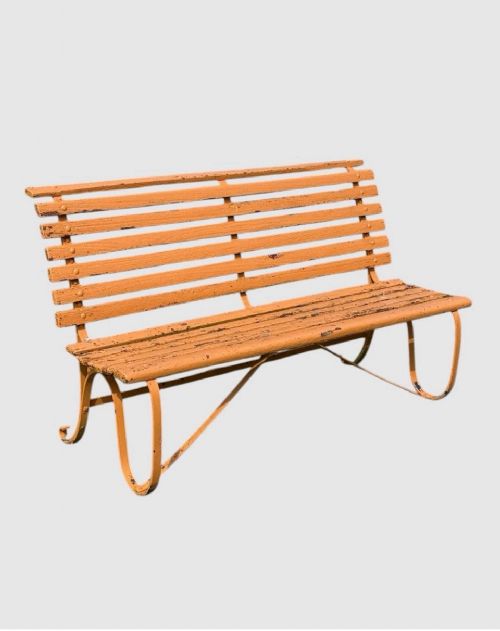
When you search for a wooden slat garden bench, you find outdoor seating originating from periods spanning the nineteenth century through the interwar years and the Edwardian era. These pieces combine wooden slats with supportive frames, taking the form of standard benches, tree seats, and occasional pairs of matching chairs.
The versions you meet most frequently on this page are mid-twentieth-century teak designs alongside nineteenth-century pine, oak, and painted examples. They serve as functional garden furniture that transitions easily from English country houses to urban patios.
How they were made
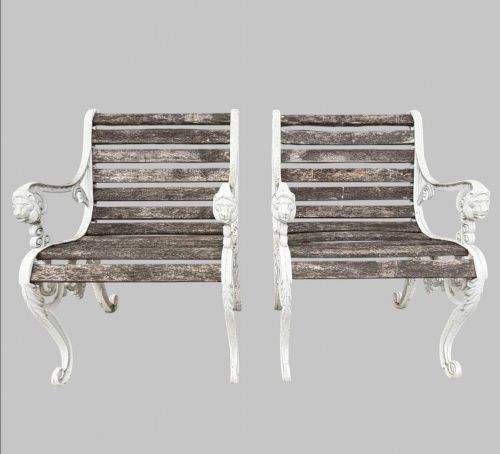
Makers built these seats using durable hardwoods like teak and oak alongside softer timbers such as pine for the slats, pairing them with robust metal frameworks. Cast iron and wrought iron provided heavy structural support, often shaped into ornate ends, lion masks, or strapwork patterns.
Surfaces were frequently left bare to weather naturally into silvered patinas, though some earlier pieces received protective coats of green paint. Joinery relied on mechanical fixings and heavy framing to withstand outdoor exposure.
Wooden Slat Garden Bench Retail Price Guide 2026
Typical asking prices for wooden slat garden bench among the pieces listed under this phrase on Sellingantiques today, from the lower quarter to the upper quarter. They describe what is for sale here now, not the wider market.
Several pieces on this page originated far from typical British lawns, including iron garden chairs once used by the Calcutta Polo Club.
What varies in quality
The standard of a wooden slat garden bench rests on the grade of timber and the complexity of the ironwork framing. Dense teak and seasoned oak survive decades of weathering better than softer pine variants.
Design ambition separates basic utility benches from finer examples featuring decorative elements like heart motifs or cast iron lion masks. Original painted surfaces and patinated silvered finishes also elevate the character of a piece.
The Wooden Slat Garden Bench Glossary
- Teak
- A dense, oil-rich hardwood prized for outdoor use because it resists moisture and rots slowly. It naturally weathers to a silver-grey colour over time.
- Cast Iron
- A strong, rigid alloy poured into moulds to create decorative bench ends and structural supports. It provides the heavy weight needed to keep garden seating stable.
- Tree Bench
- A circular or polygonal garden seat built around the trunk of a tree. It allows people to sit facing outwards beneath the canopy.
- Strapwork
- Flat bands of metal arranged in geometric or interlaced patterns. This technique appears on iron frames and supports to add rigidity and decoration.
- Patina
- The surface texture and weathered colour acquired by wood and metal through age and exposure to the elements. Collectors value a genuine silvered teak patina.
Wooden Slat Garden Bench: Frequently Asked Questions
How do I care for a weathered teak bench?
Leave silvered teak untreated if you prefer the aged grey appearance, as the natural oils protect the wood from further degradation. Scrubbing gently with soapy water removes surface dirt without stripping the historic patina.
Avoid harsh chemical sealants that alter the tactile finish of the timber. Regular cleaning prevents moss accumulation in the gaps between the wooden slats.
Can these garden benches stay outside all year?
Hardwood benches made from teak or oak tolerate rain and frost throughout the winter months without requiring indoor storage. Raising the feet slightly off damp ground prevents moisture absorption.
Pine or painted pieces benefit from sheltered placement or protective covers during severe weather. Cast iron frames remain durable outdoors provided any exposed metal is monitored for rust.
How do I date an antique wooden garden bench?
Examine the construction methods, screw types, and ironwork designs to determine the manufacturing period. Victorian and Edwardian examples often feature heavier cast iron ends and specific decorative motifs.
Compare the timber weathering and wear patterns with known examples from the nineteenth and early twentieth centuries. Original paint remnants also offer clues to the age of the piece.
Are wooden slat benches comfortable without cushions?
Ergonomically curved slats and angled backrests provide natural support for sitting outdoors. The pitch of the seat determines how comfortably you can rest for long periods.
Adding loose outdoor cushions offers extra padding if desired. Many period designs rely purely on the wooden contours for support.