

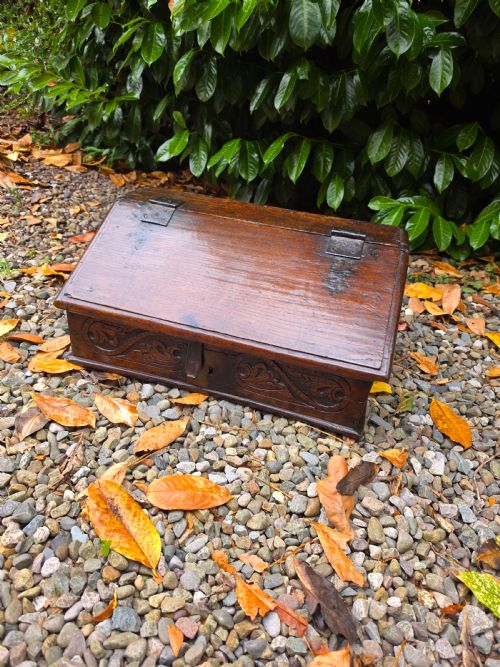


Wooden Slant Front Desk
A wooden slant front desk combines a private writing slope with deep compartment storage, offering a practical writing surface that conceals correspondence when closed.
Wooden Slant Front Desk
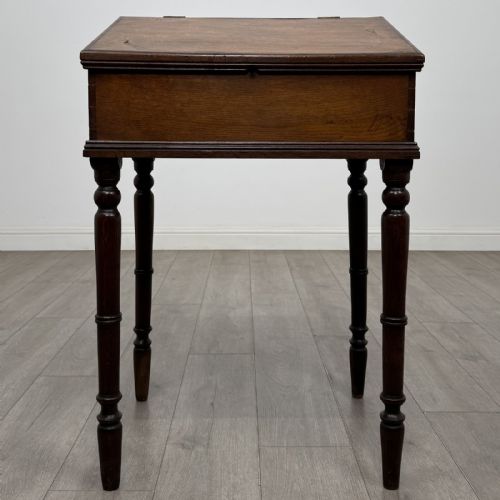
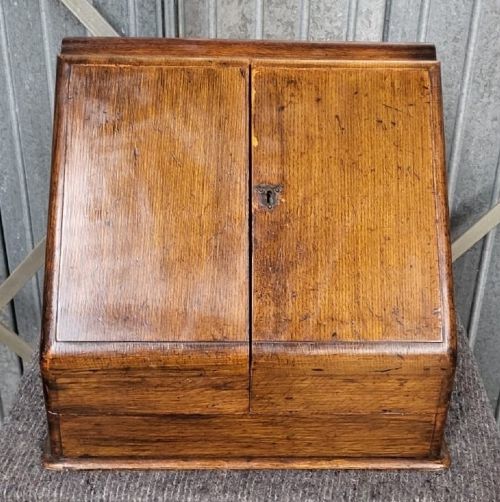
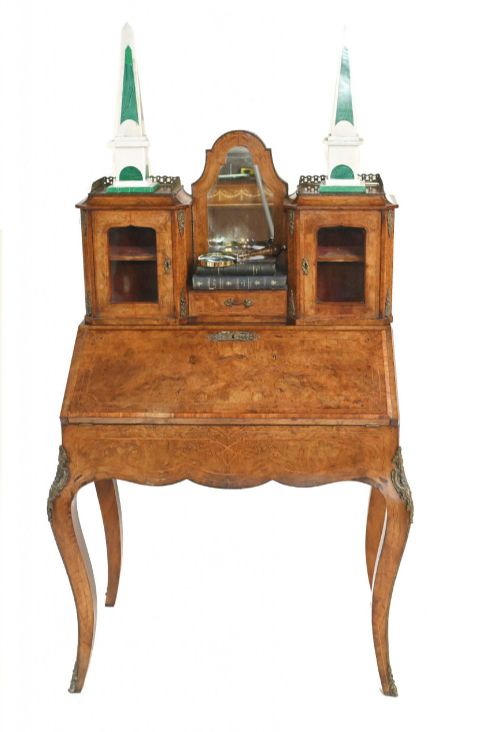
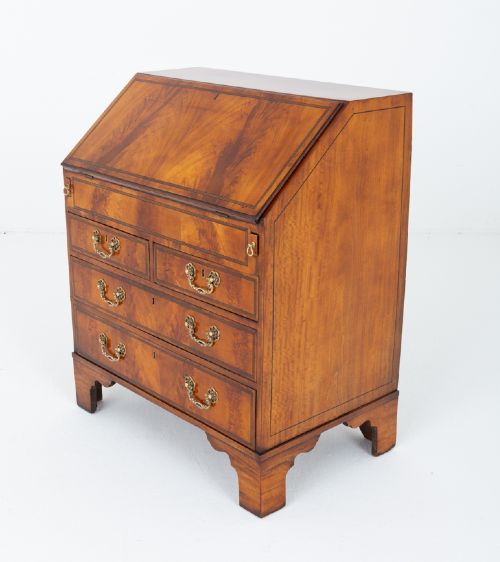
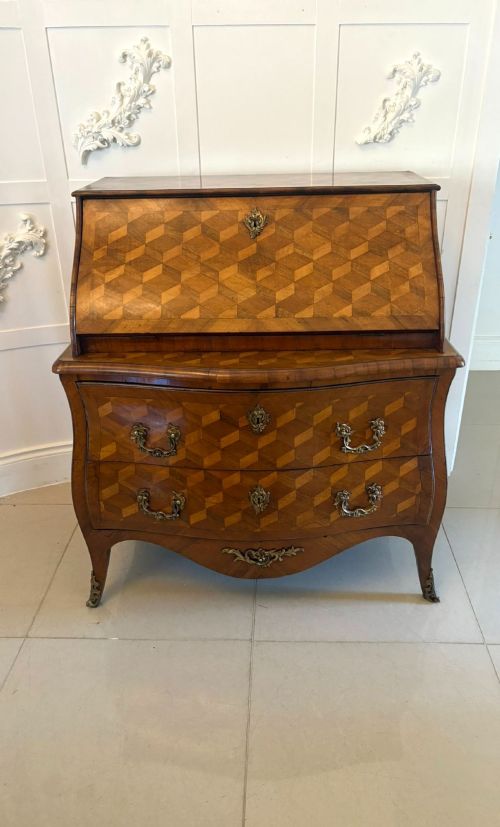
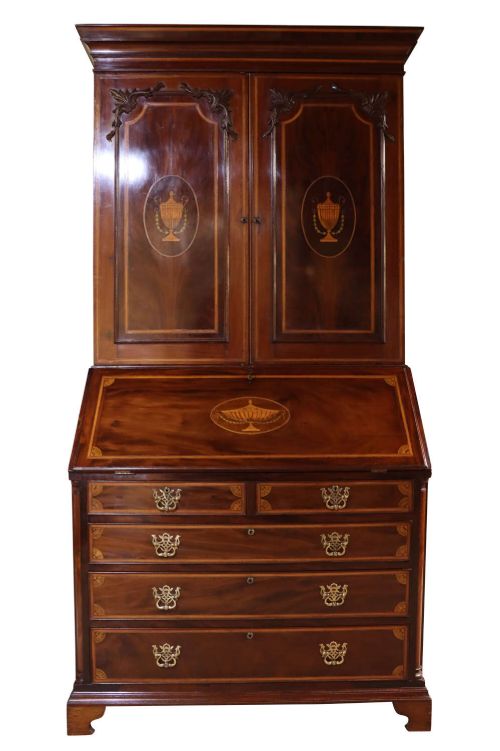
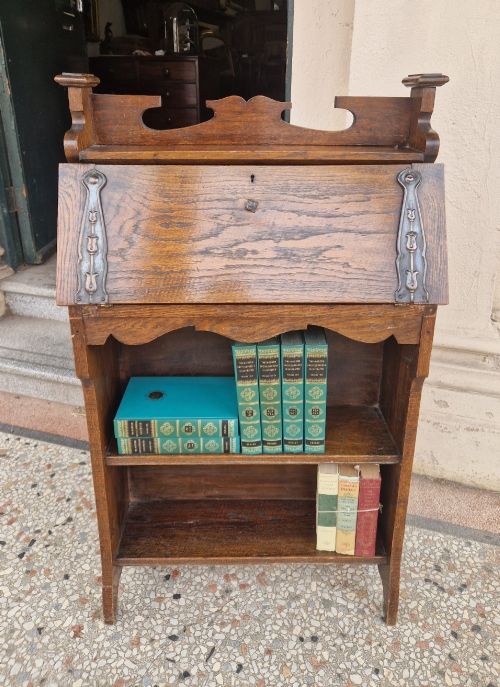
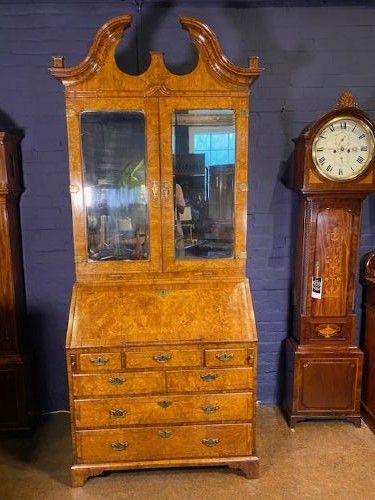
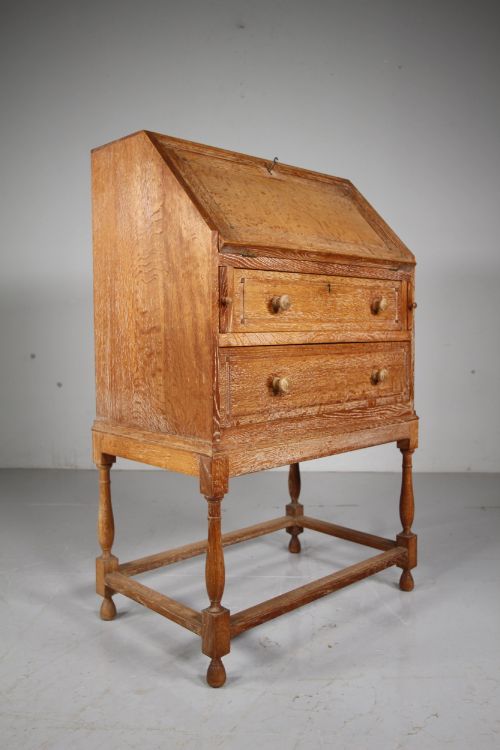
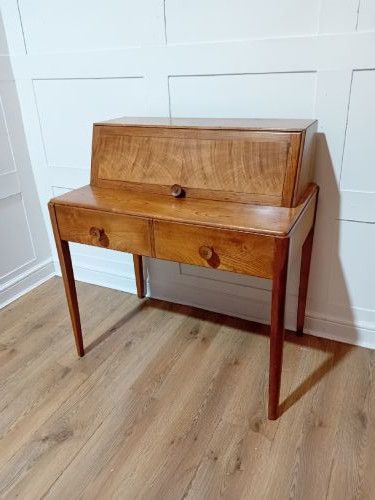
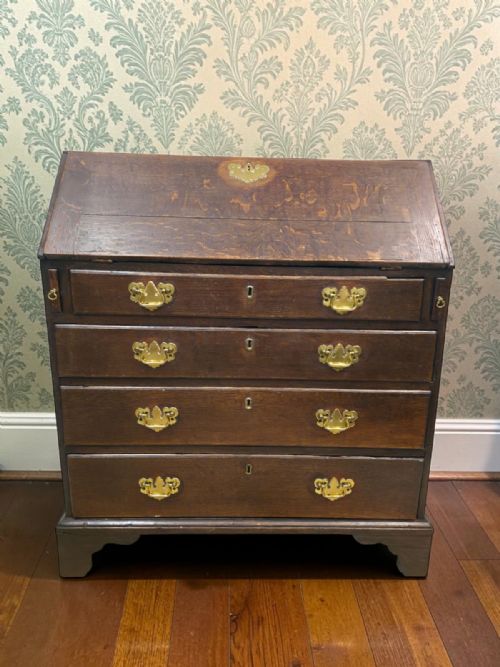
A wooden slant front desk spans centuries of domestic and professional life, appearing primarily as bureaux, bureau bookcases, and desk boxes across this selection. These pieces range from compact 17th century oak bible boxes to substantial Georgian and Victorian bureau bookcases in mahogany, walnut, and elm.
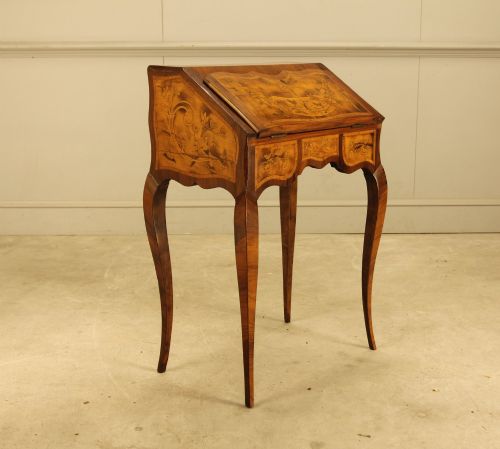
The format relies on a hinged flap that opens downward to form a writing ledge, revealing an interior fitted with small drawers, pigeonholes, and occasionally a secret compartment. Buyers will find both simple provincial examples in oak and elm alongside highly decorative pieces featuring marquetry, parquetry, and fine cabinet timbers.
How they were made
Cabinetmakers utilised solid timbers and figured veneers, applying oak and elm for structural strength and early provincial pieces, while selecting mahogany, walnut, and burr walnut for finer urban furniture. Surfaces frequently display intricate decorative techniques including parquetry, marquetry inlay, and ormolu mounts.
Hardware played an essential structural role, with brass handles, escutcheons, and original ironwork securing drawers and interior compartments. Interior pigeonholes and small drawers were jointed with traditional craftsmanship, often framed by crossbanding and decorative stringing.
Wooden Slant Front Desk Retail Price Guide 2026
Typical asking prices for wooden slant front desk among the pieces listed under this phrase on Sellingantiques today, from the lower quarter to the upper quarter. They describe what is for sale here now, not the wider market.
What varies in quality
Quality rests in the choice of timber, the crispness of internal drawer construction, and the survival of original surface finishes and hardware. Pieces featuring burr figure veneers, complex marquetry, or documented maker labels demonstrate higher levels of workshop ambition.
Proportion and structural integrity distinguish finer examples from standard utility pieces, particularly in how the fall front aligns with the carcase and how internal compartments balance utility with decorative refinement.
Heals of London·Arthur Basil Reynolds·Gillows·Ercol
The Wooden Slant Front Desk Glossary
- Bureau
- A desk featuring a sloping hinged lid that drops to form a writing surface above a chest of drawers. It developed from the earlier desk box during the late seventeenth century.
- Bureau Bookcase
- A two-part form combining a slant front desk base with an enclosed upper shelving or cabinet section. These tall pieces provided comprehensive storage for books and writing materials.
- Slant Front
- The angled writing flap characteristic of these desks, which rests at an incline when closed to shed dust and conceal the inner compartments. It requires strong hinges and proper support brackets to bear the weight of writing.
- Marquetry
- Decorative inlay work using various coloured woods, ivories, or metals to create pictorial or geometric patterns across the exterior surfaces of the desk.
- Parquetry
- A geometric mosaic of wood pieces used for decorative veneer on furniture surfaces. It creates repeating patterns such as cubes or chequers across the fall front or drawer fronts.
Wooden Slant Front Desk: Frequently Asked Questions
What is a wooden slant front desk?
A wooden slant front desk is a traditional form of writing furniture featuring a hinged, sloping lid that folds down to create a desk surface. Behind this flap lies an arrangement of small drawers and pigeonholes for correspondence and documents.
These pieces evolved from portable desk boxes placed on tables into independent floor-standing furniture during the late seventeenth century. They remained popular throughout the Georgian, Victorian, and Edwardian periods in various woods including oak, mahogany, and walnut.
How were these desks used?
These desks served as private writing stations for managing personal correspondence, household accounts, and business records. The lockable fall front allowed owners to secure sensitive documents away from household staff and visitors.
Inside, the fitted compartments kept stationery, inkwells, and sealing wax organised. When closed, the sloping lid protected the writing materials and kept the room tidy.
Where should I place a desk?
A slant front desk works well in studies, living rooms, or bedrooms where its traditional presence adds character. Ensure you allow sufficient floor space behind the desk for a chair when the writing flap is open.
Keep wooden furniture away from direct sunlight and heat sources to prevent the timber veneers from drying and cracking over time. Regular gentle polishing maintains the natural lustre of the wood.
How do I date a desk?
Dating a desk involves examining the construction methods, timber choices, and secondary woods used inside the drawers. Early pieces from the seventeenth and early eighteenth centuries typically feature solid oak or walnut with hand-cut dovetails and wrought iron hardware.
Later Victorian and Edwardian examples often incorporate machine-cut elements, standardised brass fittings, and different secondary timbers like pine. Maker labels, where present, provide the most direct evidence of a piece's origin.