

Wooden Slant Desk
A wooden slant desk provides a sloping surface for writing, combining practical storage with period craftsmanship.
Wooden Slant Desk
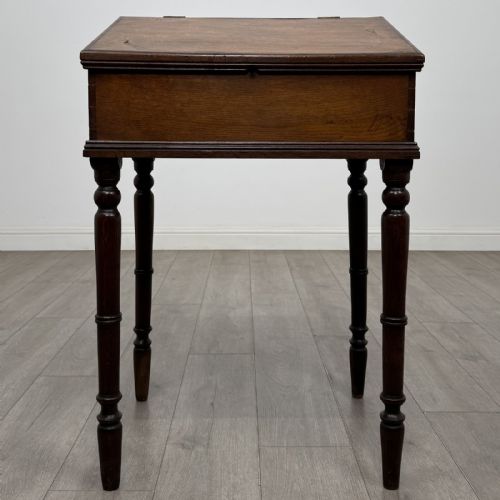
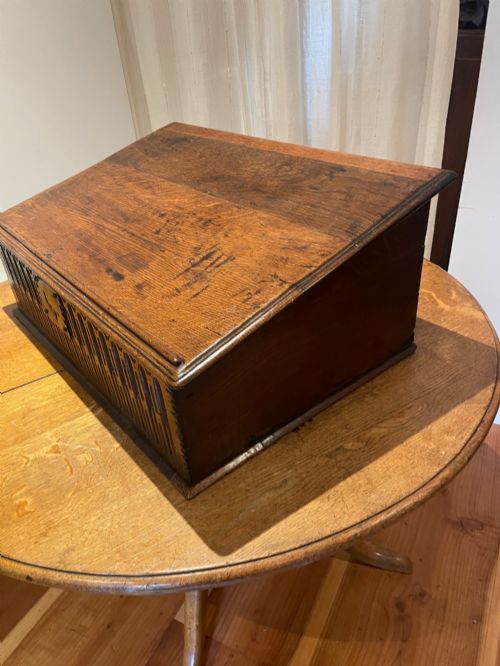
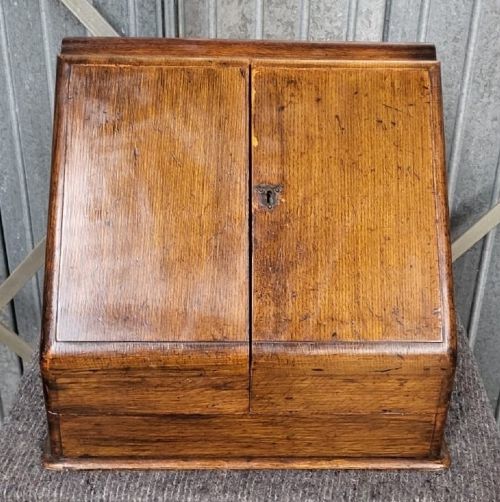
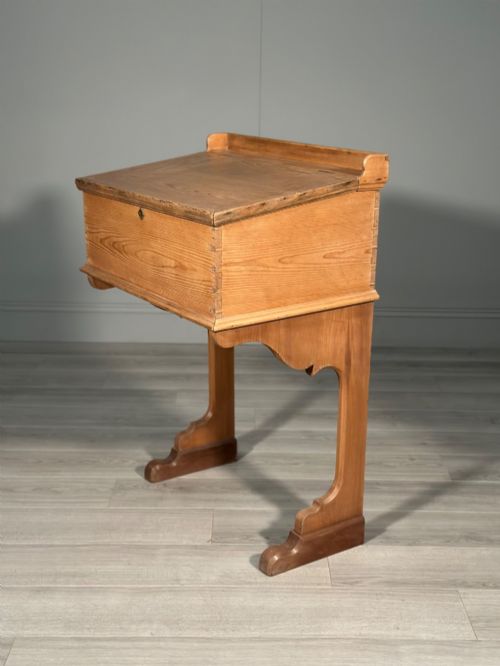
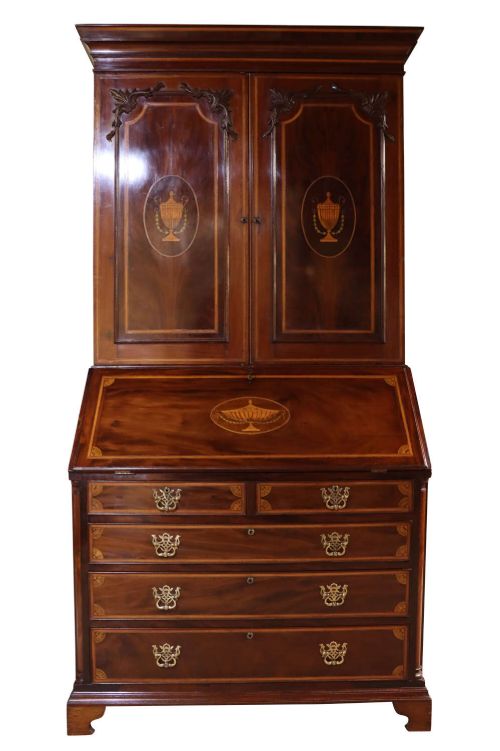
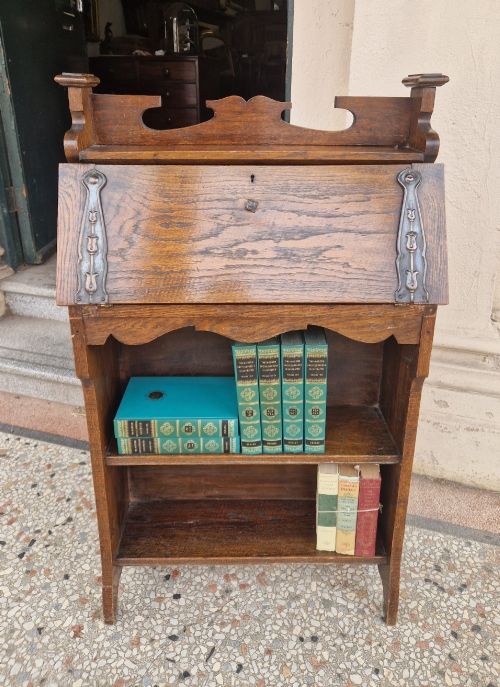
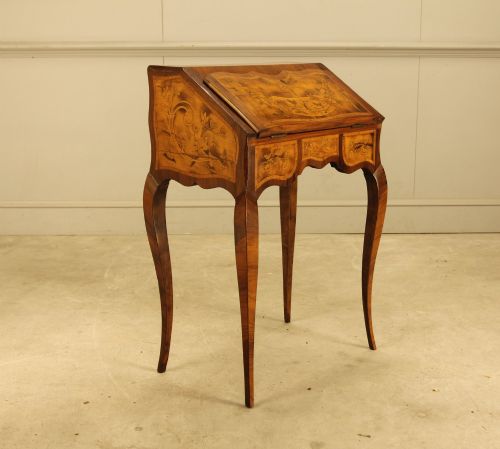
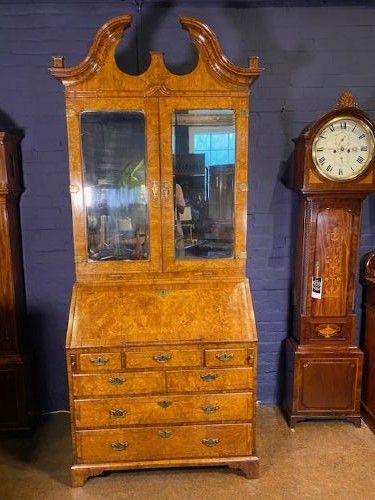
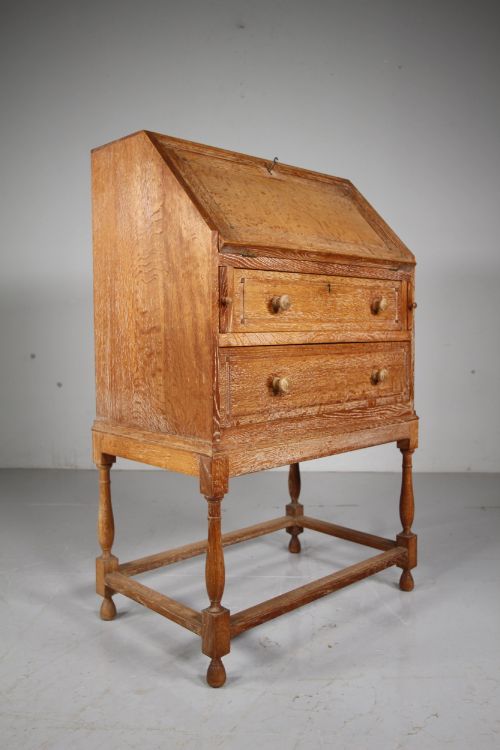
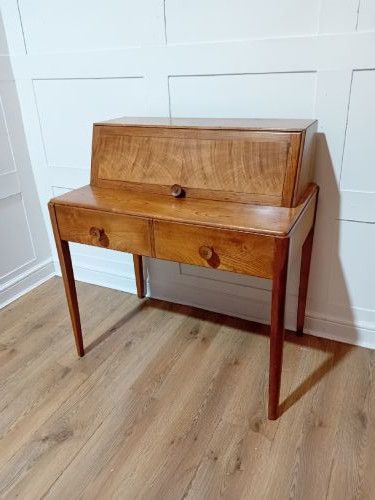
A wooden slant desk encompasses forms such as bureaux, desk boxes, bible boxes, and Davenport desks designed with angled writing tops. These pieces originate from periods spanning the 17th century through to the Edwardian era and the 1900s.
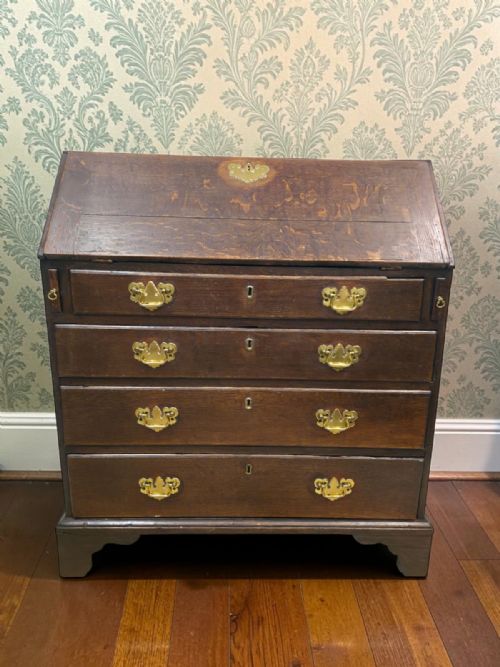
Buyers will frequently encounter oak and mahogany examples from the Georgian and Victorian periods. Forms range from compact table-top boxes to substantial bureau bookcases and fitted writing stations.
Materials and construction
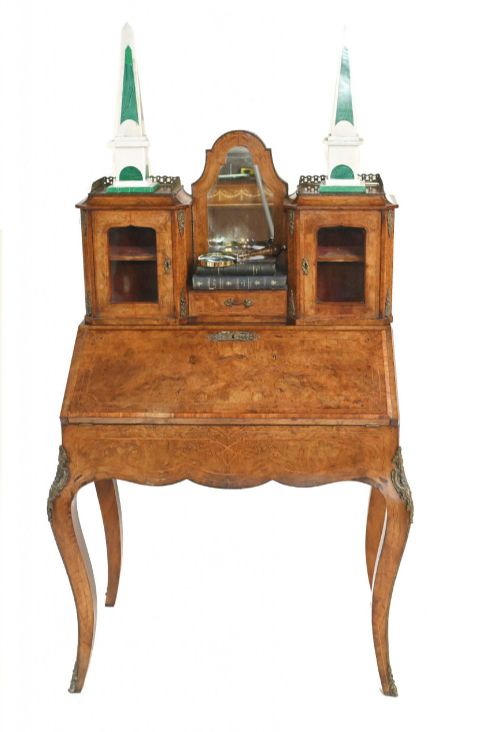
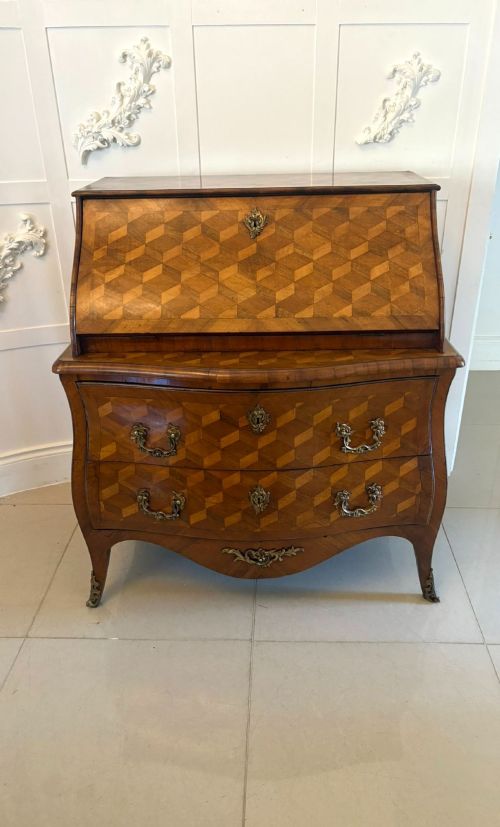
Cabinet makers utilised timbers including oak, mahogany, walnut, burr walnut, elm, and pine, often pairing them with brass hardware and leather writing inserts. Surface decoration incorporates marquetry and inlaid details in satinwood.
Construction methods range from early pegged joints on 17th-century bible boxes to sophisticated drawer arrangements in later Davenport desks and bureau bookcases.
Wooden Slant Desk Retail Price Guide 2026
Typical asking prices for wooden slant desk among the pieces listed under this phrase on Sellingantiques today, from the lower quarter to the upper quarter. They describe what is for sale here now, not the wider market.
The selection includes pieces constructed from oak, mahogany, walnut, burr walnut, elm, pine, and olivewood across multiple centuries.
Assessing quality and character
Quality rests in the choice of timber, such as figured burr walnut or dense mahogany, and the precision of the interior fittings like pigeonholes and small drawers. Untouched original surfaces and period ironwork elevate a piece significantly.
The sophistication of the design, from simple pine clerks' desks to elaborate Arts and Crafts or Queen Anne bureau bookcases, defines the distinction between utilitarian work furniture and formal household pieces.
Heals of London·Arthur Basil Reynolds·Gillows·Maple and Co·Pairs MFG Co
The Wooden Slant Desk Glossary
- Bureau
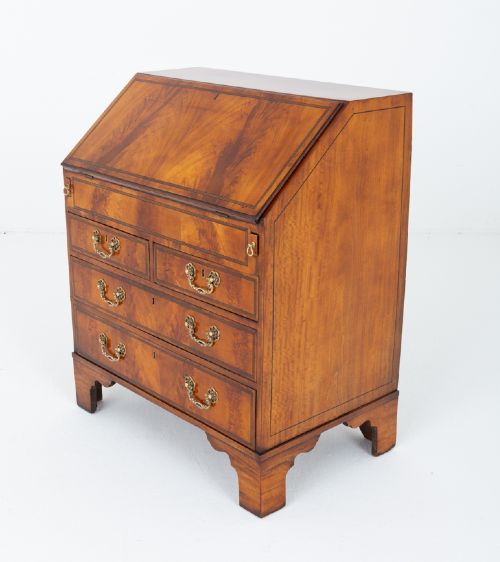
- A writing desk featuring a sloping fall-front lid that opens to reveal internal compartments. This form evolved from simple desk boxes mounted on stands.
- Davenport desk
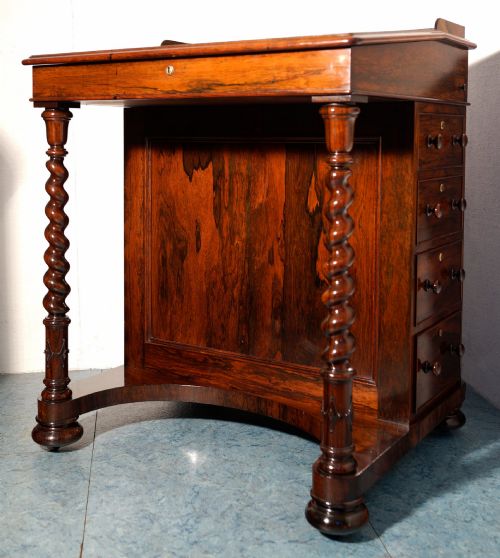
- A compact Victorian writing desk featuring a sloping top and drawers accessed from the side. They frequently incorporate satinwood interiors.
- Fall front
- A hinged writing flap that lowers to form a horizontal or angled surface for work. It conceals pigeonholes and small drawers when closed.
- Bible box
- A small wooden box with a slanted lid used originally for holding books and writing materials. These date back to the 17th and 18th centuries.
- Bureau bookcase
- A tall two-part piece combining a sloping desk base with upper shelving enclosed by doors. Examples appear in walnut and mahogany from the 17th century onward.
Wooden Slant Desk: Frequently Asked Questions
What is a wooden slant desk used for?
These pieces served historically for correspondence, record keeping, and storing documents securely within fitted internal compartments. The sloping lid provided an ergonomic angle for handwriting before the widespread use of flat-topped tables.
Today, they function as practical writing furniture and display focal points in a room, offering concealed storage for modern stationery or laptops.
How do I identify a Georgian slant desk?
Georgian pieces, dating from the 18th century and early 19th century, typically feature dense mahogany or oak construction with bracket feet and brass butterfly hinges. The internal fittings often include secret compartments and classically arranged pigeonholes.
Examining the secondary timbers inside the drawers and the hand-cut dovetails helps confirm the period of manufacture alongside the overall proportion and style.
What is the difference between a bureau and a Davenport?
A bureau provides a wide fall-front writing surface that opens forward from a vertical carcase containing full-width drawers. They are predominantly floor-standing furniture pieces from the 17th, 18th, and 19th centuries.
A Davenport is a much more compact Victorian or Regency form where the sloping desk lid remains fixed, and the drawers pull out from the side rather than the front.
How should I care for an antique wooden desk?
Keep wooden furniture away from direct heat sources and strong sunlight to prevent the timber and leather writing surfaces from drying out or splitting. Maintaining a stable indoor climate preserves the finish and structural integrity.
Apply traditional wax polish sparingly to nourish the wood and maintain the natural lustre of older oak, mahogany, or walnut surfaces without sealing them with modern synthetics.