

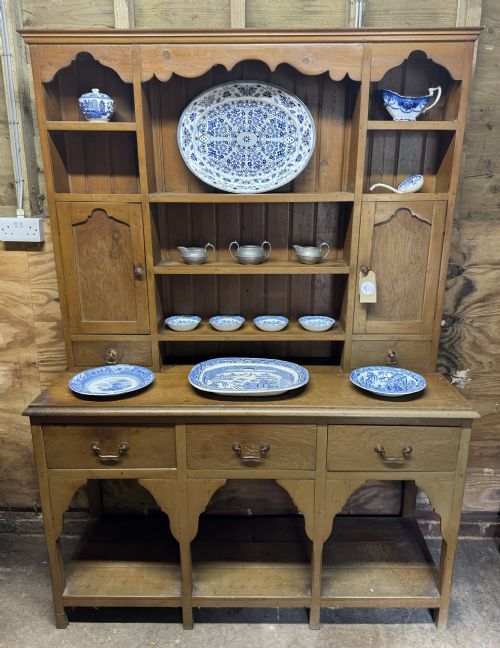
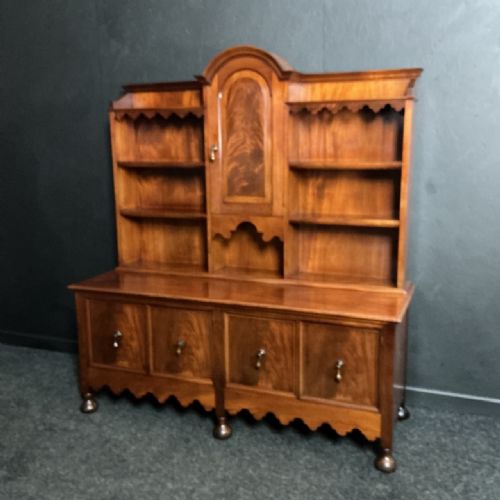
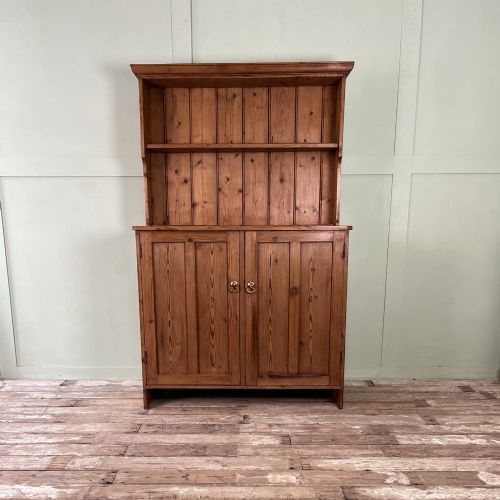
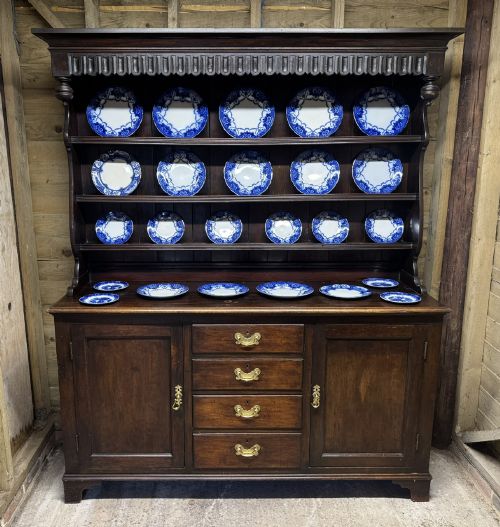
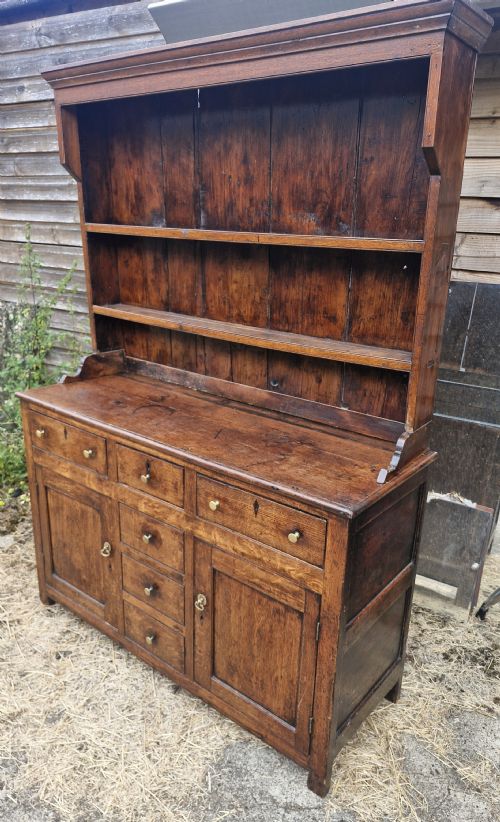
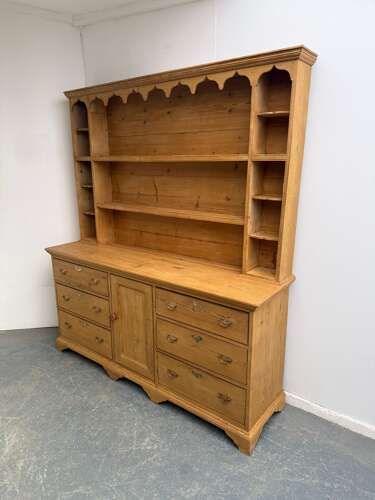


Wooden Sideboard with Rack
A wooden sideboard with rack combines a robust base for storage with a shelved upper tier for display.
Wooden Sideboard with Rack
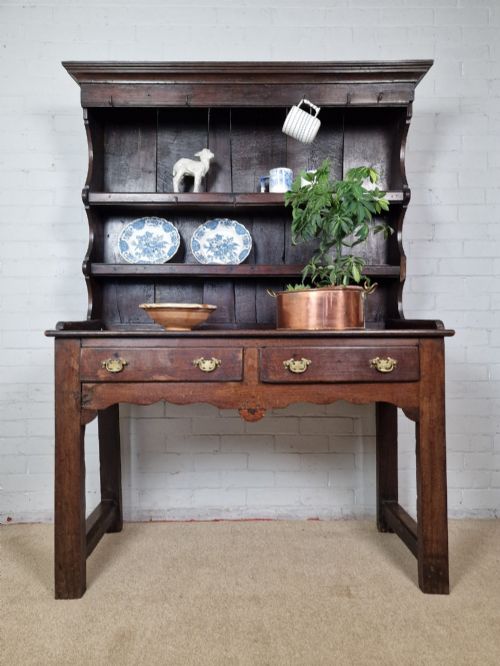
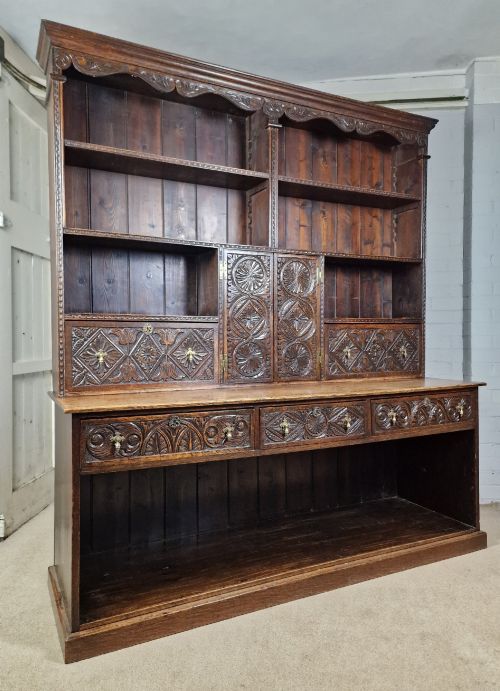
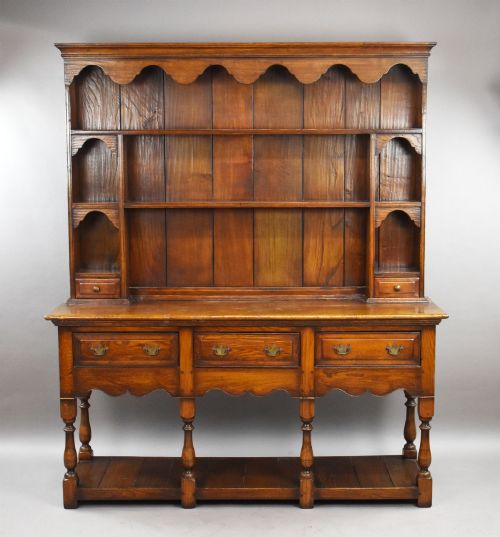
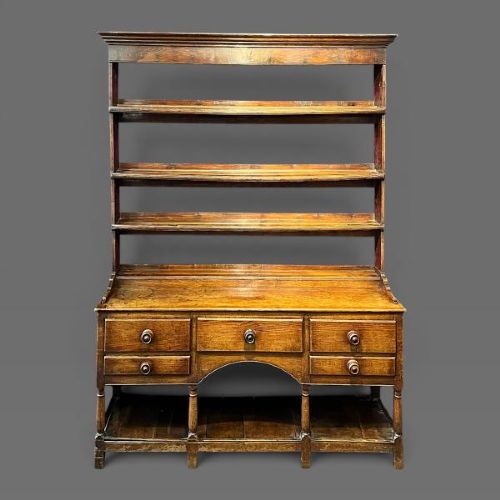
A wooden sideboard with rack serves as a substantial storage and display unit, combining a lower cabinet or drawer base with an upper plate rack. Buyers searching for this phrase encounter traditional furniture forms spanning the eighteenth century, nineteenth century, and early twentieth century.
The pieces present on this page originate from diverse regional traditions, including English country workshops, Welsh vernacular makers, and continental European sources. Common structural types include two-part dressers, potboard bases, and cottage sideboards paired with original plate racks.
Materials range from native timbers like oak, elm, and pine to more decorative veneers such as burr walnut and flame mahogany. Stylistic influences span George III, Georgian Country, Edwardian, and rustic farmhouse aesthetics.
Construction and materials
Cabinetmakers utilised solid timbers including oak, pine, elm, and maple for the primary carcases, drawers, and shelving structures. Selected pieces incorporate brass hardware and iron fittings to secure doors and drawers.
Surface finishes include original patinated polish, painted treatments on pine and fruitwood, and detailed hand carving on structural elements. Joinery methods reflect traditional regional construction, uniting heavy framework with pegged joints and fitted rackbacks.
Wooden Sideboard with Rack Retail Price Guide 2026
Typical asking prices for wooden sideboard with rack among the pieces listed under this phrase on Sellingantiques today, from the lower quarter to the upper quarter. They describe what is for sale here now, not the wider market.
Certain eighteenth-century oak dressers feature carved wooden figures of kings standing guard beside the plate shelves.
Quality variations
Quality differences depend on the selection of timber grades, from dense figured oak and burr walnut to utilitarian pine and fruitwood. Superior examples display balanced proportions between the lower sideboard base and the upper rack, along with harmonious integration of original brass handles and hinges.
The integrity of the surface patina and the preservation of original backing boards and shelves distinguish high-grade regional furniture from later alterations. Craftsmanship in drawer construction and timber thickness further separates standard vernacular items from exceptional George III pieces.
The Wooden Sideboard with Rack Glossary
- Potboard
- An open slatted lower shelf incorporated into the base of a dresser, traditionally used for storing pots and pans. This platform sits just above the floor between the main legs.
- Patina
- The surface sheen and colour acquired by wood through age, handling, and regular polishing over generations. Original patination indicates minimal chemical stripping and long-term preservation.
- Vernacular
- Furniture designed and built by local country craftsmen to serve practical household needs rather than following strict metropolitan academic styles. These pieces often utilise regionally available native timbers.
- Two-part dresser
- A large furniture form constructed as two separate sections, comprising a lower sideboard or base cabinet and a detachable upper rack. This construction method facilitated easier transport within rural houses.
Wooden Sideboard with Rack: Frequently Asked Questions
What is a wooden sideboard with rack?
A wooden sideboard with rack is a combined furniture item featuring a lower storage cabinet with drawers or cupboards and an upper open shelving unit for display.
These pieces function as primary storage units for dining rooms and kitchens, holding dinnerware in the upper rack while concealing linens and utensils below.
How do I date an antique wooden sideboard?
Dating relies on examining construction techniques, timber species, hardware styles, and overall stylistic vernacular characteristics.
Eighteenth-century examples often display hand-cut joinery and native oak construction, while Edwardian and later pieces show machine assistance and varied secondary woods.
Can I separate the rack from the base?
Many traditional examples, particularly two-part dressers, are constructed as separate upper and lower sections resting together for stability.
Checking the intersection reveals whether the rack lifts off independently or remains permanently fixed to the rear of the sideboard.
How should I clean wood patina?
Maintaining wood patina requires gentle dusting with a soft dry cloth and occasional application of appropriate beeswax formulations.
Harsh chemical cleaners strip the aged surface finish and diminish the historic character developed over centuries of use.