


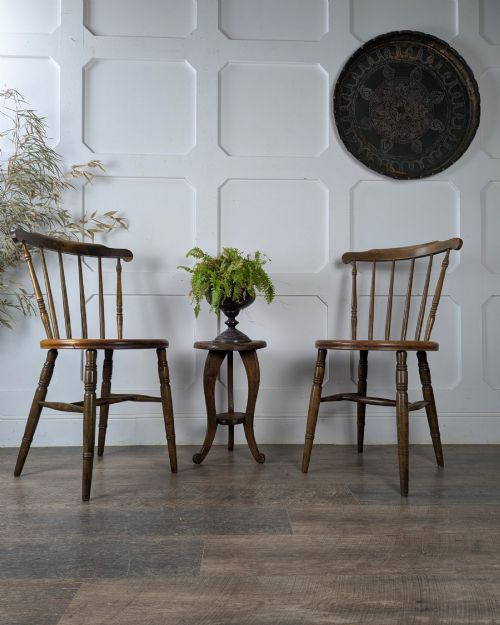
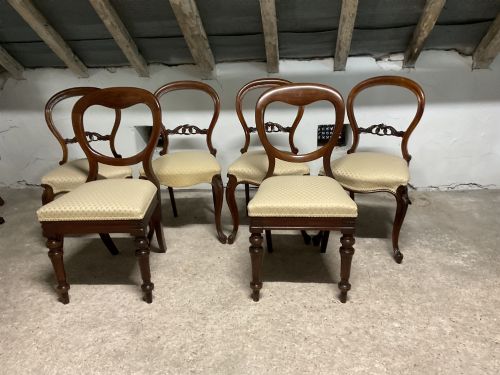
Wooden Side Chairs Pair
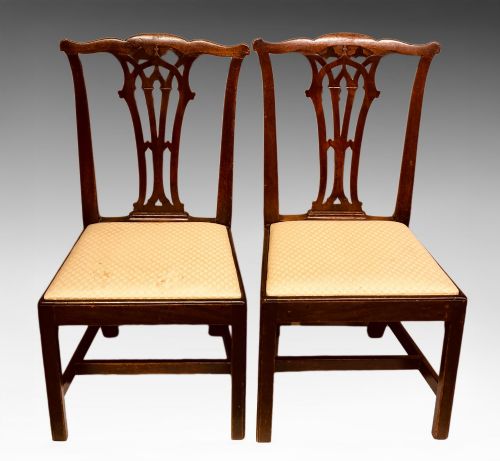
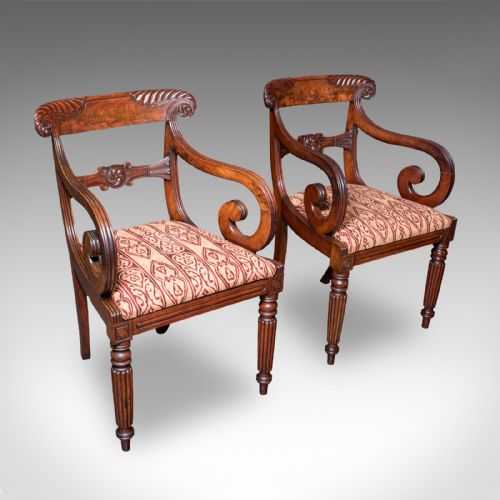
These wooden side chairs pair selections offer matching seating in mahogany, oak, and elm spanning Georgian, Regency, and Victorian periods.
Wooden Side Chairs Pair
When you search for a wooden side chairs pair, you encounter matching seating designed for dining rooms, halls, and reception spaces. The inventory spans periods from the eighteenth century through the Victorian era and into the twentieth century.
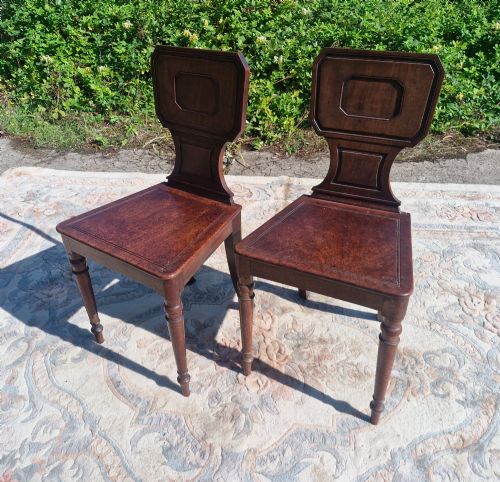
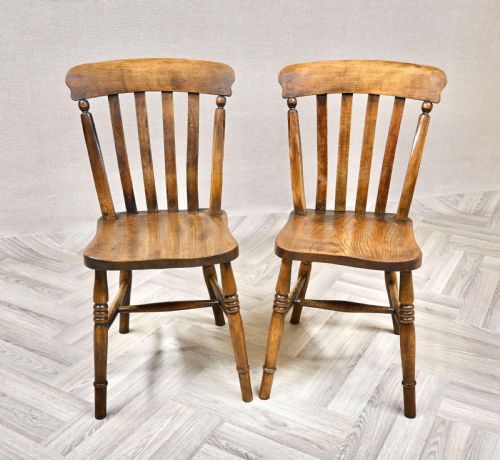
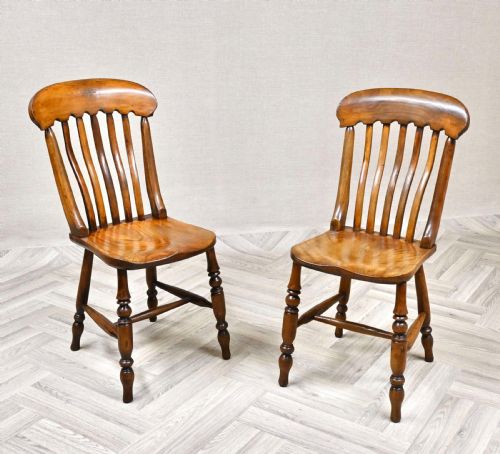
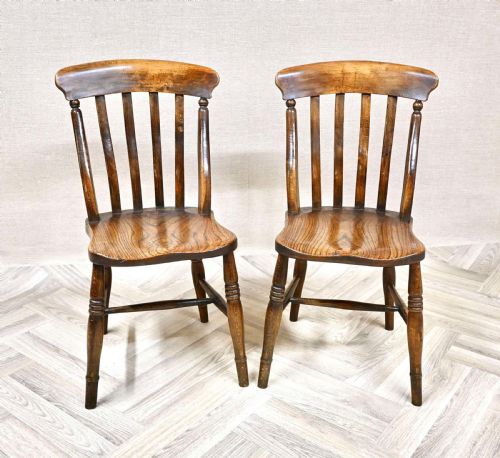
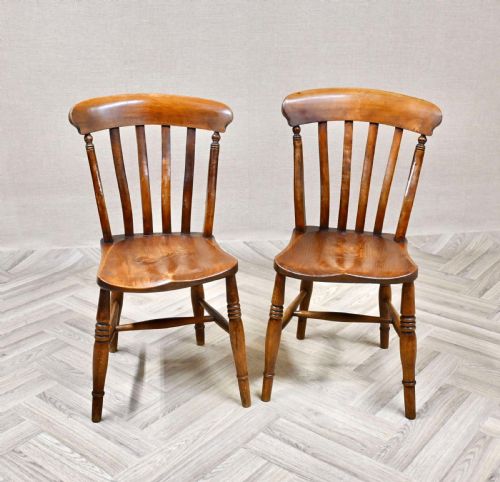
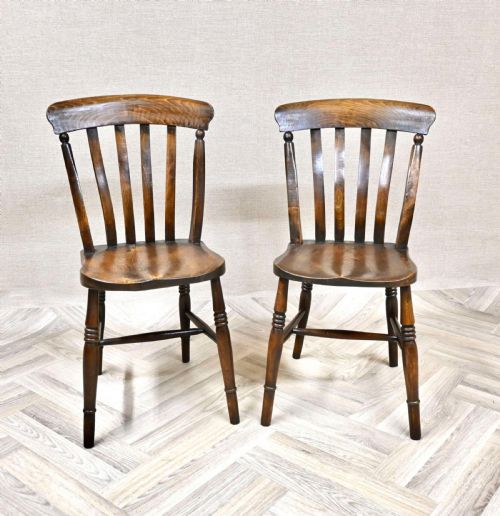
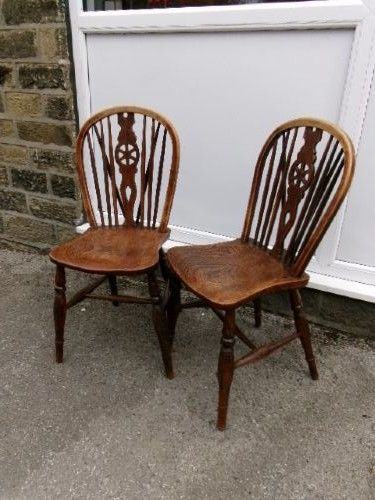
You are most likely to meet mahogany and oak examples, particularly hall chairs and dining chairs from the Regency and Victorian periods. Country vernacular forms such as Windsor and kitchen chairs also appear frequently in elm and beech.
The selection includes specific regional designs, such as Scottish Regency and French pieces, alongside revival styles including Gothic, Baroque, and Renaissance Revival. These matching pairs provide both decorative symmetry and functional seating.
Materials and construction
Cabinet makers utilised durable hardwoods including mahogany, oak, walnut, and elm to build these chairs. Turnery, carving, and joinery techniques shaped the solid timber frames and legs.
Many dining and reception models feature upholstered pads covered in fabrics such as velvet and specialised upholstery cloth. Other examples employ turned spindles, bobbin turning, and steam-bent components as seen in Windsor and bistro types.
Listings feature eighteenth-century, nineteenth-century, and twentieth-century periods, utilising mahogany, oak, elm, beech, walnut, and fabric materials.
Factors of quality
The standard of timber selection and the crispness of hand carving determine the distinction between ordinary and superior pairs. Dense, well-figured mahogany or quarter-sawn oak displays better natural grain and enduring structural integrity.
Attention to joinery detail and original surface patination elevate certain examples above standard production. The preservation of original decorative paint, lacquer, or upholstery fabric further distinguishes higher quality pairs.
The Wooden Side Chairs Pair Glossary
- Hall chair
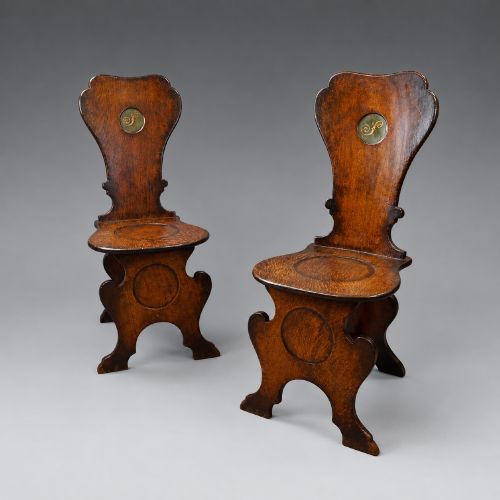
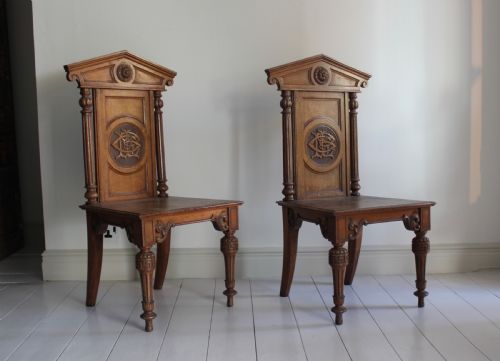
- A rigid wooden seat, often featuring a carved or painted solid timber back, traditionally placed in an entrance hall. These pieces frequently display family crests or decorative shields.
- Windsor chair
- A wooden seating form constructed with a solid elm or hardwood saddle seat into which turned legs and spindles are wedged. The back construction typically involves a bent bow or lath.
- Bobbin turned
- A method of woodturning that creates a series of rounded, spool-like shapes along the length of a chair leg or stretcher. This decorative technique is common in seventeenth and eighteenth-century furniture.
- Balloon back
- A rounded, oval-shaped chair back resembling the profile of a balloon, popular during the Victorian period. This design provides ergonomic support while offering an elegant silhouette.
- Yokeback
- A traditional chair design featuring a curved top rail that resembles an ox yoke, frequently found in classic Asian furniture forms. The arms and posts integrate smoothly into the overall frame.
Wooden Side Chairs Pair: Frequently Asked Questions
What defines a hall chair?
Hall chairs are rigid wooden seats with solid timber backs designed for placement in entrance halls rather than prolonged dining use. They often feature carved crests, shields, or painted decoration.
These pieces served a transitional function in formal homes where guests waited briefly. Their sturdy construction allowed them to withstand heavy daily traffic.
How do I identify a Windsor chair?
Windsor chairs are built with a thick solid seat, usually elm, into which the legs and back spindles are directly inserted. They lack traditional heavy framework, relying on turned wooden components.
Country versions often incorporate bentwood bows or lath backs. This clever engineering provides exceptional strength and flexibility from relatively slender timber.
Where should I place these chairs?
Matching pairs suit entrance halls, bedrooms, and dining settings where symmetry enhances the room layout. Side chairs function well against walls or paired flanking a console table.
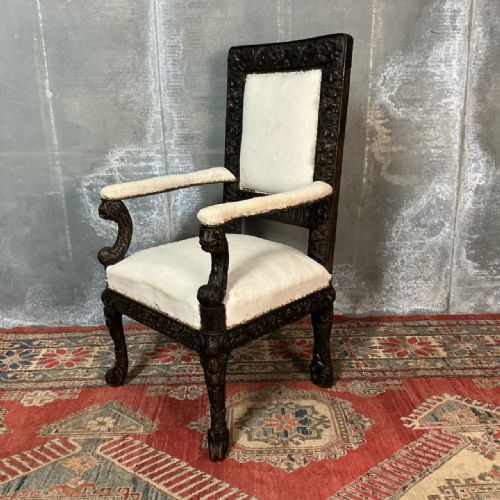
Armchairs and reception seats work effectively in studies or morning rooms. Their decorative timber frames add architectural interest to empty corners.
How are periods told apart?
Georgian and Regency chairs display classical restraint with clean lines, mahogany construction, and subtle carved details. Victorian examples often feature heavier proportions, balloon backs, and elaborate revival ornamentation.
Eighteenth-century models utilise simpler joinery and native timbers like oak and elm. Examining the turning style and wood species clarifies the era of manufacture.