






Wooden Shop Display
A wooden shop display brings commercial history into domestic interiors through functional items built for trade.
Wooden Shop Display
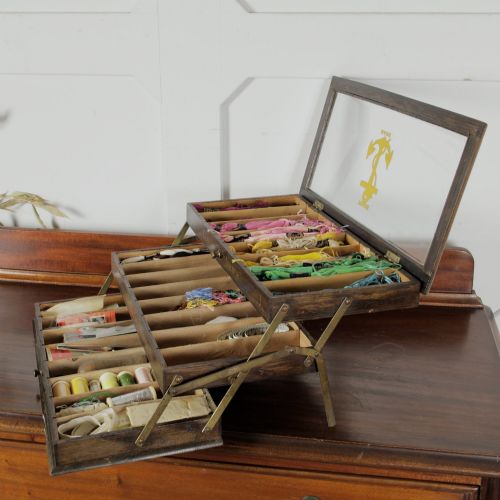
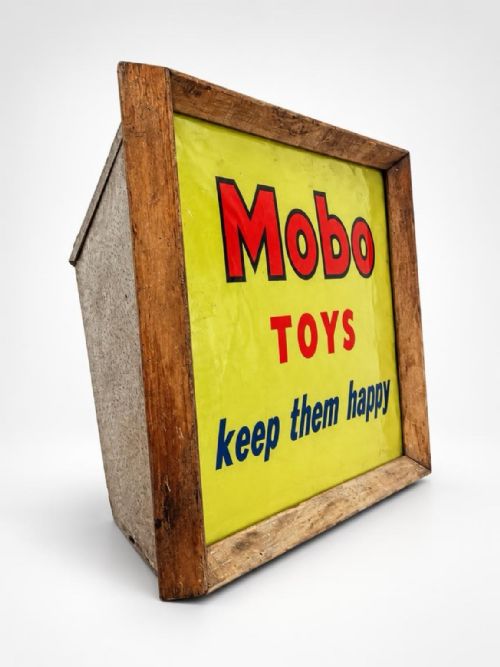
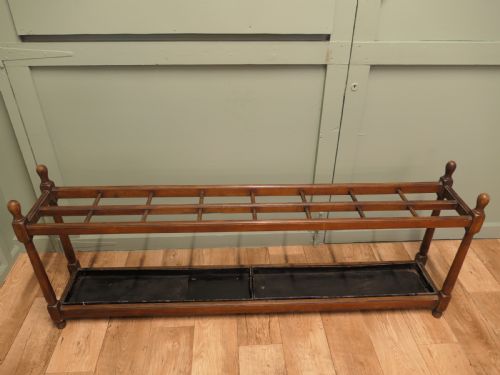
When you search for a wooden shop display, you encounter practical items originally made for merchandising goods in 19th-century and 20th-century retail environments. The selection relies heavily on countertop cabinets, trade signs, advertising units, and specialised stands from periods spanning the Victorian era through the 1930s.
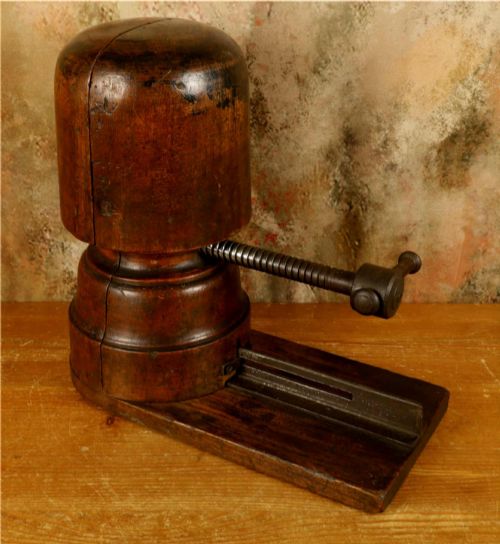
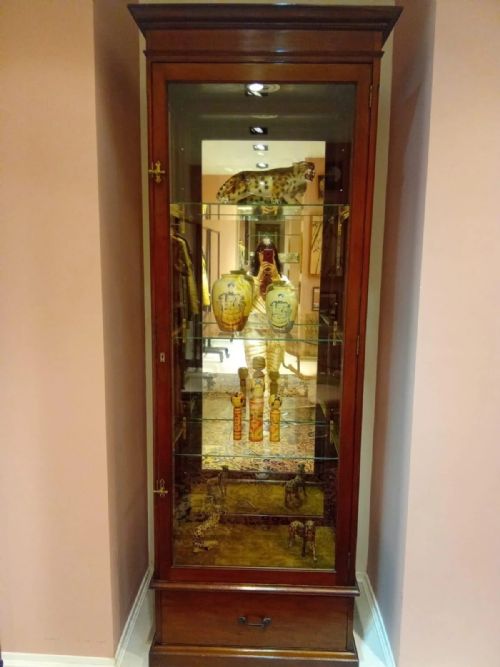
Countertop display cabinets and glazed tabletop cases represent the standard forms, constructed in oak or mahogany to showcase goods securely. Alongside these, trade signs, painted advertising boards, and utilitarian items such as hat stretchers and draper's tables form the primary examples available.
Materials and construction methods
Makers utilised durable hardwoods including oak and mahogany for structural integrity, pairing them with pine and cedar for internal framing. Glazed panels utilised clear glass, while brass fittings, iron hinges, and painted surfaces added both structural reinforcement and brand identification.
Construction techniques balanced functional utility with display clarity, combining dovetailed joints on cabinetry with hand-painted lettering on trade signs. Mechanical elements appeared in specialised dispensing cabinets and automated display models, reflecting the commercial ingenuity of the period.
Wooden Shop Display Retail Price Guide 2026
Typical asking prices for wooden shop display among the pieces listed under this phrase on Sellingantiques today, from the lower quarter to the upper quarter. They describe what is for sale here now, not the wider market.
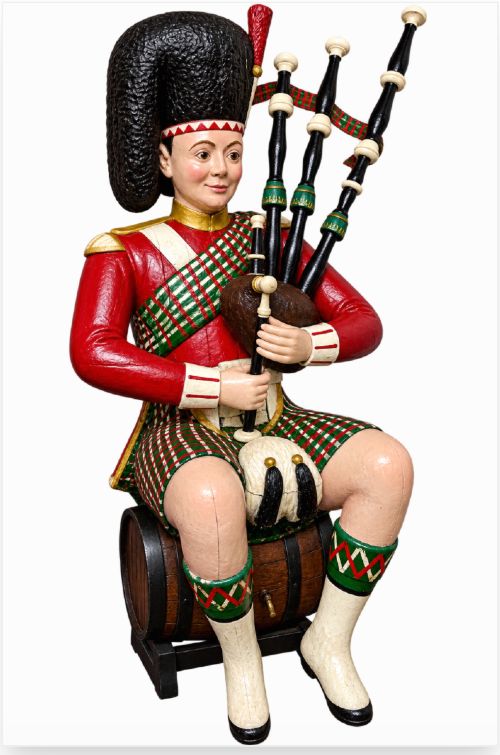
Automated cobblers and mechanical soap dispensers reveal how early retailers relied on moving wooden parts to catch passing eyes.
Differentiating quality in trade items
Quality rests on the integrity of the original commercial purpose, distinguishing bespoke retail furniture from mass-produced advertising pieces. Cabinets featuring adjustable glass shelves, original brass hardware, and clean joinery indicate higher manufacturing standards.
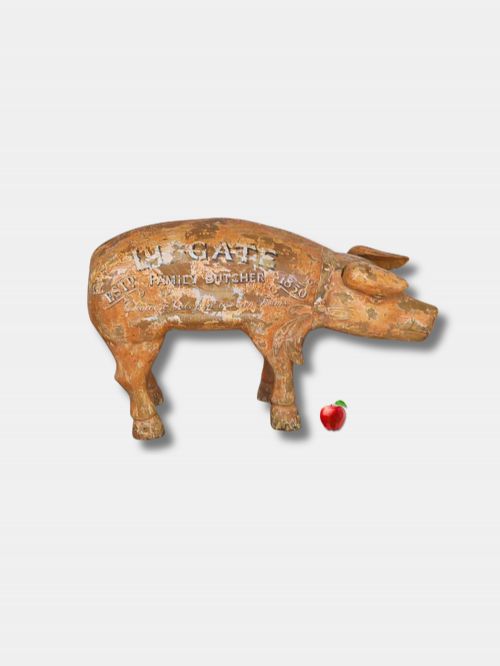
The survival of original painted finishes on advertising signs and trade figures defines the upper tier of objects. Items retaining authentic branding, such as legible maker inscriptions or period product names, hold greater documentary value than altered or heavily restored pieces.
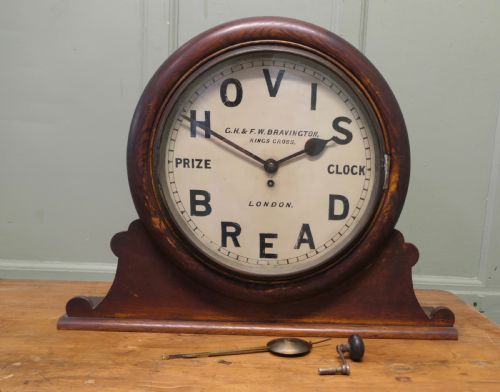
Clark’s Anchor·Knight’s Castile·G.H.& F.W. Bravington London·Gerwin & Co Birmingham·Watsons Matchless Soap·GBD·Fry’s Chocolate·Ermen & Roby·H. UPMANN Habana·Saml. Elliott & Sons
The Wooden Shop Display Glossary
- Haberdashery cabinet
- A multi-drawer retail unit with glass fronts or pull-out trays designed for storing and displaying small sewing goods, buttons, and ribbons.
- Trade sign
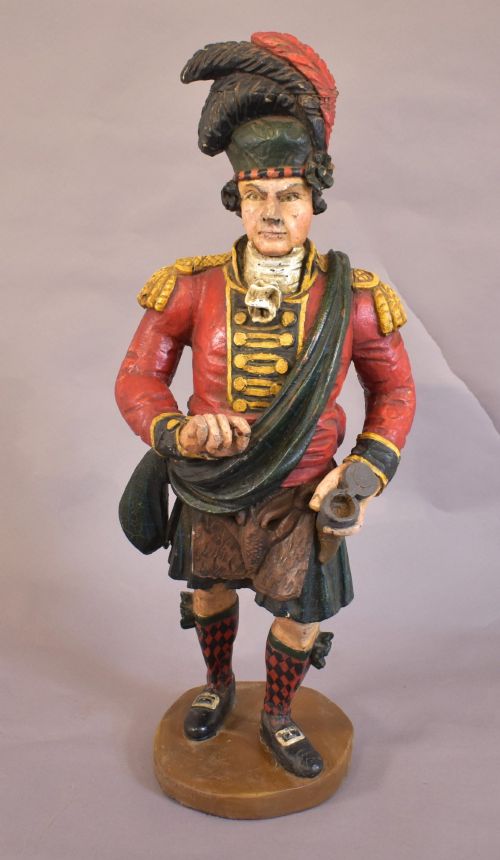
- A painted board or carved figure displayed outside or inside a shop to indicate the specific merchandise sold within.
- Hat stretcher
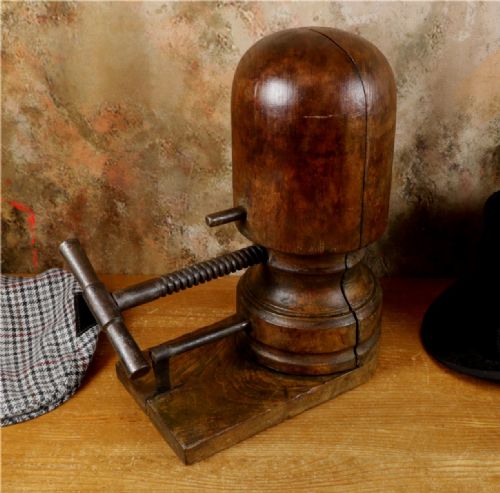
- A wooden mechanical tool utilised by milliners and hatters to adjust the size of headwear during retail fitting.
- Dummy board
- A flat, painted wooden figure shaped as a person or animal, positioned in a shop to attract attention or model clothing.
- Display counter
- A shop fixture featuring a glazed top or front section intended for browsing goods while maintaining security.
Wooden Shop Display: Frequently Asked Questions
What is a wooden shop display?
A wooden shop display encompasses furniture, signs, and fixtures originally utilised by merchants to store, advertise, and sell goods in retail premises.
These objects include countertop glass cabinets, haberdashery drawers, trade signs, and specialised hat stretchers dating from the Victorian period to the mid-twentieth century.
How were display cabinets used?
Merchants placed countertop cabinets and glazed cases on shop counters to protect delicate merchandise while permitting customers to view products clearly.
Shelves inside these cases often adjusted to accommodate varying heights of items like clocks, jewellery, or tobacco products.
How do I date a trade sign?
Dating relies on identifying the typography, painting techniques, and the specific commercial brands or company names referenced in the design.
Materials such as pine, oak, and iron, alongside the style of lettering, help distinguish Victorian examples from later 1930s advertising pieces.
Can I use these items at home?
These commercial pieces integrate easily into modern interiors as functional storage cabinets, shelving, or wall art.
Countertop cases suit living spaces for displaying collections, while larger tables and signs serve practical roles in kitchens and hallways.