









Wooden Shop Counter Display
A wooden shop counter display offers a glimpse into early commercial life, combining utility and craftsmanship to showcase goods.
Wooden Shop Counter Display
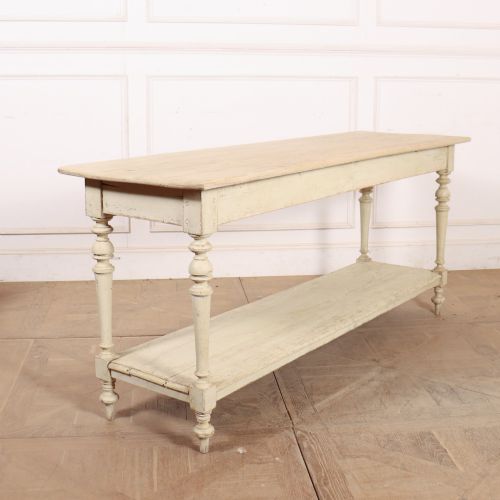
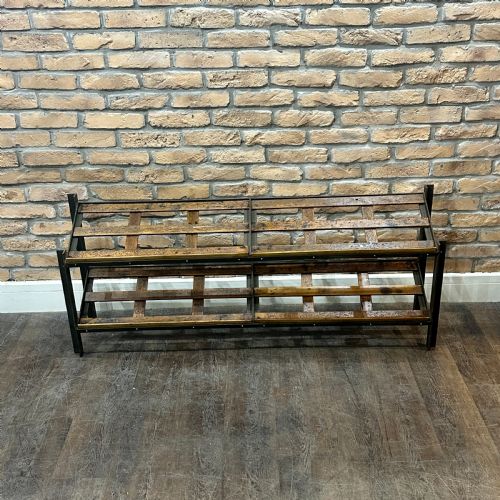
A wooden shop counter display encompasses items built for commercial environments, spanning Victorian beginnings through to the 1930s. Buyers will find display cabinets, shop fittings, and drapers tables designed to hold merchandise in public view.
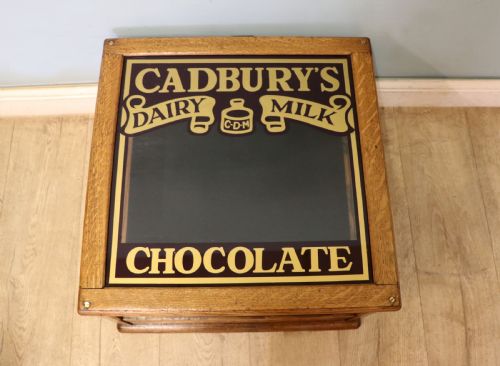
The selection ranges from oak and mahogany countertop cases to specialised haberdashery cabinets and advertising units. These pieces reflect the shift toward branded retail display during the nineteenth and early twentieth centuries.
Materials and Construction
Makers utilised sturdy timbers like mahogany, oak, and pine to construct the primary frames and carcases. Glass panels were incorporated to protect goods while maintaining visibility for customers browsing the counter.
Metal fittings in brass and bronze provided structural support and operational hardware for doors and dispensers. Paper and painted elements appeared on advertising signs and branded display units.
Wooden Shop Counter Display Retail Price Guide 2026
Typical asking prices for wooden shop counter display among the pieces listed under this phrase on Sellingantiques today, from the lower quarter to the upper quarter. They describe what is for sale here now, not the wider market.
A tiny linen button box holder waits quietly to organise your smallest regrets.
Factors of Quality
Quality rests in the precision of the timber joinery and the integrity of the original glass and hardware. Finer examples retain their original maker's lettering, brass framing, and operational mechanisms without modern alterations.
The sophistication of the design sets higher tiers apart, from simple pine boxes to elaborate glazed mahogany cabinets and brass-framed counters. Original surfaces and authentic advertising details elevate the character of a piece.
Saml. Elliott & Sons
The Wooden Shop Counter Display Glossary
- Haberdashery cabinet
- A specialised multi-drawer unit originally used for storing and displaying sewing accessories, ribbons, and buttons. These often feature glass fronts or drawer labels to assist shopkeepers.
- Countertop display cabinet
- A glazed showcase designed to sit upon a retail shop counter for secure customer viewing. They protect small goods while keeping them at eye level.
- Drapers table
- A long wooden table utilised in cloth and textile merchant shops for measuring and displaying fabrics. They originate from the nineteenth century and French provincial traditions.
- Dispensing cabinet
- A functional unit built to release specific products such as soap, tobacco, or paper rolls upon operation. These mechanical cases combine storage with point-of-sale utility.
Wooden Shop Counter Display: Frequently Asked Questions
What were wooden shop counter displays used for?
These pieces served as functional fixtures in retail environments to store, protect, and advertise merchandise directly to customers. Shopkeepers used them on counters to present small goods like sewing cottons, chocolate, and soap.
They allowed shoppers to inspect items closely while keeping valuable or delicate stock secure behind glass or within specialised drawers. Many incorporated branding to promote specific commercial goods.
How do I date a shop display cabinet?
Dating relies on examining the timber types, construction methods, and hardware styles present in the piece. Victorian and Edwardian examples often feature solid mahogany or oak frames with hand-cut joinery and traditional brass fittings.
Later pieces from the 1920s and 1930s introduce Art Deco influences, bronze framing, and specialised mechanical dispensing units. Surviving manufacturer labels and original paper advertising further help narrow the timeframe.
How do I care for antique wood and glass?
Maintain these fixtures by keeping them away from direct sunlight and drastic temperature fluctuations that can warp timber or stress glass. Dust the wood gently with a dry cloth and avoid harsh chemical cleaners on finished surfaces.
Glass panels can be cleaned with standard glass cleaner applied to a cloth rather than sprayed directly, preventing moisture from seeping into old wooden joints.
Where should I place a counter display at home?
These cabinets and cases fit well in living rooms, kitchens, or studies where their glazed compartments can display collections or tableware. Their shallow countertop footprint allows them to sit comfortably on sideboards or dedicated tables.
Placing them away from high-traffic areas protects the original glass panes and delicate trims while letting the piece function as a focal point.