

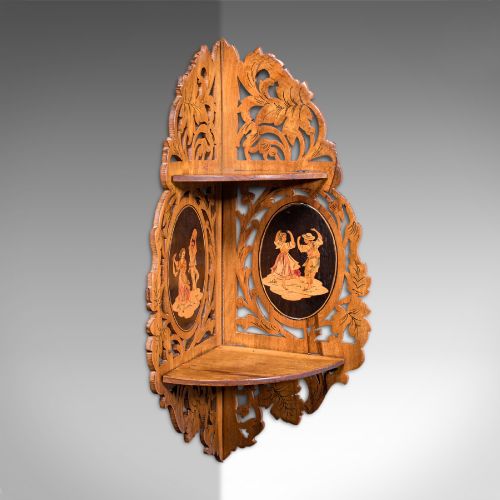
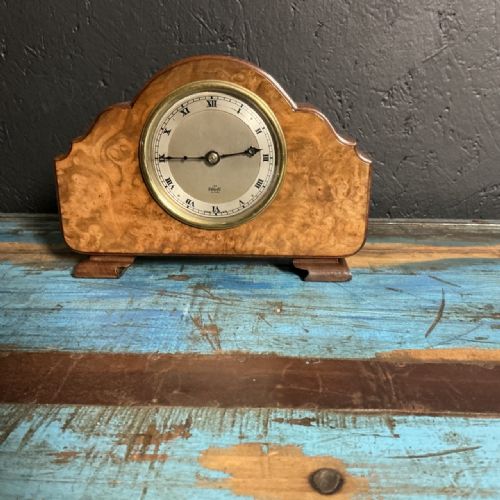
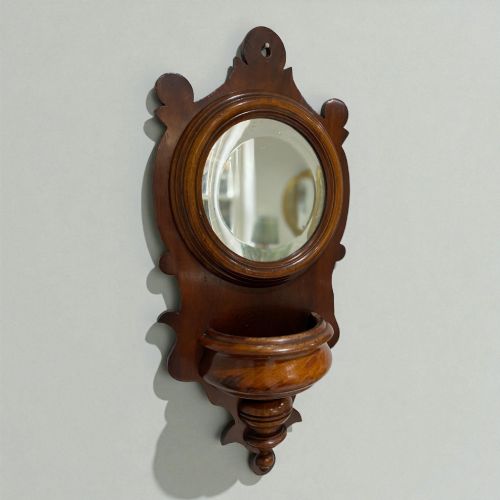
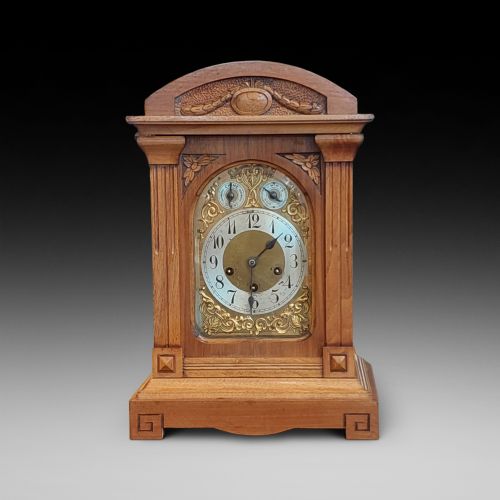
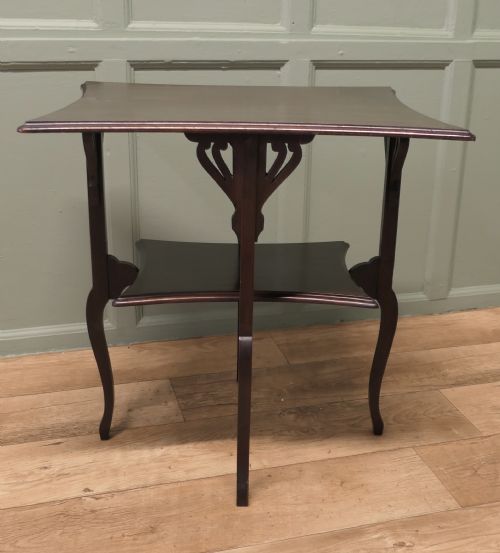
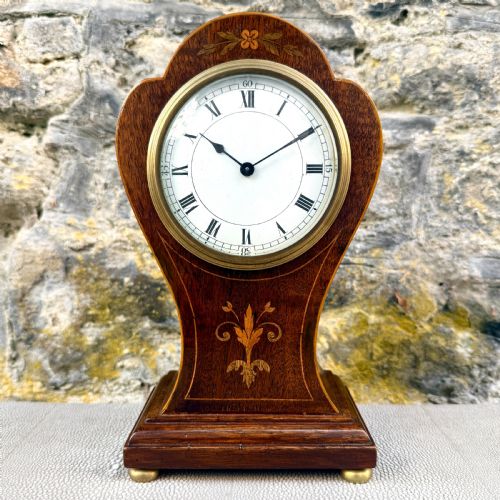
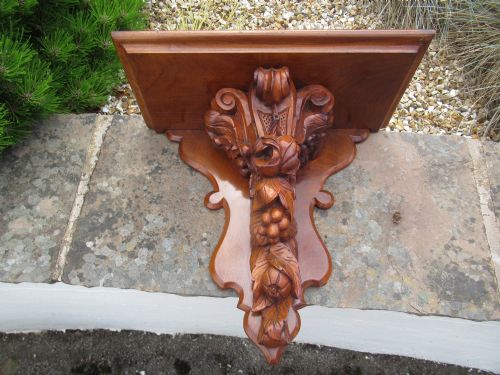
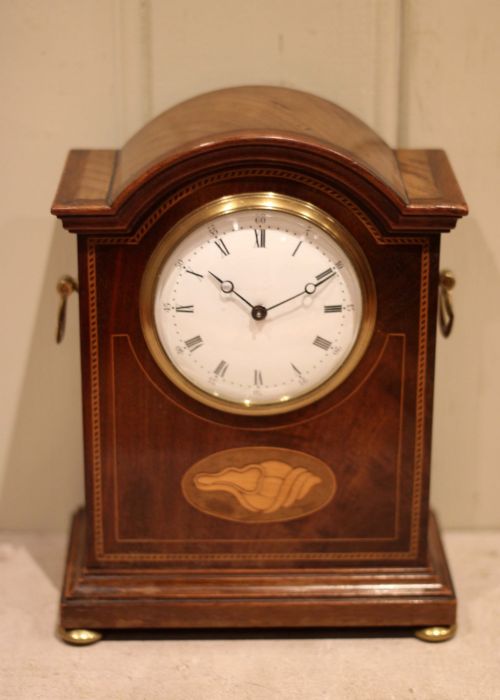
Wooden Shelf Brackets
These wooden shelf brackets offer sturdy architectural support and display space, bringing period craftsmanship directly to interior walls.
Wooden Shelf Brackets
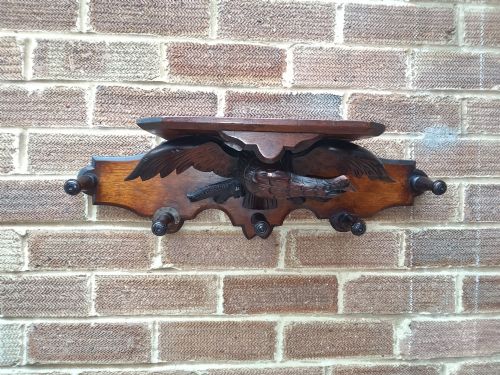
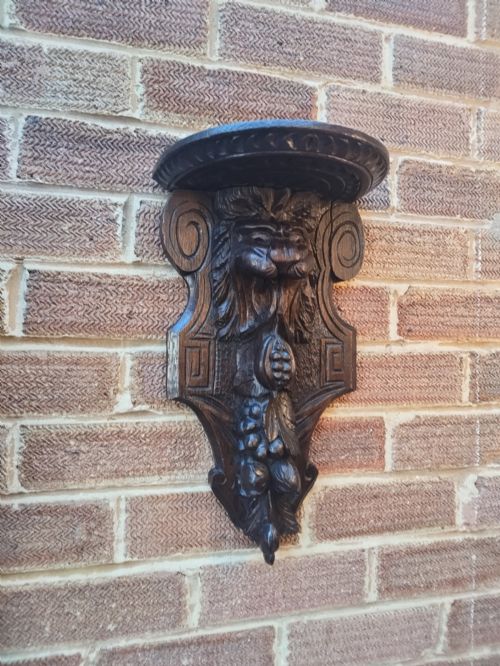
When you search for wooden shelf brackets, you encounter architectural elements and wall fixtures designed to support shelves or project outward as display surfaces. The options span centuries of design, reflecting the tastes of Victorian, Edwardian, and Regency periods.
Makers utilised various traditional timber species and decorative treatments, producing items that range from simple structural supports to elaborate carved corbels and gilt pieces. Each example demonstrates the specific woodworking practices of its era.
Materials and construction
Craftsmen shaped these brackets using hardwoods such as mahogany, oak, walnut, and satinwood, selecting each timber for its grain pattern and structural strength. Carving, inlay work, and ebonising often enhanced the visual appeal of the wood.
Metal accents in brass frequently accompanied the woodwork, appearing as structural pins, mountings, or decorative fittings fixed to the timber bodies. Gesso and gilding also feature on selected pieces, providing an ornate finish to carved architectural elements.
Wooden Shelf Brackets Retail Price Guide 2026
Typical asking prices for wooden shelf brackets among the pieces listed under this phrase on Sellingantiques today, from the lower quarter to the upper quarter. They describe what is for sale here now, not the wider market.
The listings here feature oak, mahogany, walnut, and satinwood, spanning the eighteenth, nineteenth, and early twentieth centuries.
Assessing quality and craftsmanship
The standard of carving distinguishes standard joinery from superior examples, with crisp, deep relief work marking the better brackets. Sharp details in wooden foliage and scrollwork indicate skilled hand execution rather than mechanical shaping.
Timber selection and stability dictate the longevity of these pieces. Fine grain alignment and solid joint construction ensure that antique brackets retain their structural integrity under load.
The Wooden Shelf Brackets Glossary
- Corbel
- A structural piece of stone, wood, or metal jutting from a wall to carry a superincumbent weight. In wooden brackets, this takes the form of a decorative projecting block.
- Architectural salvage
- Building materials rescued from demolition or remodelling sites for reuse. These items preserve historical joinery and period timber work.
- Gesso
- A plaster mixture used as a smooth base for painting or gilding on wood. It allows for intricate moulded decoration across bracket surfaces.
- Inlay
- A technique where pieces of contrasting timber, brass, or shell are embedded into the wood surface to form decorative patterns. This ornamentation is common in Edwardian and Victorian pieces.
- Ebonising
- A finishing process that stains light wood to imitate ebony. This dark treatment creates stark visual contrast against lighter interior walls.
Wooden Shelf Brackets: Frequently Asked Questions
How do I mount wooden shelf brackets securely?
Fixing antique wooden brackets safely requires locating wall studs or using heavy-duty wall anchors appropriate for the specific masonry or plaster surface. Ensure the screws match the depth and weight capacity of the bracket holes.
Distribute the weight evenly across the installed pair to prevent undue strain on the historic timber and the wall fixings.
Can these brackets hold heavy books?
Solid hardwood brackets from Victorian or earlier periods generally offer substantial weight-bearing capacity when properly fixed to a secure wall structure. However, lightweight decorative or gilded pieces suit display ornaments better than heavy shelving.
Assess the thickness of the timber and the strength of the joints before loading any antique bracket with heavy items.
How should I clean antique wood brackets?
Dust the timber regularly with a dry, soft cloth to prevent particulate buildup in carved crevices. Avoid household chemical sprays that strip historic polishes.
Apply a quality beeswax occasionally to nourish dry timber and maintain the natural lustre of the polished wood surface.
How do I date a wooden bracket?
Examine the timber species, tool marks left behind by manufacturing methods, and stylistic cues such as Regency curves or Edwardian inlay. Fasteners and fixings also offer clues to the period of manufacture.
Compare the decorative motifs with documented furniture and architectural styles from the eighteenth and nineteenth centuries.