





Wooden Plate Rack Hutch
A wooden plate rack hutch brings practical display and honest country utility to any room, holding crockery and family pieces with quiet authority.
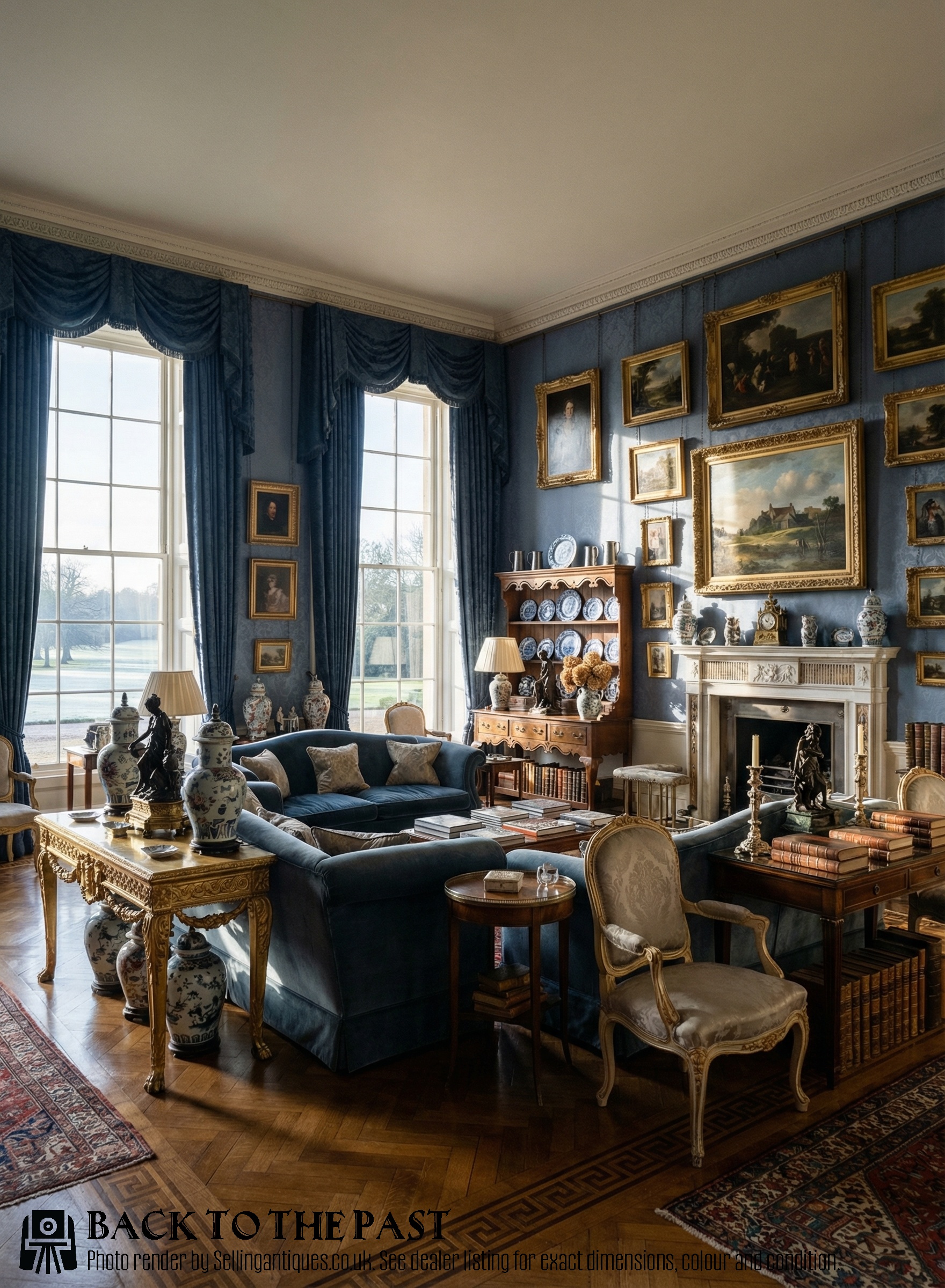
Wooden Plate Rack Hutch
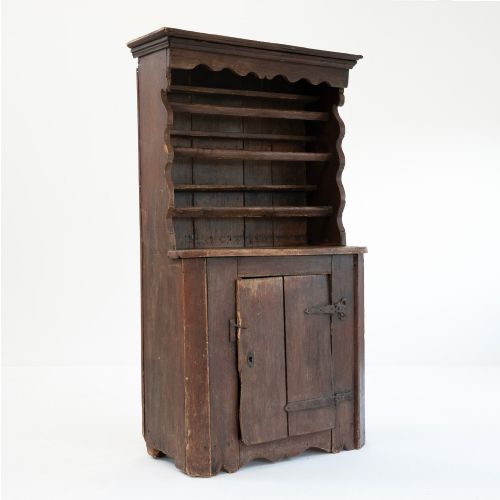
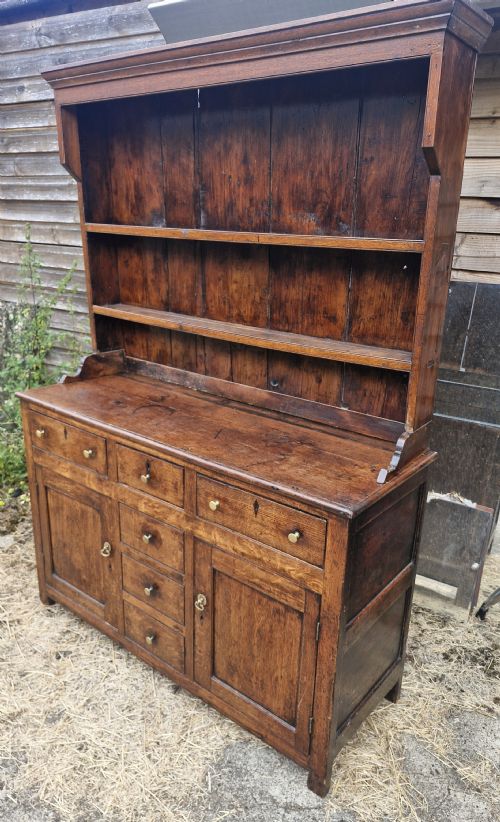
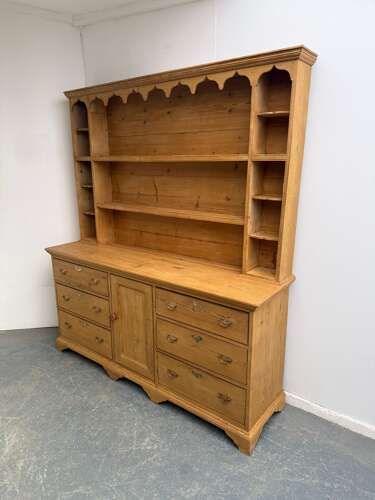
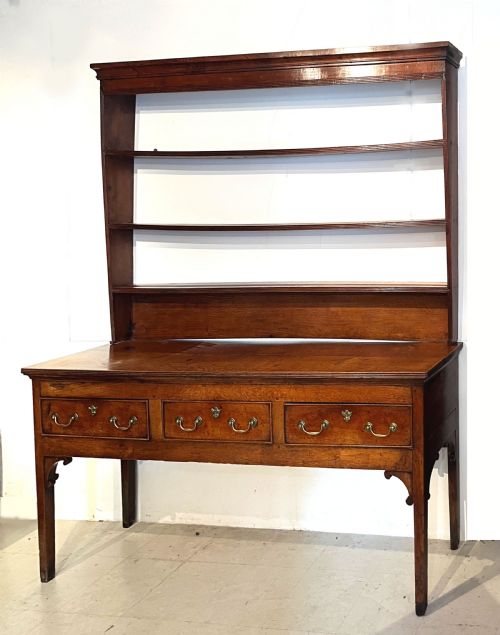
A wooden plate rack hutch combines a lower base unit of cupboards or drawers with an upper open shelving tier designed specifically for standing plates upright. When searching for a wooden plate rack hutch, one encounters sturdy kitchen dressers and two-part cupboards originating from regional British and European traditions.
The pieces on this page span several centuries, reaching from the eighteenth century through the Georgian and Edwardian periods into the early twentieth century. Oak and pine dominate the selection, accompanied by walnut, cherrywood, and painted finishes that reflect English, Irish, Welsh, French, and Danish country workshops.
Most examples function as substantial dining room or kitchen furniture, offering enclosed storage below and tiered display space above. Regional variations include Snowdonia and South Wales formats alongside English farmhouse and French provincial buffet vaisseliers.
Materials and construction methods
Cabinet makers relied predominantly on native timbers such as solid oak and pine, supplemented by walnut and cherrywood for select provincial pieces. These woods were chosen for structural strength and seasoned carefully to withstand daily use in domestic kitchens.
Joinery techniques combined pegged mortise and tenon frames with hand-cut dovetails for drawers, ensuring durability across decades of heavy service. Brass and iron hardware, including hinges and drawer pulls, secured the functional elements of the lower buffets.
Surface treatments ranged from clear wax finishes that revealed the natural grain of the timber to painted coats in traditional regional colours. Carved detailing appears on specific Georgian and 18th-century examples, adding decorative emphasis to cornices and friezes.
Wooden Plate Rack Hutch Retail Price Guide 2026
Typical asking prices for wooden plate rack hutch among the pieces listed under this phrase on Sellingantiques today, from the lower quarter to the upper quarter. They describe what is for sale here now, not the wider market.
The selection spans the 18th, 19th, and early 20th centuries, featuring oak, pine, walnut, and cherrywood across English, Welsh, Irish, and French regional styles.
Distinguishing quality and proportion
Superior examples exhibit balanced proportions between the heavy lower base and the lighter upper plate rack, ensuring visual harmony. The choice of timber grain and the integrity of the original joints set finer country pieces apart from utilitarian workshop output.
The survival of original surface treatments, whether aged wax over oak or historic painted finishes, significantly influences the character of a piece. Hardware integrity and the retention of matching two-part sections demonstrate superior craftsmanship and careful historic preservation.
The Wooden Plate Rack Hutch Glossary
- Dresser
- A dual-purpose storage and display item consisting of a lower base with cupboards or drawers and an upper plate rack. It served as the central storage hub in historic kitchens.
- Plate rack
- The upper open shelving component of a dresser, fitted with vertical slats or grooves to display ceramic plates safely. It keeps everyday tableware accessible.
- Two-part dresser
- A piece constructed in two separate sections, comprising a heavy base cabinet and a removable upper rack. This construction aided transport into rural farmhouses.
- Buffet vaisselier
- A French provincial term for a cabinet designed to hold and display tableware and provisions. It combines enclosed buffet storage with upper display shelving.
- Pegged construction
- A traditional method of securing joints using wooden dowels rather than modern adhesives. It accommodates seasonal wood movement without weakening the frame.
Wooden Plate Rack Hutch: Frequently Asked Questions
What is a wooden plate rack hutch?
A wooden plate rack hutch is a traditional kitchen or dining room storage unit featuring an enclosed lower base of drawers or cupboards beneath an open upper shelving tier for displaying plates.
These pieces developed in regional workshops across Britain and Europe to store and exhibit domestic ceramics simultaneously.
How were these hutches used historically?
Historically, households used these units in kitchens and dining parlours to store everyday earthenware, pewter, and cooking provisions.
The lower cupboards kept heavy pots and linens out of sight, while the upper shelves held clean plates ready for meals.
How do I date an older wooden dresser?
Dating relies on examining construction methods, timber selection, and hardware styles alongside regional design characteristics.
Hand-cut dovetails, pegged joinery, and patinated oak or pine surfaces point towards eighteenth and nineteenth-century origins.
How do I care for antique pine and oak?
Maintenance involves keeping the timber away from direct heat sources and sudden humidity changes to prevent wood splitting.
Applying a traditional beeswax polish periodically nourishes the dry wood and preserves its historic surface sheen.