





Wooden Plant Trough
A wooden plant trough brings natural warmth and living greenery indoors, combining timber craftsmanship with functional design for the home.
Wooden Plant Trough
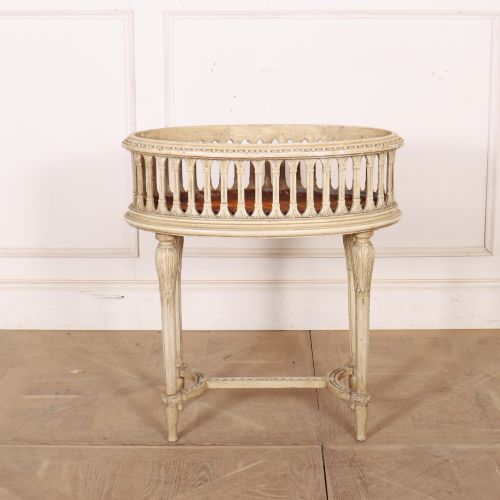
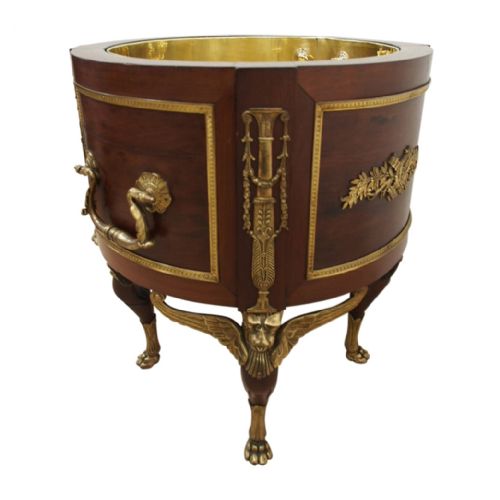
A wooden plant trough is primarily represented here by nineteenth-century and Edwardian jardinières, planters, and wine coolers repurposed for botanical display. These pieces range from substantial carved walnut and oak vessels to refined satinwood and mahogany designs.
Makers and cabinetmakers produced these items across various historical periods, including Victorian, Edwardian, and eighteenth-century eras. The forms often draw upon French stylistic influences such as Louis XV, Louis XVI, and Art Nouveau aesthetics.
Buyers will encounter vessels featuring boat shapes, coopered construction, and pedestal stands designed to hold interior flora. Many incorporate metal liners to protect the surrounding timber from moisture and soil.
How they were made
Construction relies upon traditional timber framing utilising hardwoods like mahogany, oak, walnut, and exotic veneers such as kingwood and satinwood. Craftsmen shaped these woods through carving, coopering, and polished surface finishing.
Metal components play a structural and decorative role, featuring cast ormolu mounts, bronze fittings, and brass binding. Zinc and other metals form internal liners designed to contain soil and water safely within the wooden shell.
Listings feature eighteenth-century, nineteenth-century, and Edwardian periods utilising mahogany, oak, walnut, and zinc.
What varies in quality
Quality rests upon the selection of timber veneers and the crispness of carved details or metal mountings. Pieces featuring finely figured grain, substantial bronze or ormolu mounts, and integrated metal linings represent higher craftsmanship.
The integrity of the structural joinery and the survival of original surface finishes determine the lasting merit of each trough. Finer examples display meticulous attention to interior protection and harmonious proportions between timber and metal elements.
Lister and Co
The Wooden Plant Trough Glossary
- Jardiniere
- An ornamental pot or stand for holding plants or flowers. These vessels often sit on dedicated stands or table frames.
- Ormolu
- Gilded bronze ornamentation applied to furniture and decorative objects. This technique was widely utilised in French and revival styles.
- Coopered
- Constructed from curved wooden staves bound together with metal hoops. This method originates from barrel-making traditions.
- Satinwood
- A durable hardwood with a lustrous yellow or golden sheen used for fine veneers. Cabinetmakers favoured it for polished decorative surfaces.
Wooden Plant Trough: Frequently Asked Questions
What is a wooden plant trough?
A wooden plant trough is a decorative vessel designed to house indoor plants and flowers, often taking the form of a jardiniere or planter.
These pieces combine timber cabinetry with protective metal liners to safely display greenery within living spaces.
How were these troughs used historically?
Historically, these vessels brought cultivated plants and floral arrangements into interior drawing rooms and garden rooms.
Many examples adapted wine coolers or cellarettes for botanical use, reflecting changing domestic fashions.
How do I care for a wooden planter?
Protect the timber by ensuring the internal metal liner remains watertight and free of standing moisture.
Keep the wood polished and away from direct heat sources to preserve the original finish and veneers.
How can I identify the period?
Dating relies upon examining the underlying timber species, construction methods, and stylistic decorative motifs.
Nineteenth-century pieces frequently display revival styles such as Louis XV or Art Nouveau characteristics.