

Vintage Wooden Jardiniere
A vintage wooden jardiniere brings natural texture indoors, serving as a dedicated architectural stage for potted plants and ferns.
Vintage Wooden Jardiniere
A vintage wooden jardiniere comprises plant stands, planters, torchères and cellarettes built to elevate greenery and floral arrangements within domestic rooms. These pieces emerge predominantly from Edwardian workshops, the nineteenth century, and periods spanning Georgian to 1930 design movements.
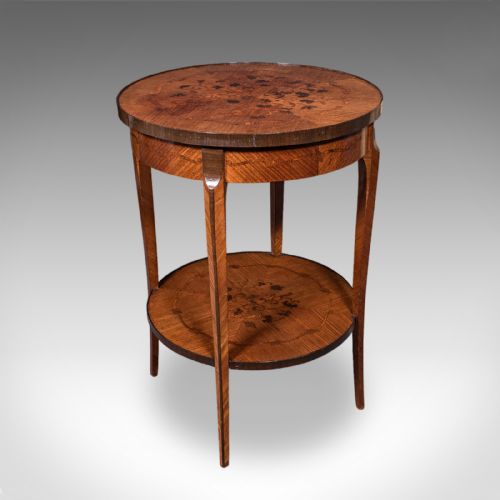
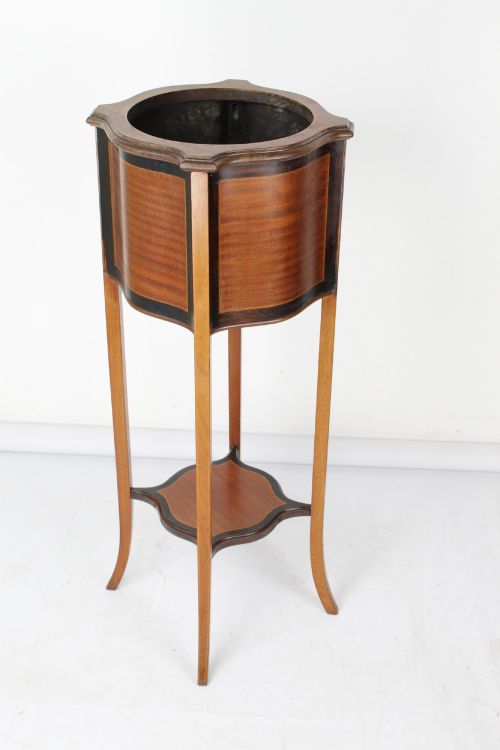
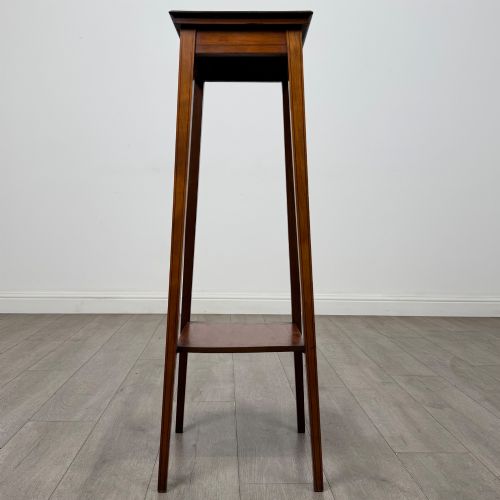
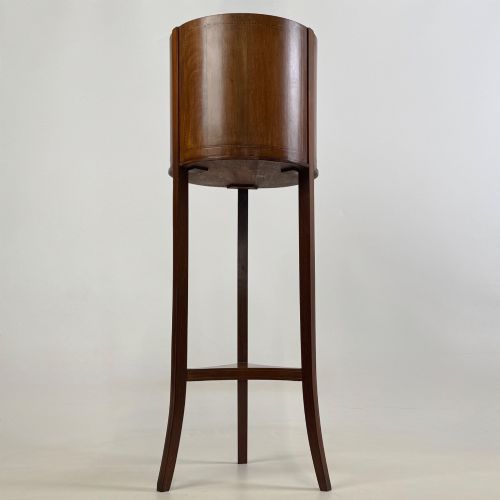
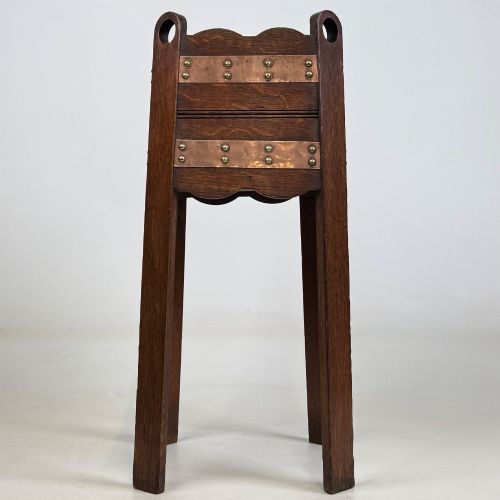
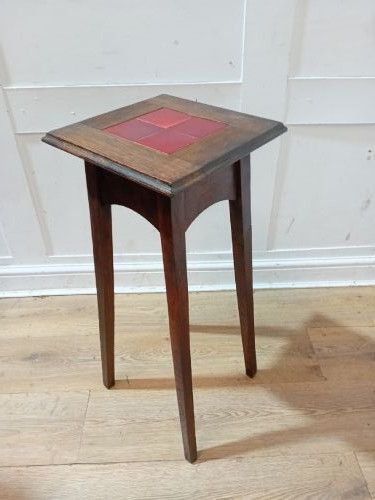
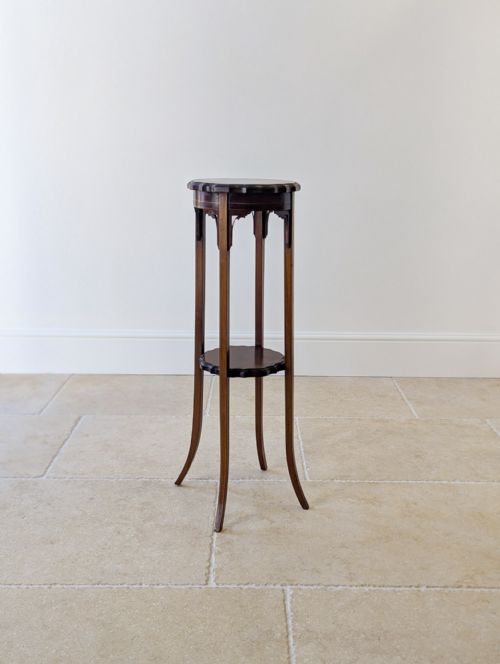
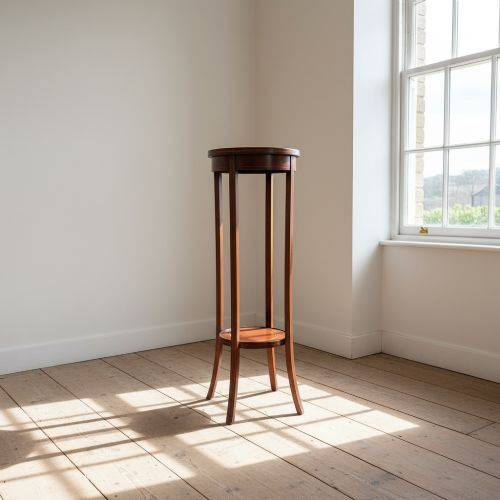
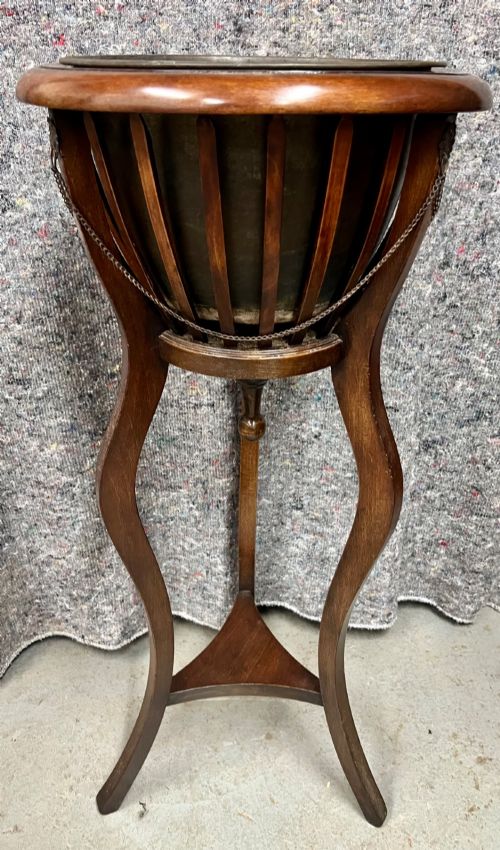
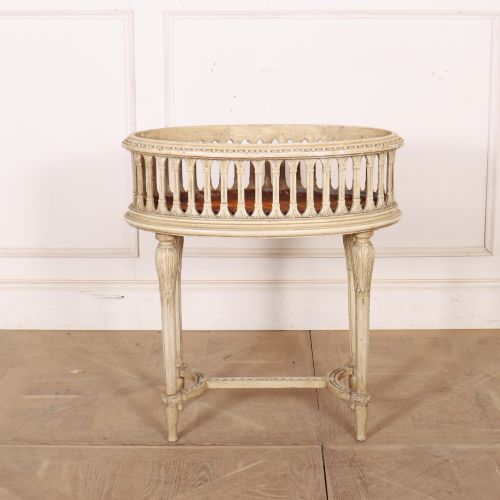
The version most frequently encountered on this page is the Edwardian mahogany or oak plant stand, often fashioned with slender supports and inlaid details. Alongside these tall supports, buyers discover coopered oak planters, brass-bound vessels, and marble-topped display tables originating from English and French makers.
Materials and construction methods
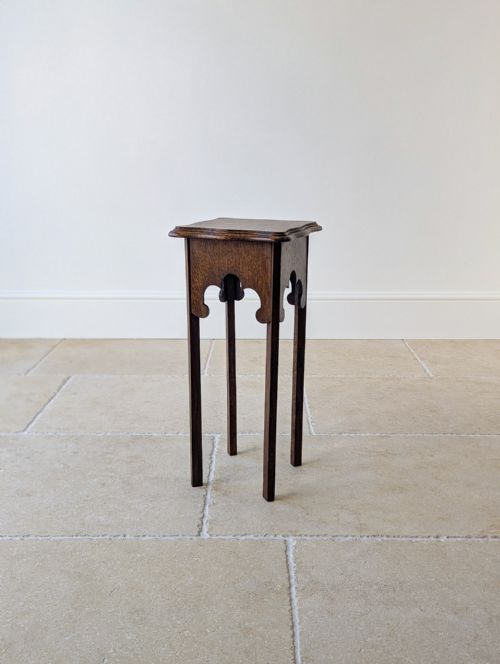
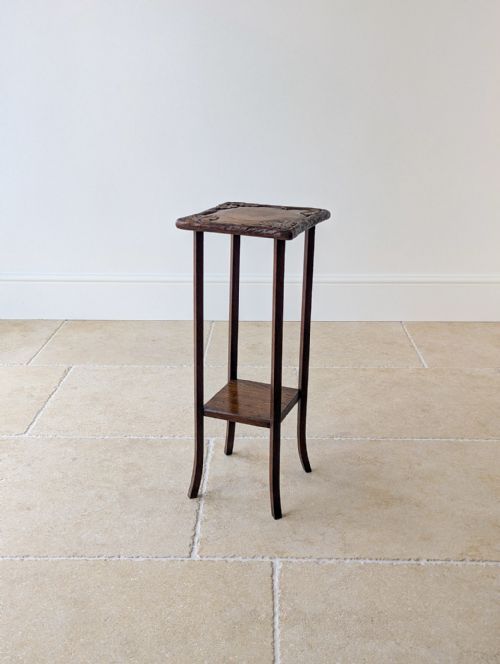
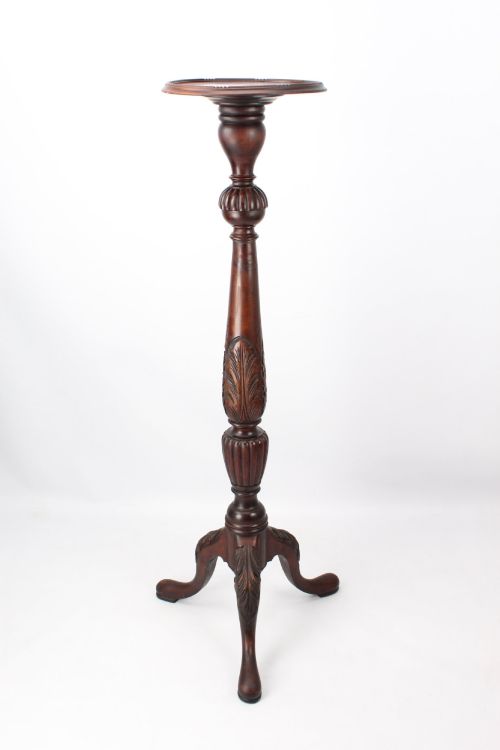
Construction relies heavily on timbers such as mahogany, oak, walnut, satinwood, and hardwood, shaped into tall vertical stands, tripod bases, and coopered cylindrical vessels. Joinery methods include turned components like barley twist legs, delicate wood inlays, and carved decorative surfaces.
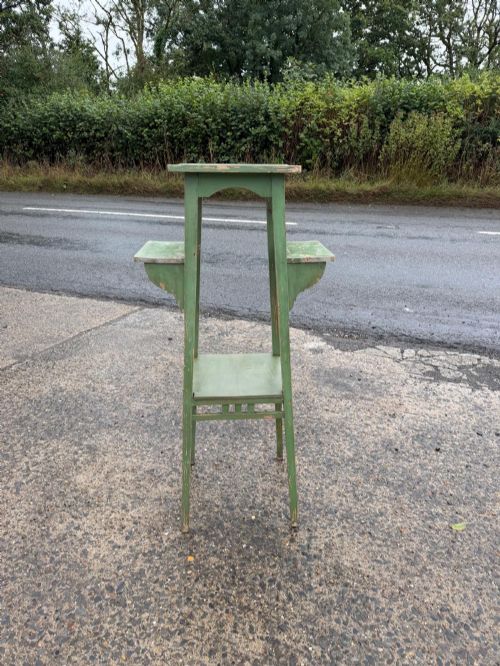
Metal and stone components integrate directly into the wooden frames to manage moisture from plants, utilising brass bands, ormolu mounts, and inset marble tops. Certain items incorporate original painted finishes or metal linings to protect the underlying timber structure from damp soil.
Listings feature periods spanning from Georgian and Victorian eras through Arts and Crafts, Edwardian, and Belle Epoque styles.
Distinctions in construction and material grade
Quality separates along the precision of timber selection, such as figured mahogany, burr walnut, or carefully matched satinwood veneers, contrasted against simpler domestic hardwoods. Superior examples demonstrate refined cabinetmaking through crisp carving, tight joinery, and harmonious proportions between the height of the stand and the vessel.
The integration of secondary materials further divides the tier of execution, distinguishing standard turned oak from pieces enhanced with cast ormolu mounts, porcelain plaques, or precisely fitted marble inserts. The retention of original linings, paint, and metalwork preserves the integrity of the object's original function.
The Vintage Wooden Jardiniere Glossary
- Jardiniere
- An ornamental pot or stand for holding plants or flowers. These items range from floor-standing pedestals to table vessels.
- Cellarette
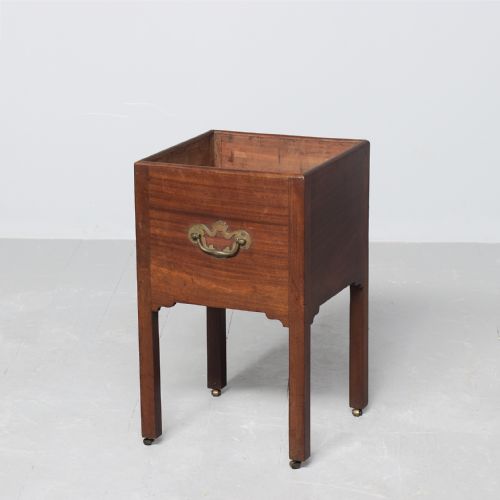
- A cabinet or vessel originally designed for holding bottles of wine, frequently repurposed or constructed with waterproof linings to function as a planter.
- Torchere
- A tall ornamental stand intended to support a light or a decorative object. In plant displays, it provides vertical elevation for trailing foliage.
- Coopered
- Made of stave construction with parallel staves bound by metal hoops, traditionally utilised for casks and adapted for wooden planters.
- Ormolu
- Gilded bronze mounts applied to furniture and decorative items. This technique appears on French walnut and kingwood pieces from the nineteenth century.
Vintage Wooden Jardiniere: Frequently Asked Questions
What is a vintage wooden jardiniere used for?
These pieces function primarily to elevate potted plants, ferns, and floral arrangements inside domestic living spaces.
Historically, they served to bring living greenery into formal rooms while protecting interior surfaces from water damage.
How do I identify an Edwardian jardiniere?
Edwardian examples typically feature lightweight mahogany or oak frames, often embellished with subtle string inlay or satinwood details.
They frequently take the form of tall, slender plant stands dating from the opening decades of the twentieth century.
What is the difference between a plant stand and a jardiniere?
A plant stand is a tall vertical support designed to raise a pot off the floor, whereas a jardiniere refers directly to the vessel holding the plant.
Many antique listings combine these terms because stands and planters were often constructed as single unified items.
Can these planters hold water directly?
Many antique wooden planters rely on original metal liners or brass bands to contain moisture safely away from the timber.
Using a separate plastic pot inside the container prevents direct contact between damp soil and the historic wood.
Where were these pieces made?
The listings on this page originate from English, French, and Oriental workshops across the nineteenth and early twentieth centuries.
English pieces favour oak and mahogany, while French examples often incorporate exotic veneers like kingwood and walnut with ormolu mounts.