



Brass Bound Wood Planter
A brass bound wood planter brings solid timber and gleaming metal together, offering a practical vessel for indoor greenery and historic fireside charm.
Brass Bound Wood Planter
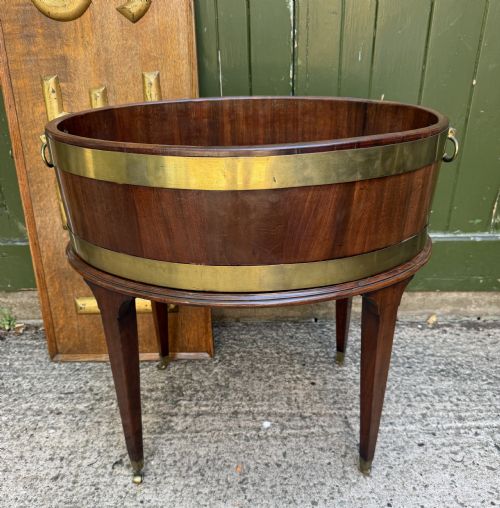
A brass bound wood planter combines robust timber construction with structural metal mounts, functioning as a plant pot holder or traditional vessel. These items emerge from periods ranging through the Georgian, Victorian and Edwardian eras, reflecting centuries of domestic utility.
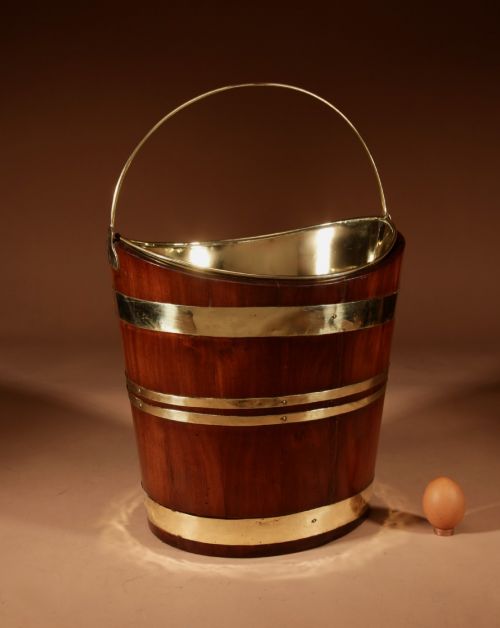
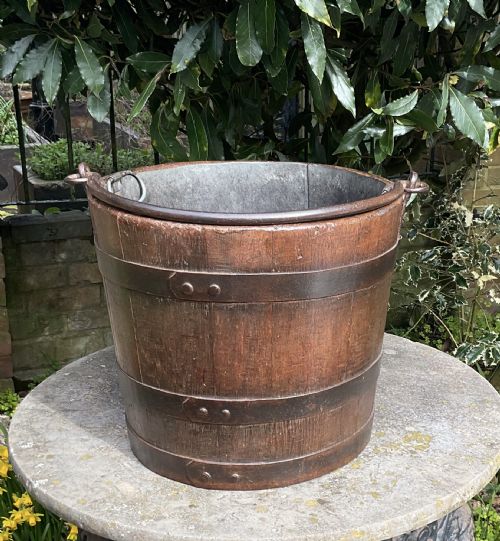
The pieces listed here frequently take the form of coopered buckets, barrels, peat buckets and boat-shaped jardinières. Mahogany and oak dominate the selection, often retaining interior liners or stands that elevate the vessel from the floor.
Buyers encounter regional variations including Dutch and Scottish designs alongside George III style examples. Each version demonstrates how utilitarian containers for wine, fuel or plants evolved into decorative interior furnishings.
How They Were Made
Traditional coopers constructed these vessels using staves of mahogany or oak, shaping the wood to form watertight barrels and buckets. Skilled artisans fitted heavy brass bands around the timber to hold the staves firmly in place without adhesives.
Metal components such as copper and iron also appear alongside brass mounts, secured with rivets or pins. Many examples incorporate metal or zinc liners designed to protect the surrounding wood from moisture and soil.
Materials across these listings span mahogany, oak, brass, copper, iron and zinc.
What Varies in Quality
The standard of timber selection and the precision of the cooperage define the upper tier of these vessels. Tighter joints between the staves and more refined grain patterns in the mahogany or oak distinguish superior pieces from standard workshop output.
The weight and finish of the brass fittings influence the overall character of the object. Hand-beaten or cast metal mounts with substantial gauge thickness indicate a higher grade of manufacture than thin, machine-pressed alternatives.
The Brass Bound Wood Planter Glossary
- Coopered
- Made by a cooper using curved wooden staves bound together with metal hoops. This technique traditionally ensured vessels remained watertight for holding liquids or damp materials.
- Jardiniere
- An ornamental pot or stand for holding plants or flowers. These items often sit on dedicated stands or directly upon the floor.
- Peat bucket
- A traditional container used to hold fuel for domestic hearths. Their sturdy wooden construction and metal mounts allowed them to bear heavy loads of peat or coal.
- Wine cooler
- A vessel designed to hold bottles and ice during dining. Many examples share identical coopered and brass-bound forms with planters and jardinières.
- Stave
- One of the narrow vertical strips of wood that form the sides of a barrel or bucket. The accurate beveling of each stave determines the structural integrity of the vessel.
Brass Bound Wood Planter: Frequently Asked Questions
What were brass bound wood planters originally used for?
Many of these vessels began life as wine coolers, peat buckets or dry storage containers rather than direct plant holders. Artisans and households repurposed the robust coopered construction over time to house indoor greenery.
Their watertight or lined interiors made them suitable for containing damp soil and plants without damaging the surrounding timber structure.
How do I tell a Georgian piece from a Victorian one?
Georgian examples often display finer timber selections such as figured mahogany and may incorporate dedicated stands or subtle inlay details. They typically reflect formal proportions associated with eighteenth-century interior design.
Victorian and later pieces frequently employ sturdy oak and heavier coopered construction geared towards practical domestic utility. Stylistic cues in the brass mounts also point toward the manufacturing standards of specific decades.
Do these planters require special care indoors?
Protecting the historic wood and metal requires maintaining stable indoor humidity away from direct heat sources. Using a suitable internal liner prevents moisture from coming into direct contact with the base.
Cleaning involves dusting the timber gently and polishing the brass only when necessary to preserve the patination accumulated over generations.