

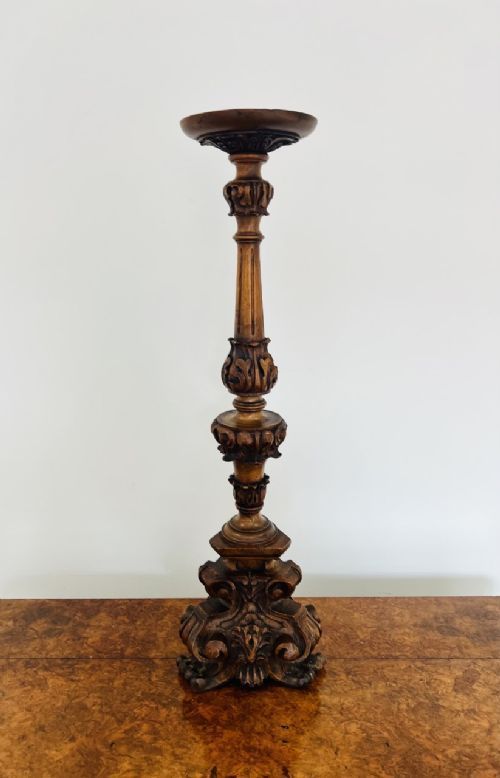


Wooden Pillar Stand
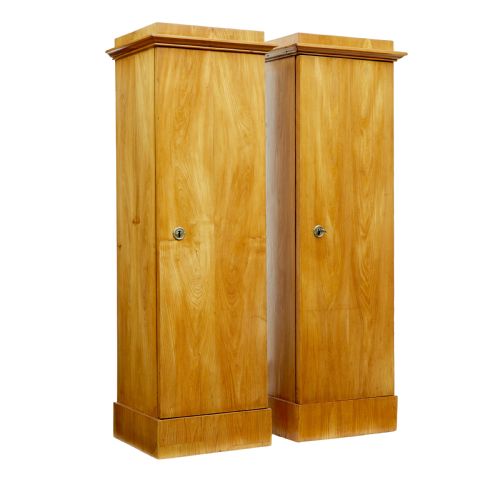
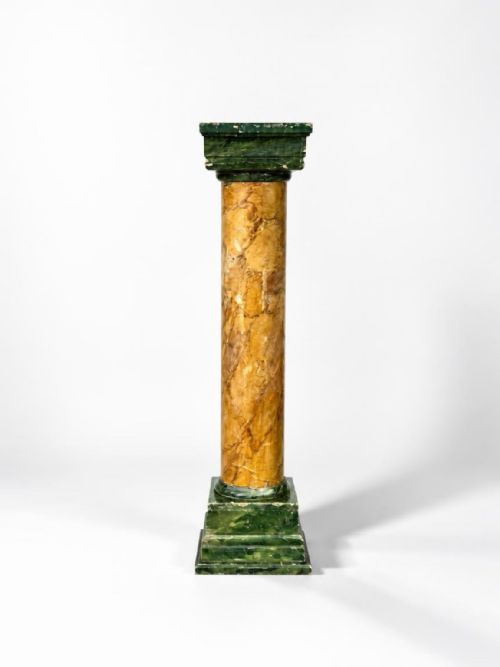
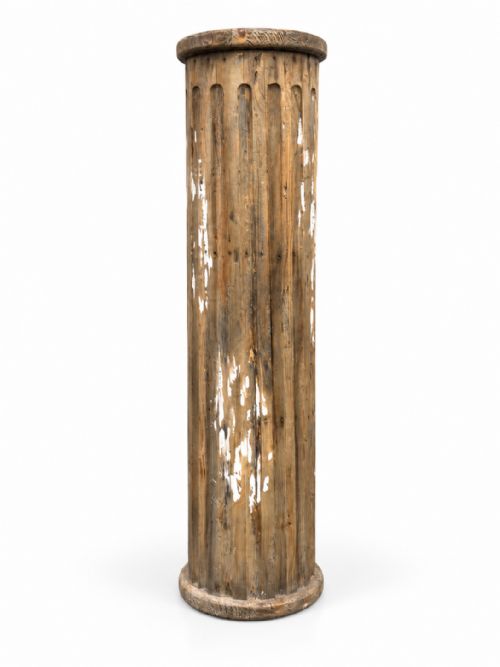
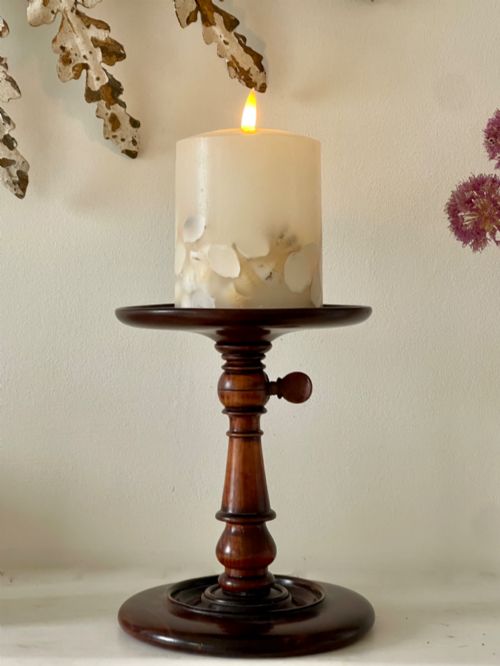
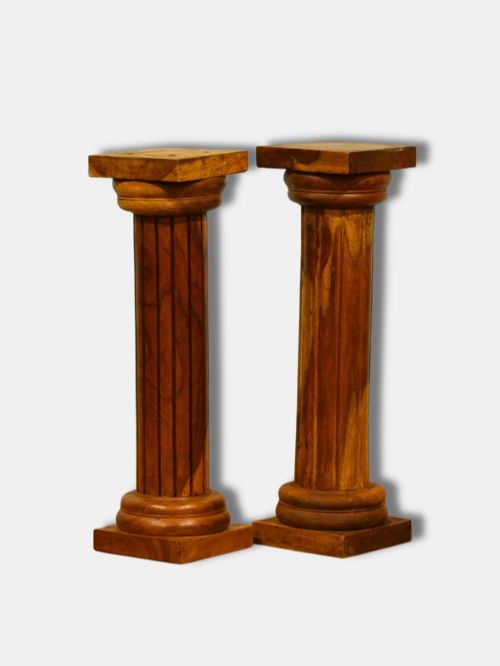
These wooden pillar stand pieces combine architectural form and practical display, offering strong vertical presence for interiors.
Wooden Pillar Stand
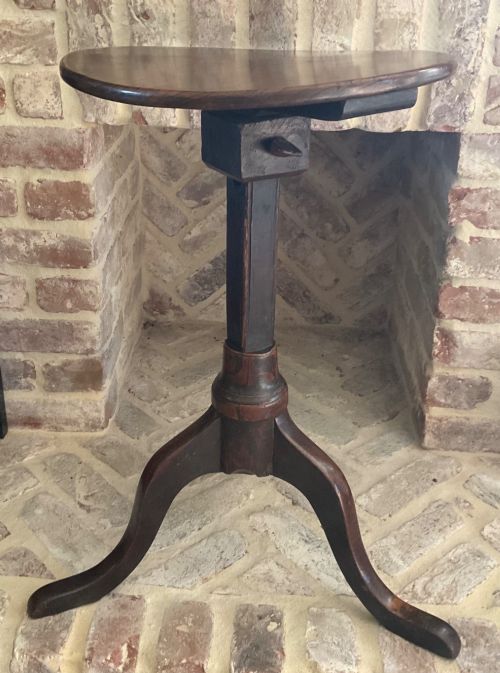
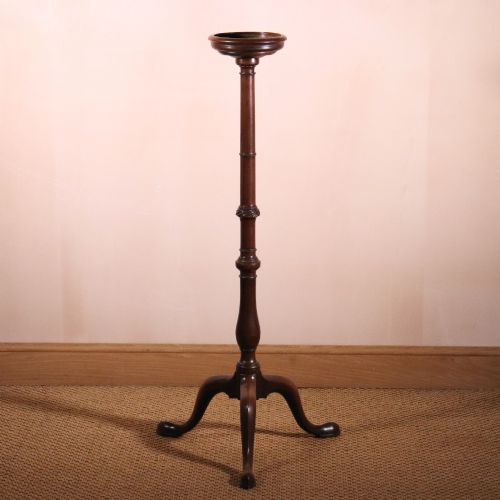
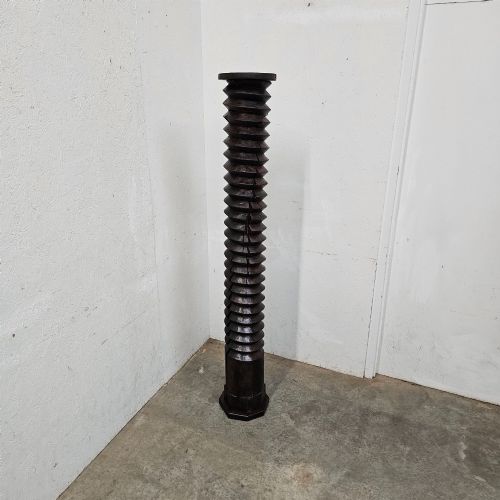
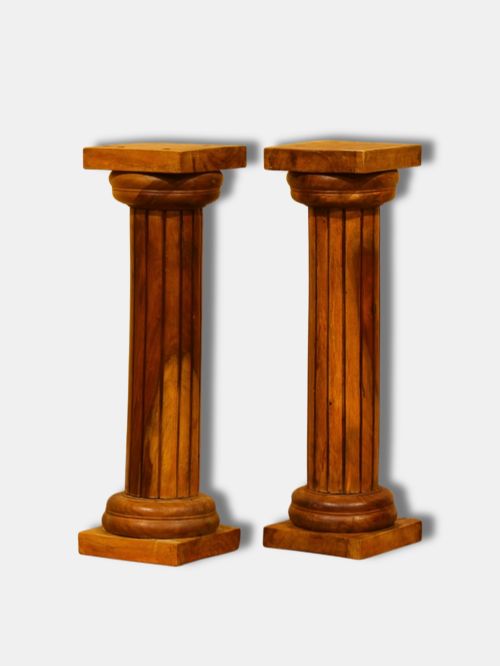
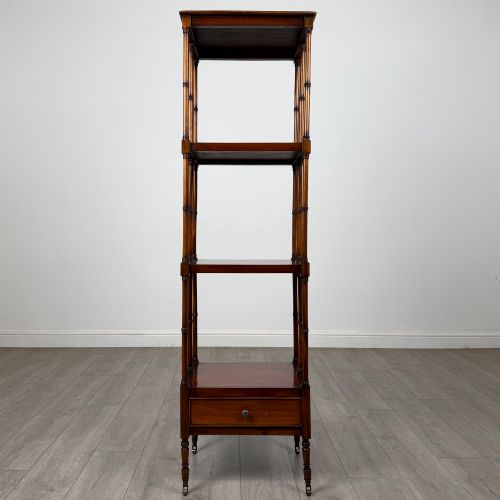
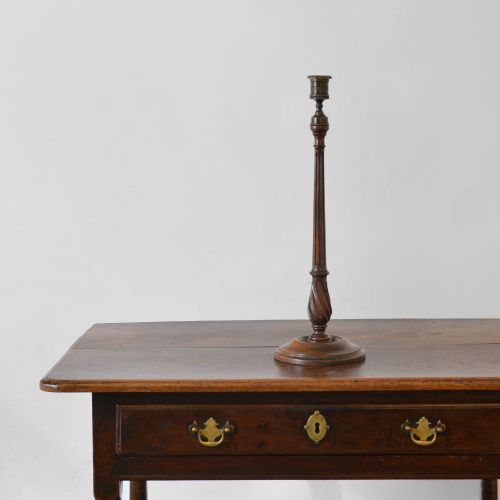
When you search for a wooden pillar stand, you encounter a varied group of carved columns, torchieres, pedestals, and candlesticks originating from the eighteenth, nineteenth, and early twentieth centuries. These objects serve primarily to elevate items or provide freestanding architectural accents within a room.
How They Were Made
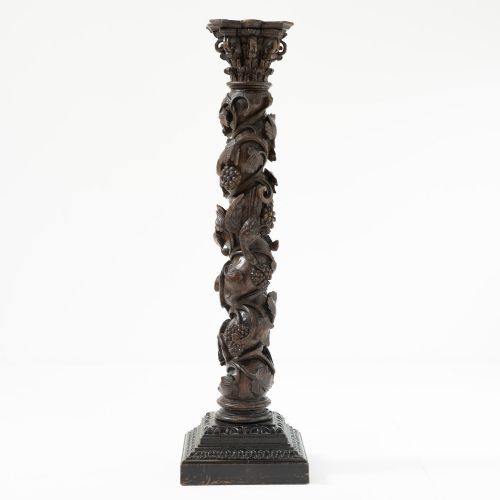
Carpenters and turners constructed these items using dense timbers such as mahogany, oak, and walnut, often shaping them on a lathe into smooth pillars or spiral columns. Hand carving appears frequently on capitals, bases, and shafts, adding intricate floral or classical motifs.
Surface finishes vary from polished mahogany and waxed oak to applied gesso, gold leaf, and silvering. Some examples incorporate brass sconces or hidden internal compartments, demonstrating advanced joinery and metalworking integration.
Wooden Pillar Stand Retail Price Guide 2026
Typical asking prices for wooden pillar stand among the pieces listed under this phrase on Sellingantiques today, from the lower quarter to the upper quarter. They describe what is for sale here now, not the wider market.
The listings here feature oak, mahogany, walnut, and pine across eighteenth-century, nineteenth-century, and twentieth-century periods.
What Varies in Quality
The distinction between standard examples and superior pieces rests largely on the crispness of the hand carving and the selection of timber. Fine grain figures in walnut or mahogany and deeply undercut wooden foliage denote skilled craftsmanship.
Proportion and structural stability also determine worth, as taller columns require balanced weight distribution in the base to stand firmly. Original surface treatments, such as untouched painted finishes or period gilding, elevate the integrity of a piece compared to later refinishing.
Marguerite
The Wooden Pillar Stand Glossary
- Torchiere
- A tall freestanding stand or candelabrum designed to hold a light source or display an object at height. Originating in the seventeenth century, these pieces often feature slender shafts supported by tripod or weighted bases.
- Solomonic
- A helical or spiral column twisting upward in a corkscrew fashion. Popularised during the Baroque period, this form creates dynamic movement along a vertical shaft.
- Gesso
- A plaster-like mixture applied to wood surfaces to prepare them for painting or gilding. It provides a smooth base for intricate relief work.
- Sconce
- A metal fixture attached to the top of a candlestick or pillar to hold a candle safely. Brass is commonly utilised for this component.
- Capital
- The uppermost member of a pillar or column, often decorated with carved foliage or classical architectural moulding.
Wooden Pillar Stand: Frequently Asked Questions
What is a wooden pillar stand used for?
These pieces function primarily as elevated platforms for display, holding decorative objects, urns, or lighting fixtures. Their vertical design draws the eye upward and makes efficient use of floor space in corners or hallways.
Historically, larger versions supported heavy candles or lanterns to illuminate grand rooms. Today, they integrate easily into domestic interiors as sculptural furniture.
How do I date a wooden pillar stand?
Dating relies on examining the timber species, construction joints, and stylistic details such as turning patterns or carved motifs. Georgian and eighteenth-century examples frequently employ dense mahogany with hand-cut joinery.
Victorian and later nineteenth-century pieces often display heavier proportions, revival styling, or machine assistance in the turning process. Comparing the piece to documented examples from the same era confirms its period.
Are these stands strong enough for heavy items?
Most solid wood pillars and columns are structurally robust and capable of supporting substantial decorative objects. The stability depends heavily on the width and weight of the base.
Tripod bases and wide plummets distribute weight effectively, though taller slender columns require careful placement to prevent tipping.
How do I care for antique wood stands?
Maintenance involves dusting regularly with a soft, dry cloth and applying quality beeswax periodically to nourish the timber. Avoid placing wooden stands near direct heat sources or strong sunlight, which can cause cracking and fading.
For pieces with gilt or painted surfaces, gentle dusting without liquid cleaners preserves the fragile finish.