


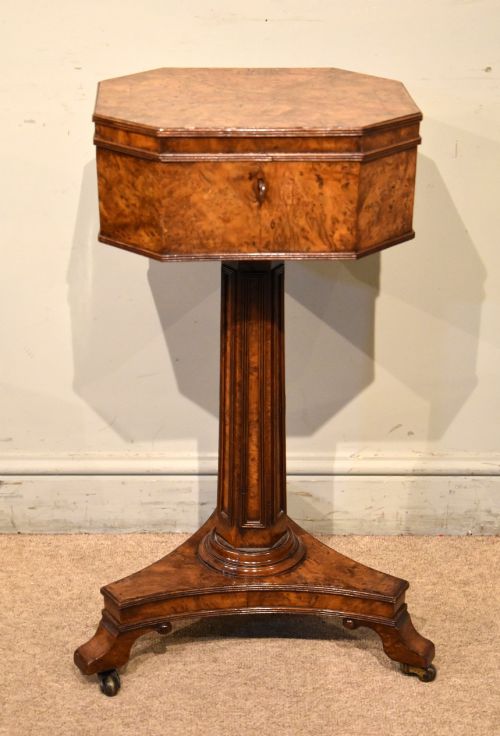
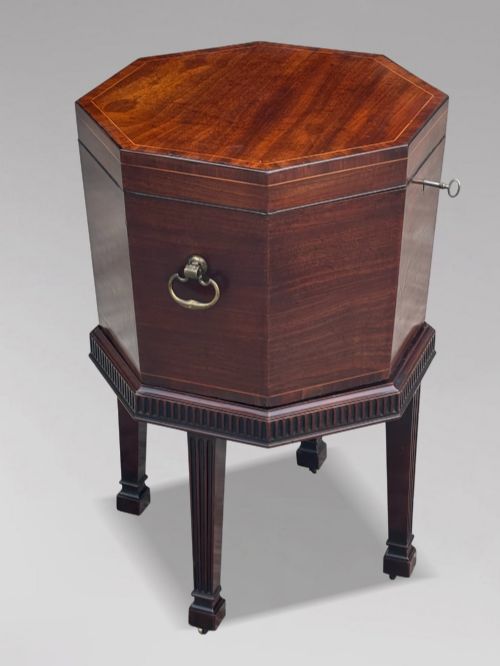
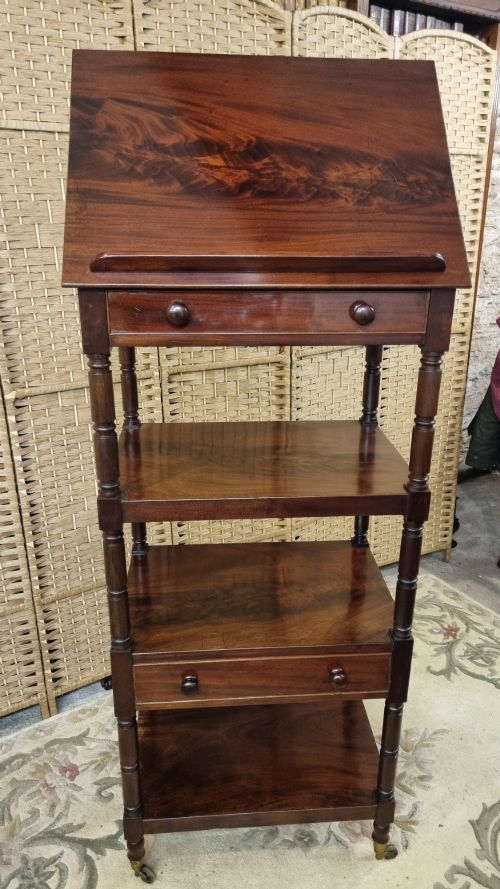
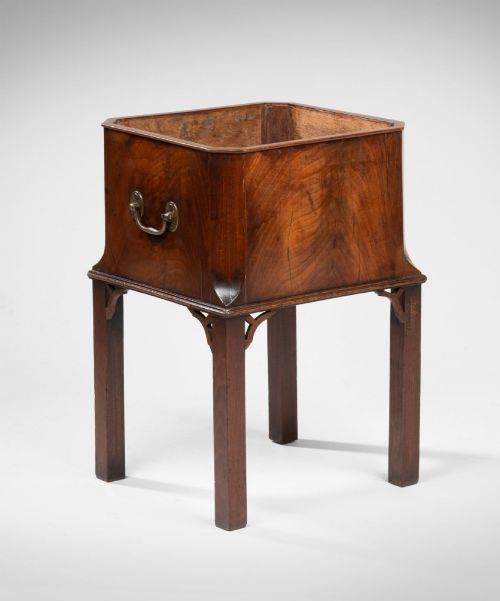
Wooden Period Stand
A wooden period stand brings centuries of timber craftsmanship into a room, offering a functional platform for everything from sheet music to wine.
Wooden Period Stand
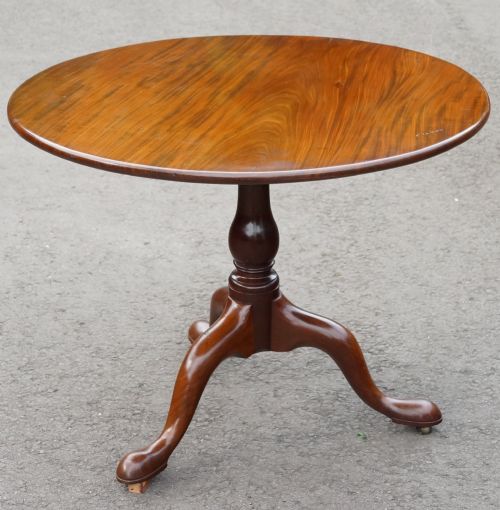
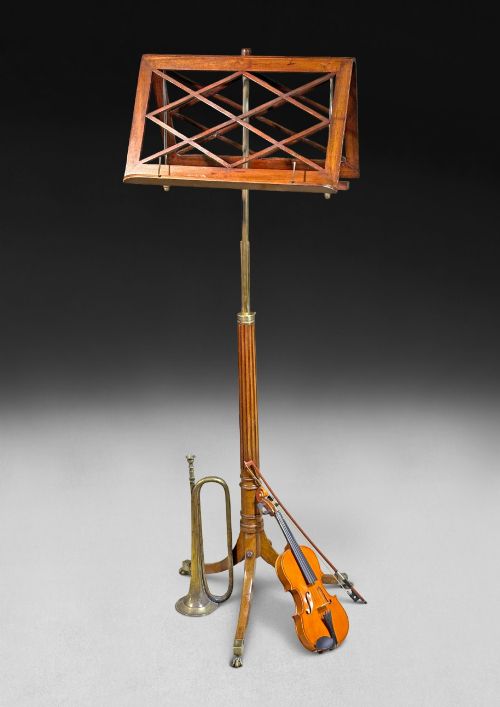
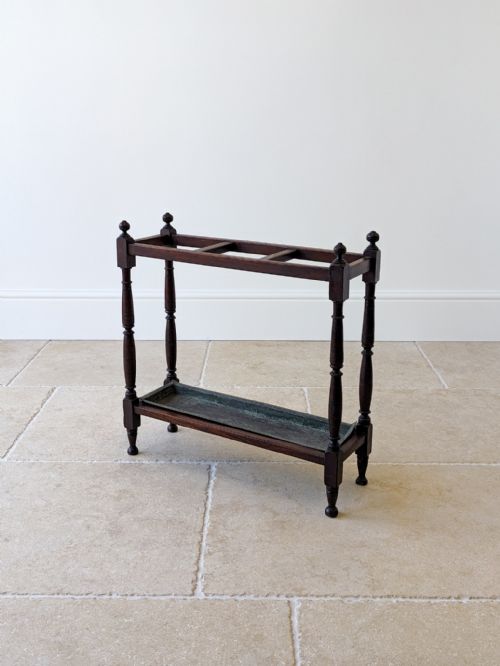
When you search for a wooden period stand, you encounter a diverse group of items fulfilling raised domestic duties across the Georgian, Regency, and Victorian eras. These pieces range from music duet stands and reading stands to plant holders, hall stands, and chests elevated on frames.
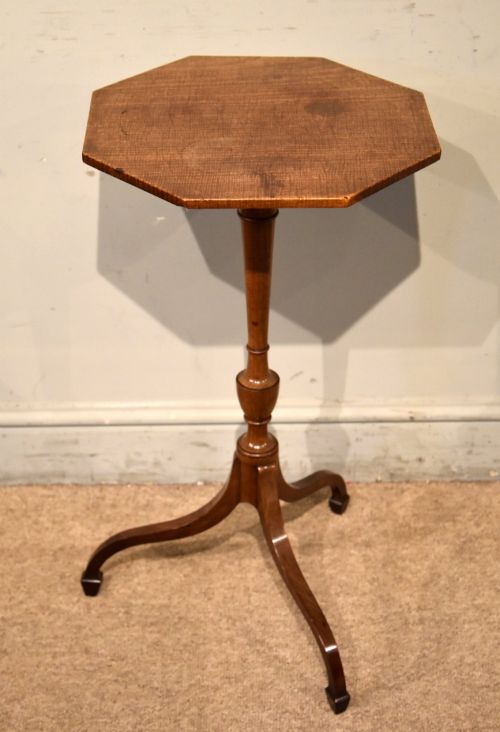
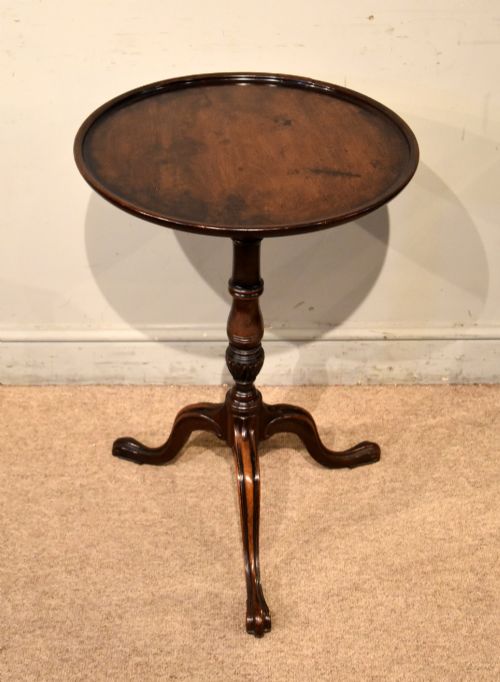
The most common examples on this page are mahogany pieces from the eighteenth and nineteenth centuries, including butler trays on folding bases, music canterburys, and occasional lamp tables. These functional forms reflect the specific social habits of their periods, designed to hold books, drinks, or garments within easy reach.
Originating predominantly from British workshops alongside occasional continental and Japanese imports, these stands demonstrate how historical cabinet makers solved specific interior requirements. They combine sturdy structural frames with decorative timber surfaces suited to formal and informal rooms alike.
How they were made
Makers relied heavily on dense hardwoods like mahogany, walnut, and oak, often selecting them for their rich grain and structural stability. These timbers were shaped using traditional joinery methods, turning lathes, and hand-carving tools to create slender legs, robust pedestals, and panelled boxes.
Metal components played a crucial role in adjustable and mobile designs, with brass hinges, castors, and ormolu mounts fitted to allow movement and height regulation. Inlays of brass wire and delicate carvings added surface detail without compromising the load-bearing capacity of the timber frame.
Wooden Period Stand Retail Price Guide 2026
Typical asking prices for wooden period stand among the pieces listed under this phrase on Sellingantiques today, from the lower quarter to the upper quarter. They describe what is for sale here now, not the wider market.
A freestanding oak skittles game sits among the furniture, proving that historical households required dedicated timber stands for indoor entertainment.
What varies in quality
The distinction between ordinary and superior items lies in the crispness of the timber carving and the selection of figured veneers. High-grade pieces display carefully matched grain patterns on table tops and cabinet doors, executed by skilled hands rather than hurried production methods.
Mechanical integrity defines the better examples, particularly in adjustable music stands and folding tray bases where smooth operation depends on precise engineering. Original brass fittings and stable, unwarped joints indicate a higher standard of original manufacture.
The Wooden Period Stand Glossary
- Canterbury
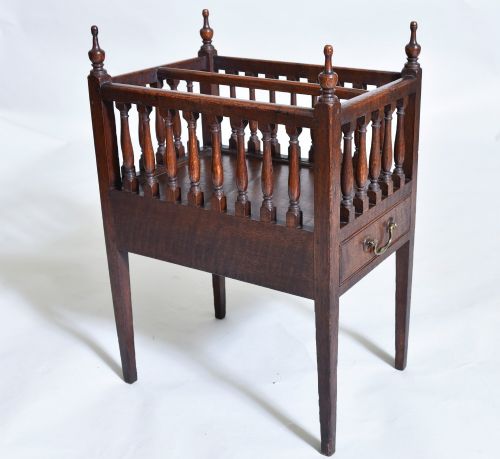
- A low wooden stand with partitioned sections, originally designed for holding sheet music or books. These compartments are often supported by slender legs and sometimes include a small drawer below.
- Cellaret
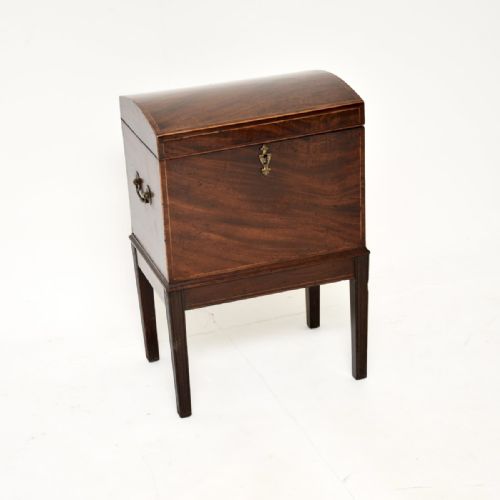
- A lockable container used to hold bottles of wine, frequently lined with lead and elevated on a stand or frame. They appeared in dining rooms during the Georgian and Regency periods.
- Butler tray
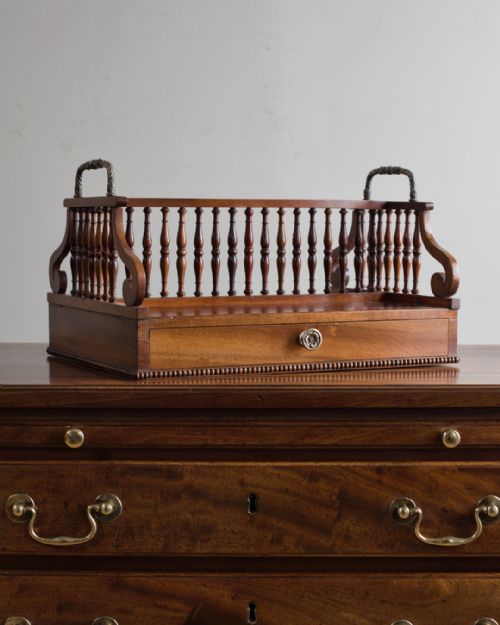
- A portable wooden tray with hinged or shaped sides, designed to rest upon a separate folding X-frame stand. This arrangement allowed servants to serve refreshments and clear tables efficiently.
- Ornaments
- Decorative additions applied to furniture surfaces to enhance their visual appeal. In the context of these stands, this includes cast brass mounts and decorative inlays.
- Meiji Period
- A span of Japanese history lasting from 1868 to 1912, known for intricate carved woodwork and display cabinets exported to Europe. Pieces from this era often show meticulous attention to detail in flora and fauna motifs.
Wooden Period Stand: Frequently Asked Questions
What was a music stand used for?
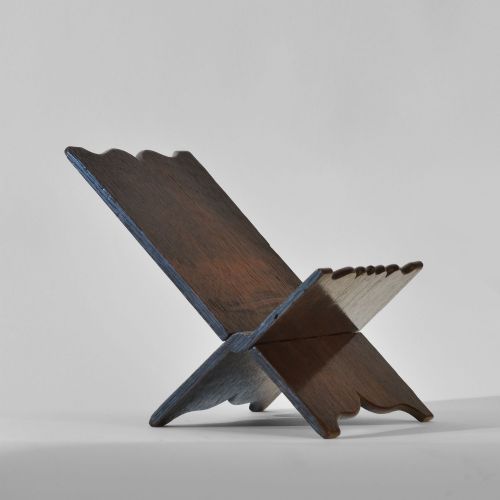
These stands held sheet music or books at a readable angle for musicians performing in domestic drawing rooms. Many featured adjustable heights and rotating desks to suit seated or standing performers.
Over time, they evolved from utilitarian accessories into decorative parlour furnishings that demonstrated the musical accomplishments of a household.
How do I distinguish a Georgian stand from a Victorian one?
Georgian stands generally exhibit restrained classical proportions, understated mahogany or walnut grains, and lighter framing techniques. Victorian examples tend to be heavier, employing denser timber selections and more exuberant carved ornamentation.
Examining the secondary timbers inside drawers or beneath platforms often reveals the shift in workshop practices between these centuries.
Can I use an antique stand every day?
Most of these pieces were built for rigorous daily service in period homes and remain structurally capable of similar use today. Regular dusting and avoiding placement near direct heat sources will protect the aged timber and polish.
Adjustable mechanisms should be operated with care to preserve original brass screws and tightening threads.
What is a chest on stand?
A chest on stand pairs a lower cabinet or drawer section with a separate, elevated wooden frame featuring four legs. This form lifted storage compartments away from cold, damp floors and lightened the visual weight of large case pieces.
Originating in the late seventeenth century, they remained popular through the early Georgian era for bedroom and parlour storage.