
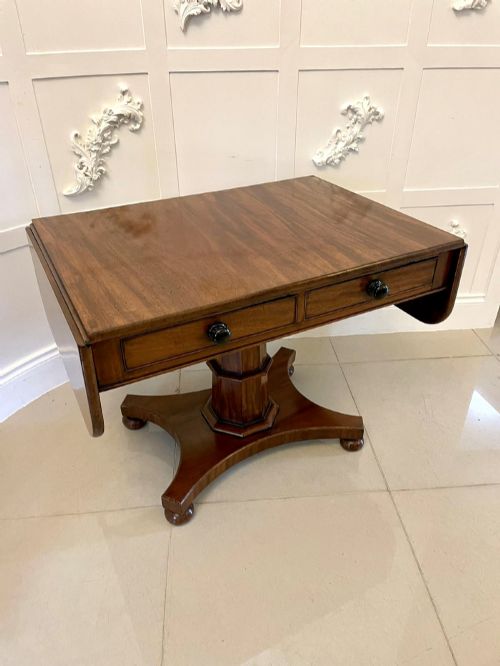
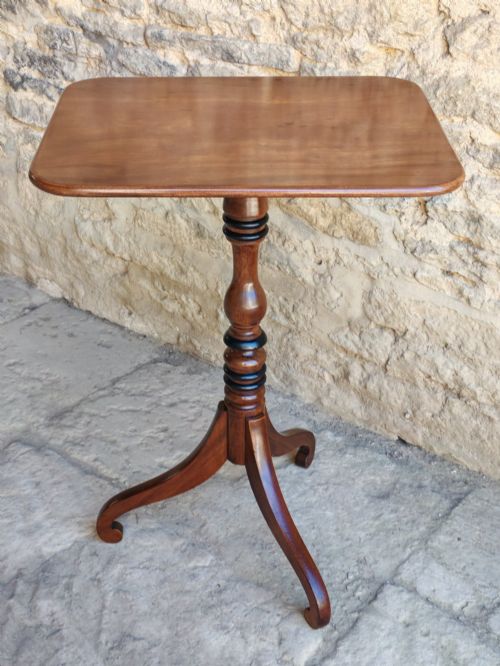
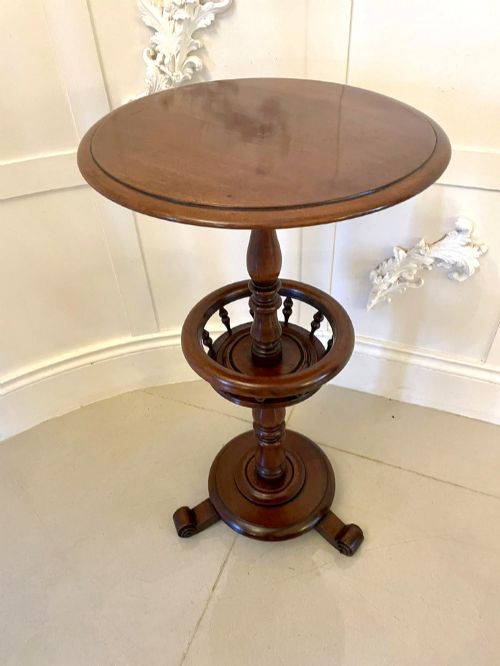
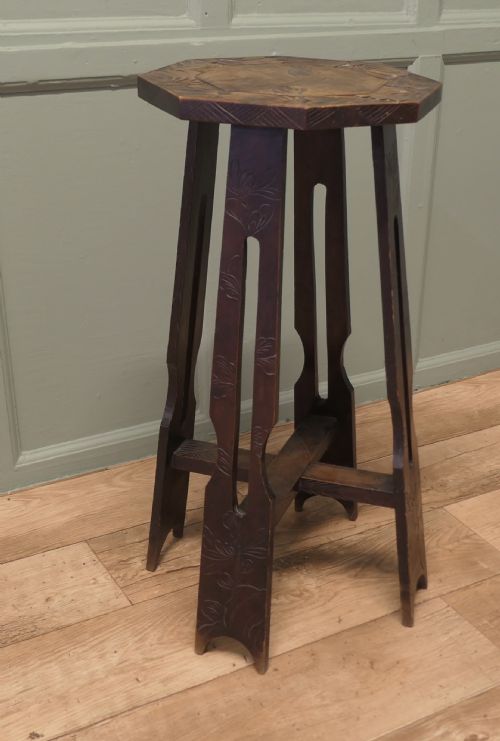
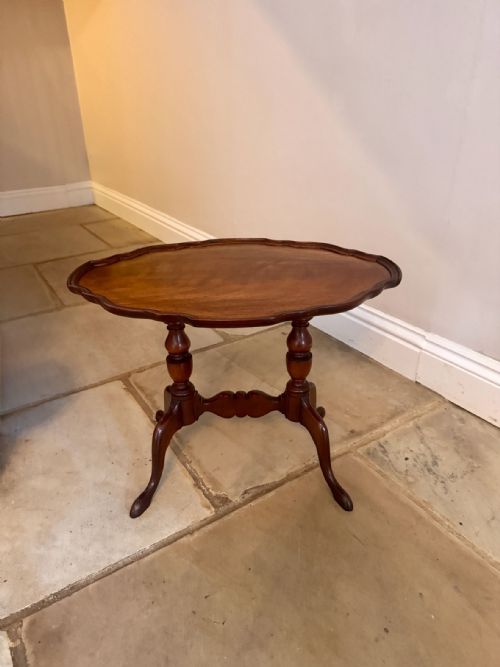
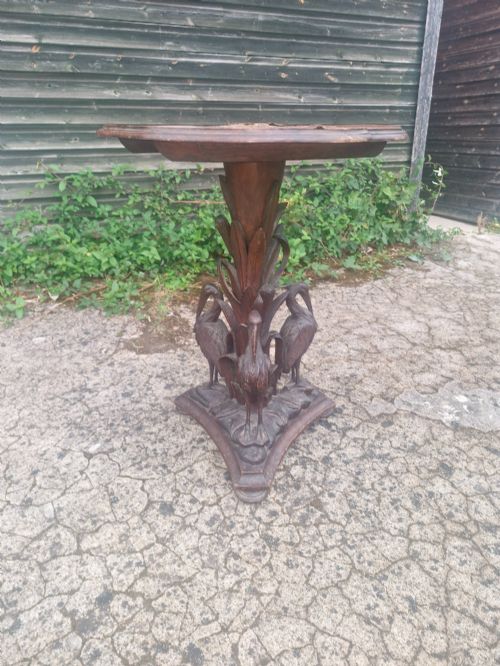
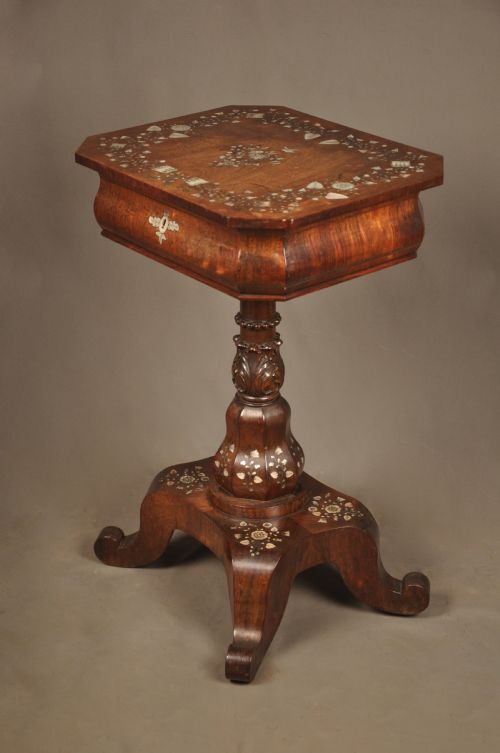
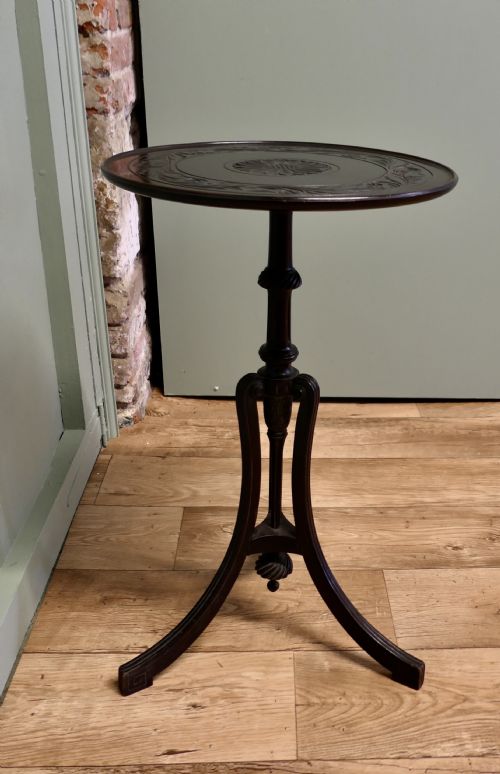
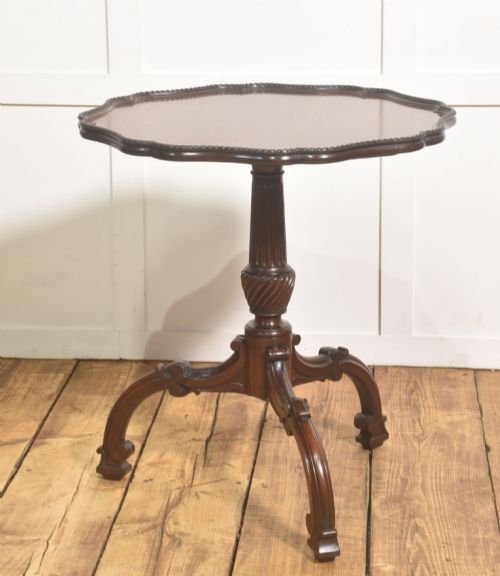
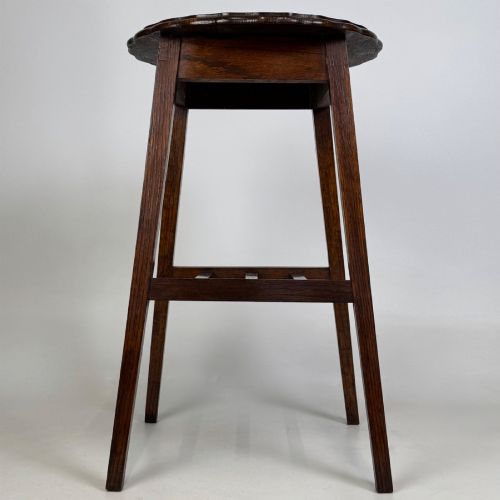
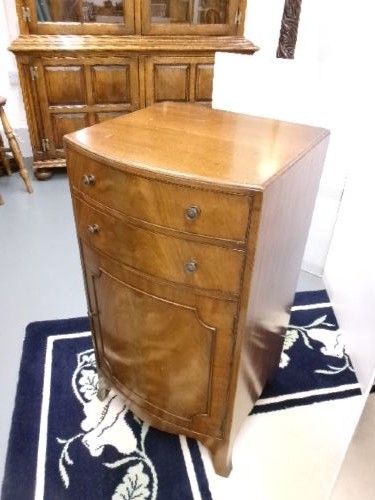
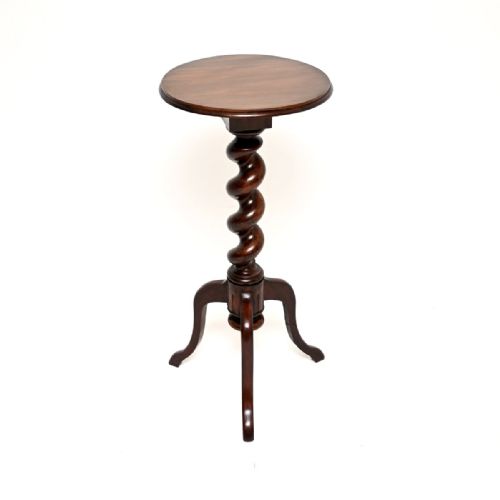
Wooden Pedestal Side Table
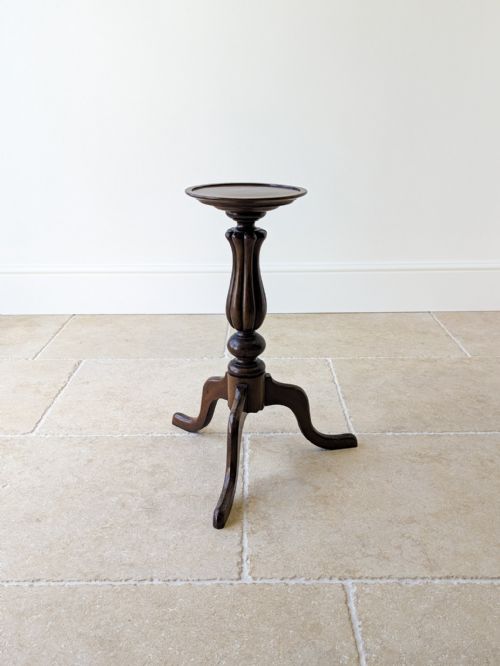
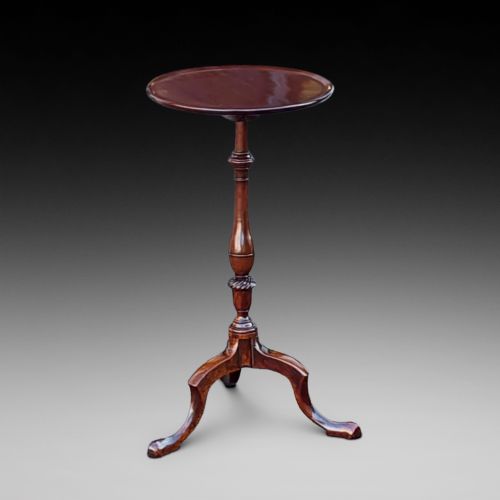
These wooden pedestal side table pieces combine sturdy central columns with compact surfaces, offering practical display space suited to narrow corners and beside seating.
Wooden Pedestal Side Table
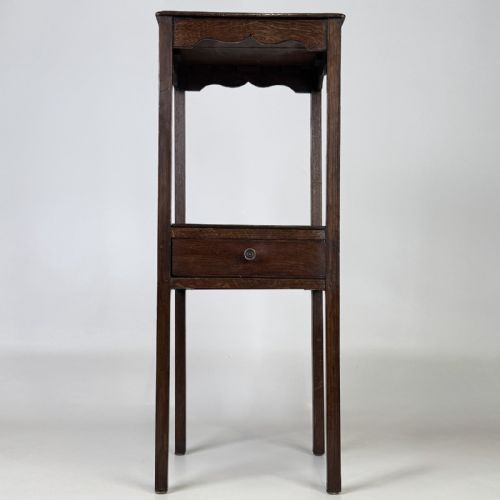
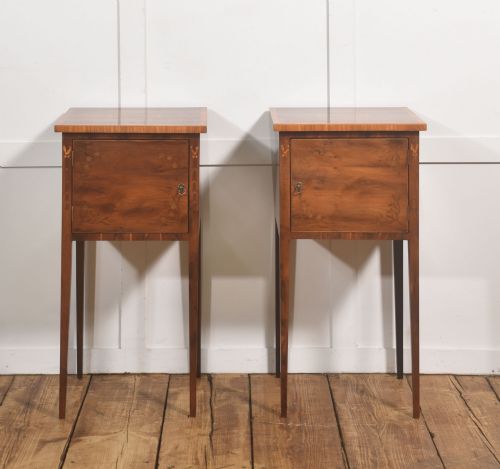
A wooden pedestal side table appears in forms such as wine tables, lamp tables, plant stands, and occasional tables supported by a central pillar. These pieces span periods from the Georgian era through the Victorian, Edwardian, and 1930s epochs, reflecting shifting domestic needs.
The versions most commonly met on this page include mahogany wine tables with tilt-top mechanisms, oak occasional tables, and walnut pedestal designs. Their compact footprints allow them to function easily beside chairs or in hallways as functional surfaces.
Materials and Construction
Cabinet makers utilised dense hardwoods such as mahogany, oak, walnut, and satinwood, frequently selecting burr veneers for decorative surfaces. Supporting structures often rely on turned central pillars rising from tripod or pedestal feet.
Joinery methods include tilt-top mechanisms, pegging, and turning, occasionally augmented by inlaid decoration, painted finishes, or carved details such as barley twists.
Assessing Craftsmanship
Quality rests upon the selection of timber figure, such as burr walnut or figured mahogany, and the precision of the turning on the pedestal column. Superior examples display balanced tripod bases and tight, stable joinery at the pillar joints.
The refinement of secondary details, including hand-carved tripod legs, inlaid satinwood banding, or sophisticated tilt-top catches, distinguishes standard utility pieces from finer parlour tables.
Gillows
The Wooden Pedestal Side Table Glossary
- Tilt-top table
- A table featuring a hinged top that rotates to a vertical position when not in use, allowing storage against a wall. This mechanism typically employs a wooden catch or brass latch.
- Tripod base
- A pedestal support resting on three spreading feet, commonly carved or turned. This configuration provides stability on uneven floorboards.
- Wine table
- A small occasional table designed originally to hold a glass and bottle, standing on a slender central pedestal. They frequently date from the Georgian and Victorian periods.
- Occasional table
- A light, movable side table used intermittently for lamps, books, or decorative objects. Their versatile scale suits placement throughout domestic rooms.
- Satinwood
- A yellowish-gold hardwood prized for its reflective grain, frequently utilised for veneers and inlay work on late 18th and 19th-century furniture. It provides a bright contrast to darker timbers like mahogany.
Wooden Pedestal Side Table: Frequently Asked Questions
What is a wooden pedestal side table used for?
These pieces serve as convenient surfaces for lamps, drinks, and books next to seating. Their compact footprints allow them to fit into small spaces where larger furniture cannot go.
Historically, specific forms like wine tables and candle stands held small items close to hand in reception rooms. Today, they continue to function as flexible accent furniture in living areas and bedrooms.
How do I identify a Georgian pedestal table?
Georgian examples often feature solid mahogany or oak timbers with sturdy tripod bases and birdcage mechanisms allowing the top to turn and tilt. The proportions remain restrained, prioritising functional elegance.
Examining the construction reveals hand-cut joints and timber ageing that aligns with the late 18th or early 19th century. Subtle details like pad feet or spade feet on the tripod legs further indicate this period.
Where should I place a pedestal lamp table?
A lamp table sits well beside an armchair or sofa to hold lighting and reading materials. The central pedestal design ensures that human legs do not collide with corner table legs when sitting close.
They also function effectively in hallways as a resting place for keys or in corners to display plants and decorative objects.