


Wooden Pedestal Pillar
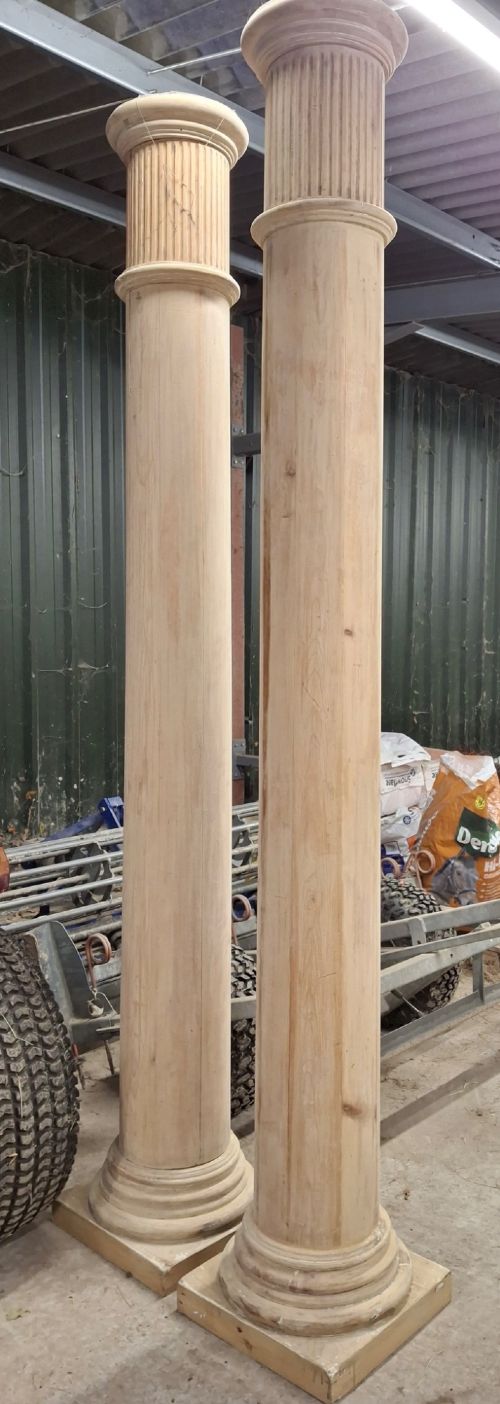
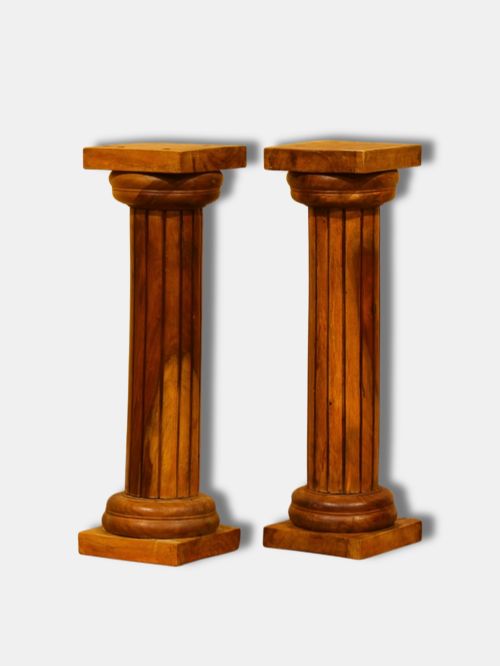
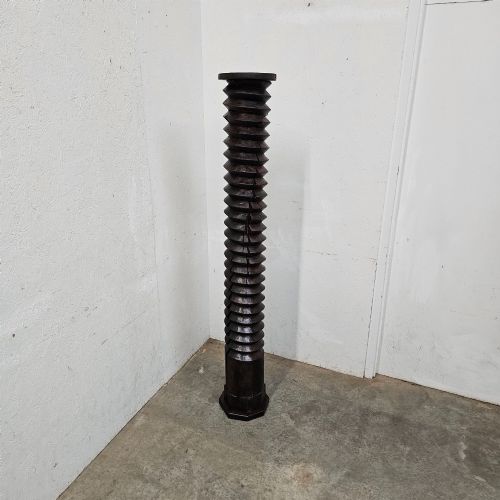
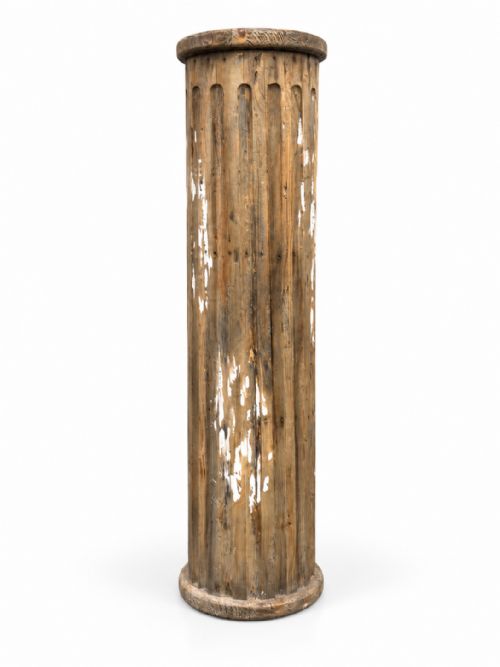
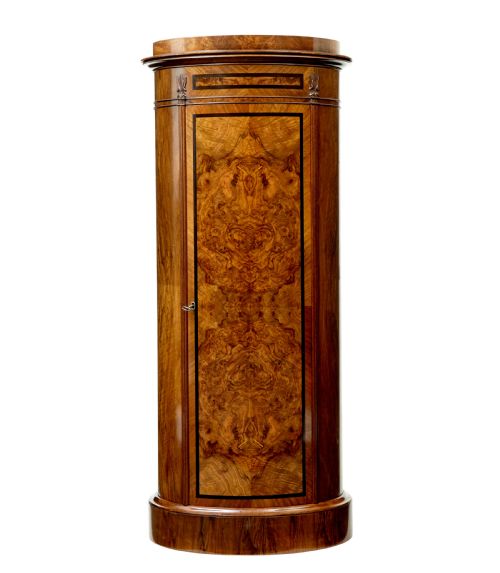
These wooden pedestal pillar examples bring height and structural presence to a room, offering elevated display surfaces or architectural salvage.
Wooden Pedestal Pillar
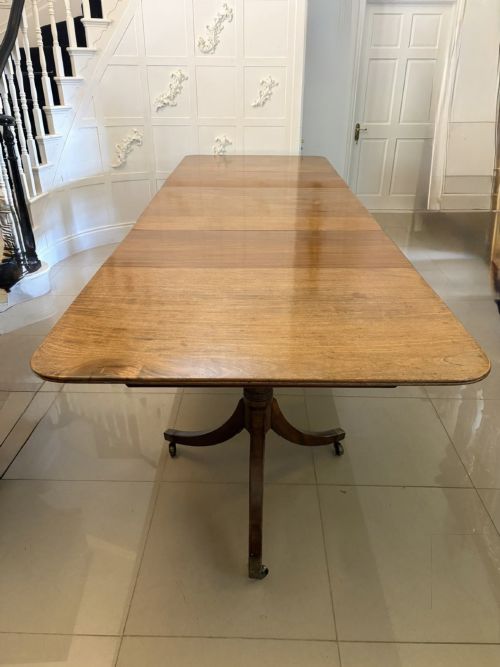
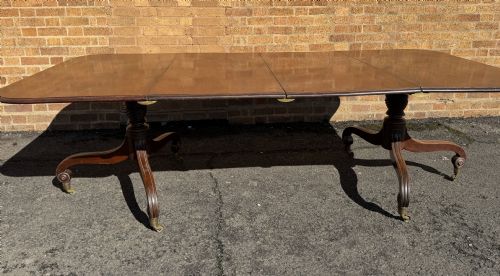
When you search for a wooden pedestal pillar, you encounter items designed to elevate objects or support larger furniture frameworks. The selection ranges from architectural columns and display stands to dining table bases.
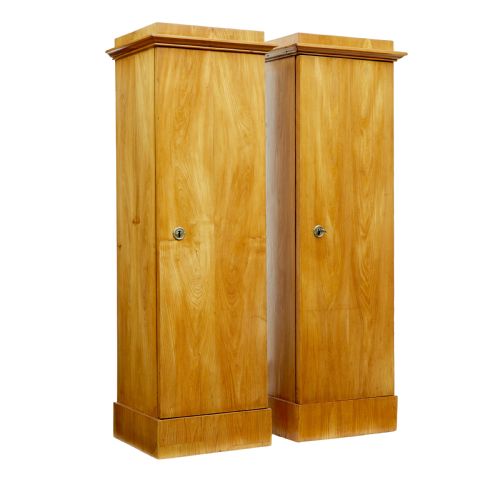
Most pieces on this page emerge from the nineteenth and twentieth centuries, spanning Regency, Victorian, and Edwardian periods. You will frequently find pairs of decorative columns alongside single display plinths and extended dining table supports.
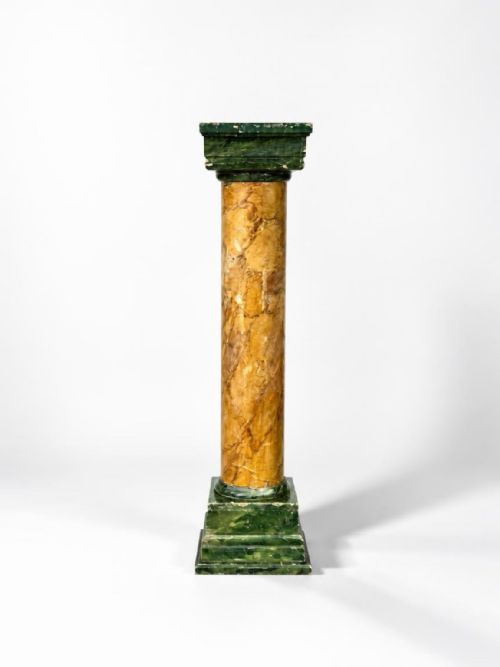
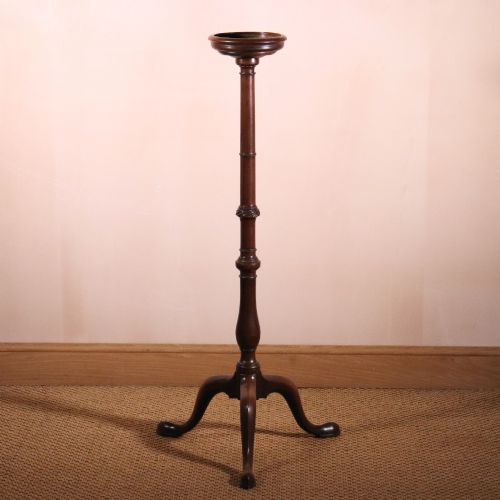
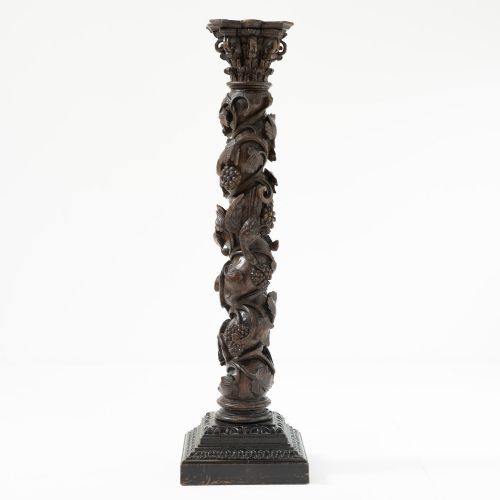
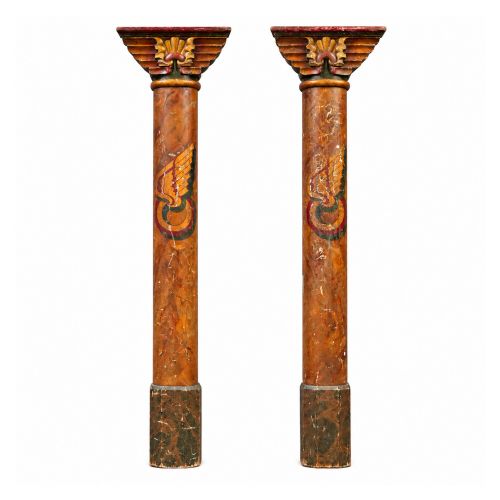
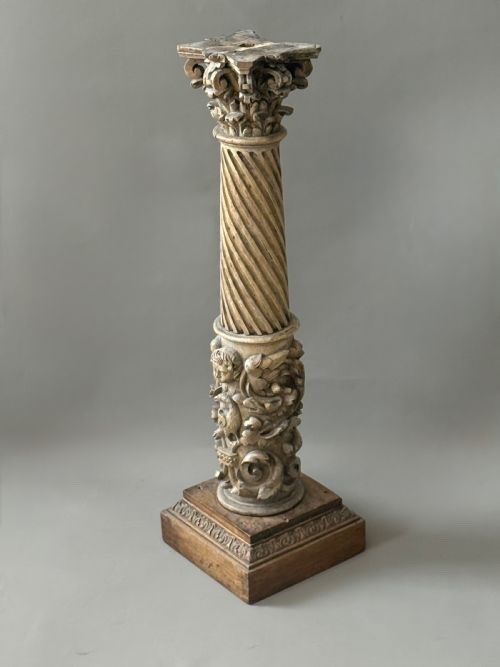
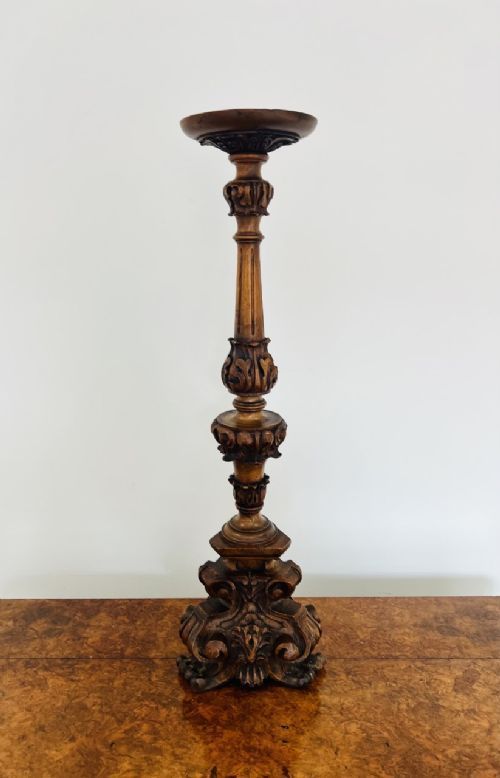
Forms vary from slender torchieres and carved walnut stands to monumental continental baroque lamp bases and painted architectural columns. Each object serves either a domestic display function or provides the structural framework for large dining tables.
What separates the best from the rest
Quality rests in the crispness of the carved detail and the integrity of the timber used throughout the structure. Pieces that retain their original painted surfaces, gesso work, or parcel gilding command greater interest from collectors.
The degree of proportional balance and the complexity of the architectural styling, such as Solomonic twisting or neoclassical proportions, dictate the standing of an individual item. Matched pairs and items retaining functional mechanisms like secret compartments represent higher tiers of craftsmanship.
Wooden Pedestal Pillar Retail Price Guide 2026
Typical asking prices for wooden pedestal pillar among the pieces listed under this phrase on Sellingantiques today, from the lower quarter to the upper quarter. They describe what is for sale here now, not the wider market.
Materials documented across the inventory include solid mahogany, burr walnut, carved oak, stone, brass, and painted hardwood.
The Wooden Pedestal Pillar Glossary
- Solomonic
- A helical or spiral twist column shape associated with Baroque architecture and seventeenth-century design. This twisting form creates dynamic movement along the vertical axis of a pillar.
- Torchiere
- A tall stand or pedestal designed specifically to hold a light source or display an object at height. These slender supports often feature decorative carving at the upper section.
- Gesso
- A plaster-like mixture applied to wood surfaces as a base for paint or gilding. This material allows artisans to carve intricate relief ornamentation before applying the final finish.
- Verde Antico
- A dark green serpentine marble appearance simulated through specialised paint techniques. Artisans replicated this decorative stone effect on wooden display columns during the nineteenth century.
- Parcel Gilt
- A decoration method where only specific carved areas or details of a wooden object receive gold leaf application. This technique highlights particular architectural motifs against a painted or dark wood ground.
Wooden Pedestal Pillar: Frequently Asked Questions
How do I style a pedestal pillar at home?
Place a single wooden pedestal pillar in an empty corner or hallway to display a sculptural object, urn, or table lamp. Height allows the piece to act as a focal point without occupying valuable floor space.
Pair matching columns on either side of a doorway or fireplace to create symmetry in a larger reception room. Ensure the weight of the displayed item aligns with the stability and proportions of the base.
What is the difference between a column and a pedestal?
Columns traditionally follow classical architectural orders with defined bases, shafts, and capitals intended to mimic structural support. Pedestals generally function as standalone display plinths designed to elevate an object to eye level.
Many antique examples blur these distinctions by combining column shafts with flat top surfaces meant for holding decorative items or lighting.
Can multi-pillar dining tables be separated?
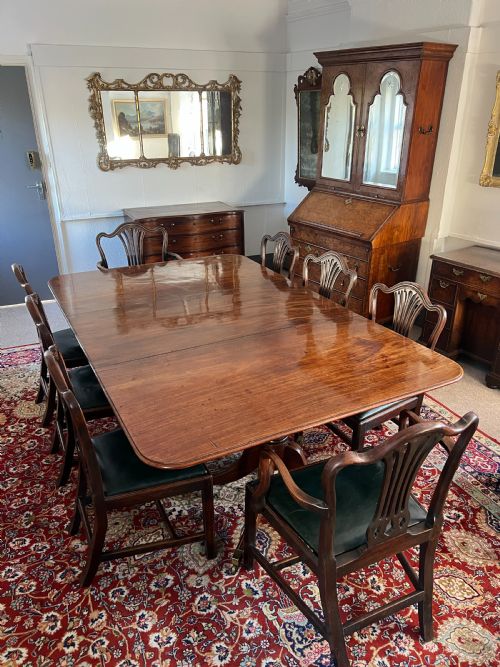
Twin-pillar and three-pillar dining tables utilise modular sections that connect with brass clips or wooden alignment pins. These tables often allow sections to be separated and used individually as console tables or smaller serving surfaces when full extension is not required.
Check the underside of the table top and the pillar attachments to understand how the modular mechanism operates before attempting disassembly.
How do I identify a Regency period pillar?
Regency pieces often incorporate neoclassical motifs influenced by Greek and Roman architecture, executed in rich mahogany or with dark painted finishes. Look for clean architectural lines, reeded column shafts, and restrained brass mounts rather than heavy baroque carving.
Proportions during this period tended to remain balanced and classical, reflecting the dominant aesthetic of the early nineteenth century.