


Wooden Panel Back Chairs
These wooden panel back chairs carry centuries of honest joinery, built from solid timbers to anchor a room with architectural presence.
Wooden Panel Back Chairs
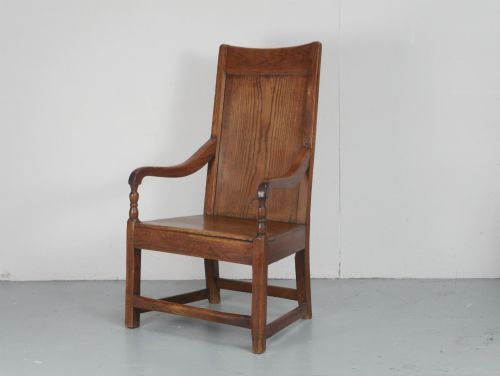
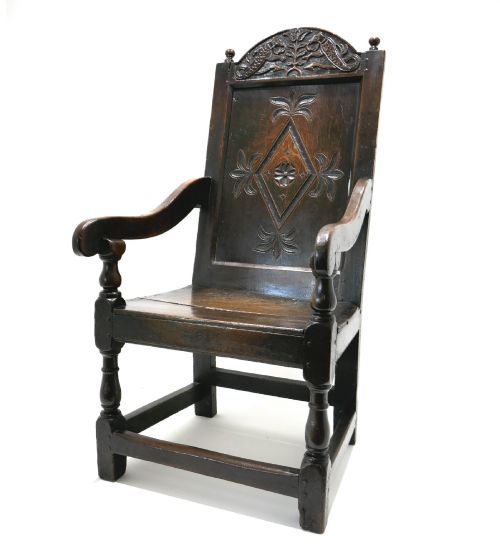
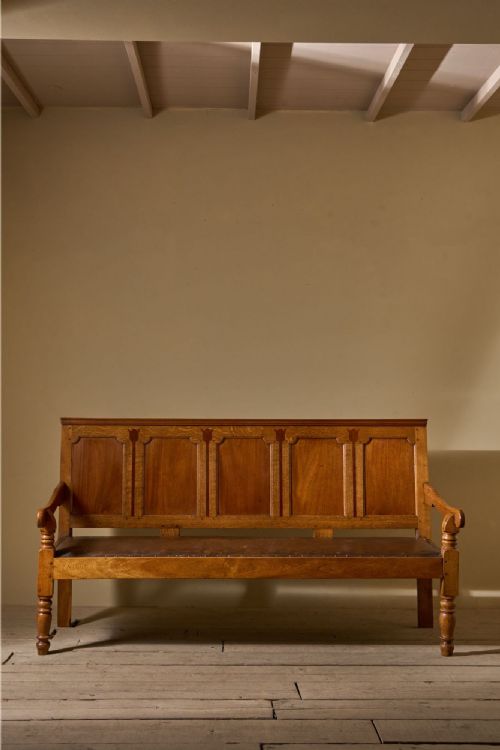
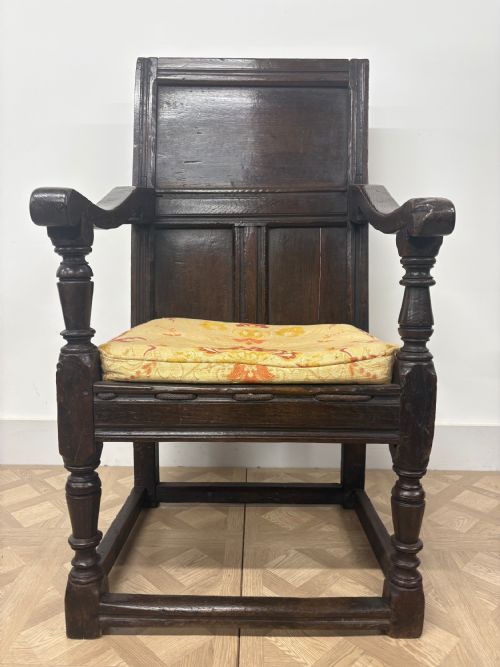
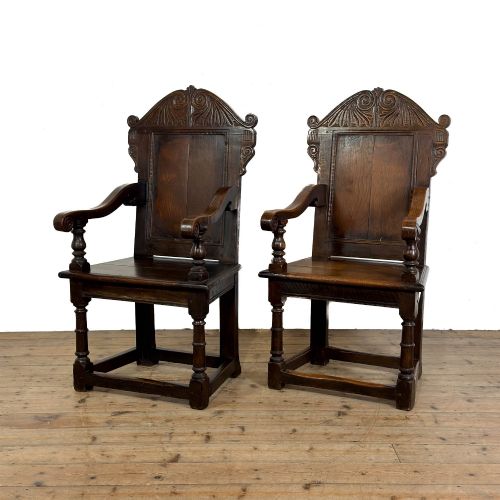
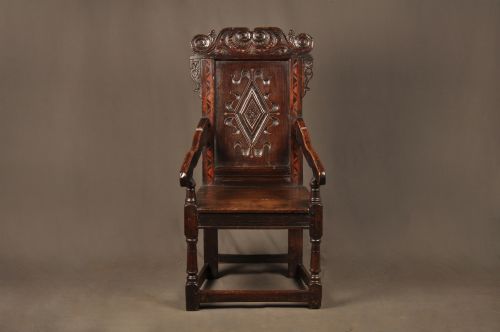
Wooden panel back chairs encompass sturdy wainscot armchairs, high-backed dining seats, and provincial settles spanning from the seventeenth century through to Victorian revivals. Original seventeenth-century examples sit alongside nineteenth-century interpretations built in historic styles.
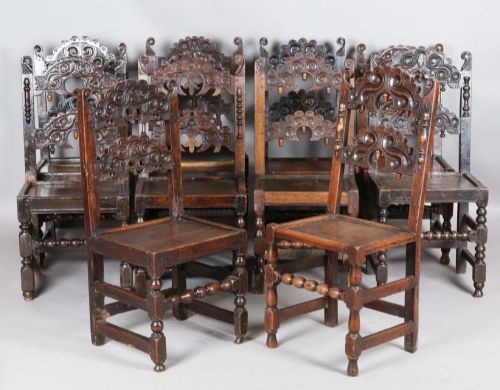
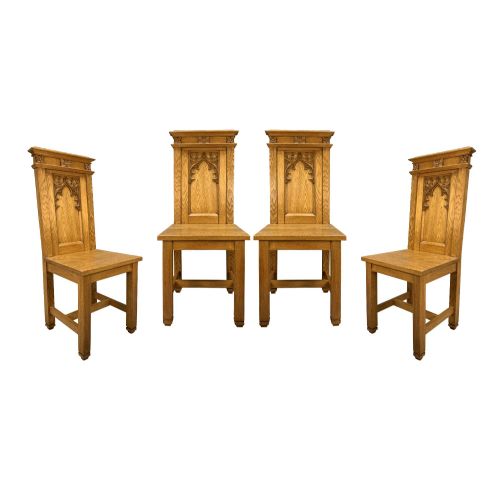
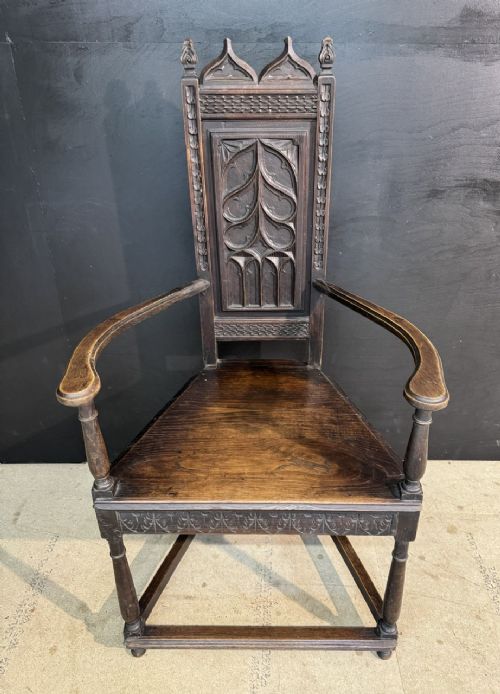
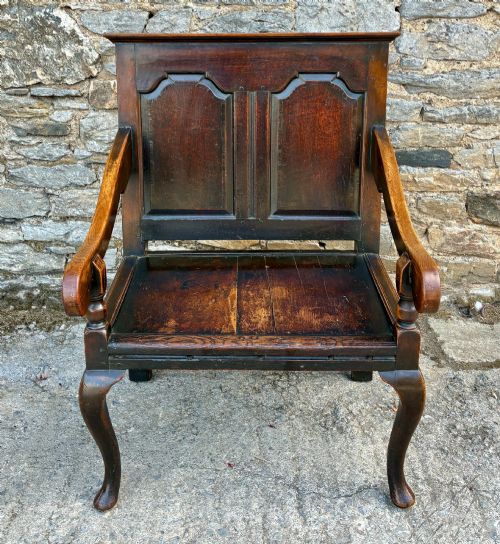
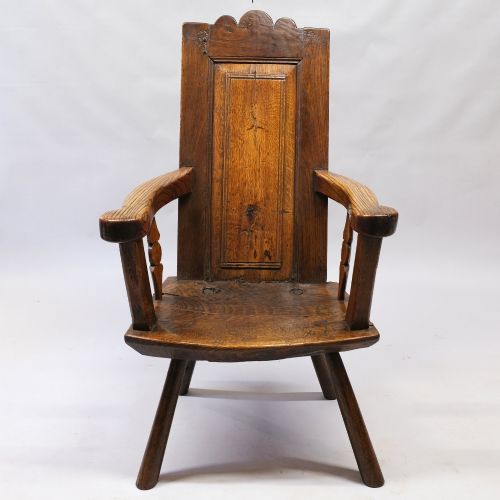
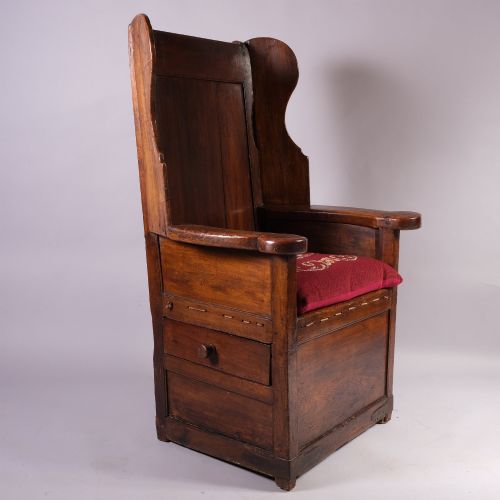
The selections on this page lean heavily towards seventeenth-century oak forms, alongside eighteenth-century vernacular pieces and nineteenth-century Gothic or Jacobean revival seating. Regional variations such as northern English, Welsh, and Lakeland pieces frequently appear among the inventory.
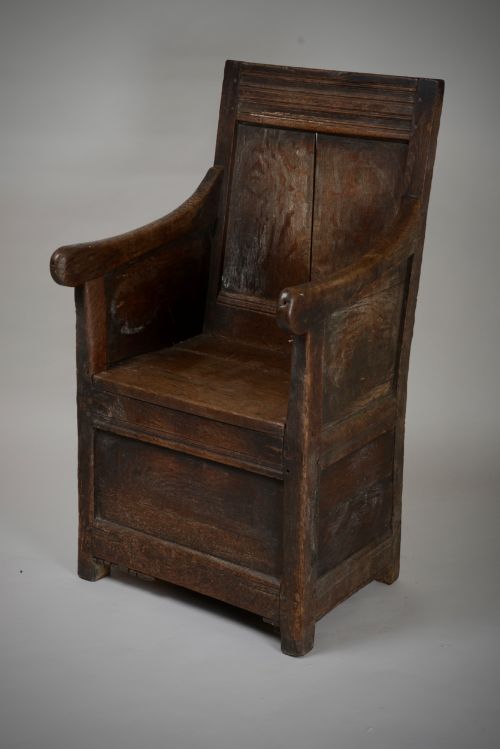
Armchairs, hall chairs, and benches share the characteristic solid timber back panel, which provided protection against draughts in early domestic interiors. These forms served utilitarian roles in great halls, farmhouses, and dining spaces before evolving into decorative revival items.
Materials and construction
Oak dominates the construction, joined with traditional mortise and tenon framing secured by wooden pegs rather than metal fastenings. Supplementary timbers such as elm, walnut, and pine appear in specific regional pieces and later provincial work.
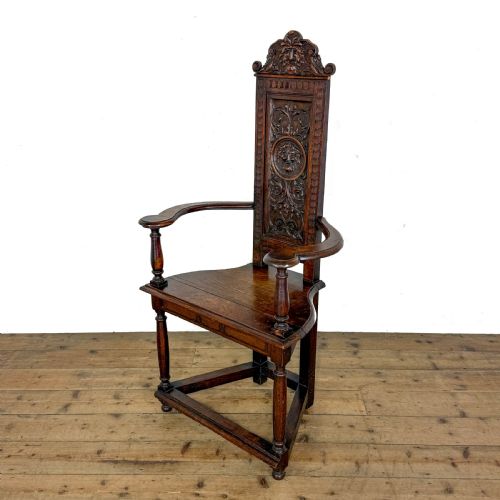
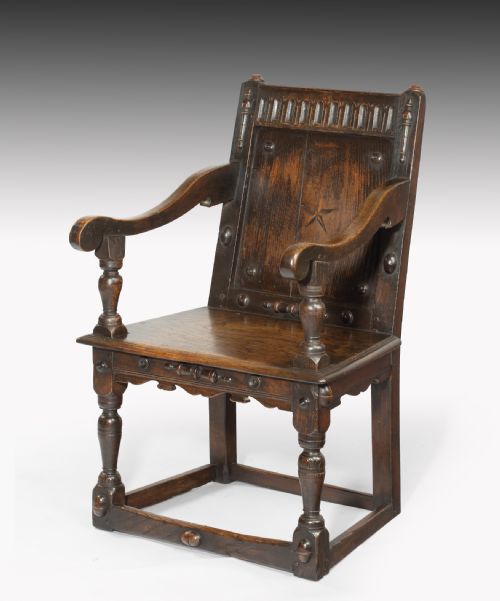
Back panels feature flat or carved wooden boards fitted into grooved uprights and rails, often embellished with geometric strapwork, floral motifs, or heraldic carving. Seats are fashioned from solid planks or joined solid timber, supported by turned or squared legs connected by floor stretchers.
Wooden Panel Back Chairs Retail Price Guide 2026
Typical asking prices for wooden panel back chairs among the pieces listed under this phrase on Sellingantiques today, from the lower quarter to the upper quarter. They describe what is for sale here now, not the wider market.
Early panel back chairs double as draught excluders, proving that seventeenth-century furniture designers understood the biting chill of a drafty hall long before central heating.
Judging the work
The integrity of the frame and the depth of the original timber patina separate honest period survivals from heavily altered or purely decorative modern reconstructions. Crispness in the hand-carved panels and the retention of primary timbers without excessive replacement parts indicate superior pedigree.
Proportion and stance dictate the visual weight of the piece, with well-balanced arm supports and undisturbed wear patterns on the footings denoting a long history of domestic use. Later revival pieces vary according to the fidelity of the historic revival style and the quality of the regional joinery.
The Wooden Panel Back Chairs Glossary
- Wainscot
- A heavy wooden armchair of seventeenth-century origin featuring a panelled back and solid timber seat. These pieces derived their name from fine imported Dutch oak boards.
- Joint stool
- A sturdy wooden seat constructed with mortise and tenon joinery using wooden pegs. The technique forms the structural basis for the legs and frames of panel back chairs.
- Strapwork
- Carved flat ornamental bands arranged in geometric scrolls or interlaced patterns on seventeenth-century back panels. This decorative technique reflects Renaissance strapwork motifs adapted by local joiners.
- Settle
- A wooden bench featuring a high panel back and enclosed arms designed to deflect cold draughts in early interiors. They often incorporate box storage beneath the seat.
- Caquetoire
- A light sixteenth or seventeenth-century conversation chair with a trapezoidal seat and high narrow back. The form originated in France to accommodate voluminous contemporary fashions.
Wooden Panel Back Chairs: Frequently Asked Questions
What is a wainscot chair?
A wainscot chair is a heavy wooden armchair from the seventeenth century or earlier, constructed with framed panel backs and solid seats. They were costly items in their day, reserved for the head of the household.
Over time, the term became synonymous with any heavy oak panel-backed seating from the period, including revival pieces made in the nineteenth century.
How do I spot a revival piece?
Nineteenth-century revival pieces often display machine-sawn timber marks, brighter wood tones, and different peg construction compared to seventeenth-century originals. Carving on revival chairs can appear mechanical and uniform.
Examining the underside and the wear around the footings reveals how the timber has aged and whether the components share the same period of manufacture.
Were these chairs used for dining?
Early panel back armchairs were solitary status seats rather than matching sets around a dining table. By the eighteenth and nineteenth centuries, smaller side chairs and dining sets with panel backs were produced for larger households.
Matching sets from the seventeenth century are exceptionally scarce, as most domestic seating was commissioned individually or built in smaller groups.
How should I care for old oak?
Old oak benefits from stable room temperatures and protection from direct sunlight and heat sources, which dry out the timber and cause splits. Applying a neutral beeswax polish helps nourish the grain.
Avoid modern liquid cleaners or silicone sprays, as they build up on the surface and dull the natural patina accumulated over centuries.