


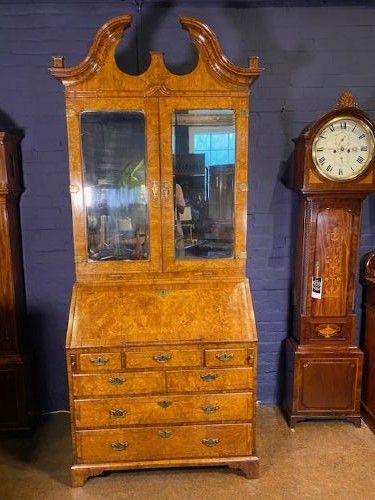
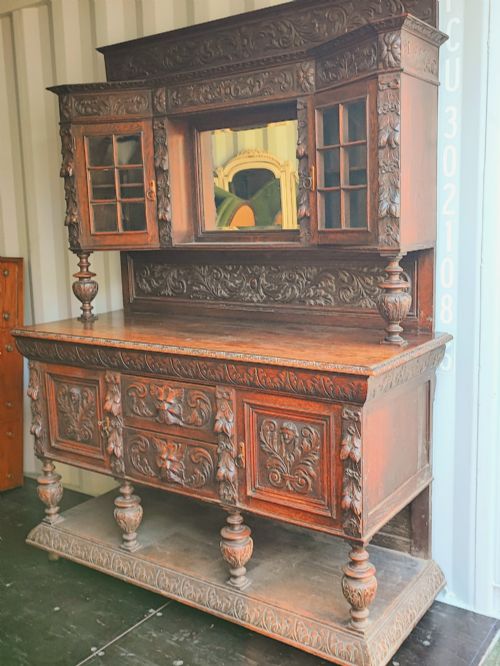
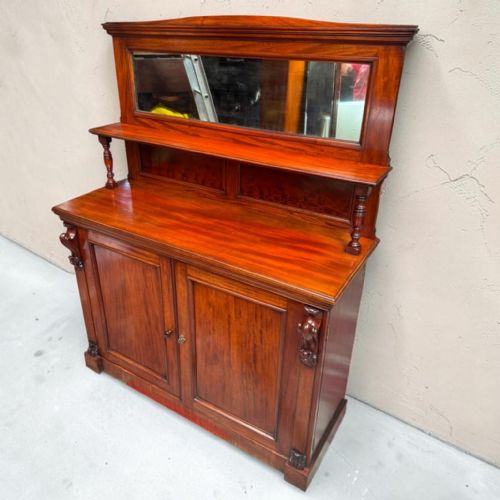
Wooden Mirrored Cabinet
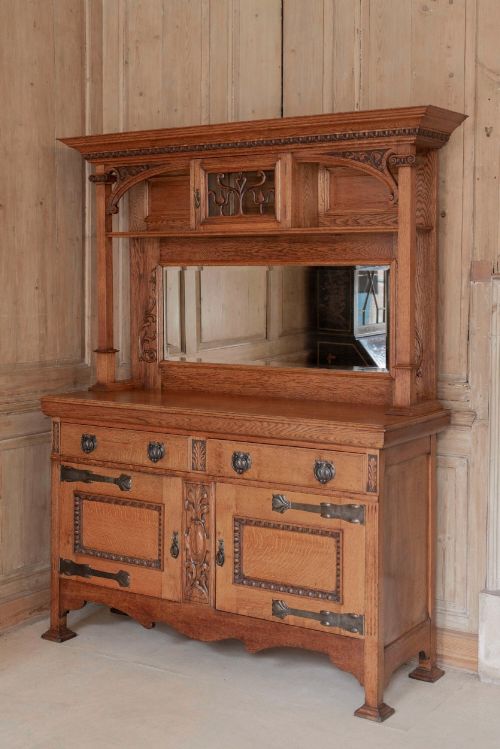
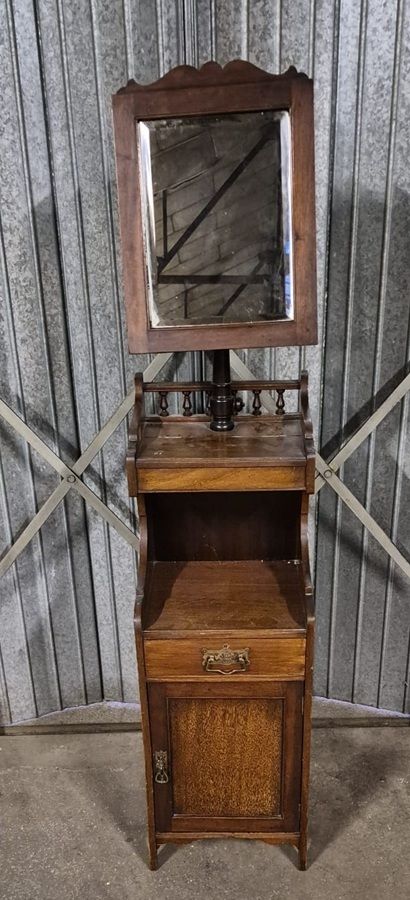
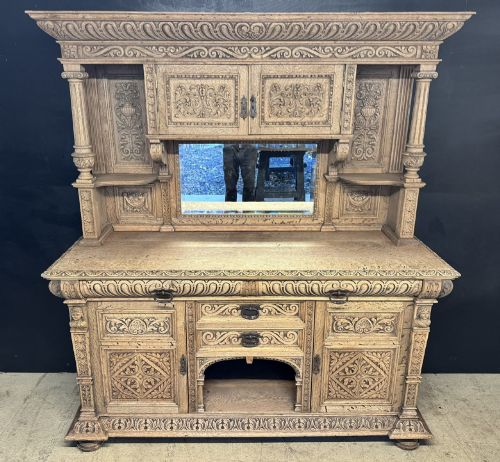
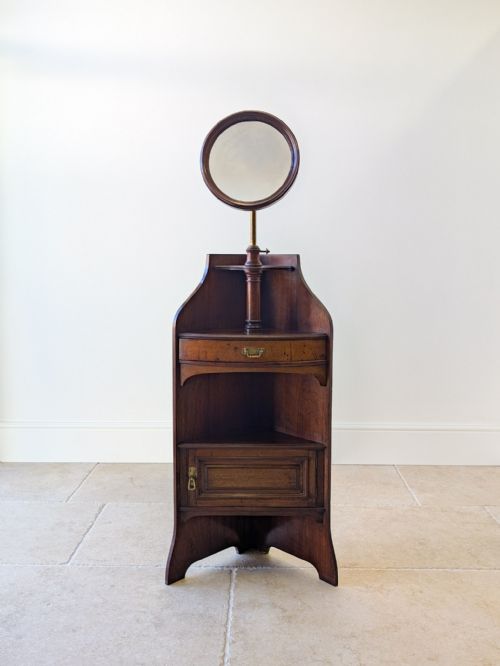
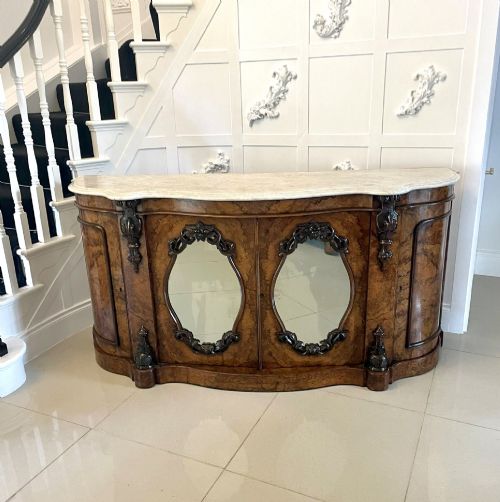
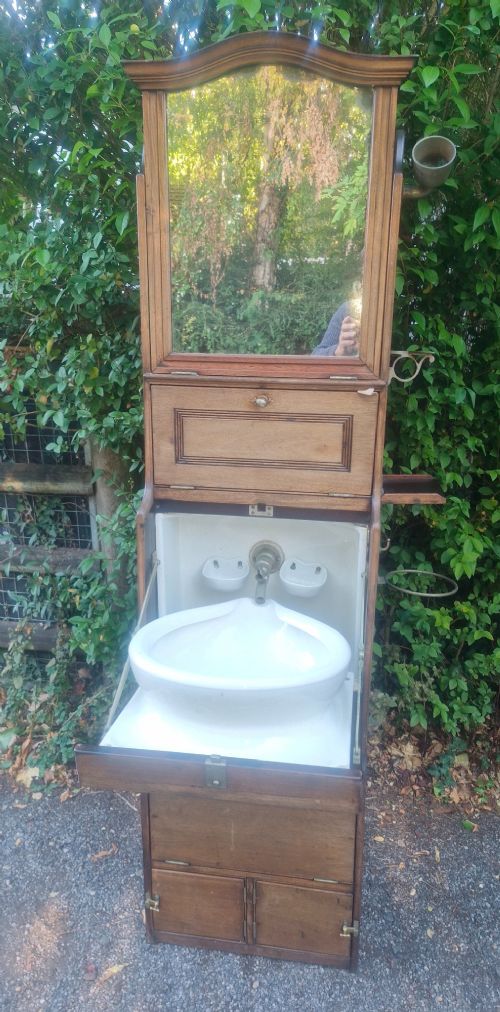
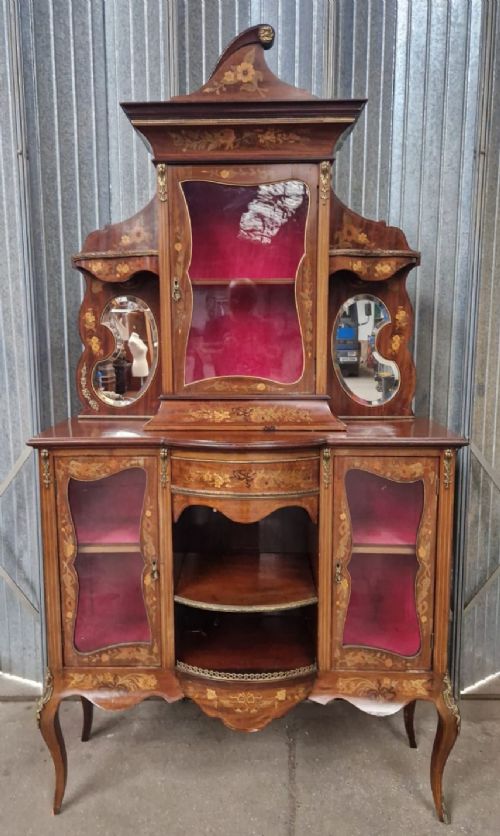
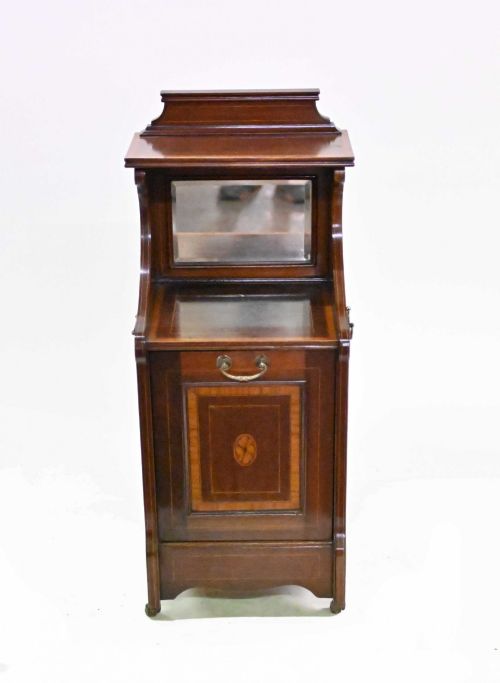
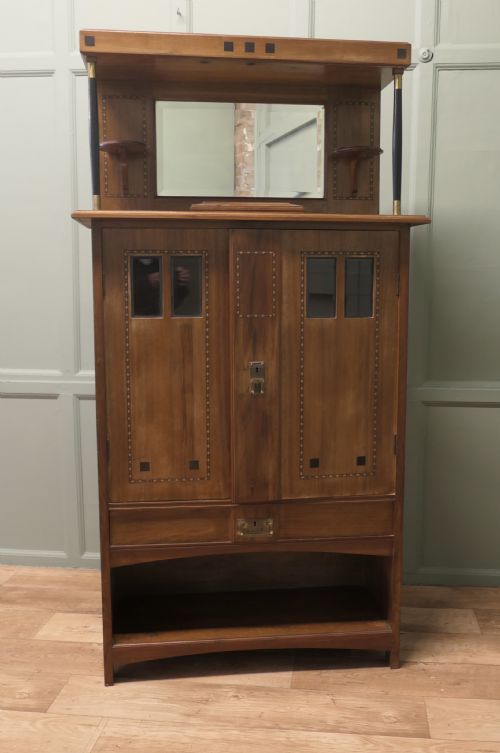
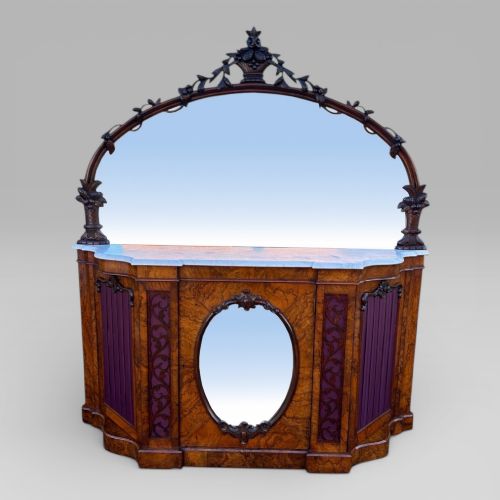
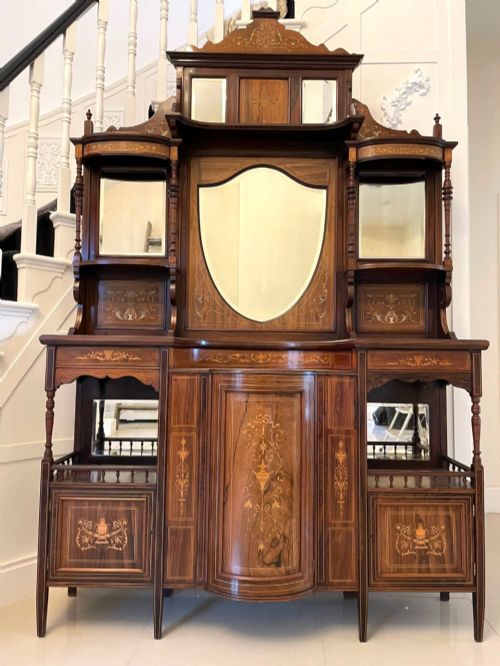
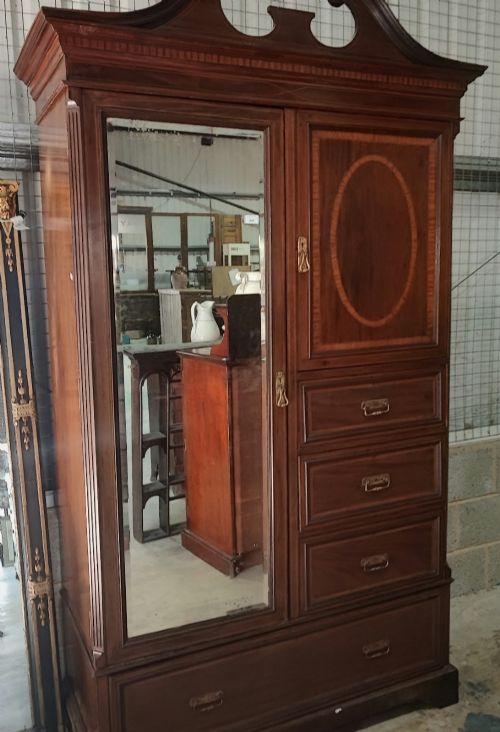
These wooden mirrored cabinet examples bring together timber frames and reflective glass from the Victorian and Edwardian periods.
Wooden Mirrored Cabinet
A wooden mirrored cabinet is essentially a piece of furniture that combines timber construction with integrated mirror glass, appearing frequently in forms such as sideboards, wardrobes, and washstands. When you search for a wooden mirrored cabinet, you encounter diverse domestic items designed to reflect light and store belongings in nineteenth and early twentieth-century interiors.
The selections available here lean heavily toward Victorian and Edwardian pieces, spanning decades from the mid-nineteenth century up to the early twentieth century. You will find forms ranging from large mirror-backed sideboards and credenzas down to compact wall-hanging shaving mirrors and hall key cabinets.
Makers utilised distinct regional timbers and styles, meaning you might uncover an Arts and Crafts oak sideboard alongside a finely figured walnut or mahogany cabinet. Each variation serves a practical household function while displaying the prevailing aesthetic tastes of its decade.
How they were made
Cabinet makers constructed the foundational carcases using sturdy hardwoods such as mahogany, oak, walnut, and rosewood, often applying burr walnut or marquetry stringing for decorative contrast. These timbers provided the structural integrity needed to support heavy glass doors and large upright mirror plates.
Glass production and silvering techniques allowed craftsmen to integrate bevelled or flat mirror glass securely into doors, backsplashes, and wall-hanging frames. Brass hardware, including hinges, handles, and key escutcheons, completed the assembly alongside occasional marble tops on washstands and credenzas.
Wooden Mirrored Cabinet Retail Price Guide 2026
Typical asking prices for wooden mirrored cabinet among the pieces listed under this phrase on Sellingantiques today, from the lower quarter to the upper quarter. They describe what is for sale here now, not the wider market.
Some Victorian washstands secretly doubled as shaving stations equipped with clever adjustable mirrors and concealed basins for morning grooming.
What varies in quality
The distinction between ordinary and superior pieces rests on timber selection and the refinement of surface carving or inlay work. Cabinets featuring highly figured burr walnut, elaborate marquetry, or dense mahogany demonstrate a higher standard of workshop execution than plain utility items.
Structural harmony also dictates value, where well-proportioned cornices, integrated mirror framing, and original brass fittings indicate a more ambitious commission from prominent cabinet makers rather than mass-produced domestic joinery.
Edwards and Roberts·James Shoolbred
The Wooden Mirrored Cabinet Glossary
- Mirror back
- A high timber superstructure holding a glass mirror plate, commonly attached to sideboards and credenzas to reflect light in dining rooms and parlours.
- Compactum
- A large, multi-sectioned wardrobe designed to maximise storage efficiency by combining hanging space, linen drawers, and small compartments.
- Credenza
- A sideboard or buffet cabinet developed during the Victorian era, frequently featuring mirrored backs, marble tops, and enclosed central cupboards.
- Marquetry
- The art of applying thin decorative veneers of various coloured woods to a structural carcase to form complex pictorial or geometric patterns.
- Tantalus
- A locking wooden beverage frame that holds decanters securely behind a metal bar, preventing guests from accessing the contents without a key.
Wooden Mirrored Cabinet: Frequently Asked Questions
What periods do these cabinets come from?
The pieces originate predominantly from the Victorian and Edwardian eras, spanning from the mid-nineteenth century into the early twentieth century. These decades introduced diverse revival styles alongside Arts and Crafts and Secessionist influences.
Craftsmen during these periods relied on traditional timber framing methods combined with newly industrialised glass silvering techniques. Consequently, surviving examples display a clear evolution from heavy, carved mahogany to lighter oak and walnut designs.
Where were mirrored cabinets used in the home?
These items served functional roles across multiple domestic spaces, including dining rooms, hallways, bedrooms, and bathrooms. Large mirror-backed sideboards anchored dining spaces, while smaller wall-hanging cabinets equipped bedrooms and shaving areas.
The inclusion of mirror glass allowed rooms to appear larger and brighter by bouncing natural and candle light around the interior. Practical storage compartments kept personal items, washware, or beverages concealed behind timber doors.
How do I care for antique wood and glass?
Maintaining these surfaces requires gentle cleaning with soft, dry cloths to remove dust from timber carvings and mirror frames. Avoid harsh chemical polishes that can degrade nineteenth-century wax finishes or seep behind mirror silvering.
Keep the cabinets away from direct sunlight and sudden temperature fluctuations to prevent timber warping or veneer cracking. Conditioning the wood occasionally with appropriate wax helps preserve the natural grain and sheen.
How do I distinguish Victorian from Edwardian styles?
Victorian cabinets generally feature heavier proportions, darker mahoganies or rosewoods, and dense carved ornamentation. They often incorporate high mirror backs with elaborate scrollwork and robust structural elements.
Edwardian pieces tend to display lighter timbers such as blonde oak or satinwood, favouring simpler geometric lines or understated inlay. The overall aesthetic shifted toward brighter, more functional domestic furniture suited to changing social habits.