


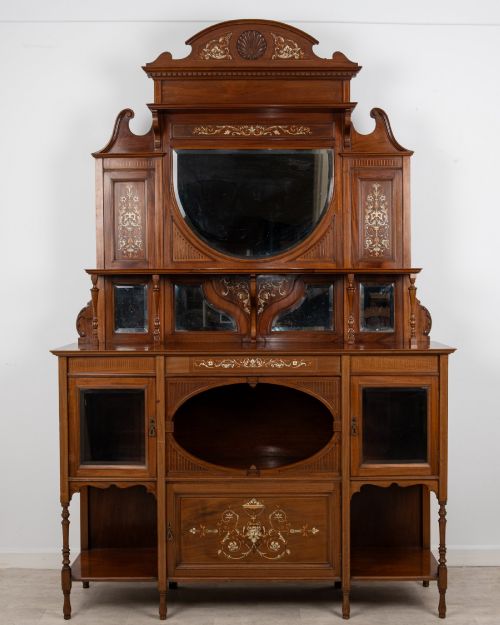
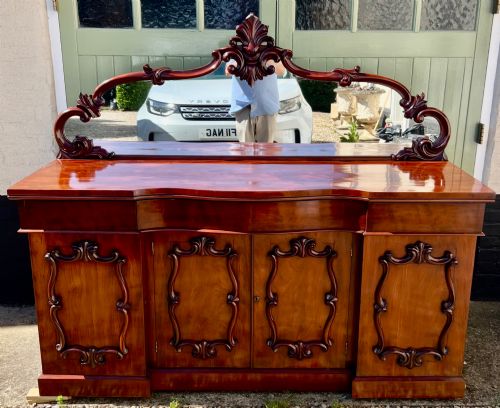


Wooden Mirror Back Sideboard
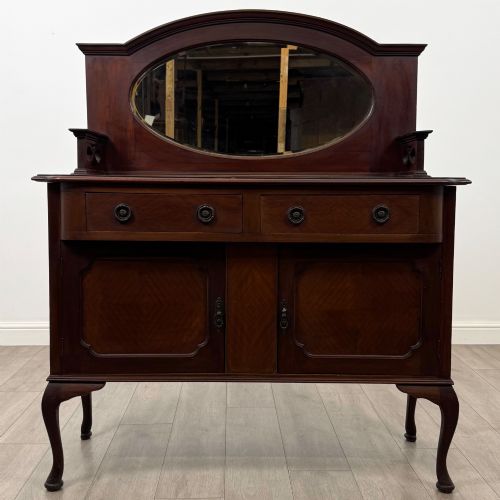
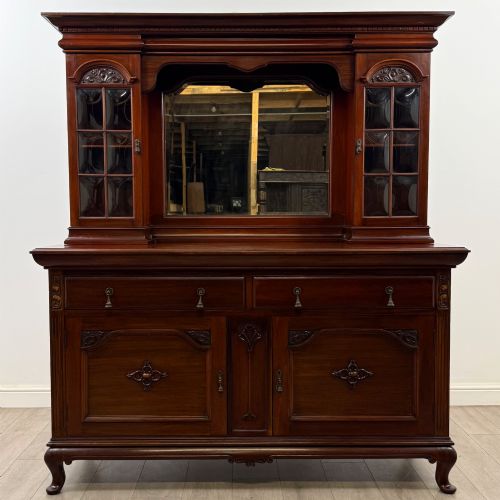
A wooden mirror back sideboard brings together practical dining room storage and a tall glass plate that reflects the room.
Wooden Mirror Back Sideboard
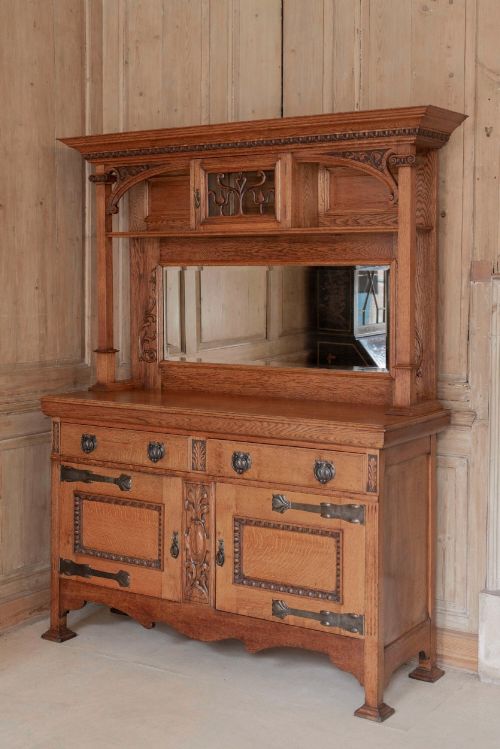
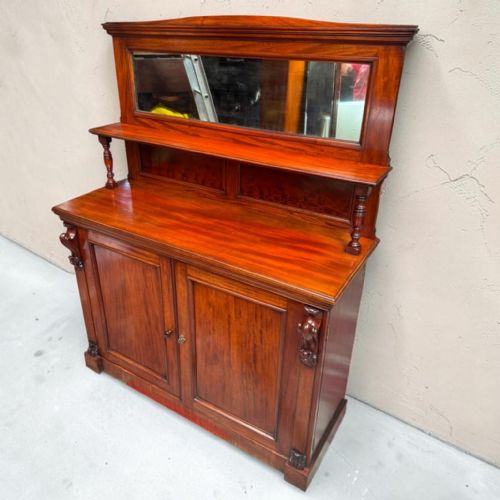
A wooden mirror back sideboard is a substantial furniture piece designed for dining rooms and reception spaces, combining a lower cabinet or buffet base with an integrated mirror superstructure. These pieces emerge predominantly from the Victorian and Edwardian periods, stretching from the mid-nineteenth century into the early twentieth century.
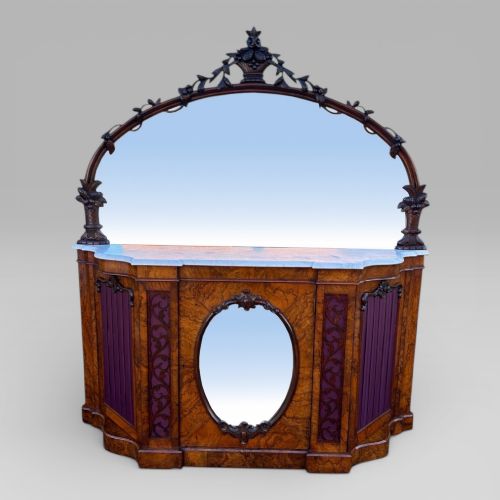
The versions most commonly met on this page span Victorian walnut and Edwardian mahogany forms. Makers utilised timbers such as oak, burr walnut, flame mahogany and pollard oak, often pairing the main body with brass hardware and marble tops.
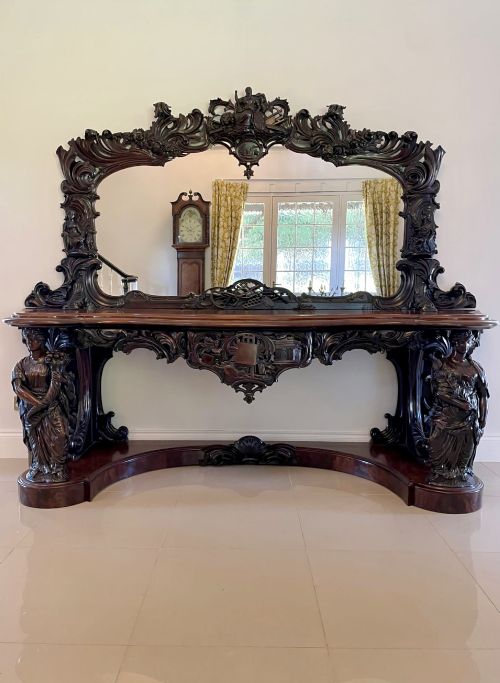
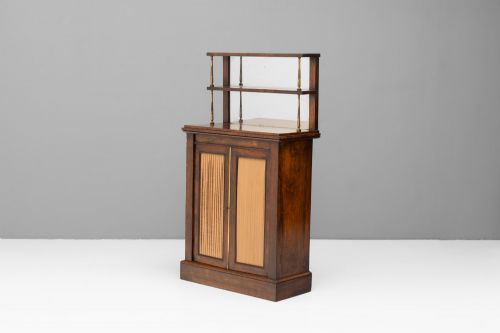
Beyond standard sideboards, the selection encompasses related low-built forms like chiffoniers, credenzas, breakfront pedestal sideboards and console tables. Each variation serves the dual purpose of concealing dining china within cupboards while displaying decorative objects on top.
How they were made
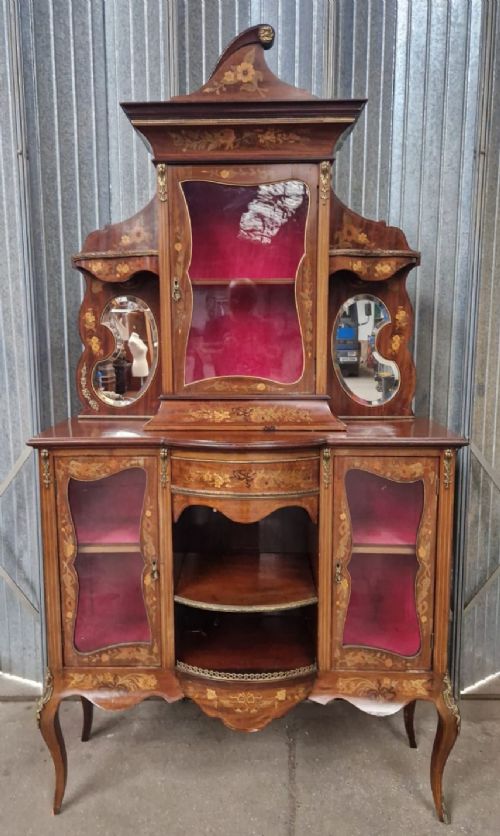
Cabinet makers constructed the foundational carcase from solid hardwoods and applied veneers of figured timbers such as burr walnut, flame mahogany and amboyna across the primary surfaces. Carved details, inlay work and ebonised highlights appeared frequently on high Victorian and Arts and Crafts examples.
The mirror back component incorporated bevelled glass plates secured within carved or inlaid wooden frames attached firmly to the rear of the sideboard base. Marble inserts occasionally topped the surface of walnut credenzas and washstands to provide a durable, wipe-clean counter.
Wooden Mirror Back Sideboard Retail Price Guide 2026
Typical asking prices for wooden mirror back sideboard among the pieces listed under this phrase on Sellingantiques today, from the lower quarter to the upper quarter. They describe what is for sale here now, not the wider market.
One towering mahogany console table comes marked as exhibition quality, built large enough to out-stare any dining guest.
What varies in quality
Quality rests on the selection and matching of timber veneers across the doors and drawer fronts, where figured grains and book-matched flame mahogany indicate superior workshop standards. The depth and crispness of hand-carved ornamentation separate standard utility pieces from exhibition-grade furniture.
The integration of the mirror back dictates structural integrity, requiring sturdy rear framing that supports heavy glass plates without warping the sideboard top. Finer examples feature intricate marquetry inlay, amboyna cross-banding and substantial brass mounts rather than simpler stamped metal fittings.
Maple & Co
The Wooden Mirror Back Sideboard Glossary
- Chiffonier
- A low compact sideboard or cabinet equipped with drawers and cupboards below, frequently topped by a small shelf or mirror back.
- Credenza
- A grand sideboard or serving cabinet developed during the nineteenth century, often featuring central glass doors and curved pedestal ends.
- Marquetry
- The decorative craft of applying thin pieces of wood veneer to a structure to form intricate pictorial patterns and geometric designs.
- Pollard oak
- Oak timber derived from trees that were cut back close to the trunk, producing a dense, highly knotted and burr-like grain pattern.
Wooden Mirror Back Sideboard: Frequently Asked Questions
How do I date a mirror back sideboard?
Dating relies on identifying the prevailing stylistic movements and timber choices recorded across the pieces. Victorian examples often show heavy carving and dark mahogany or burr walnut, while Edwardian pieces lean towards lighter oak or inlaid mahogany.
Structural details such as the shape of the mirror frame, the presence of marble tops, and specific revival styles help narrow the decade of manufacture.
How were these sideboards used originally?
In nineteenth and early twentieth century homes, these pieces stood in the dining room to hold heavy serving dishes, cutlery, and glassware within their cupboards and drawers. The flat top served as a station for carving meat or arranging dishes during meals.
The mirror reflected the candlelight and tableware, making dining rooms appear larger and brighter during evening gatherings.
How do I care for a walnut sideboard?
Maintenance involves dusting timber surfaces regularly with a soft, dry cloth and avoiding placement near direct heat sources or strong sunlight that can dry out walnut veneers. Periodic treatment with appropriate furniture wax preserves the finish.
Care should be taken to clean the mirror glass with a mild glass cleaner applied to the cloth rather than sprayed directly onto the wood.