

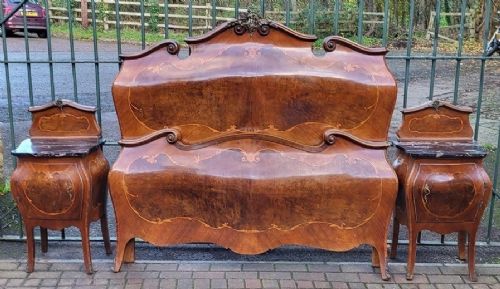
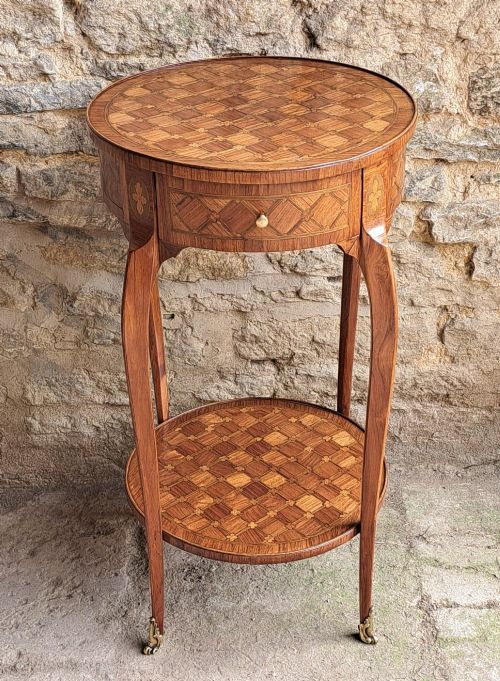
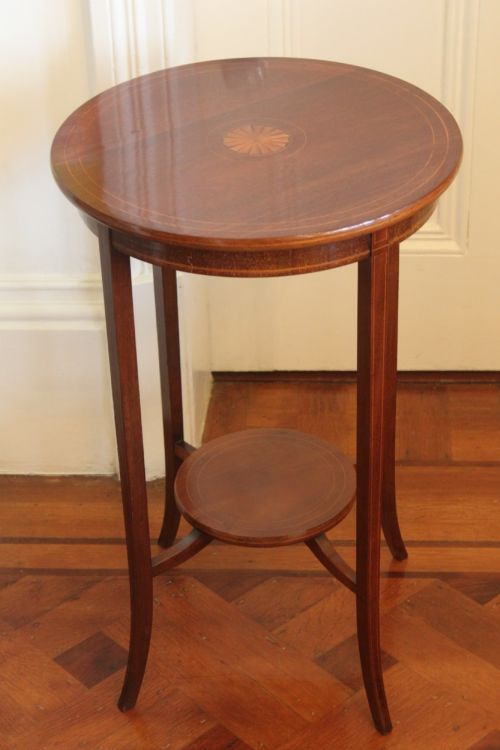
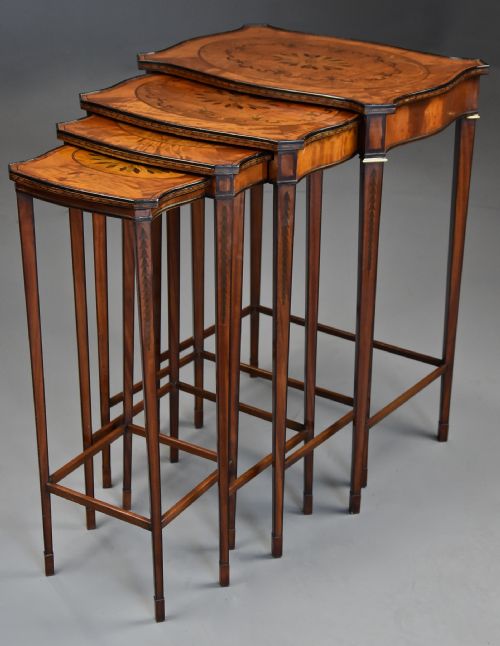
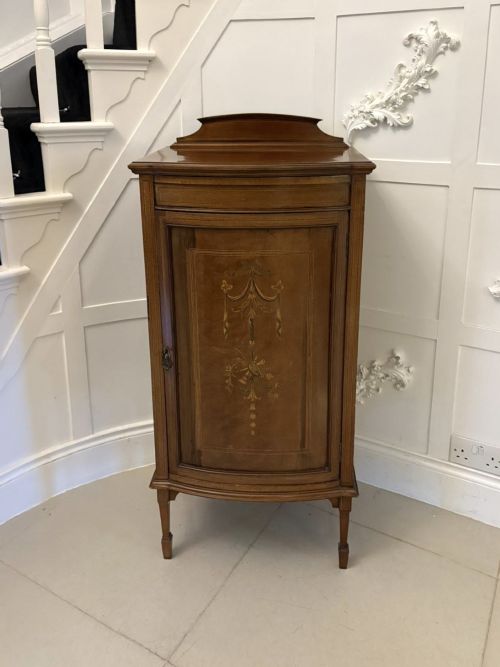
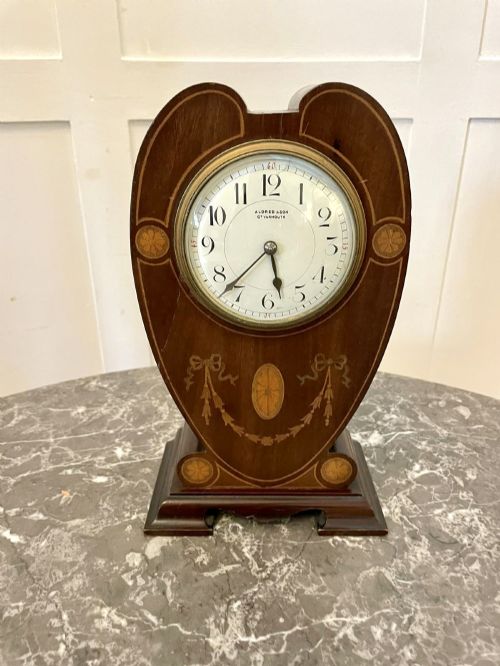
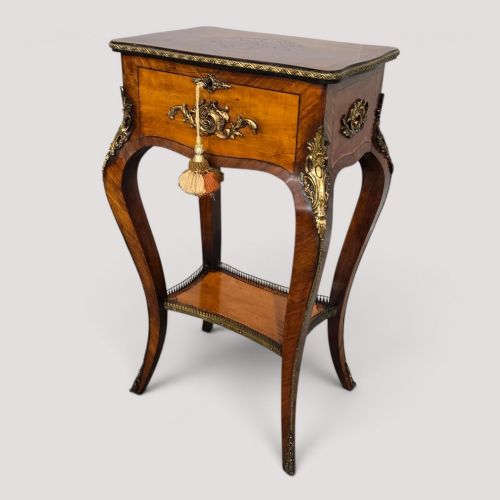
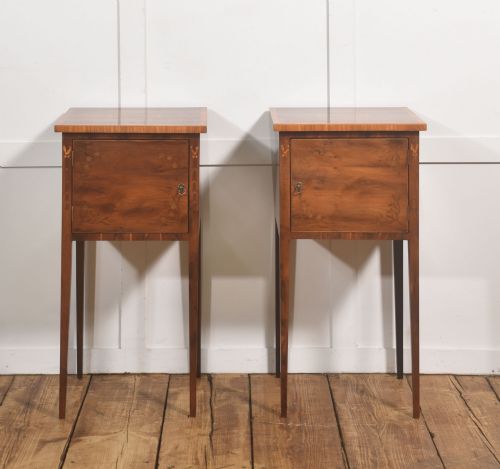
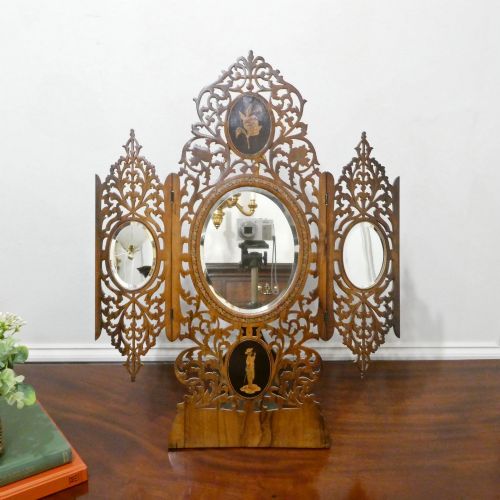
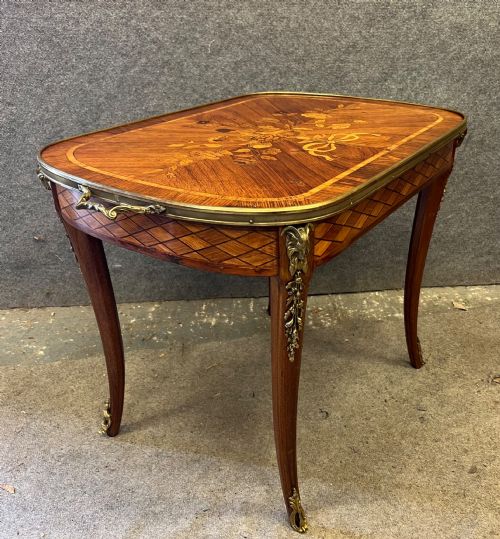
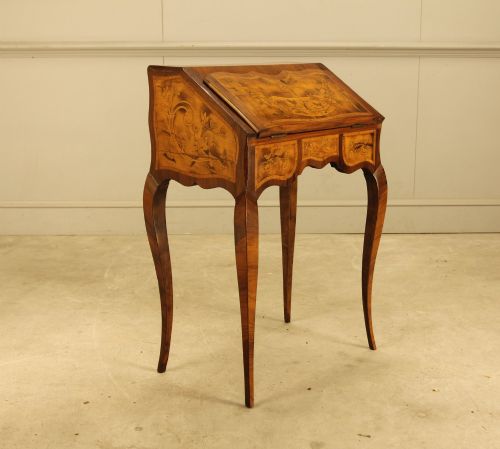
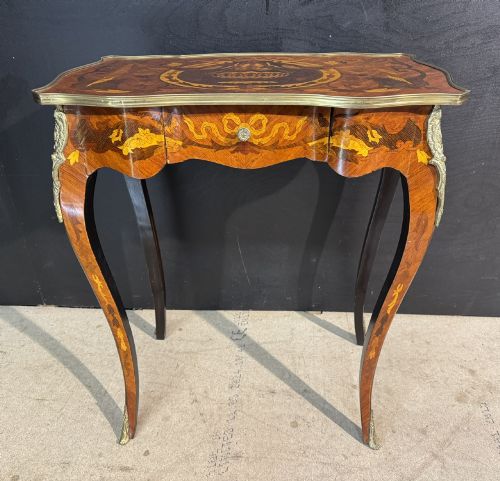
Wooden Marquetry Table
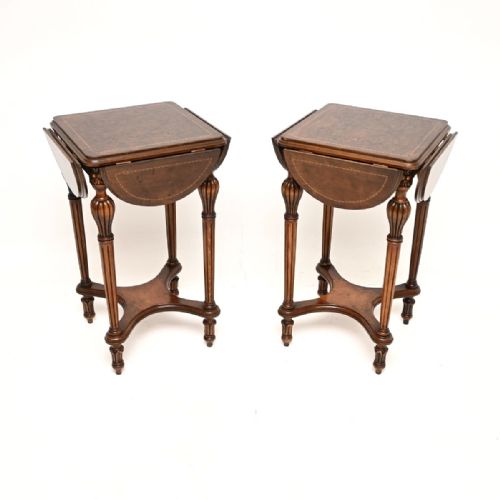
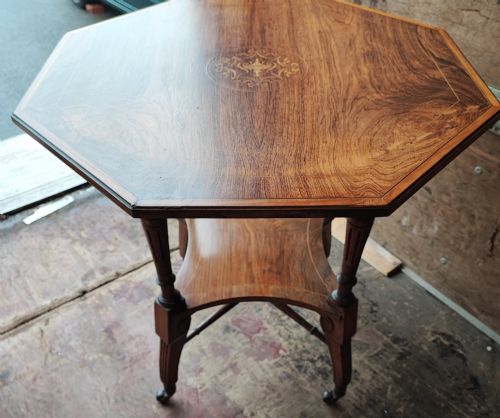
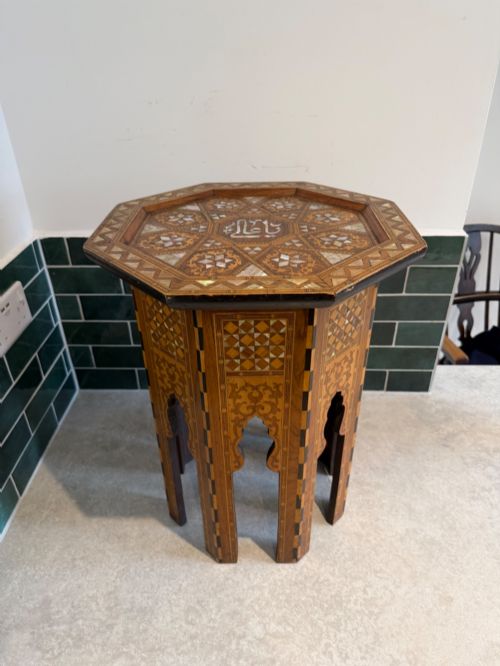
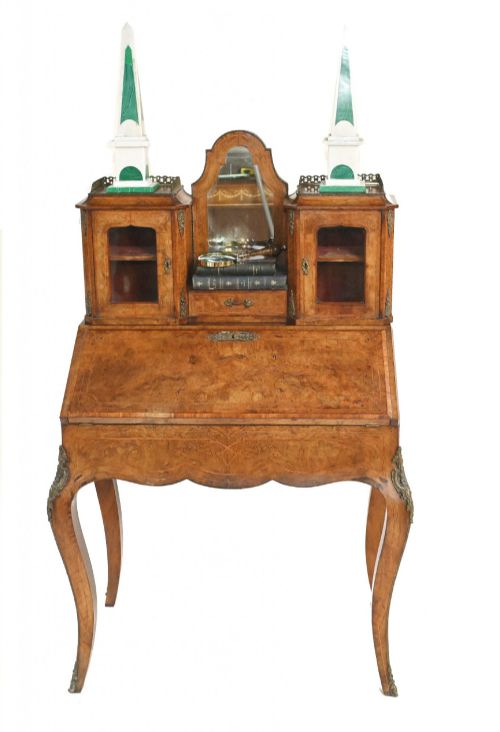
A wooden marquetry table brings pictorial skill into a room through intricate veneers arranged to form floral or geometric designs.
Wooden Marquetry Table
A wooden marquetry table combines functional furniture with detailed pictorial woodcraft, appearing across periods from the eighteenth century through to the twentieth century. These pieces function as occasional tables, coffee tables, lamp tables, and games tables within domestic spaces.
Makers utilised woods such as walnut, mahogany, satinwood, and kingwood as bases for contrasting veneers that define the decorative character of each piece. Surviving examples demonstrate how intricate surface patterns were applied to everyday furniture types.
How they were made
Craftsmen assembled these tables by cutting thin veneers of contrasting timbers, including rosewood, walnut, and satinwood, and fitting them together like a puzzle inside a paper pattern. This assembled picture was then glued onto a solid wood carcase or table top.
Secondary framing elements incorporated brass galleries, ormolu mounts, and hand-carved walnut supports to complement the patterned surface. Joinery methods varied from traditional dovetails on drawer linings to pegged frames on occasional and pembroke tables.
Wooden Marquetry Table Retail Price Guide 2026
Typical asking prices for wooden marquetry table among the pieces listed under this phrase on Sellingantiques today, from the lower quarter to the upper quarter. They describe what is for sale here now, not the wider market.
What varies in quality
The degree of fidelity in the veneer cutting and the natural colour contrast of the timbers determine the visual success of the top. Superior examples display tightly fitted joins between disparate wood species without excessive use of drawn filler lines.
The choice of secondary woods and the presence of supplementary decorative hardware, such as cast brass mounts or finely turned bobbin legs, distinguish standard production pieces from more ambitious cabinet work.
Gillows
The Wooden Marquetry Table Glossary
- Marquetry
- The art of forming decorative patterns on a wooden surface by fitting together thin slices of veneer in contrasting timbers and colours. This technique differs from inlay by covering the entire background surface rather than setting pieces into recessed channels.
- Veneer
- A thin slice of figured wood applied to a stable secondary timber base to provide a decorative exterior surface. Cabinet makers selected woods like satinwood and kingwood for their grain patterns.
- Ormolu
- Gilt bronze mounts cast and chased for decorative effect on furniture and clocks. These metal ornaments frequently edge the tops or feet of French tables.
- Sorrento Ware
- Souvenir woodwork produced in Italy featuring micro-mosaic wood inlay depicting buildings, figures, or floral scenes. This specific regional craft appears on nineteenth-century trays and small tables.
Wooden Marquetry Table: Frequently Asked Questions
How do I use a marquetry table today?
These tables fit easily beside armchairs or sofas as lamp tables or occasional surfaces for drinks and books. Their patterned tops add decorative interest to empty corners without requiring extra styling.
Keep them away from direct heat sources and strong sunlight to protect the delicate wood veneers from drying out or fading over time. Use coasters to guard the polished surface against moisture rings.
What is the difference between marquetry and parquetry?
Marquetry involves cutting and assembling veneers into pictorial scenes, scrolls, or floral motifs. It requires careful hand-cutting of diverse timber types to create fluid shapes.
Parquetry uses geometric shapes such as squares, triangles, or diamonds to form repeating patterns like chessboards or cubes. Both techniques decorate table tops across the eighteenth and nineteenth centuries.
How do I care for antique wood veneers?
Dust the surface regularly with a soft, dry cloth to prevent grit from scratching the polished finish. Apply a quality beeswax occasionally to nourish the wood and maintain a gentle sheen.
Avoid commercial spray polishes containing silicone, which can build up and soften the historic finish. Maintain stable room humidity to prevent the thin veneers from lifting off their wooden bases.
How can I tell an Edwardian table from an earlier piece?
Edwardian tables often display lighter mahogany frames with simpler inlaid stringing and satinwood banding. They reflect revival tastes while utilising machine-assisted preparation alongside hand assembly.
Earlier pieces from the eighteenth century or the George III period exhibit denser native timbers, hand-cut joinery details, and heavier structural proportions. The patination on older walnut and mahogany surfaces tends to show deeper warmth and wear.