


Wooden Mantel Shelf
A wooden mantel shelf search brings up timing pieces housed in timber, sitting comfortably on fireplace ledges and bracket supports.
Wooden Mantel Shelf
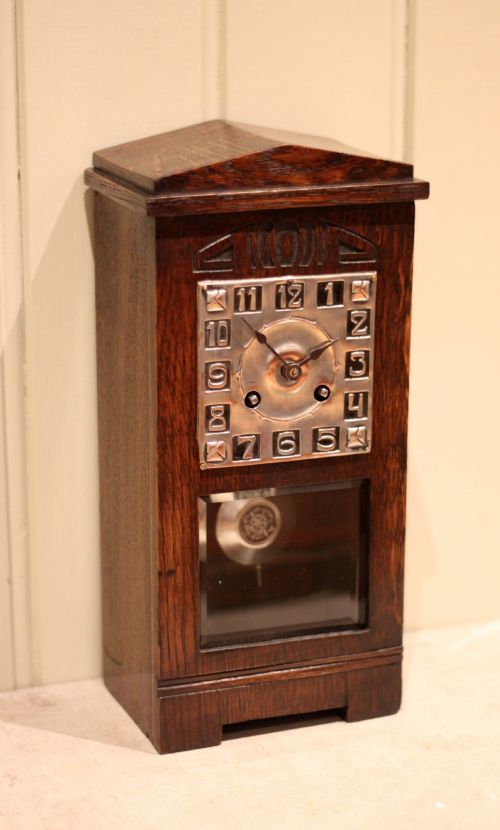
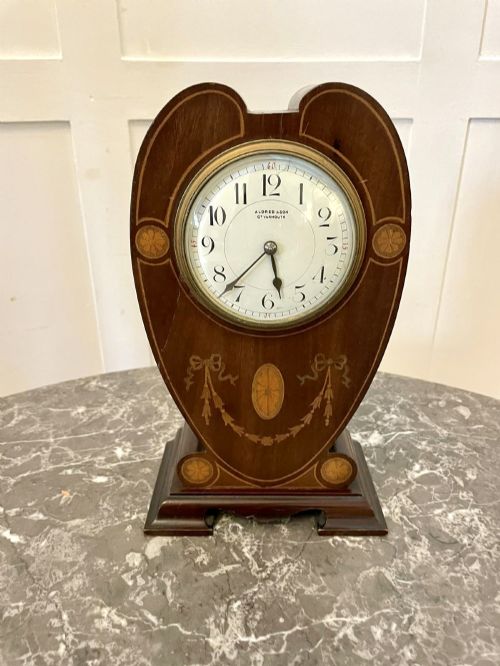
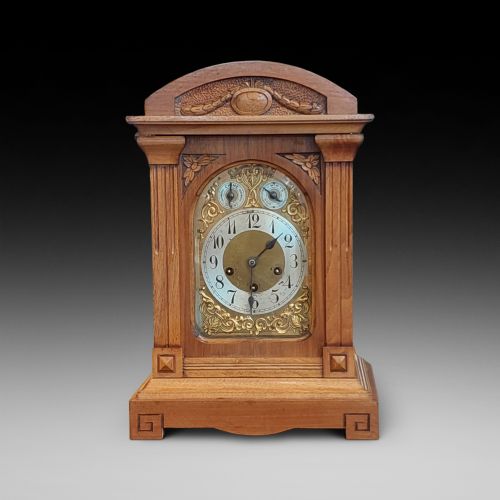
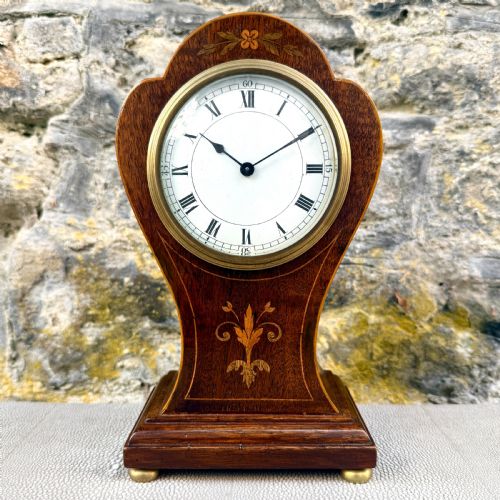
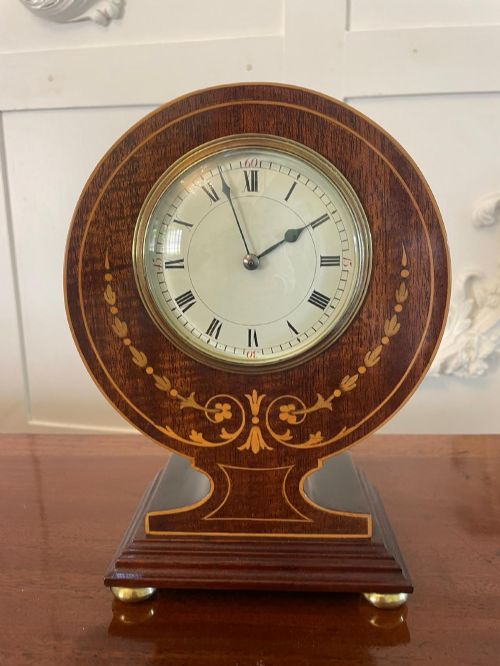
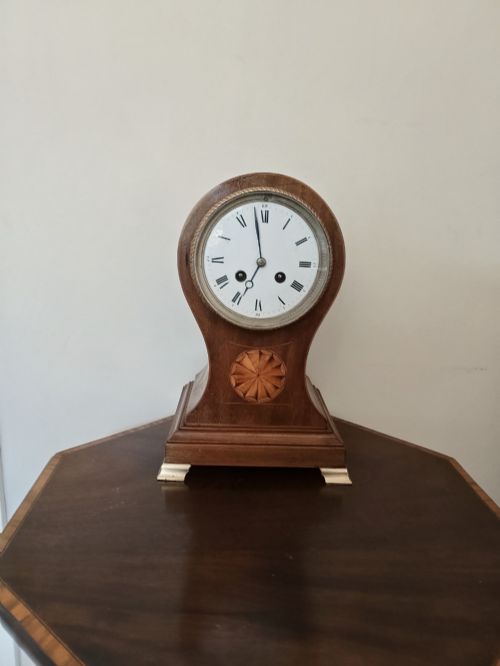
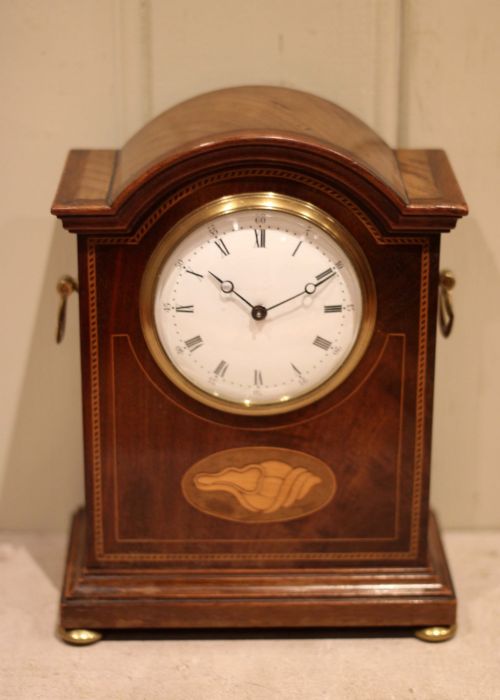
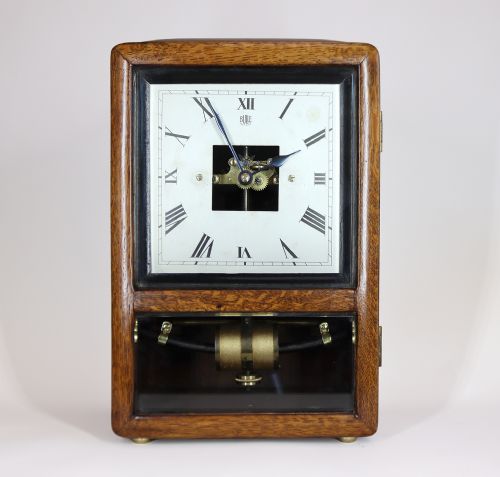
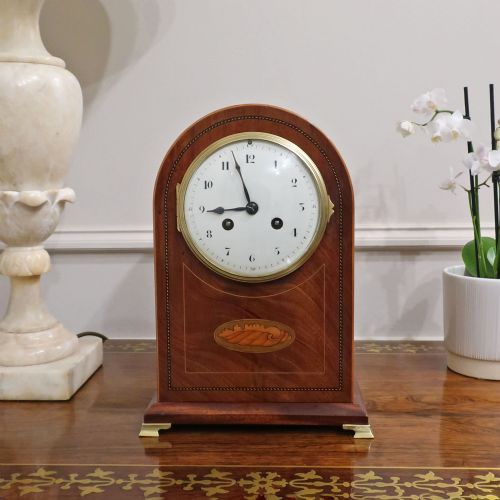
The most common versions met on this page are Edwardian mahogany inlaid designs and 1920s oak or walnut cases. These domestic timekeepers served both practical timekeeping and decorative purposes in period rooms.
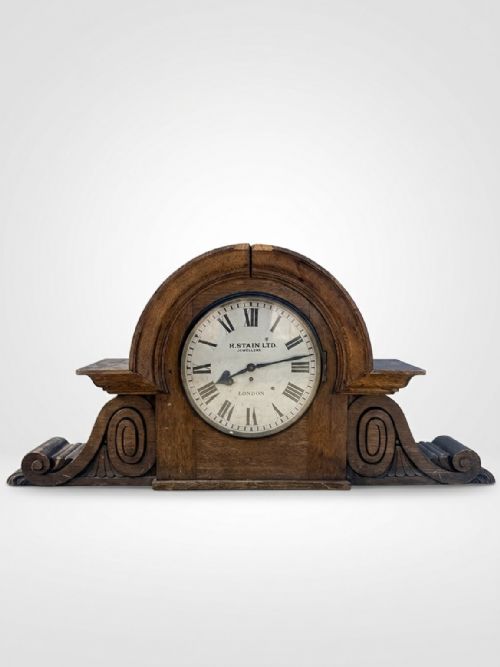
Origin details span English workshops, French makers, and German movements fitted into timber housings. Pieces include bracket clocks, balloon shapes, and architectural salvage elements alongside standard mantel clocks.
Materials and construction
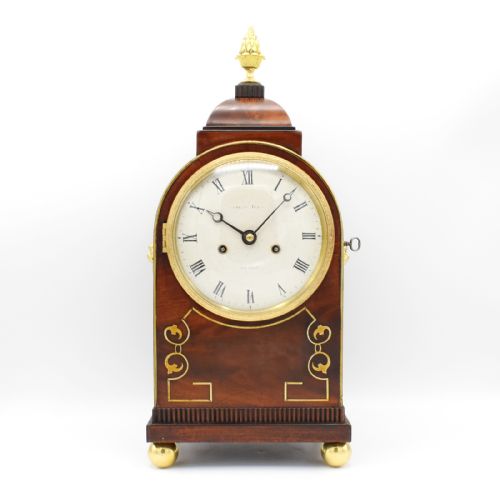
Cases rely heavily on hardwoods such as mahogany, oak, and walnut, often ornamented with marquetry, stringing, or contrasting veneers like macassar ebony and coromandel. Cabinetmakers built these housings using traditional joinery to enclose mechanical clockwork movements securely.
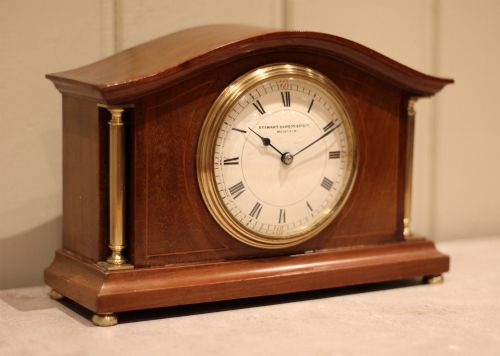
Metal components appear extensively as brass dials, bezels, mounts, and pendulum assemblies contrasting against the dark timbers. Glass doors or panels protect the face while enamel or metal dials display the numerals.
Wooden Mantel Shelf Retail Price Guide 2026
Typical asking prices for wooden mantel shelf among the pieces listed under this phrase on Sellingantiques today, from the lower quarter to the upper quarter. They describe what is for sale here now, not the wider market.
Listings feature timbers like mahogany, oak, walnut, and satinwood housing mechanisms from the nineteenth century to the nineteen thirties.
Distinctions in craftsmanship
The standard of a timber clock depends on the depth and precision of its cabinetwork, notably the finesse of any marquetry inlay or the selection of figured wood grains. Superior pieces exhibit tight joinery, balanced proportions, and high-grade secondary materials like brass fittings.
Movement origins and casing integration also divide the range, where bespoke fitted movements from known makers or robust chiming mechanisms elevate a timber case above mass-produced alternatives.
Charles Pratt London·Connell of London·Haller·Perivale·WMC
The Wooden Mantel Shelf Glossary
- Marquetry
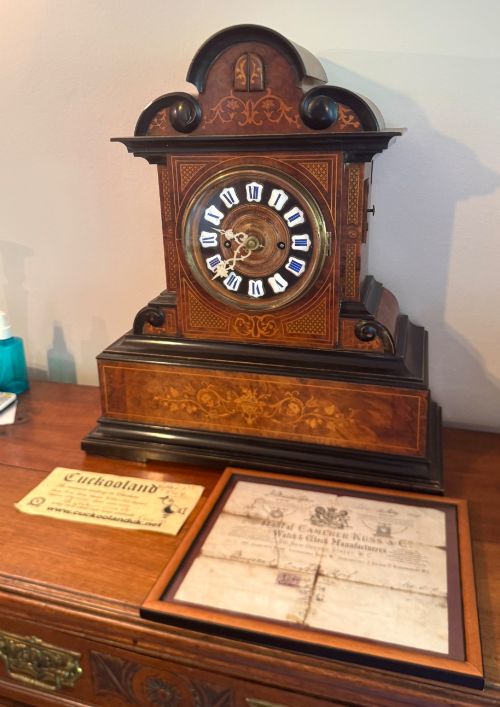
- Decorative veneer work forming pictures or geometric patterns using various coloured woods. This technique adorns many Edwardian and Victorian clock cases.
- Bracket clock
- A portable table clock originally designed to sit on a wall bracket or a mantel shelf. They frequently feature architectural timber styling and carrying handles.
- Portico clock
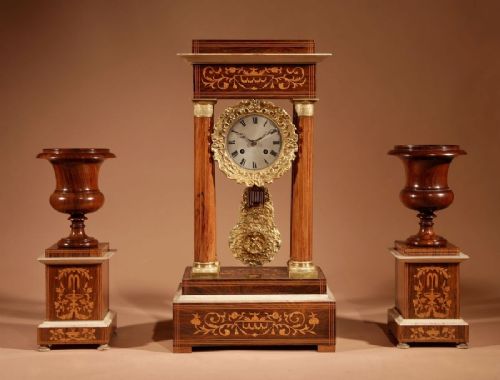
- A architectural clock style resembling a classical portico supported by columns. These are typically housed in polished wood or stone finishes.
- Timepiece
- A clock that tells the time without incorporating a striking or chiming mechanism. Many simpler Edwardian models function as pure timepieces.
- Garniture
- A set of matching ornamental objects for a mantelpiece, consisting of a central clock flanked by matching urns or candelabra.
Wooden Mantel Shelf: Frequently Asked Questions
What periods do these clocks cover?
The selection spans the nineteenth century through to the Edwardian era and the Art Deco period of the nineteen twenties and thirties. Styles range from Victorian and Regency designs to continental Art Nouveau movements.
Cabinet woods and dial configurations shift across these decades, reflecting changing domestic tastes in furniture and interior decoration.
Where were wooden mantel clocks placed?
These items sat primarily on fireplace mantel shelves, drawing rooms, and hallways of period homes. Their flat bases allowed stable placement on wooden shelves or architectural brackets.
They functioned as central room ornaments while providing reliable timekeeping for the household.
What is an Art Deco wooden clock?
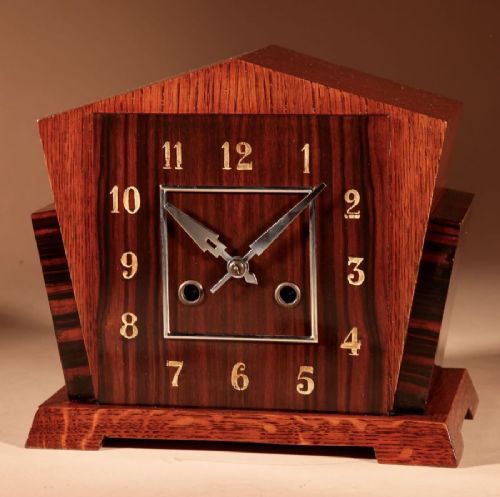
Art Deco examples utilise geometric forms, contrasting woods such as oak and macassar ebony, and stylised numbering on the dial face. These pieces emerged around the nineteen twenties and nineteen thirties.
The woodwork focuses on bold grain patterns and architectural silhouettes rather than floral inlays.