


Wooden Log Box
A wooden log box keeps fireside fuel close to hand while holding its own in a period interior.

Wooden Log Box
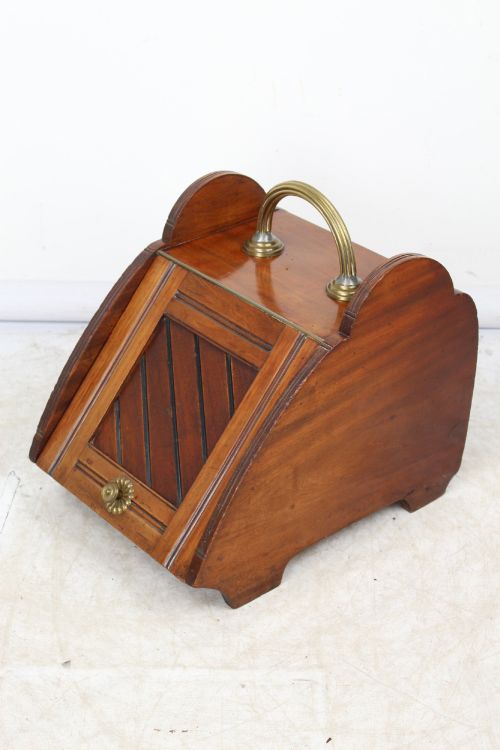
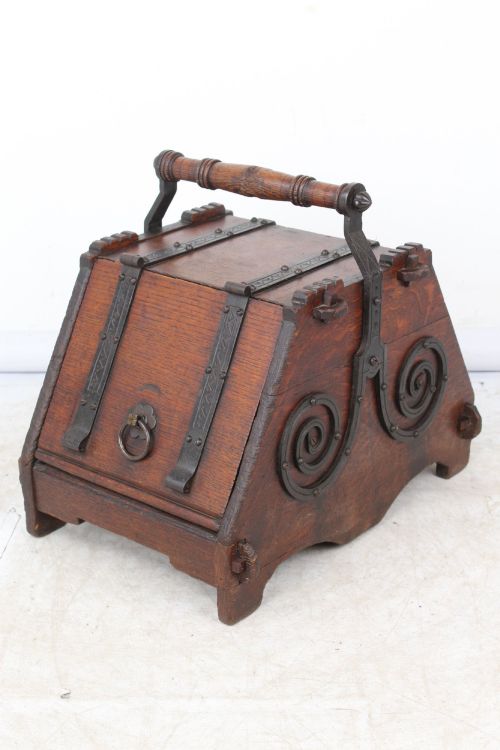
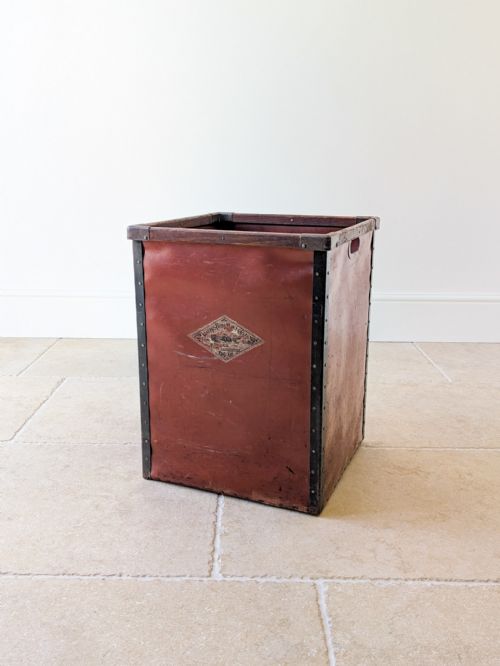
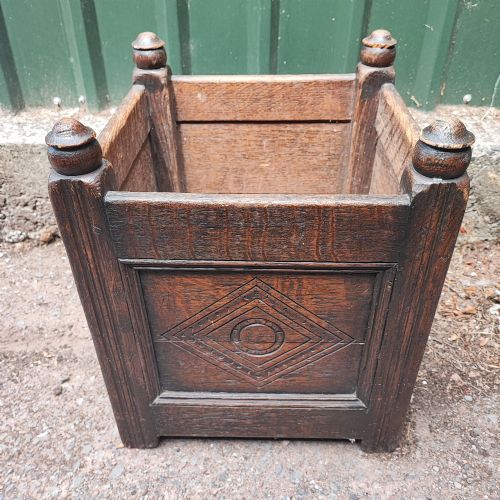
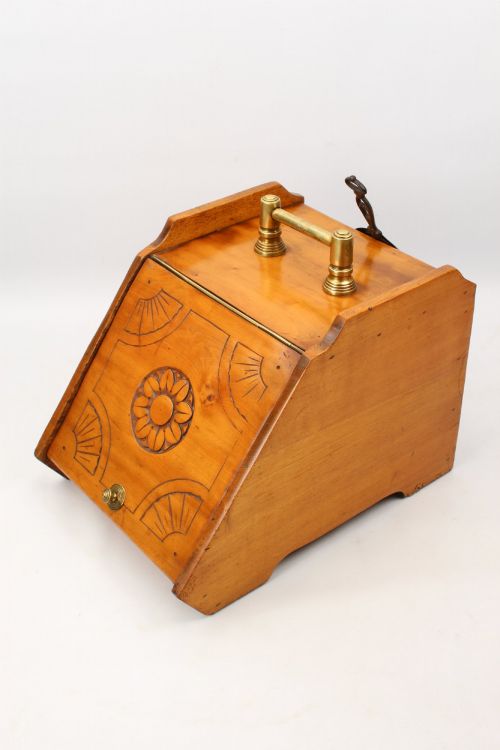
A wooden log box serves as a practical fireside accessory for storing fuel, appearing across Georgian, Victorian, and Edwardian periods. Pieces on this page span robust country bins, refined walnut purdoniums, and Scandinavian painted pine boxes.
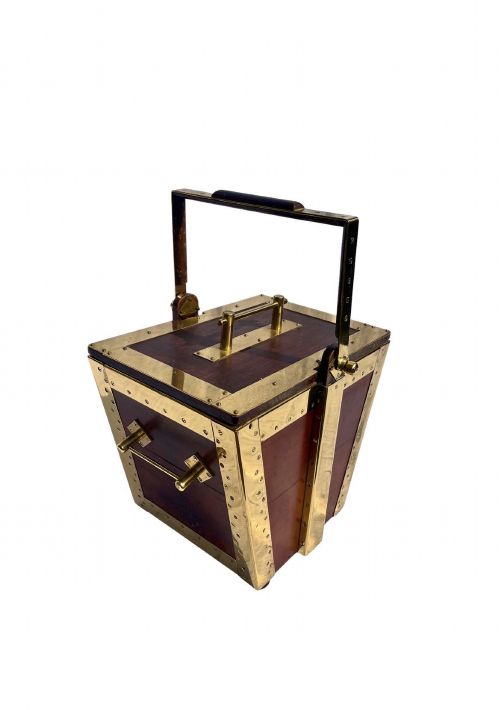
Makers and craftsmen built these receptacles from sturdy timbers to endure heavy daily use beside the hearth. Many incorporate metal linings, brass handles, and dedicated shovel compartments to manage coal and wood debris.
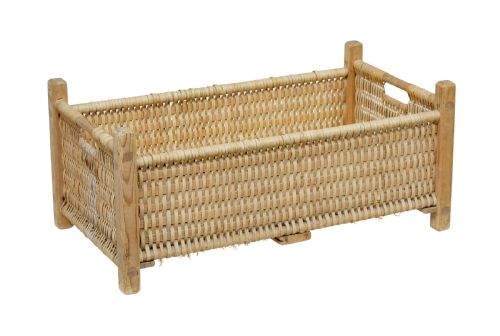
The selection ranges from vernacular pine storage chests to elaborate Gothic Revival designs and inlaid mahogany boxes. Buyers encounter everything from rustic country bins to formal Victorian coal scuttles.
Judging quality and craftsmanship
Quality rests on the selection of timber, the integrity of the joinery, and the retention of original metal liners and hardware. Superior examples display crisp carving, thoughtful inlay work, and robust structural framing.
The presence of original accessories, such as matching shovels and intact brass mountings, elevates a piece above standard utility items. Workshop execution distinguishes vernacular country boxes from formal town pieces.
Periods represented span from the Georgian era through the Victorian and Edwardian decades.
Christopher Dresser·Liberty London
The Wooden Log Box Glossary
- Coal purdonium
- A specialised fireside box or cabinet designed to hold coal, often featuring a sloping front and an interior metal scoop. These vessels became particularly popular during the Victorian era for keeping hearth areas tidy.
- Log bin
- A large container built to house split firewood beside a fireplace. They are frequently constructed from heavy oak or iron-banded pine.
- Metamorphic
- Describing a piece of furniture that transforms or serves a dual purpose, such as a coal scuttle that conceals internal compartments.
- Black Forest style
- Carved wooden ornamentation originating from central Europe, characterised by naturalistic foliage and animal motifs. Pieces in this style often feature deep relief work.
- Slipper box
- A covered container shaped like a shoe or slipper, utilised near the hearth for fuel storage or warming.
Wooden Log Box: Frequently Asked Questions
What is the difference between a log box and a coal scuttle?
A log box provides open storage for larger pieces of firewood, whereas a coal scuttle or purdonium is an enclosed vessel designed for smaller fuel with a built-in metal liner.
Scuttles often include a drop-down front or scoop to transfer coal cleanly to the hearth.
How do I date a wooden log box?
Dating relies on timber selection, construction methods, and stylistic cues such as Victorian Gothic revival motifs or Edwardian inlay. Georgian examples tend to show heavier structural framing and simpler panel work.
Hardware styles, including brass handles and iron banding, also provide clear indicators of period manufacture.
Are these boxes suitable for daily fireside use?
Most surviving pieces were built precisely for heavy utility, utilising durable woods like oak and pine with protective metal interiors. They remain robust enough to hold firewood next to a working hearth.
Care should be taken to protect antique finishes from direct moisture and heavy impacts.
Where were Scandinavian pine log boxes made?
Scandinavian examples originate from Sweden and surrounding regions, often constructed from local pine and finished with hand-woven techniques or painted surfaces. These pieces reflect vernacular rural traditions.
Their distinct painted finishes and lighter timber tones set them apart from formal English walnut and mahogany items.