

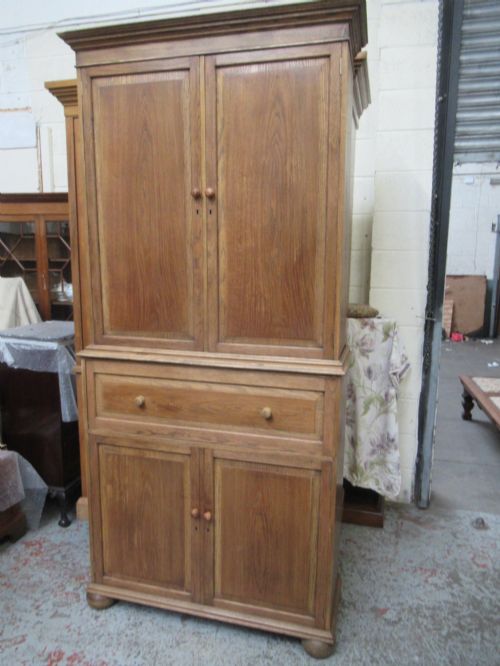
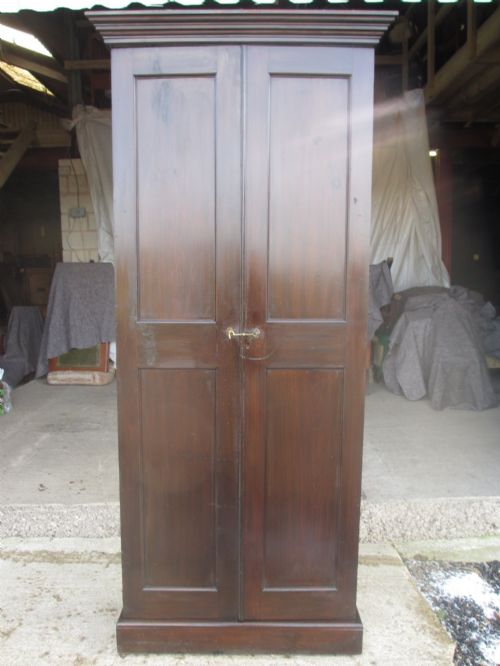
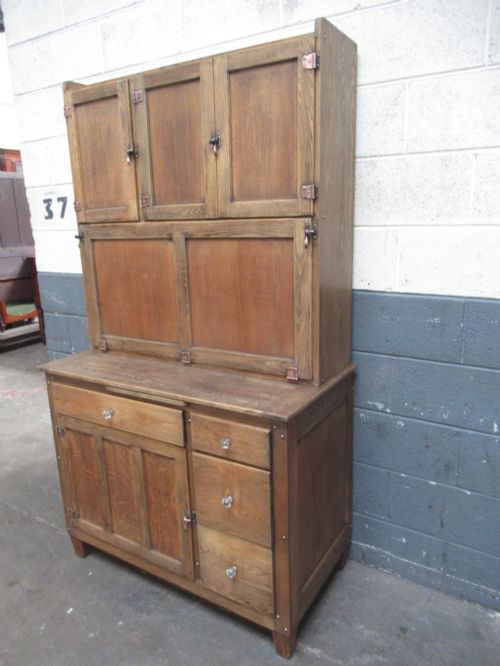
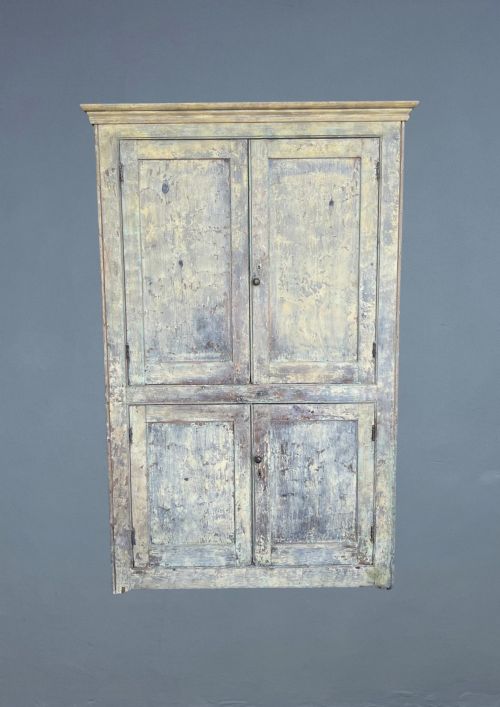
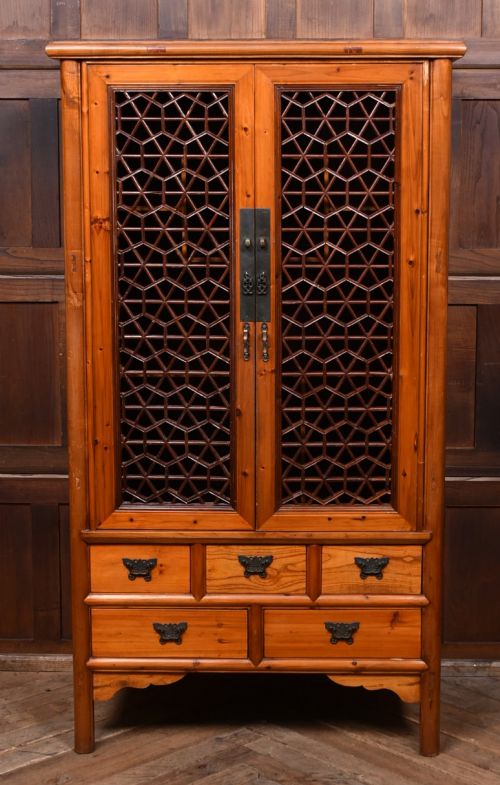
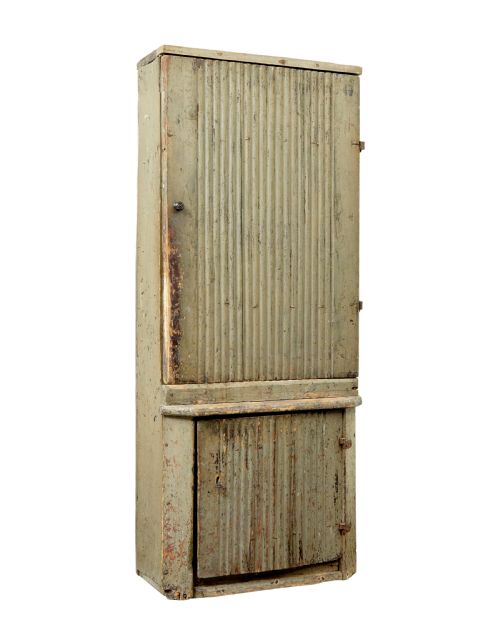


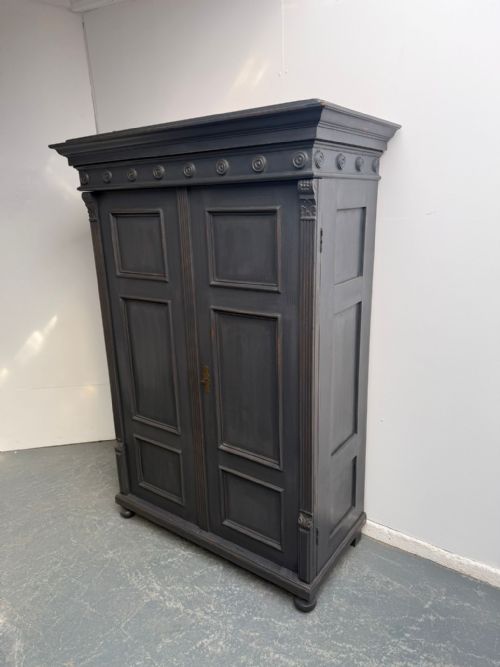

Wooden Larder Cupboard
A wooden larder cupboard brings domestic history directly into the kitchen, offering generous storage through traditional forms.
Wooden Larder Cupboard
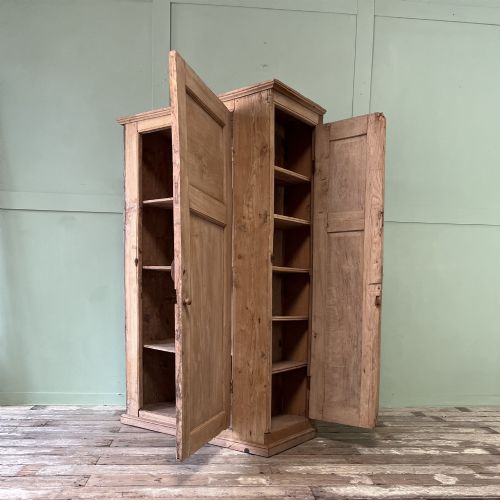
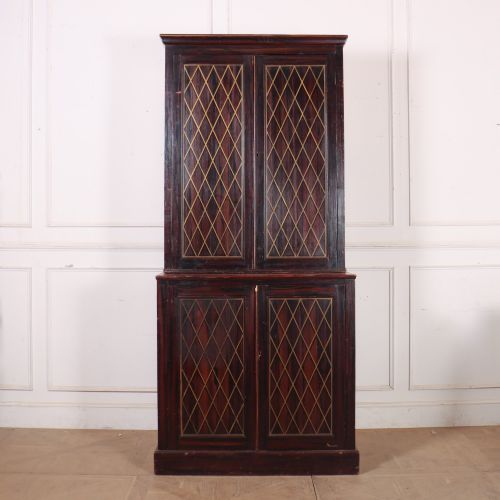
A wooden larder cupboard serves as a substantial storage piece, emerging primarily from 18th-century and 19th-century traditions across various regions. Buyers encounter English country examples alongside pieces originating from France, Scandinavia, Hungary, and Japan.
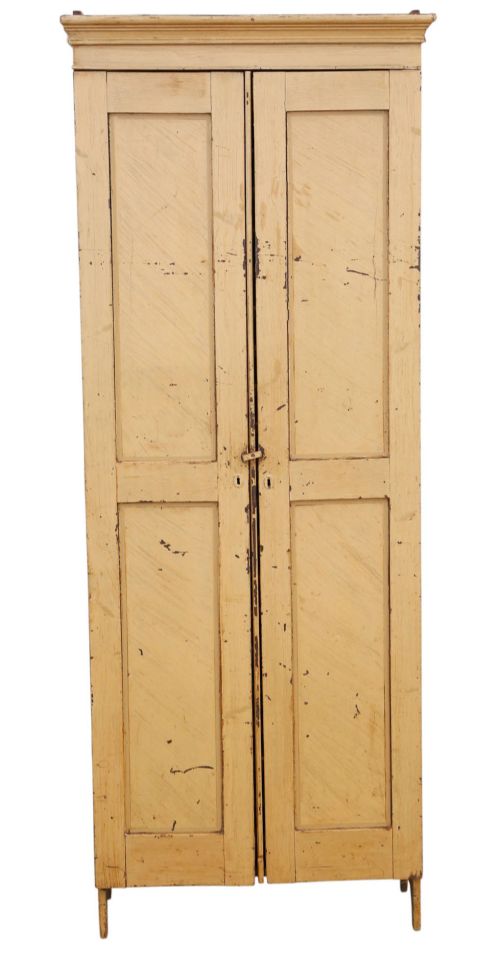
The selection ranges from tall narrow painted housekeepers cupboards to Welsh elm food cupboards and substantial scullery storage. These items reflect vernacular domestic needs, prioritizing functional shelving and cabinetry over formal ornamentation.
Construction materials and techniques
Makers relied predominantly on solid pine, elm, chestnut, and occasionally exotic timbers like Indian rosewood, shaping the carcasses with hand tools and traditional joinery. Surfaces frequently show layers of historic paint, ranging from cream and grey to original painted finishes.
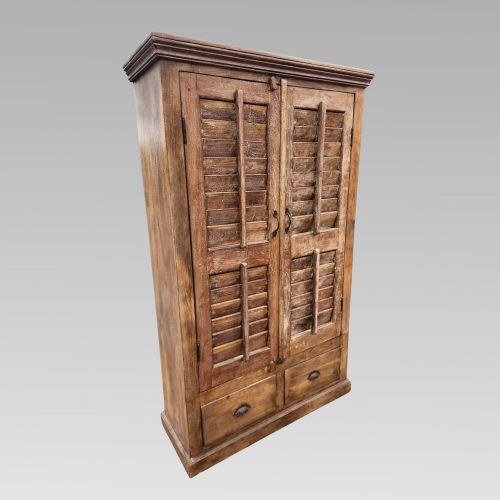
Hardware typically incorporates functional iron or brass hinges and latches, securing panelled or louvre doors designed to protect food and linens. Construction methods emphasise utility and durability, resulting in sturdy freestanding furniture built for daily domestic service.
Wooden Larder Cupboard Retail Price Guide 2026
Typical asking prices for wooden larder cupboard among the pieces listed under this phrase on Sellingantiques today, from the lower quarter to the upper quarter. They describe what is for sale here now, not the wider market.
Several cupboards carry the quiet aroma of aged pine and beeswax, absorbed from decades of storing dry goods.
Distinguishing quality in traditional storage furniture
Quality rests upon the integrity of the original timber, the survival of authentic painted finishes, and the proportion of the structure. Pieces retaining their untouched period hardware and uncompromised internal shelving command greater interest.
Distinction also arises from regional vernacular touches, such as carved detail on Scandinavian or French examples, compared to simpler utilitarian English country pieces. Originality of surface patina and structural wholeness define the upper tier of these cupboards.
The Wooden Larder Cupboard Glossary
- Housekeeper cupboard
- A large storage piece traditionally used for linens, dry goods, and household provisions. These tall cupboards often combine multiple doors and internal shelving.
- Vernacular
- Architecture or furniture built by local craftsmen using regional materials and traditional methods, rather than following high-style academic designs. This approach defines much country furniture.
- Patina
- The surface sheen and texture developed through decades of handling, waxing, and ageing. A genuine patina indicates long-term use and organic wear.
- Cornice
- The decorative moulding crowning the top of a tall cupboard or cabinet. It finishes the upper edge of the piece.
- Stile
- The vertical outer member of a panelled door or cabinet frame. It houses the tenons and secures the central panels.
Wooden Larder Cupboard: Frequently Asked Questions
How were larder cupboards used originally?
These cupboards stored perishable foods, dry goods, and kitchen provisions before the widespread adoption of domestic refrigeration. Ventilation holes or louvres were often incorporated to keep the interior cool and dry.
In larger country houses, housekeepers managed these stores directly, keeping valuable supplies locked and organised. The deep shelves accommodated heavy earthenware, textiles, and provisions.
Where should I place a larder cupboard?
A wooden larder cupboard functions naturally in a modern kitchen or pantry to store dry goods, crockery, or glassware. Their substantial height also makes them effective in dining rooms or hallways.
Ensure the placement allows the large doors to open fully without obstruction. Keeping the wood away from direct heat sources preserves the historic timber and painted finishes.
How do I identify a 18th-century piece?
Eighteenth-century cupboards display hand-cut joinery, pegged joints, and timber boards showing the irregular marks of early pit saws. Drawer construction often utilises handmade dovetails rather than machine-cut equivalents.
Hardware such as wrought iron hinges and latches typically matches the period of manufacture. The overall proportions tend to reflect regional vernacular traditions rather than standardised factory production.
Are painted finishes original?
Many cupboards retain historic paint layers applied decades after manufacture, while others showcase original factory or vernacular paint surfaces. Inspecting the surface under natural light reveals whether paint has built up in layers over generations.
Tricks of wear around handles and edges often confirm the age of the paint. Professional restoration sometimes reveals older decorative schemes beneath later coats.