



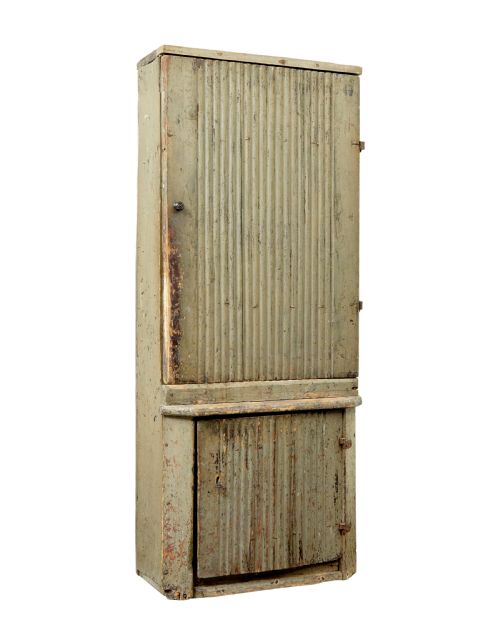
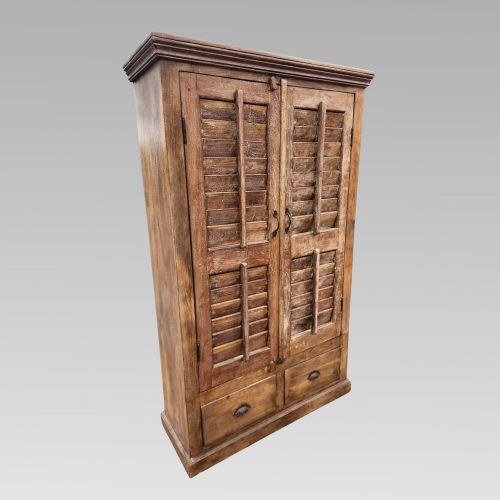


Wooden Larder Cabinet
These wooden larder cabinet pieces offer robust vernacular utility, bringing historical rural storage and enduring character to modern kitchens.
Wooden Larder Cabinet
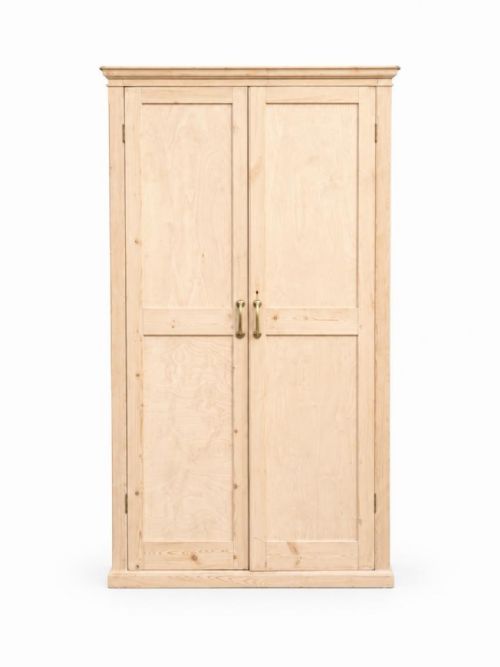
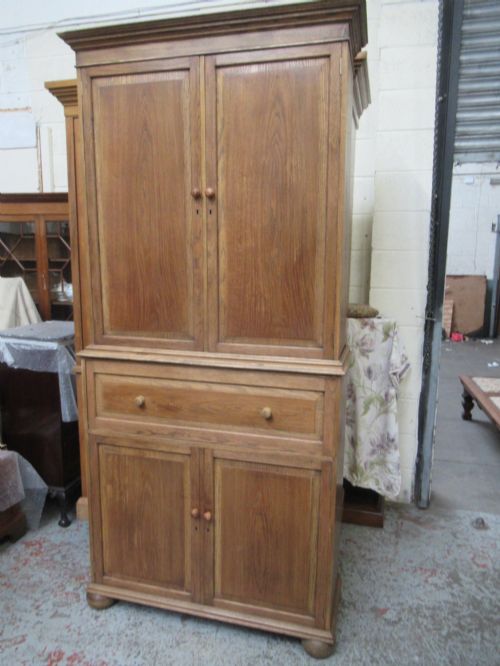
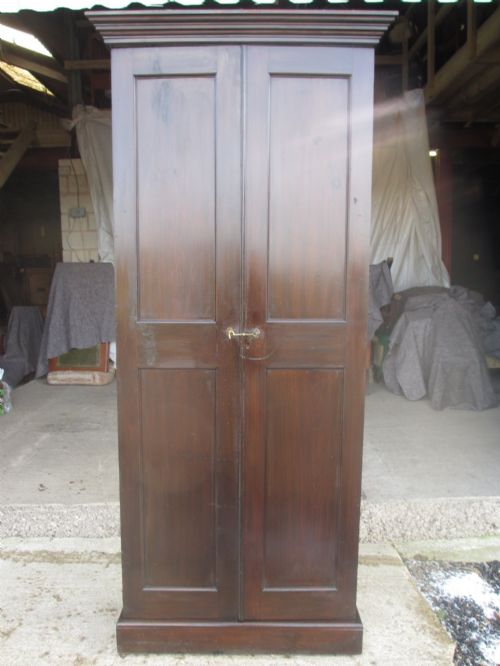
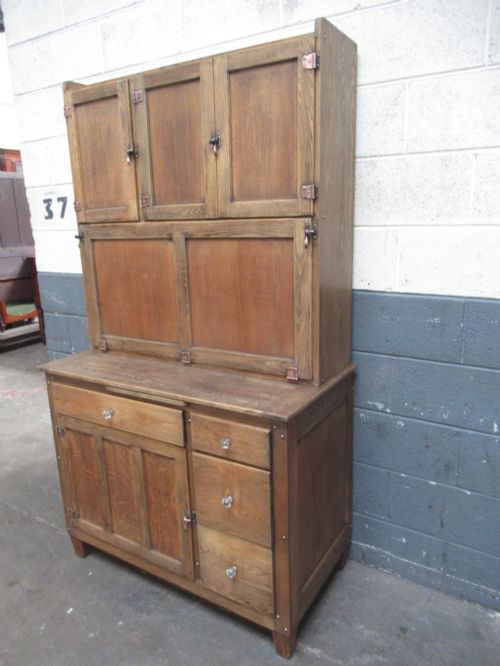
A wooden larder cabinet is a substantial storage piece rooted in vernacular kitchen history, designed to hold food, linens, and provisions. The inventory shows pieces spanning the eighteenth, nineteenth, and early twentieth centuries, reflecting diverse regional domestic needs.
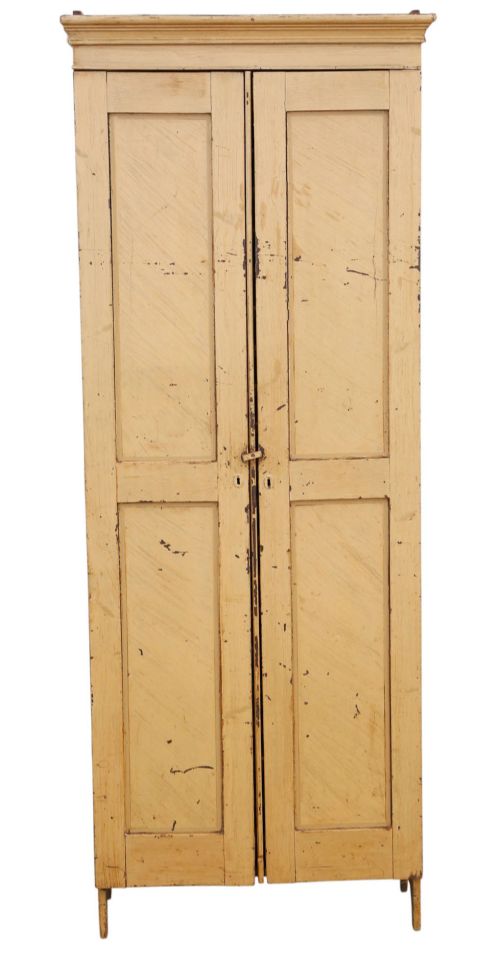
You will encounter various vernacular expressions on this page, from Georgian pine and Welsh elm food cupboards to French mountain cupboards and English housekeeper's cupboards. Pine remains the predominant timber, alongside oak, chestnut, elm, and painted wood.
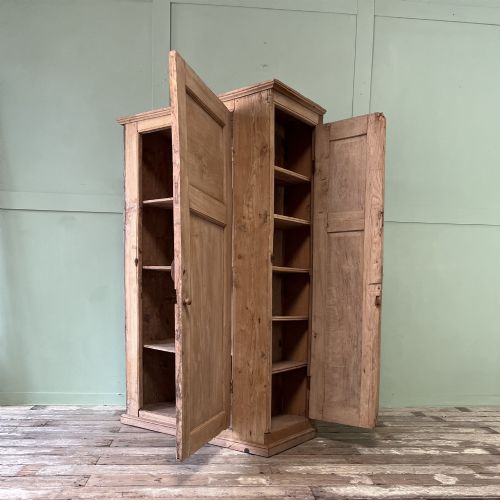
The forms range from tall narrow storage cupboards and two-door kitchen cabinets to larger corner cupboards and scullery pieces. Many examples display country styling, such as Victorian country, rustic farmhouse, and arts and crafts influences.
Materials and construction methods
Construction relies heavily on solid timbers such as pine, oak, elm, and chestnut, assembled with traditional joinery suited to heavy daily domestic use. Iron and brass hardware, including hinges and latches, secure the doors on these utilitarian kitchen storage items.
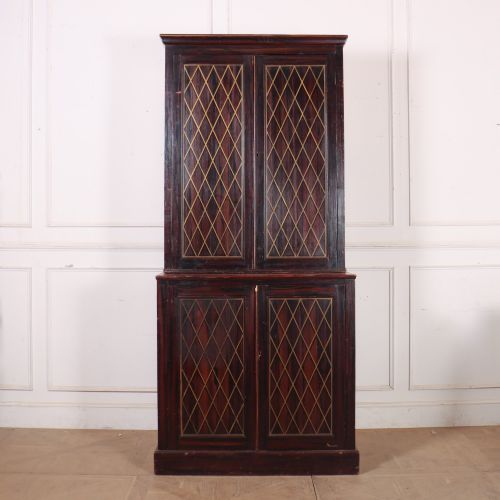
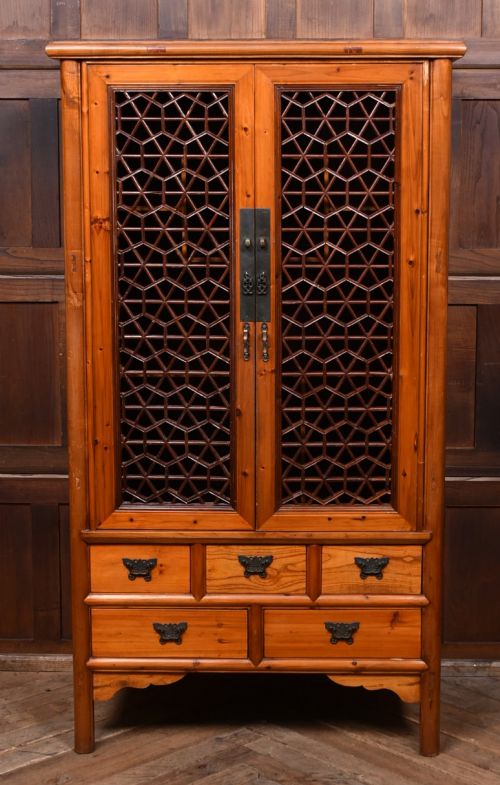
Many historical examples feature painted surfaces, layering coats over pine and other softwoods to protect the timber and brighten scullery interiors. Glass panels appear in select cabinet doors, while carved details adorn regional European and Japanese pieces.
Wooden Larder Cabinet Retail Price Guide 2026
Typical asking prices for wooden larder cabinet among the pieces listed under this phrase on Sellingantiques today, from the lower quarter to the upper quarter. They describe what is for sale here now, not the wider market.
Some nineteenth-century larder cupboards retain faint traces of flour and spice aromas embedded deep within their old pine floorboards.
Distinctions in craftsmanship and preservation
Quality rests in the integrity of the original timber framing, the retention of period hardware, and the honesty of surface patination. Pieces that maintain their original painted finishes or mellow waxed pine surfaces show greater historical authenticity than heavily altered examples.
Structural refinement separates standard utilitarian storage from finer regional pieces, seen in well-proportioned cornices, sound door alignment, and the absence of clumsy modern intervention. The balance between practical utility and period decorative restraint dictates the standing of each cabinet.
The Wooden Larder Cabinet Glossary
- Housekeeper's cupboard
- A large storage piece traditionally used in substantial homes for linens, dry goods, and household provisions. These units typically feature multiple doors and internal shelving.
- Vernacular furniture
- Domestic pieces made by local craftspeople using regional materials, prioritising functional utility over high-style metropolitan fashion. This category includes country pine and elm food cupboards.
- Scullery cupboard
- A utilitarian storage unit designed for a secondary kitchen workspace, often constructed from plain pine and finished with durable paint. They reflect practical food preparation and cleaning routines.
- Cornice
- The decorative moulded projection that crowns the top of a cabinet. It provides architectural definition to tall storage furniture.
- Patina
- The surface sheen and colour depth developed through decades of handling, cleaning, and exposure to light. It serves as a primary indicator of age and genuine use.
Wooden Larder Cabinet: Frequently Asked Questions
What is a wooden larder cabinet?
A wooden larder cabinet is a functional storage unit historically used in domestic kitchens and pantries to store food, provisions, and household goods. These pieces range from eighteenth-century Welsh elm food cupboards to nineteenth-century pine housekeeper's cabinets.
Designed for everyday utility, they typically feature panelled wooden doors and internal shelving suited to keeping provisions organised. Their robust construction allows them to continue serving practical storage roles in contemporary homes.
How were these cabinets used?
Historically, these cupboards served as the central storage hub for kitchen provisions, perishable foods, or household linens before modern fitted kitchens existed. Large examples held stores for large households, while smaller scullery cupboards kept everyday utensils close to hand.
Today, buyers utilise them in modern kitchens and dining spaces as freestanding pantries, crockery stores, or linen cupboards. They bring practical shelving capacity alongside period character.
How do I identify the period?
Dating relies on examining construction techniques, timber choice, and hardware styles across Georgian, Victorian, and early twentieth-century examples. Eighteenth-century pieces often display regional timbers like elm and hand-carved details, while nineteenth-century vernacular pieces commonly employ solid pine.
Changes in hinge types, fixing methods, and surface treatments like early paint layers or wax finishes also provide clear chronological markers. Comparing the proportions and stylistic traits helps place each cabinet in its historical context.
How do I care for antique pine?
Caring for antique pine and painted wooden cabinets involves maintaining stable indoor humidity levels to prevent timber movement or splitting. Dust regularly with a dry cloth and occasionally nourish unpainted surfaces with traditional beeswax.
Avoid placing these cupboards near direct heat sources or in areas subject to damp conditions, which can harm old timbers and historic paint finishes. Gentle, consistent care preserves the wood and its natural patina over time.