

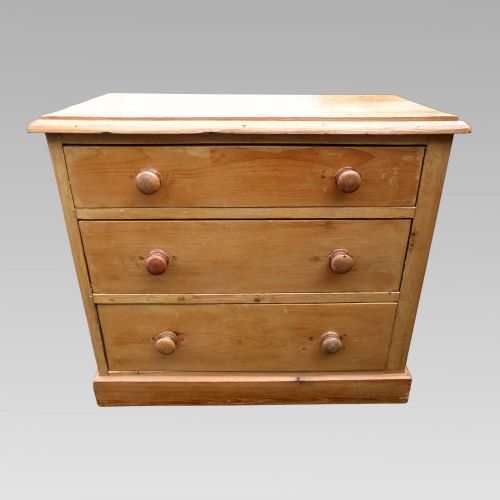
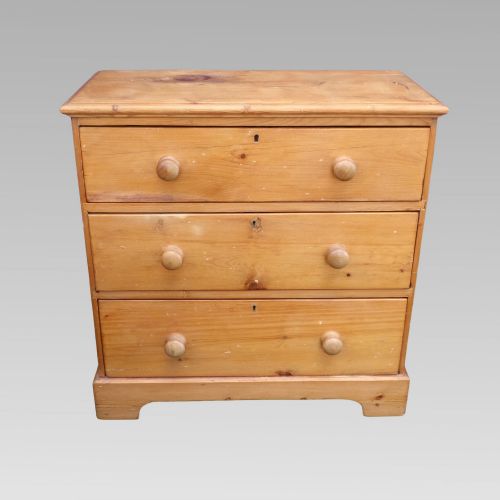


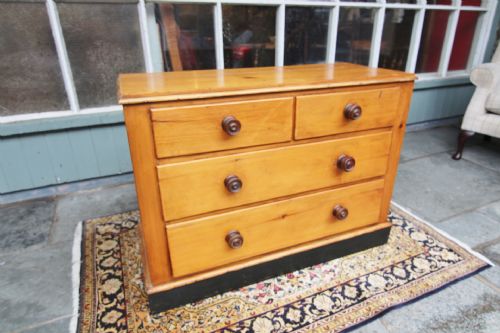

Wooden Knobbed Pine Chest
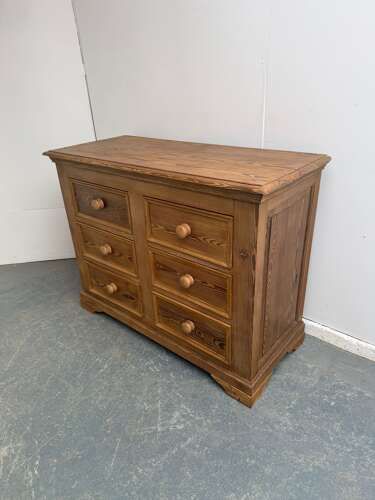
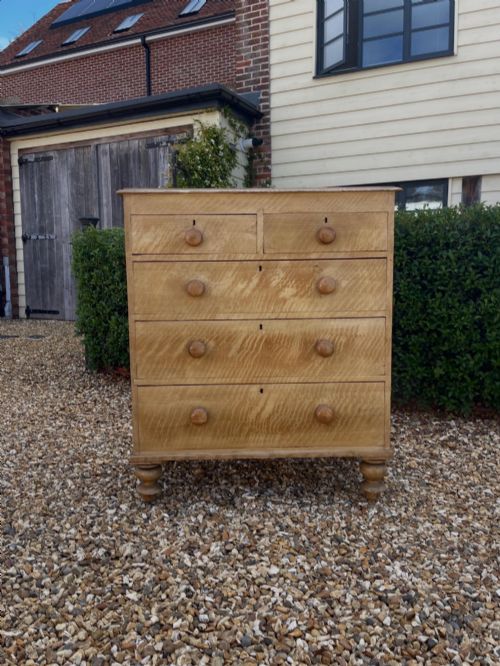
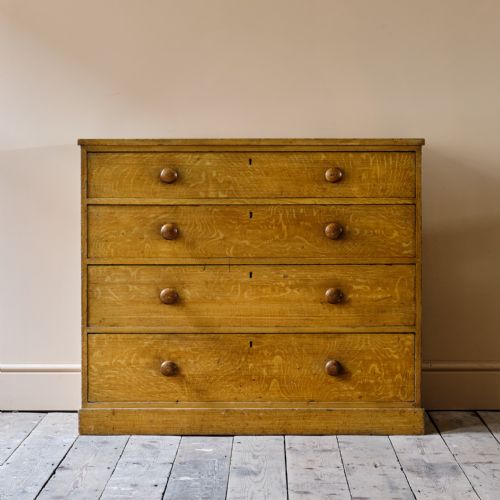
These robust wooden knobbed pine chest examples bring honest domestic storage from the nineteenth century into modern rooms.
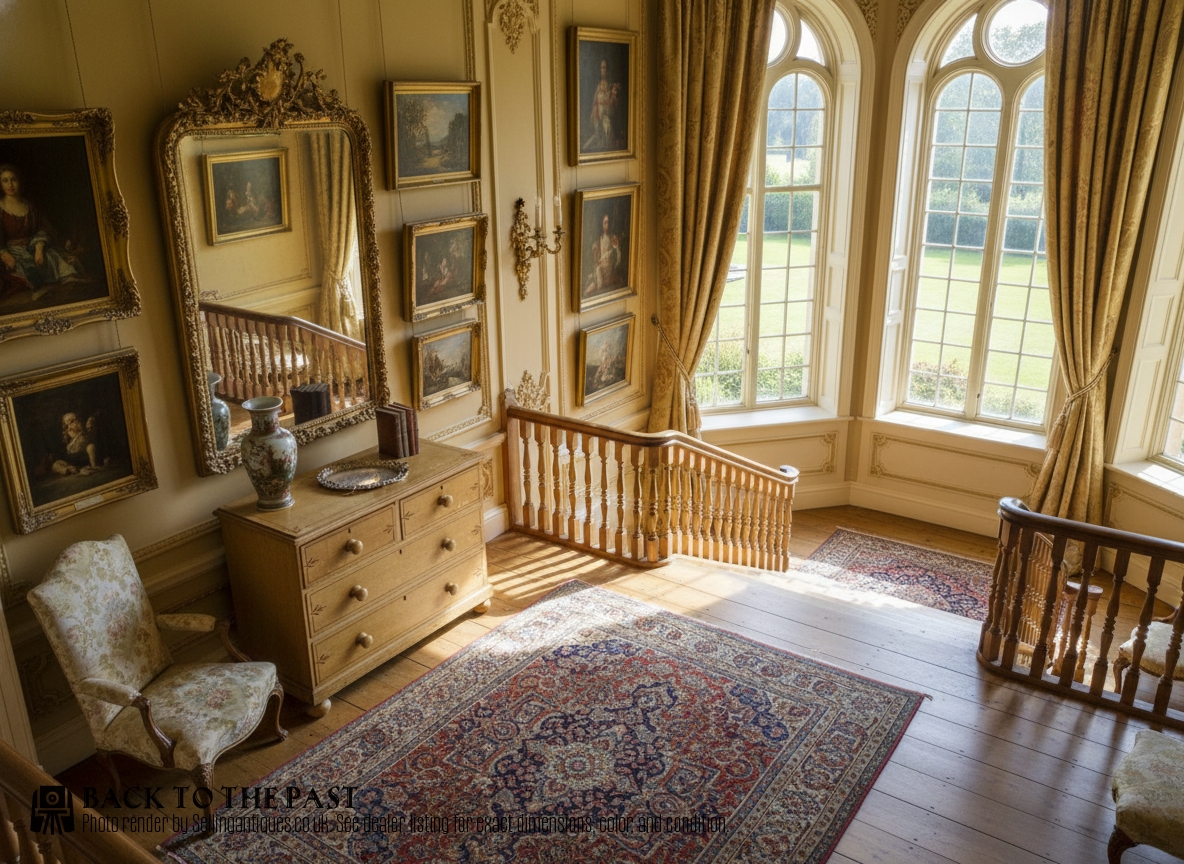
Wooden Knobbed Pine Chest
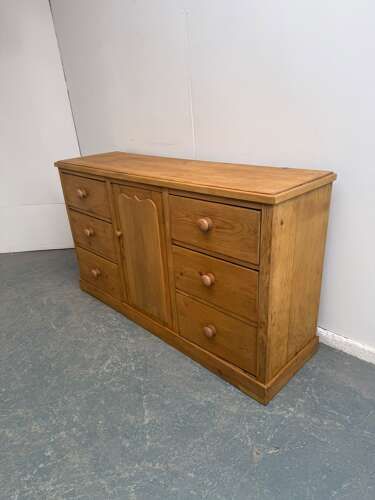
A wooden knobbed pine chest serves as a practical utilitarian storage unit produced predominantly during the Victorian era and the broader nineteenth century. Buyers seeking this form encounter robust chests of drawers and occasional kitchen dresser bases constructed from solid timber.
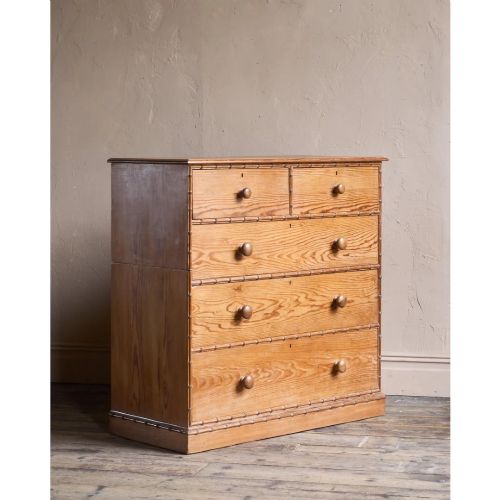
Most pieces date between eighteen fifty and nineteen ten, spanning straightforward country workshops to more refined Arts and Crafts examples. Regional variations include Scottish and Irish pieces alongside standard English items.
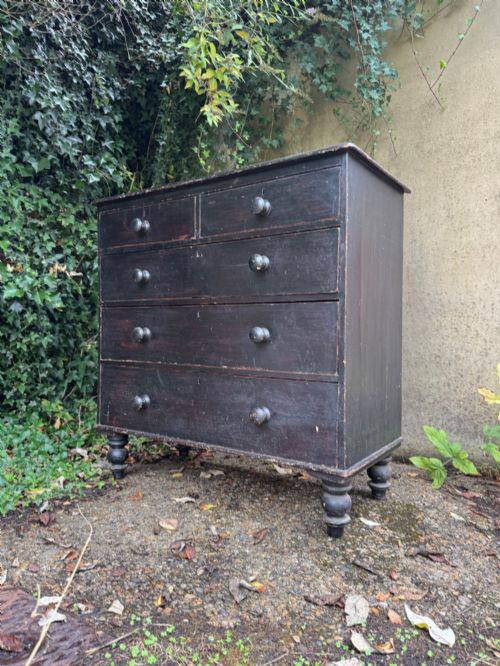
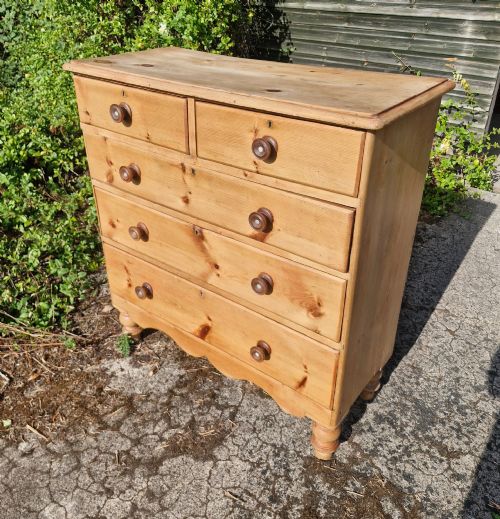
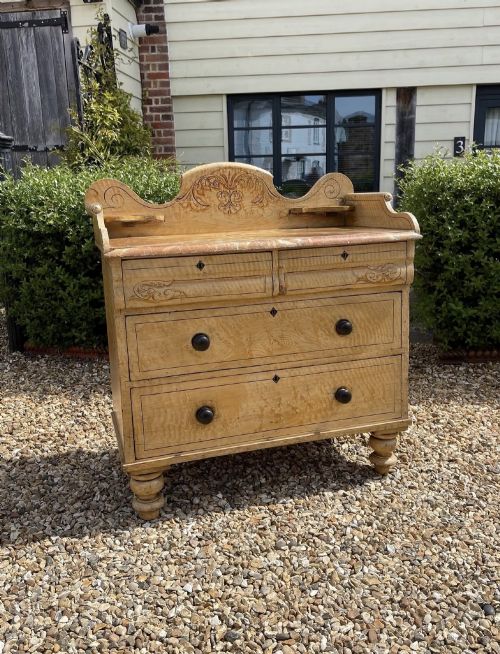
Forms range from low three-drawer layouts to taller five and six-drawer configurations, occasionally featuring galleries or turned feet. Original painted finishes sit alongside traditional waxed surfaces.
Materials and construction
Makers utilised solid pine as the primary structural material, supplemented by brass or iron hardware and occasional bone details. Surfaces were either left plain for subsequent waxing or coated in protective paint.
Construction relied on traditional joinery methods suited to domestic furniture production during the nineteenth century. Turned wooden knobs were fitted directly to drawer fronts to complete the utilitarian design.
Listings feature solid pine constructions spanning the Victorian period, including Arts and Crafts examples and pieces with original paint.
Assessing quality and character
Quality rests upon the integrity of the timber and the preservation of original surfaces such as early paint or warm wax finishes. Pieces retaining their original turned knobs and feet demonstrate higher authenticity.
Proportion and scale distinguish finer examples, particularly where narrow panels or balanced drawer arrangements enhance the piece. Structural soundness in the pine carcase underpins the overall longevity of each chest.
Howard and Sons
The Wooden Knobbed Pine Chest Glossary
- Pine
- A softwood commonly utilised for domestic furniture and country pieces throughout the nineteenth century. It accepts wax and paint finishes readily.
- Victorian
- The period spanning the reign of Queen Victoria, encompassing the primary dates of the pieces listed here. It covers diverse styles from folk art to Arts and Crafts.
- Gallery
- A raised wooden border fitted to the top surface of a chest to prevent items from sliding off. It adds a decorative and functional flourish.
- Waxed
- A surface treatment applied to timber to nourish the wood and produce a soft sheen. This finish highlights the natural grain of the pine.
Wooden Knobbed Pine Chest: Frequently Asked Questions
How do I date a pine chest?
Dating relies on construction methods, timber characteristics, and stylistic markers recorded in nineteenth century pieces. Examination of drawer dovetails and backboards provides reliable chronological clues.
Changes in hardware and finish types also help place a chest within the Victorian era, particularly when compared against dated examples from eighteen fifty to nineteen ten.
Are painted pine chests original?
Many nineteenth century chests retain their original paint layers applied during the period of manufacture. These surface coatings show authentic ageing and wear consistent with domestic use.
Original painted finishes contrast with later decorative overpainting by preserving the underlying texture and patina accumulated over decades.
Where were these chests made?
Production occurred across English, Scottish, and Irish workshops during the nineteenth century. Regional preferences influenced proportions, drawer counts, and decorative details like galleries.
Local joiners utilised readily available pine to supply domestic storage for rural and urban households alike.
How should I care for waxed pine?
Maintenance involves applying traditional beeswax periodically to nourish the pine and preserve the soft lustre. Avoid placing wooden furniture in direct sunlight or near heat sources.
Cleaning requires only a soft dry cloth to remove dust without disturbing the historic waxed surface.