

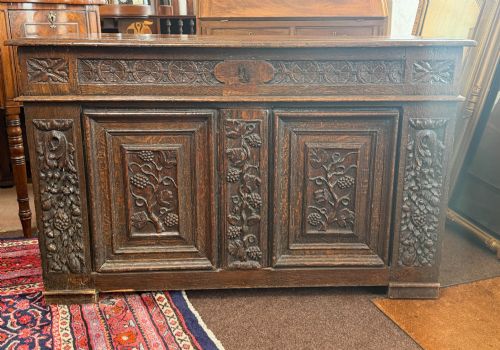
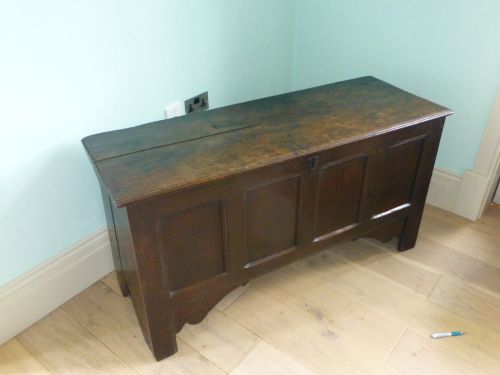
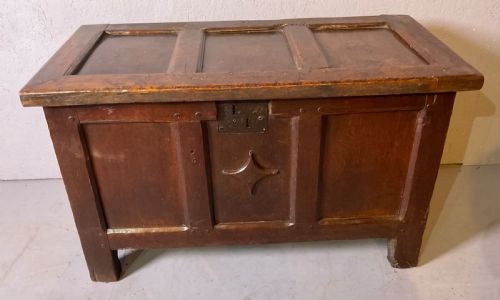


Wooden Kist Box
These heavy wooden kist box examples are sturdy domestic chests built to hold linens and valuables, offering robust storage with centuries of character.
Wooden Kist Box
When you search for a wooden kist box, you encounter heavy storage chests and coffers originating from the seventeenth century through to the Victorian era. These practical items served generations of households for storing blankets, documents, and personal possessions.
The pieces on this page span several distinct regional styles and centuries, including Jacobean, Queen Anne, and country traditions from Wales, Scotland, and Lakeland. You are most likely to meet sturdy oak examples alongside pine blanket boxes.
Forms vary from plain utilitarian storage to intricately carved coffers featuring internal candle boxes and traditional joinery. Each piece carries the distinct regional mark of its maker, whether from seventeenth century England or nineteenth century Scotland.
Construction and materials
Construction relies heavily on solid oak and pine timbers assembled with traditional joinery methods suited to heavy daily use. Craftsmen utilised iron and brass for hinges, locks, and corner reinforcement to secure the heavy lids.
Surface decoration on these pieces includes original hand carving, wood inlay, and panelled fronts reflecting seventeenth century Jacobean and eighteenth century country aesthetics. Some later Victorian examples feature leatherette coverings alongside traditional timber.
Wooden Kist Box Retail Price Guide 2026
Typical asking prices for wooden kist box among the pieces listed under this phrase on Sellingantiques today, from the lower quarter to the upper quarter. They describe what is for sale here now, not the wider market.
Many seventeenth century coffers feature hidden internal candle boxes designed to keep tallow securely away from valuable linens.
Assessing quality and character
Quality in these chests rests upon the integrity of the original timber, the crispness of the hand carving, and the survival of early hardware like brass and iron hinges. Pieces retaining their original interior compartments, such as candle boxes, command greater interest.
Proportion and scale also separate standard utility chests from finer vernacular pieces, particularly where regional carving styles exhibit superior depth and execution.
The Wooden Kist Box Glossary
- Kist
- A traditional regional term for a chest or box used for domestic storage. These sturdy wooden containers were essential furniture in Scottish and northern homes.
- Coffer
- A heavy wooden chest traditionally used for holding valuables, documents, or textiles. They often feature panelled construction and robust lids.
- Mule chest
- A storage chest that incorporates one or more drawers beneath the main internal compartment. This form bridges the evolution between the traditional coffer and the modern chest of drawers.
- Candle box
- A small internal compartment built into the upper corner of a chest to hold small items away from the main contents. Its survival indicates a high degree of originality.
- Jacobean
- A decorative style spanning the early to mid seventeenth century, characterised by geometric panel moulding and stiff linear carving. Pieces from this period show robust joinery.
Wooden Kist Box: Frequently Asked Questions
What is a wooden kist box used for?
These versatile chests served historic households as secure receptacles for blankets, valuable textiles, and important documents. Today, they function effectively in living spaces and bedrooms for practical blanket and general storage.
Their robust flat tops also allow them to double as occasional window seats or display surfaces while concealing household clutter inside.
How do I date an old wooden kist box?
Dating relies on observing construction methods, timber species, and decorative carving styles recorded across different centuries. Seventeenth century pieces typically display heavy oak framing and hand-carved panels, while later nineteenth century examples often utilise pine.
Hardware details like wrought iron strap hinges and key escutcheons further help narrow down the period of manufacture.
Are pine kists different from oak coffers?
Pine kists are generally lighter domestic pieces often associated with Scottish and Victorian regional traditions. Oak coffers typically represent earlier centuries with heavier framing and more elaborate architectural carvings.
Both materials served practical household storage needs, but oak was chosen for status and longevity in earlier periods.
How do I care for antique wooden chests?
Maintenance involves keeping the timber away from direct heat sources and sudden temperature fluctuations that cause wood to split. Regular dusting and occasional application of appropriate wax help preserve the natural finish of the aged wood.
Avoiding excessive moisture protects both the wooden panels and any original iron or brass hardware attached to the box.