


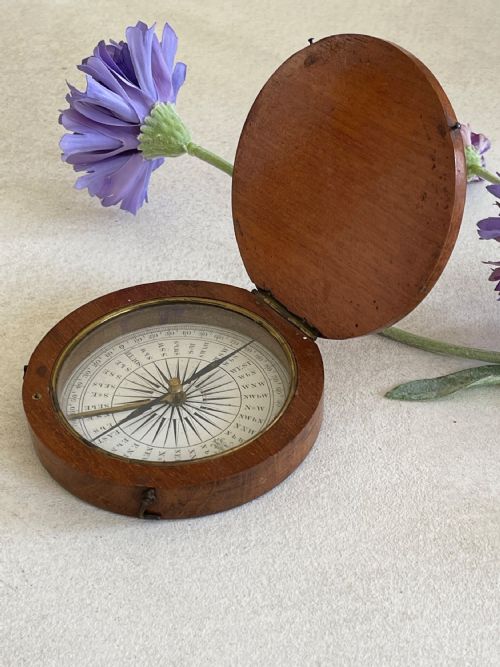
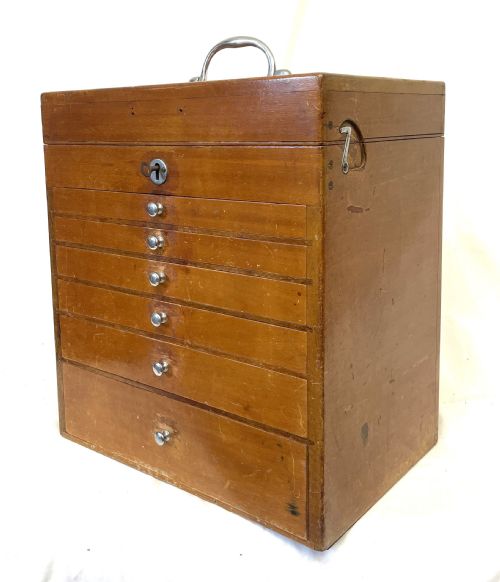


Wooden Instrument Box
A wooden instrument box is a specialised case designed to protect precision tools, and these antique examples showcase the fine craftsmanship of past centuries.
Wooden Instrument Box
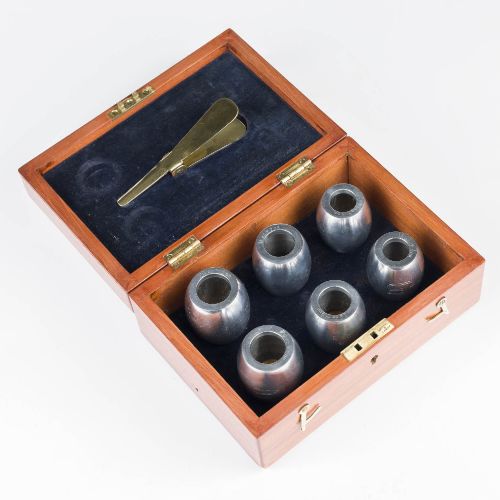
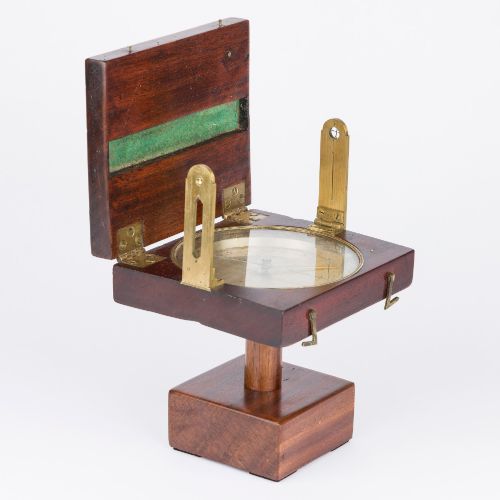
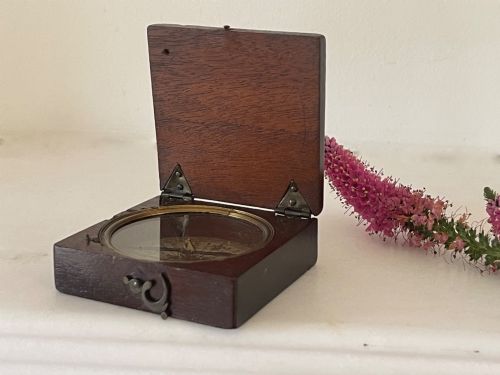
When you search for a wooden instrument box, you are looking at fitted cases built to house scientific, medical, and surveying apparatus from periods such as the Georgian, Victorian, and Edwardian eras. These containers range from technical drawing sets and compasses to microscopes and medical chests.
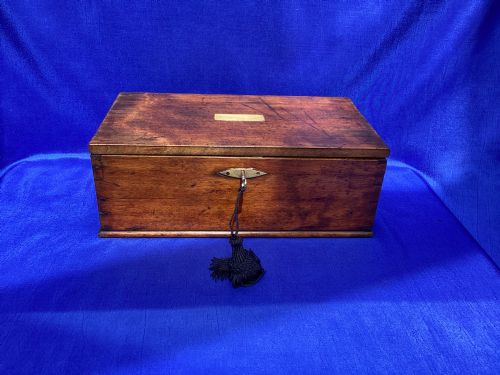
The version you are most likely to meet on this page is constructed from mahogany, often fitted with velvet linings or internal compartments tailored to hold specific measuring and scientific equipment securely.
What varies in quality
The distinction between standard utility boxes and finer specimens lies in the precision of the internal partitioning and the selection of timber.
Superior examples feature bespoke fitted joinery, intact original brass handles, and complete sets of surviving instruments rather than empty enclosures.
One unexpected box once carried delicate gear for an electrotherapy device, proving Victorians electrified themselves in style.
De Grave Short And Co·G Davis Of Leeds·Holtzapffel And Co·Samuel Porter·WE Hill·Stanley London·Swift And Son
The Wooden Instrument Box Glossary
- Mahogany
- A dense hardwood commonly utilised for superior furniture and fitted cases. Its stability made it the preferred material for protecting sensitive instruments.
- Velvet
- A woven tufted fabric used as a soft internal lining in boxes. It prevents delicate scientific apparatus from shifting and sustaining damage.
- Hydrometer
- An instrument used for measuring specific gravity of liquids. These were often housed in specialised fitted wooden sets.
- Stereoscope
- A device for viewing a stereoscopic pair of photographs. These instruments frequently possessed dedicated wooden storage cases.
Wooden Instrument Box: Frequently Asked Questions
What tools fit inside these boxes?
These enclosures typically house scientific apparatus, surveying compasses, medical kits, and technical drawing sets. Each compartment is tailored to the precise dimensions of the original tools.
Buyers often find boxes designed for specific professions, including naval architects, dentists, and field surveyors.
How do I date an instrument box?
Dating relies on timber selection, brass hardware styles, and maker marks stamped onto the fitted equipment inside. Georgian examples often display simpler joinery while Victorian and Edwardian pieces feature more complex internal layouts.
Parks and makers listed on paper labels or engraved brass plaques provide definitive manufacturing periods.
Are the original instruments usually included?
Some listings offer complete sets containing the original scientific or surveying tools nestled in velvet linings. Other examples survive simply as empty specialised storage chests.
Checking the description clarifies whether the precision instruments remain housed within the wooden enclosure.
How should I care for mahogany cases?
Mahogany benefit from stable room environments with controlled humidity to prevent timber warping or brass tarnishing. Gentle dusting preserves the polished exterior finish.
Avoid placing wooden cases near direct heat sources or in damp conditions.