
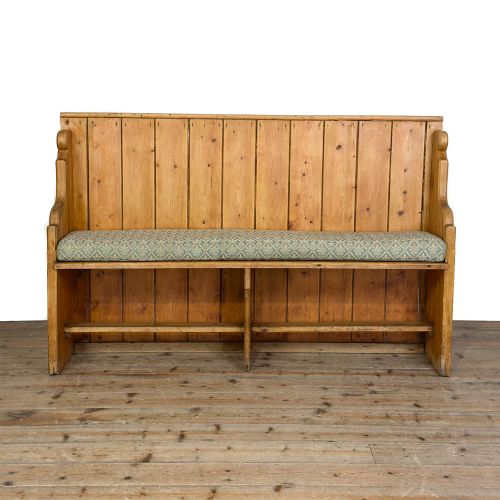
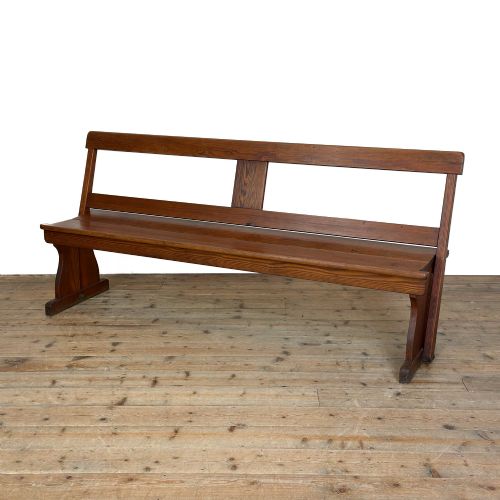
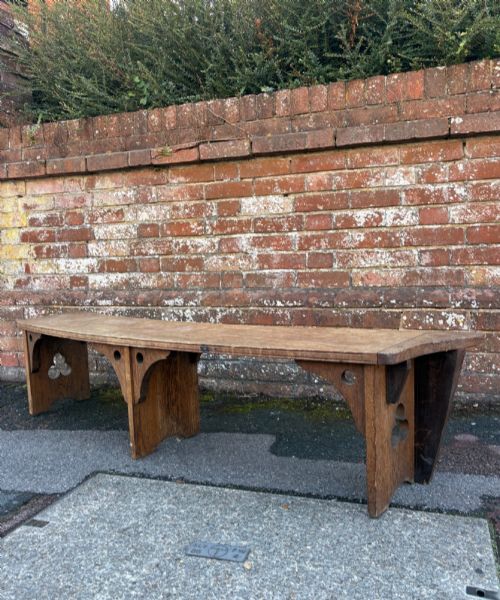
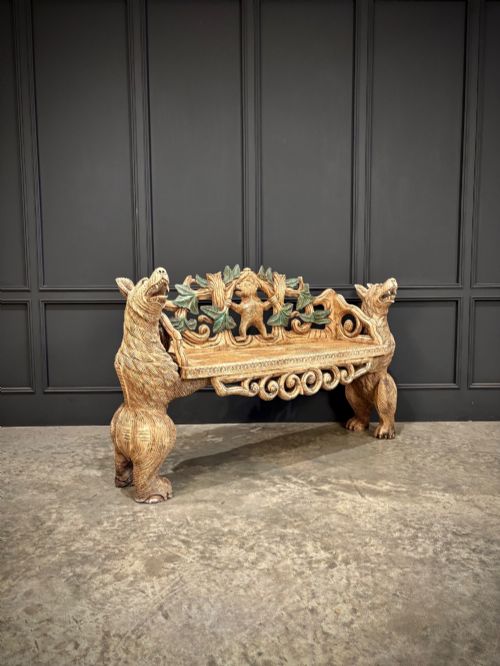
Wooden Hallway Furniture
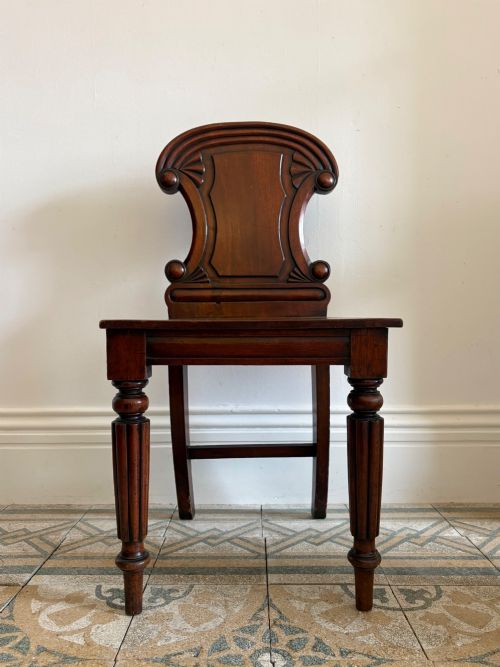
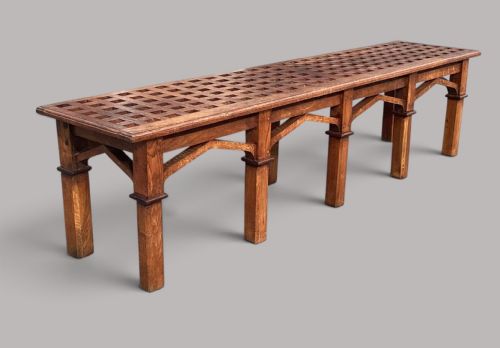
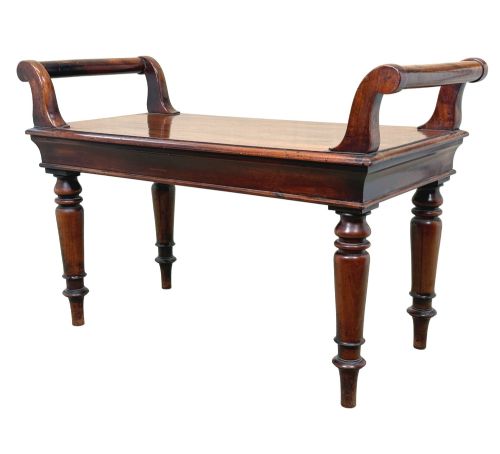
Wooden hallway furniture offers solid timber benches, umbrella stands and coat racks that bring practical organisation to entrances.
Wooden Hallway Furniture
The selections span distinct historical periods from the eighteenth century through to the early twentieth century, reflecting diverse regional tastes and domestic needs. Oak and mahogany dominate the forms, accompanied by pine, walnut, and elm in both formal and rustic country iterations.
Tall hall stands and combination umbrella racks appear frequently alongside storage benches featuring lift-up seats or folding tops. These utilitarian objects served domestic and public spaces alike, providing sturdy surfaces and dedicated compartments for daily outdoor apparel.
Materials and construction methods
Joinery relies heavily on solid hardwoods like oak and mahogany, joined with traditional framing and panel construction to withstand heavy daily use. Pine and elm appear in country pieces, employing simpler pegged joints and thick board seats.
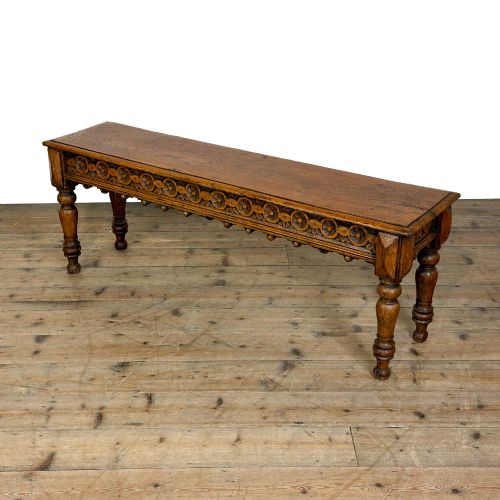
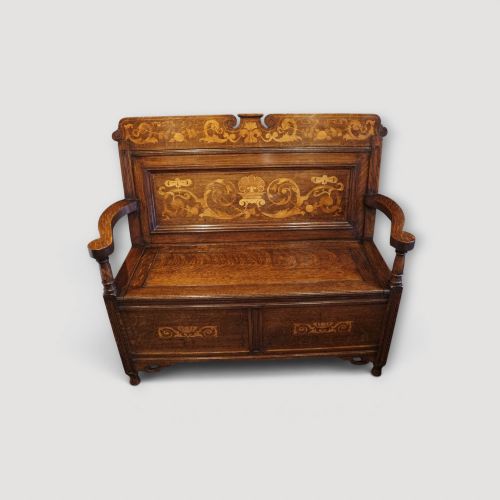
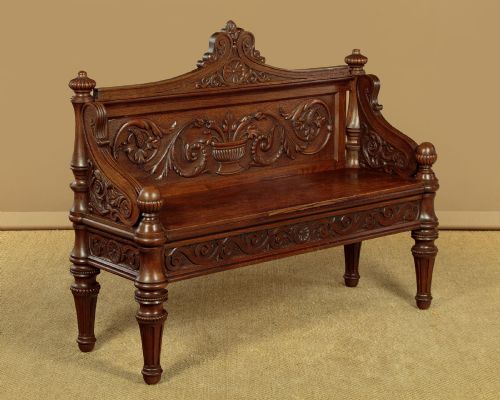
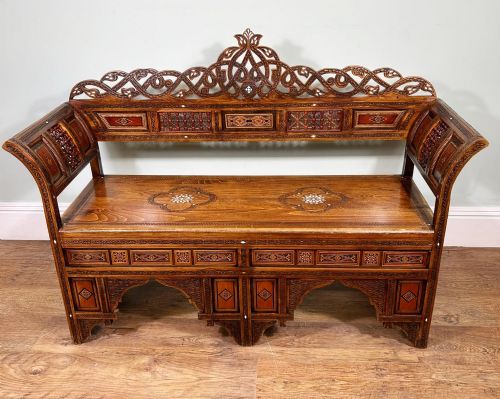
Decorative elements involve hand carving, applied mouldings, and occasional inlay work using contrasting timbers or mother-of-pearl details. Metal components such as brass hooks, iron brackets, and cast zinc drip trays are integrated directly into stands and coat racks for functional endurance.
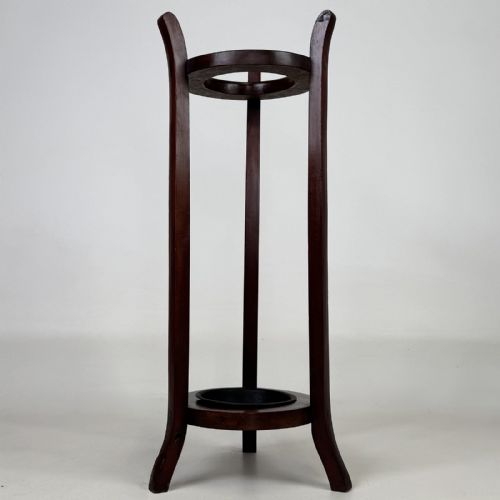
Several pieces feature integrated zinc or brass drip trays to catch muddy water from wet umbrellas and walking sticks.
Distinctions in construction and finish
Quality rests in the integrity of the timber selection and the precision of the joinery used to assemble heavy framework. Superior examples display well-figured grain, intact original panel work, and robust structural frames that remain stable without excessive modern reinforcement.
The presence of original hardware, such as brass coat hooks, fitted drip trays, and authentic makers' labels, elevates the standing of a piece. Finer items exhibit crisp hand-carved ornamentation and careful attention to secondary timbers, whereas simpler utilitarian versions rely on plain surfaces and robust utility.
Strahan And Co·Gillows
The Wooden Hallway Furniture Glossary
- Settle
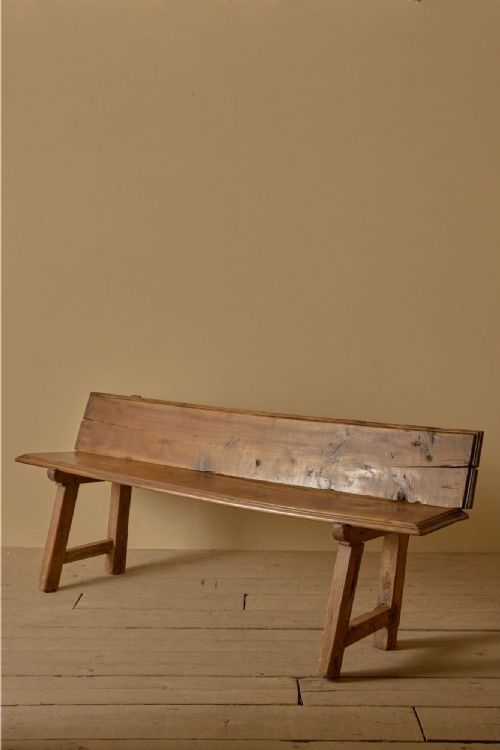
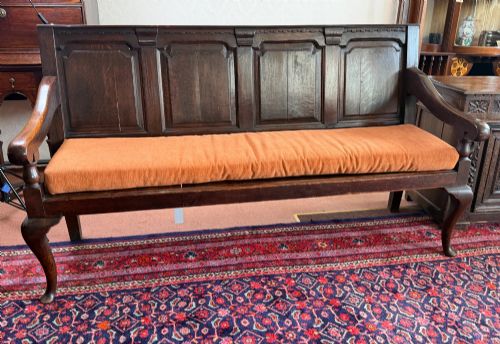
- A wooden bench with high backs, solid arms, and often a storage box beneath the seat. This form protected sitters from draughts in corridors and large entrance halls.
- Hall stand
- A tall furniture piece combining coat hooks, a mirror, umbrella holders, and a small bench or glove drawer. They served as central organisation points in Victorian and Edwardian foyers.
- Stick stand
- An upright piece designed specifically for holding walking sticks, canes, and umbrellas. These items frequently incorporate metal drip trays at the base to catch rainwater.
- Box settle
- A bench featuring a hinged seat lid that opens to reveal a deep storage compartment underneath. This design allowed households to store blankets or boots near the front door.
- Cabriole leg
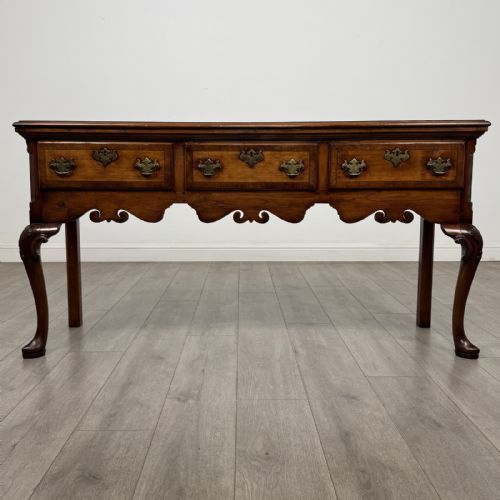
- A furniture leg that curves outward and then tapers inward, finishing in a pad or foot. This stylistic feature appears on eighteenth-century and revival seating forms.
Wooden Hallway Furniture: Frequently Asked Questions
What is a hall stand?
A hall stand is a tall combination piece designed for entrances, usually incorporating coat hooks, a central mirror, and umbrella holders at the base.
Many examples also feature a small shelf or a lift-up seat compartment for storing gloves and accessories.
How do I use a settle?
A settle functions as a high-backed wooden bench placed against hallway walls to provide seating while removing outdoor footwear.
Versions with enclosed box bases also offer hidden storage space for blankets or boots.
What woods are common?
Oak and mahogany appear most frequently across these entrance pieces, selected for their strength and rich grain patterns.
Pine, elm, and walnut also occur in various regional styles and country workshop items.
How do I date a piece?
Dating relies on observing construction techniques, timber choices, and stylistic details such as Arts and Crafts carving or Georgian proportions.
Hardware types and maker signatures or labels further help establish the period of manufacture.