


Wooden Hall Seating
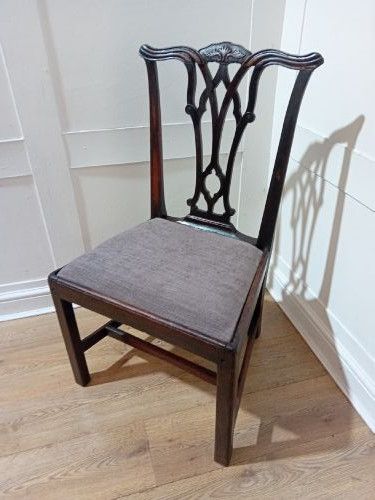
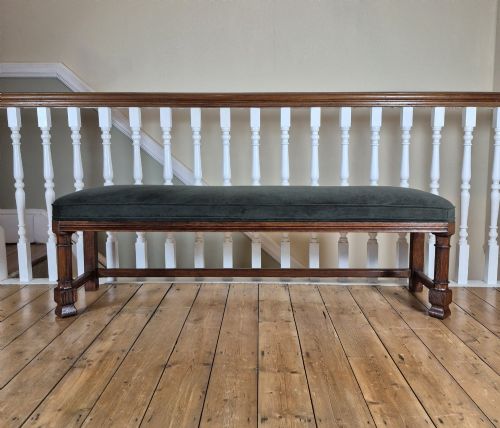
These wooden hall seating pieces offer robust utility and historic charm for entryways, spanning sturdy oak benches to refined mahogany chairs.
Wooden Hall Seating
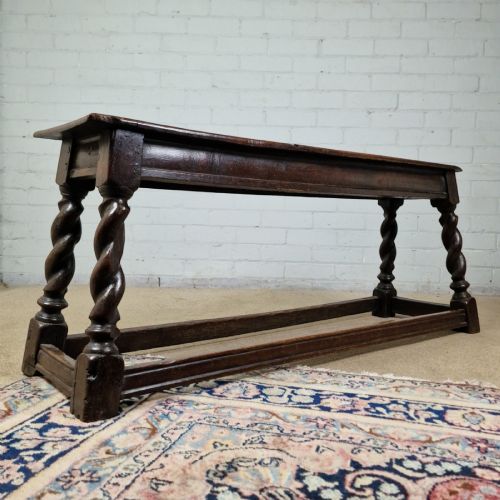
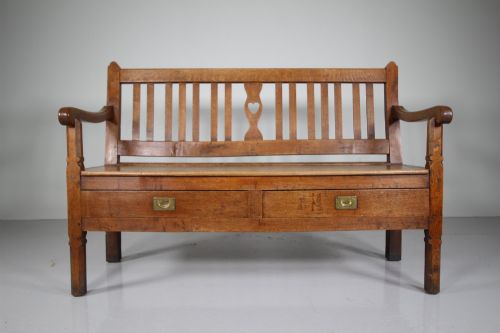
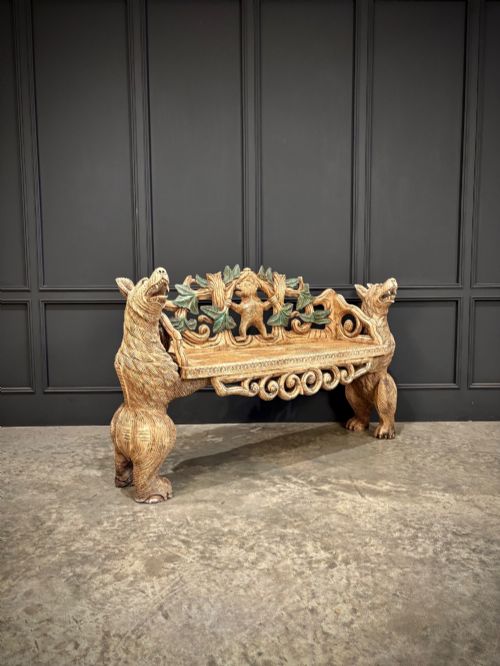
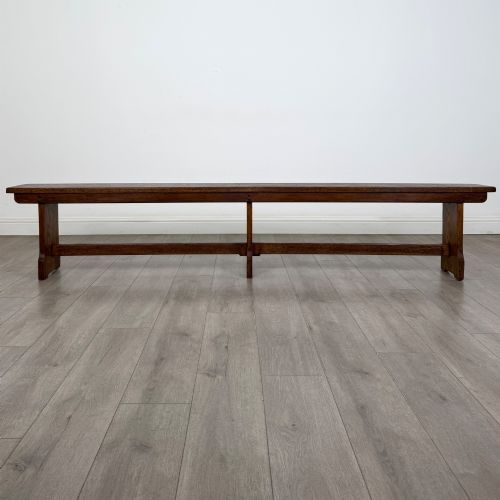
Wooden hall seating comprises benches, settles, and hall chairs designed for entrance spaces and corridors. Buyers encounter numerous 18th-century and 19th-century examples fashioned from solid timber.
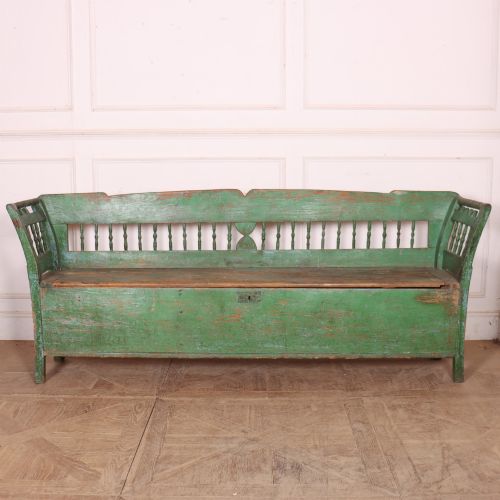
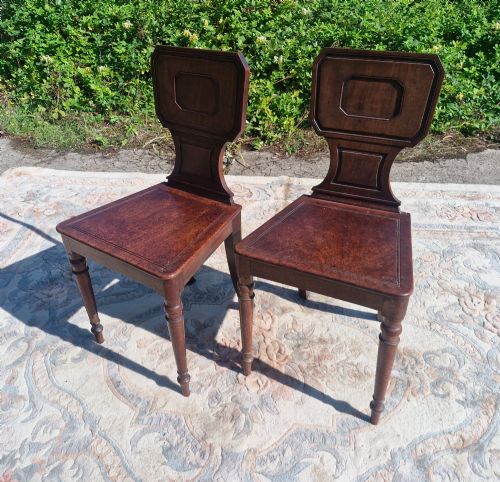
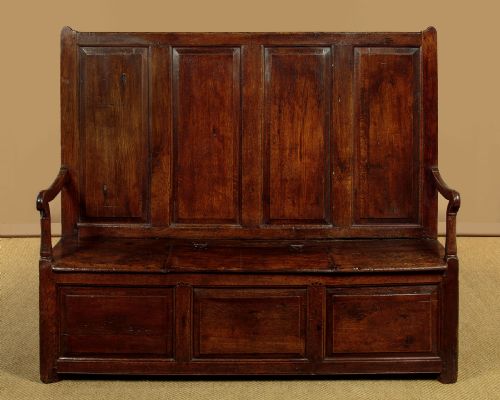
The selection frequently includes oak box settles alongside mahogany hall chairs and rustic pine benches. These items provided functional seating and storage in traditional homes.
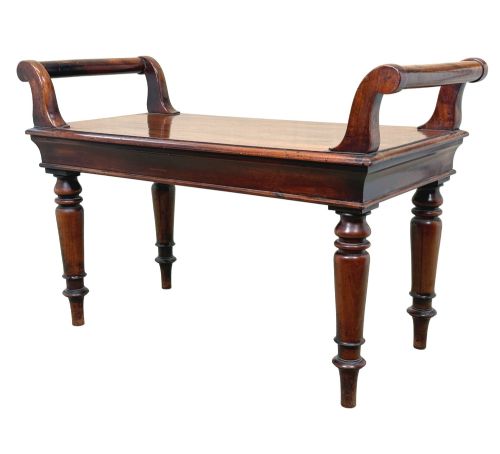
Early periods supply panelled settles with high backs alongside Gothic Revival benches and Regency window seats. Each form reflects the specific domestic requirements of its era.
Materials and construction methods
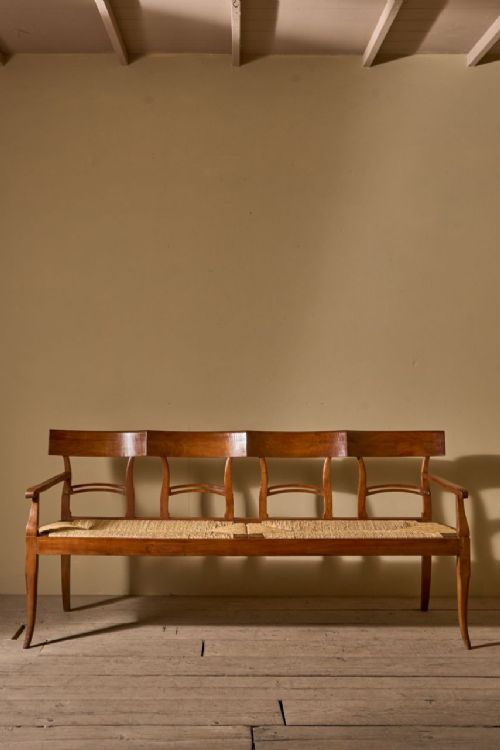
Carpenters relied principally on oak, mahogany, and pine, often incorporating brass fittings, iron hardware, or rush seating. Timber selection dictated the structural integrity and aesthetic weight of each bench or chair.
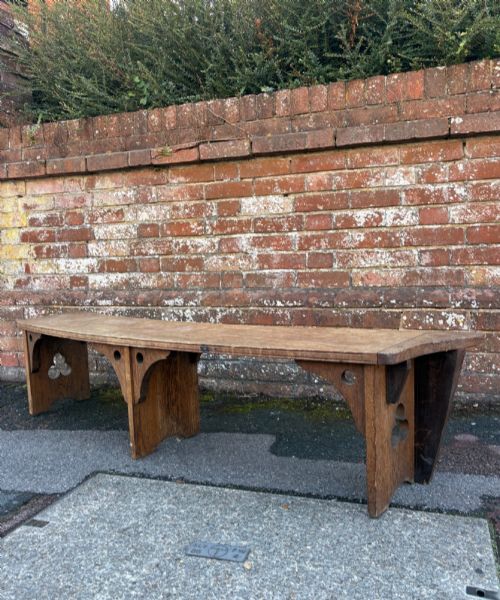
Joinery methods involved traditional panel construction, pegging, and hand-carving for decorative motifs like trefoils or shield backs. Workshop practices prioritised durability to withstand heavy daily use in busy hallways.
The furniture styles span Georgian, Regency, Victorian, Gothic Revival, and Arts and Crafts design movements.
Distinctions in craftsmanship and condition
Quality depends upon the grade of timber selected, the depth and precision of hand-carving, and the retention of original structural elements. Finer examples display superior joinery, balanced proportions, and well-figured grain.
Pieces retaining original waxed surfaces or untouched patination command greater interest than those with heavy modern interventions. The crispness of carved details distinguishes standard utilitarian furniture from exceptional workshop output.
Gillows
The Wooden Hall Seating Glossary
- Settle
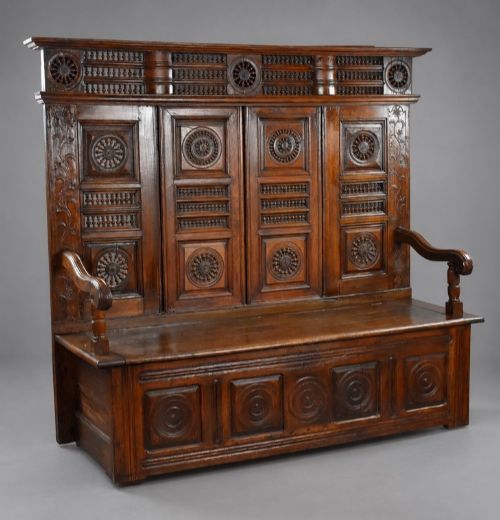
- A wooden bench with a high back, solid arms, and often a box seat for storage. This form shielded occupants from draughts in entrance halls.
- Hall Chair
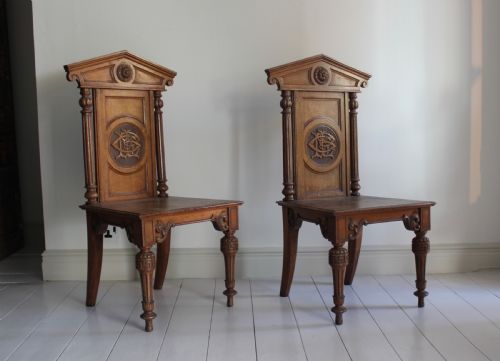
- A rigid, upright wooden chair usually positioned in an entryway for brief seating. They frequently display carved heraldic crests or shield backs.
- Box Settle
- A bench featuring a hinged seat lid that opens to reveal a storage compartment. These dual-purpose items maximised space in historical interiors.
- Shield Back
- A chair back shaped in the outline of a heraldic shield. Cabinet makers carved these designs prominently during the 18th and 19th centuries.
- Gothic Revival
- An architectural and decorative style drawing inspiration from medieval forms. Pieces display pointed arches, trefoil motifs, and heavy timber construction.
Wooden Hall Seating: Frequently Asked Questions
What distinguishes a settle from a bench?
A settle typically includes a high solid back and enclosed sides designed to block cold drafts in entrance passages.
In contrast, standard benches lack these protective high backs and offer open seating suitable for less exposed positions.
How were hall chairs used historically?
Hall chairs served as functional seating for visitors waiting briefly in entrance halls before entering main reception rooms.
They also acted as decorative statements displaying the household's social status through carved crests and quality timbers.
What timber is most common in these seats?
Oak appears most frequently, prized by early makers for its strength and availability in sturdy domestic furniture.
Mahogany became widely utilised in later Georgian and Regency periods to create more refined formal seating.
How do I care for antique wooden seats?
Maintain stable indoor humidity levels to prevent the solid timber from drying out, cracking, or warping over time.
Apply occasional traditional wax polish to nourish the surface and preserve the historic patina without using harsh modern chemical cleaners.