


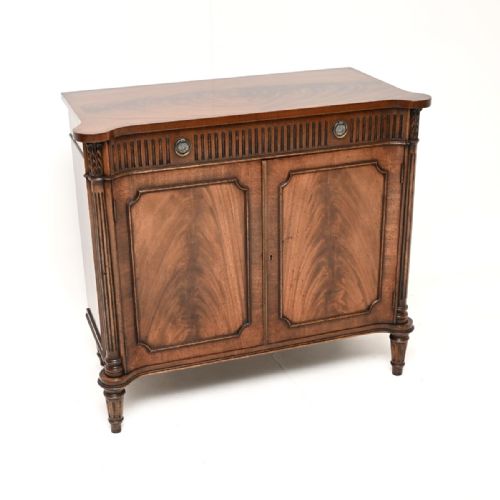
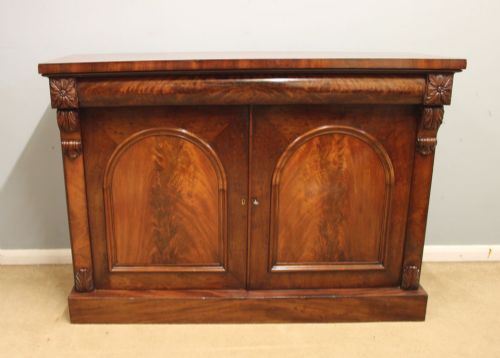
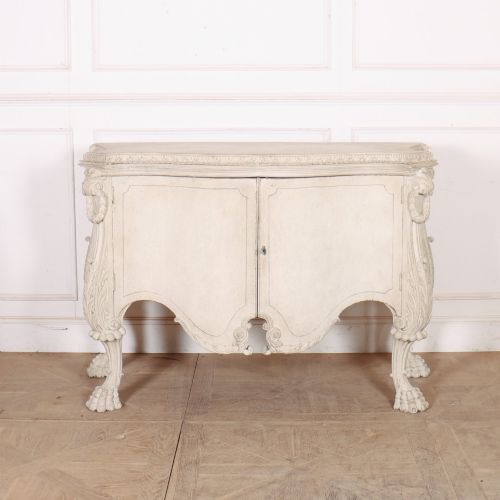
Wooden Hall Cupboard
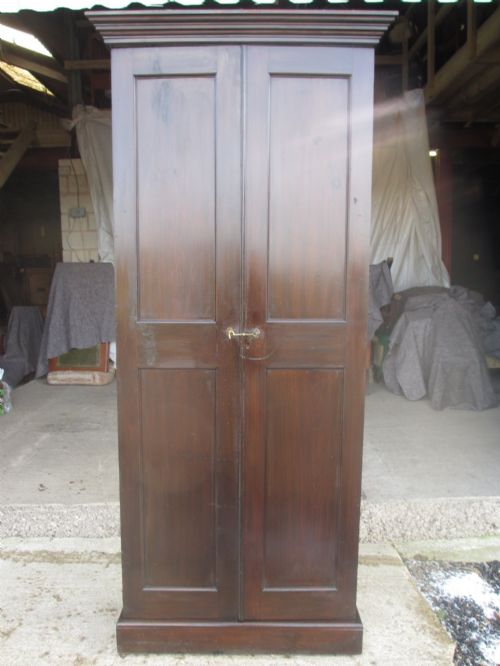
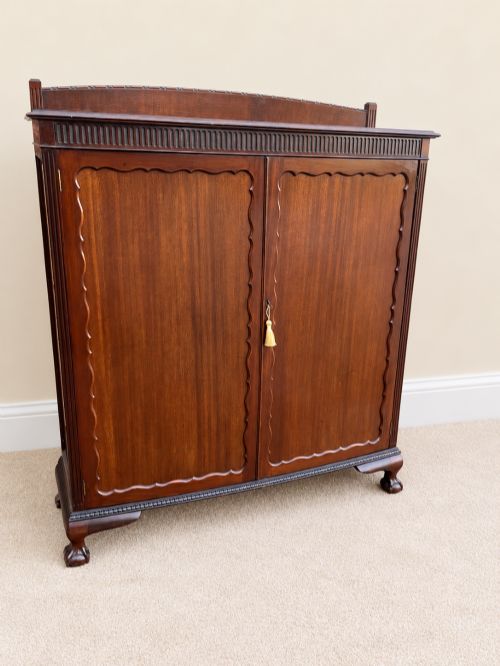
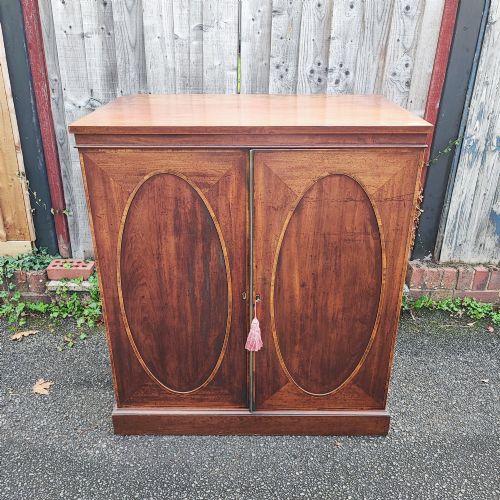
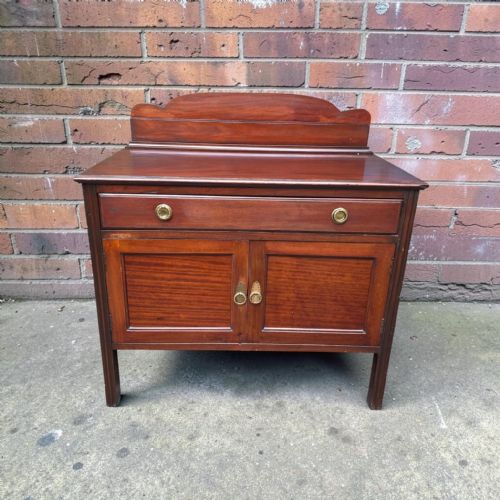
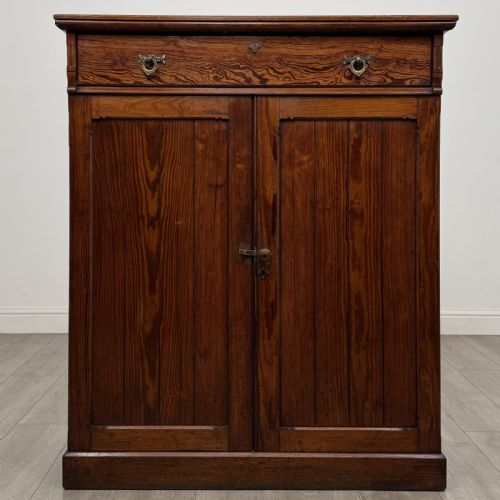
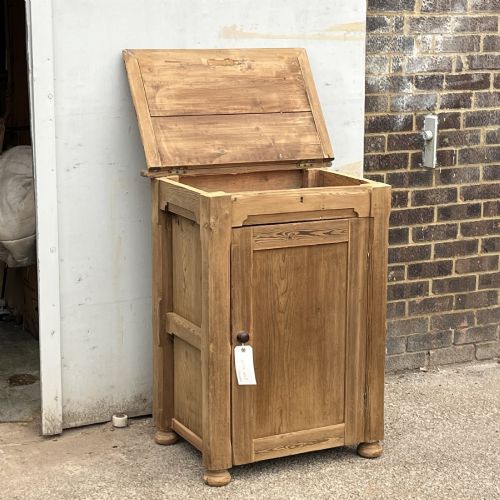
A wooden hall cupboard is a practical piece for coats and boots, built from mahogany, oak, or pine during the Georgian, Victorian, and Edwardian periods.
Wooden Hall Cupboard
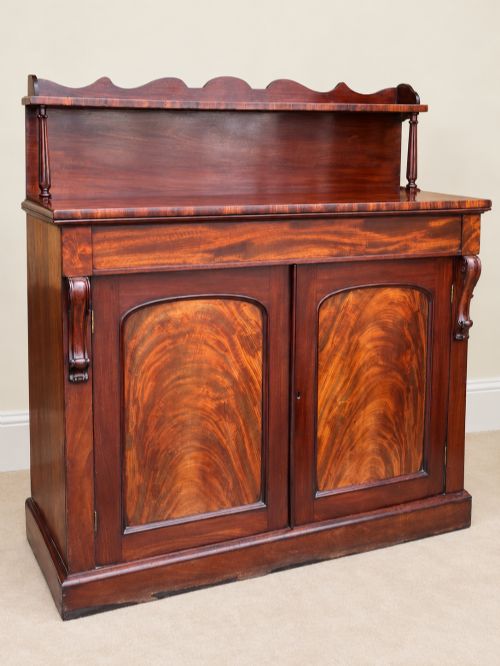
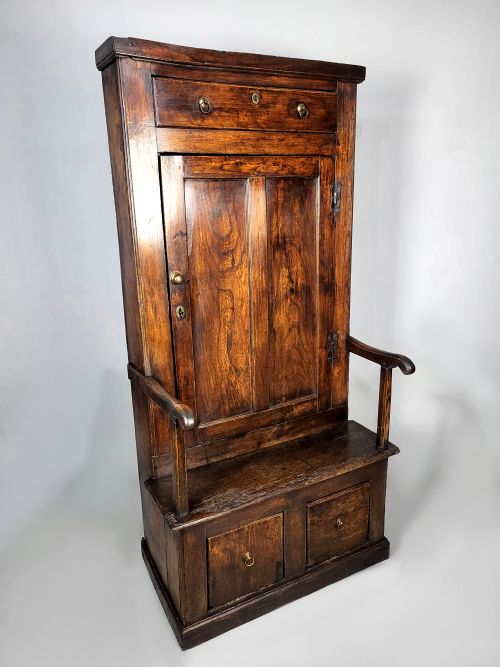
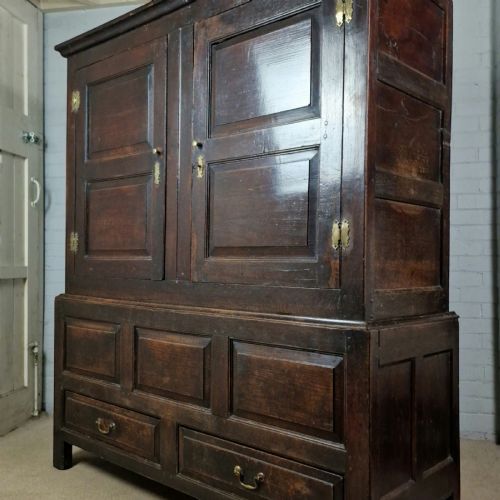
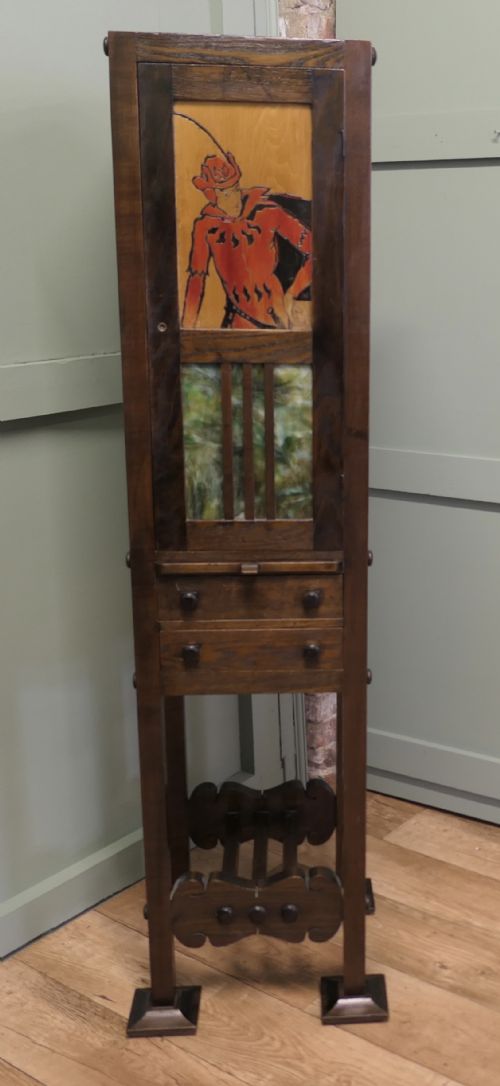
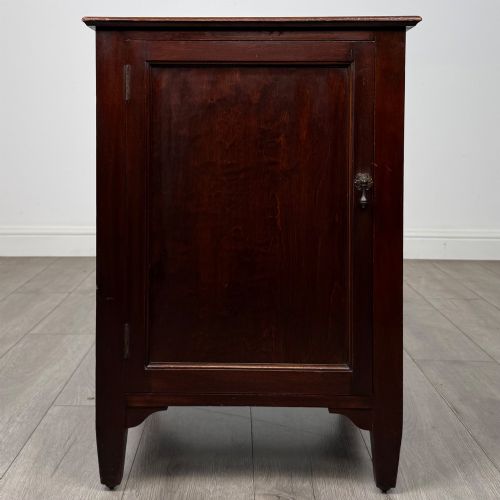
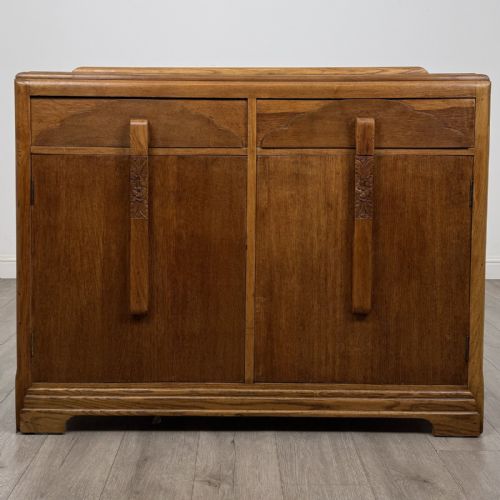
A wooden hall cupboard provides essential storage for entranceways, ranging from compact cabinets to substantial wardrobes and linen presses designed to keep the home tidy. When exploring a wooden hall cupboard, buyers encounter forms that serve multiple functions, including hall seats with integrated compartments, tall slim wardrobes, and low sideboards.
The pieces on this page span the 18th, 19th, and early 20th centuries, covering Georgian, Victorian, and Edwardian eras. Visitors are most likely to meet mahogany and oak examples from the Victorian and Edwardian periods, alongside painted pine items from various European regions.
Makers and workshops constructed these storage items using regional timbers such as English elm, Irish cedar, and imported mahogany or satinwood. Form follows utility, leading to designs that incorporate raised galleries, decorative doors, or brass hardware suited to domestic entryways.
Evaluating the standard of construction
Quality separates pieces through the selection of timber, such as figured walnut or dense mahogany, rather than simpler stained pine. Superior examples display precise joinery in the door frames and drawer linings, alongside well-preserved brass hardware or subtle inlay work.
The integrity of the timber and the retention of original painted surfaces or polished finishes define the upper tier of these items. Pieces that balance proportion with functional storage, such as hall seats with central cupboards or tall slim wardrobes, represent the higher standard of period cabinet work.
Wooden Hall Cupboard Retail Price Guide 2026
Typical asking prices for wooden hall cupboard among the pieces listed under this phrase on Sellingantiques today, from the lower quarter to the upper quarter. They describe what is for sale here now, not the wider market.
Some Victorian hall seats ingeniously hide your muddy boots right beneath the cushion where you sit to pull them off.
Shapland & Petter
The Wooden Hall Cupboard Glossary
- Gallery
- A raised decorative edge along the top of a cabinet or sideboard. It often takes the form of an open wooden spindle rail.
- Court cupboard
- An antique enclosed storage piece originating in earlier centuries. It generally presents a compact double-door format with carved detailing.
- Livery cupboard
- A traditional storage furniture item originally used for food and provisions. Later examples function as general domestic storage units in halls and living spaces.
- Armoire
- A large wardrobe or cupboard with doors. European versions frequently use painted pine and oak constructions.
Wooden Hall Cupboard: Frequently Asked Questions
What is a wooden hall cupboard used for?
These pieces provide domestic storage for entryways and boot rooms. They accommodate coats, shoes, linens, and everyday items to keep hallways orderly.
Many designs combine storage compartments with seating or display surfaces, serving both practical and decorative roles in a home.
How do I identify a Georgian hall cupboard?
Georgian pieces typically feature dense mahogany or oak construction with restrained proportions. Look for classic joinery and minimal, elegant brass hardware.
Earlier examples from the 18th century often take the form of low linen cupboards, court cupboards, or formal side cabinets.
Are Victorian hall cupboards made of pine?
Victorian examples appear in a variety of woods, including mahogany, walnut, and cedar. Pine was also common, often finished with wax or painted in strong colours.
Painted pine wardrobes and storage cupboards from this era frequently originate from continental workshops, particularly Hungary.
How do I care for an antique wooden cupboard?
Maintain the timber by avoiding direct sunlight and sudden temperature changes. Use natural beeswax to nourish waxed pine and oak surfaces.
Clean polished mahogany gently with a soft dry cloth to preserve the original finish without stripping the historical patina.