






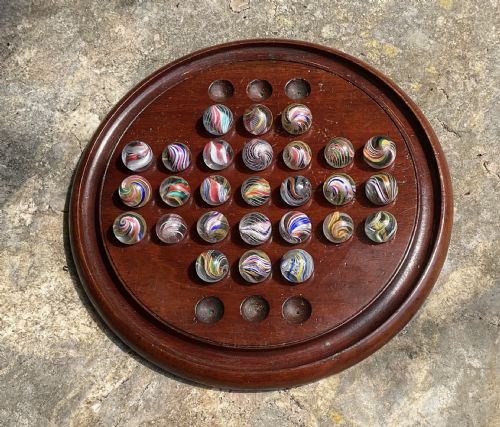
Wooden Gaming Board
A wooden gaming board offers a tactile piece of social history, bringing centuries of parlour play and competition into the modern home.
Wooden Gaming Board
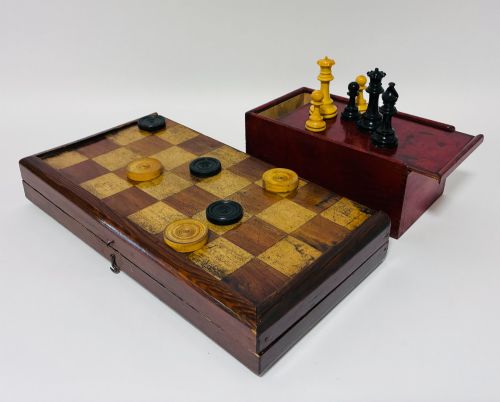
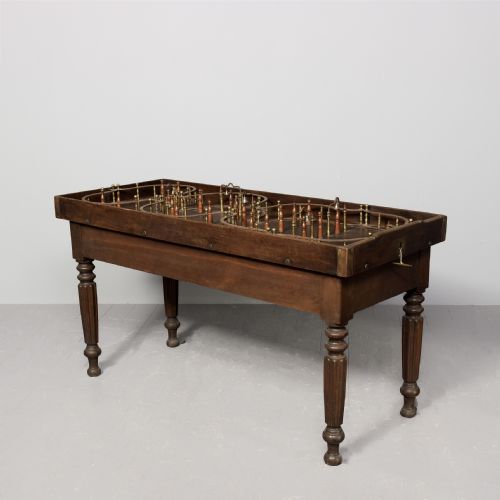
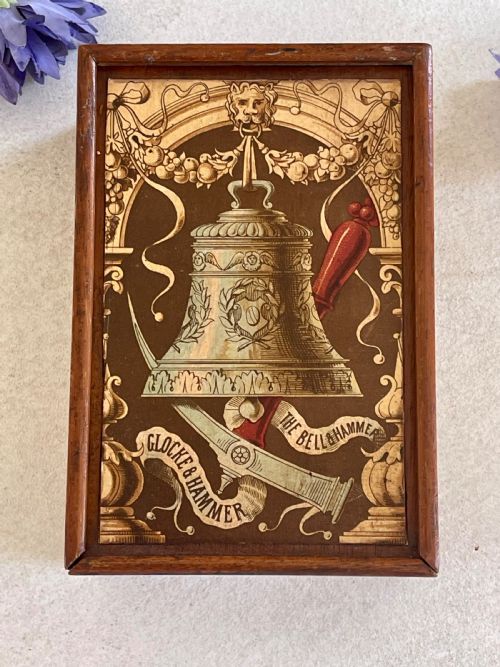
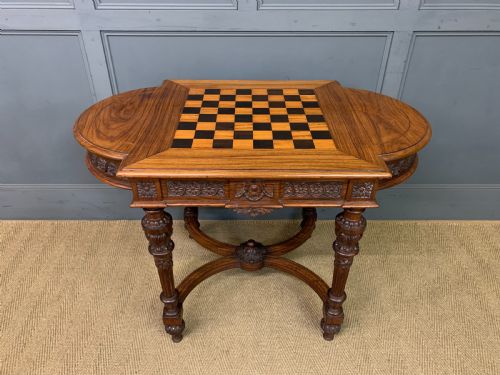
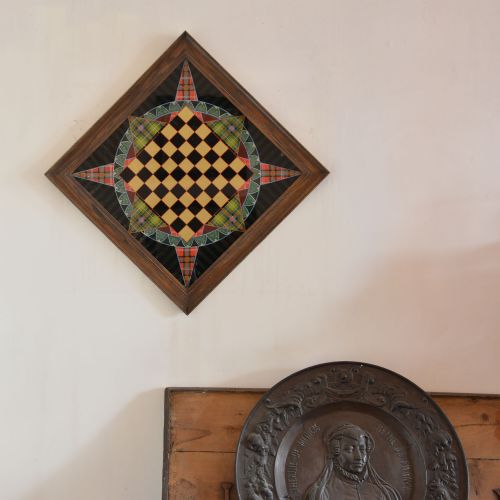
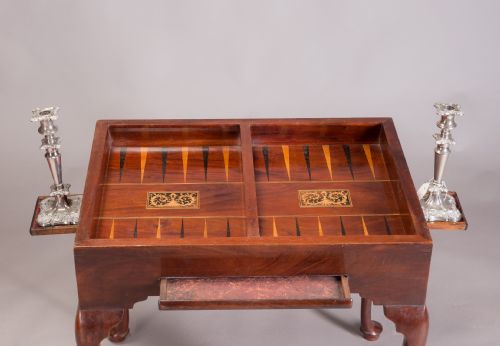
A wooden gaming board encompasses a diverse range of antique tables, folding boxes, and wall-mounted scoreboards designed for pastimes like chess, backgammon, cribbage, and billiards. These objects bridge the gap between functional furniture and items of leisure, originating from various eras including the Georgian, Victorian, and early twentieth-century periods.
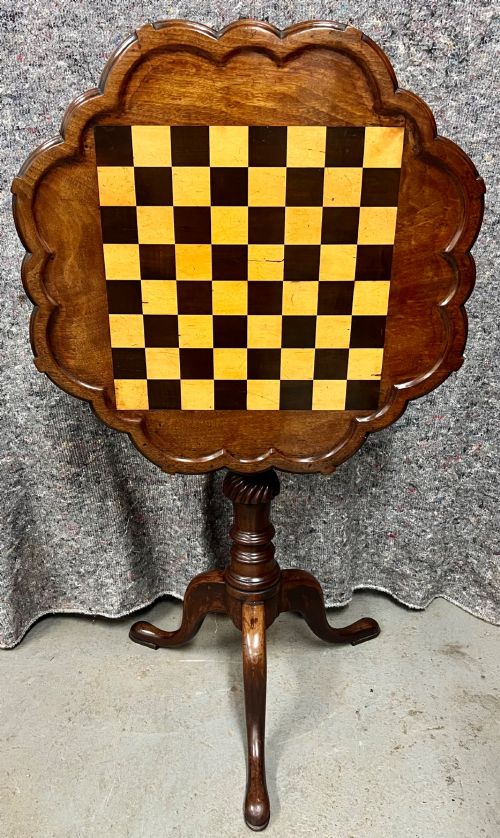
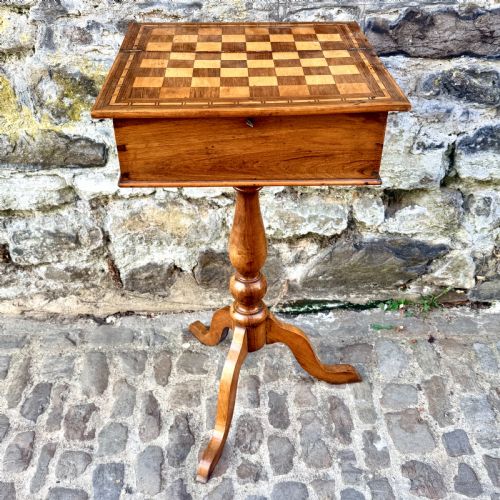
The pieces on this page lean heavily towards nineteenth-century examples, spanning straightforward folding chess boards, elaborate games compendiums, and freestanding tables with inlaid playing surfaces. Buyers will also encounter specialised items such as cribbage boxes, solitaire boards with glass marbles, and substantial oak or mahogany snooker scoreboards.
Origins vary from English workshops to French provincial makers and Anglo-Indian studios, reflecting global trade and diverse domestic pastimes. Whether configured as a portable travel set or a grand tripod table, each object served as a centrepiece for social interaction and domestic entertainment.
How they were made
Craftsmen utilised dense, figured hardwoods such as mahogany, rosewood, walnut, and oak to construct both the structural elements and the playing surfaces. Inlaying techniques combined contrasting timbers like boxwood, sycamore, and satinwood to create sharp, alternating squares for chess and draughts.
Secondary materials such as brass hinges, bone markers, and slate inserts frequently accompanied the woodwork, particularly in scoreboards and travelling compendiums. Joinery methods prioritized durability for items subjected to frequent folding, sliding, and physical handling during play.
Wooden Gaming Board Retail Price Guide 2026
Typical asking prices for wooden gaming board among the pieces listed under this phrase on Sellingantiques today, from the lower quarter to the upper quarter. They describe what is for sale here now, not the wider market.
Several boards preserve the invisible history of parlour arguments through tiny peg holes worn slightly wider by decades of competitive scoring.
What varies in quality
Quality in these pieces rests on the precision of the timber selection and the integrity of the inlay work, where tight joints and stable matching grains dictate the piece's longevity. Simpler folding boards rely on clean, symmetrical execution, while larger compendiums and tables demonstrate sophistication through carved supports, fitted internal compartments, and secondary decorative veneers like burr walnut or kingwood.
The integration of mechanical elements, such as sliding scoring markers on billiard boards or hinged locking mechanisms on travelling boxes, separates standard utility items from finer workshop productions. Completeness also influences the overall standard, particularly when original components like matching counters, score pegs, or compatible playing pieces remain with the board.
Orme and Sons Manchester·Thurston and Co Ltd·British Chess Company
The Wooden Gaming Board Glossary
- Compendium
- A fitted box containing the equipment and boards for multiple different games, often featuring nested trays and compartments. These multi-game sets became particularly popular during the Victorian period for entertaining guests.
- Cribbage board
- A narrow wooden board drilled with rows of small holes used to track scores with pegs during a game of cribbage. They appear both as standalone plaques and integrated into the lids of decorative storage boxes.
- Inlay
- A decorative technique where pieces of contrasting wood, such as boxwood or satinwood, are inserted into recessed portions of a base timber to form a pattern or playing grid. This method provides a smooth, flush surface essential for moving game pieces.
- Tripod table
- A small freestanding table supported by a central pillar and three splayed legs, frequently topped with a tilt-top mechanism or an inlaid chess grid. Such tables allowed players to move their pastime easily around a drawing room.
- Scoreboard
- A wall-mounted wooden board fitted with sliding brass pointers or rollers to track points for cue sports like billiards, snooker, and pool. These functional boards often display the maker's name or establishment details on the timber frame.
Wooden Gaming Board: Frequently Asked Questions
How do I care for antique wooden boards?
Keep wooden gaming boards away from direct sunlight and sudden temperature changes to prevent the timber from warping or splitting. A light application of beeswax helps maintain the finish without building up heavy residues.
Avoid using modern liquid polishes or excessive moisture, particularly around inlaid sections where water can loosen the glued joints between contrasting woods.
Can I still play games on these boards?
Most antique folding boards, chess tables, and cribbage sets remain entirely functional for regular play provided the wood is stable. Gentle handling ensures that historical hinges and delicate inlay work endure further decades of use.
For pieces with missing counters or pegs, period-appropriate replacements in bone or wood can be sourced to restore playability without altering the board itself.
What is a games compendium?
A games compendium is a comprehensive wooden box designed to hold the equipment for numerous pastimes, including chess, backgammon, dominoes, and cards. These sets feature layered trays and clever internal organisation to store diverse playing pieces efficiently.
They represent the Victorian appetite for varied domestic entertainment, offering an all-in-one entertainment solution housed in burr walnut, mahogany, or rosewood cases.
How do I identify a Victorian games table?
Victorian games tables often feature turned central pedestals, tripod or four-pillar bases, and fold-over tops that reveal an inlaid chess or backgammon board inside. The timbers frequently include rich mahogany, walnut, or burr walnut veneers.
Examining the construction methods underneath, such as hand-cut screws and secondary pine framing, helps confirm the mid-nineteenth-century origin of these versatile pieces.