
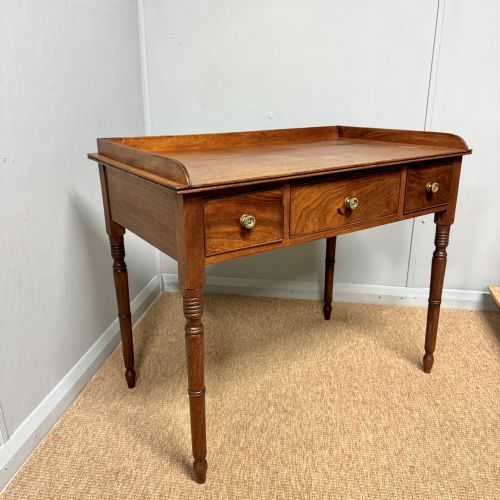
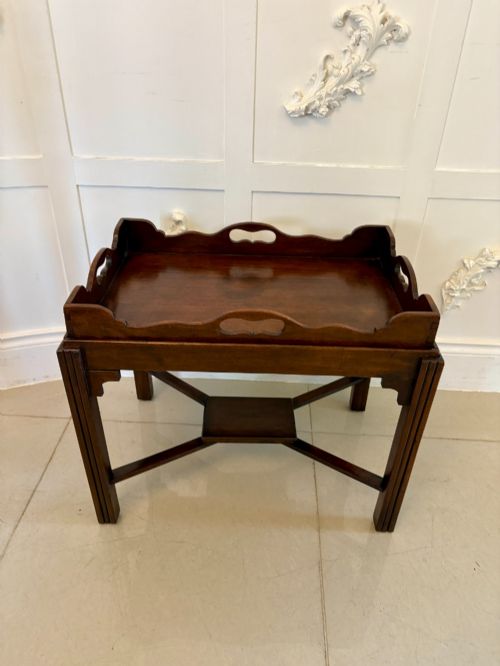
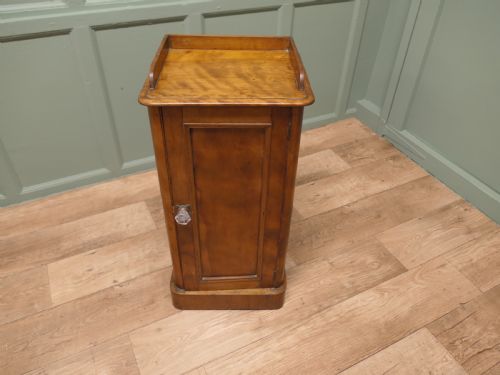
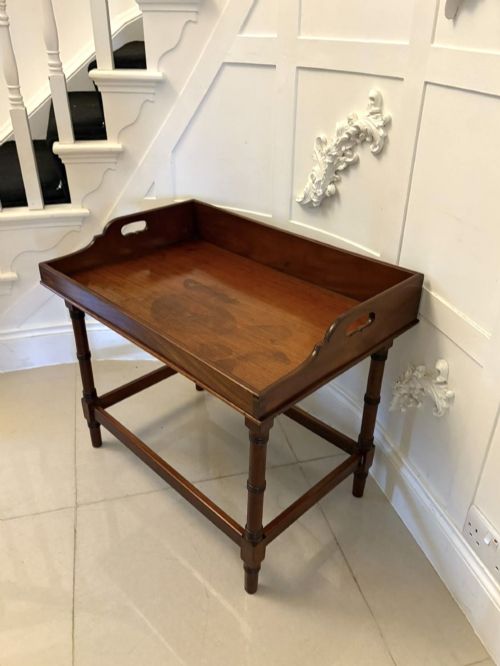
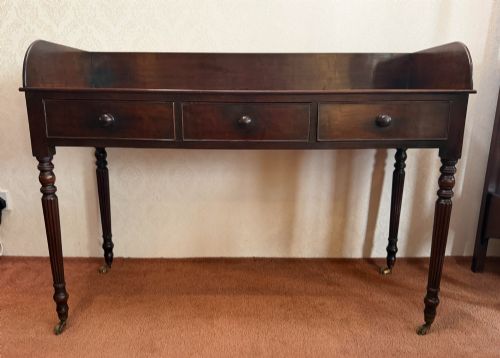

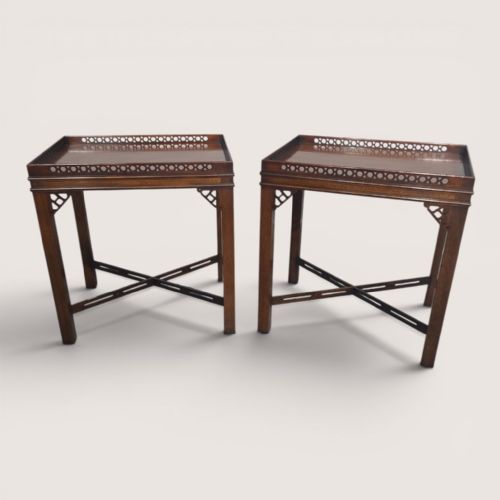
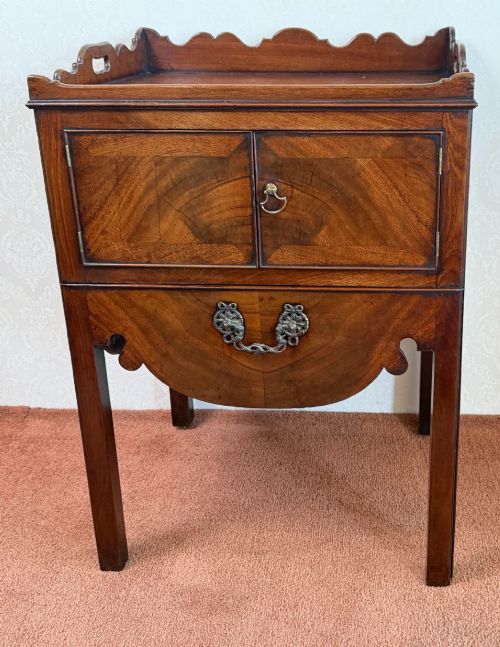
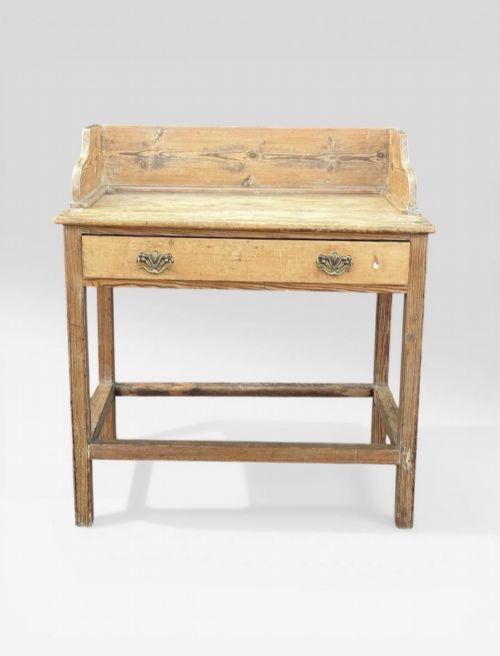

Wooden Gallery Top Table
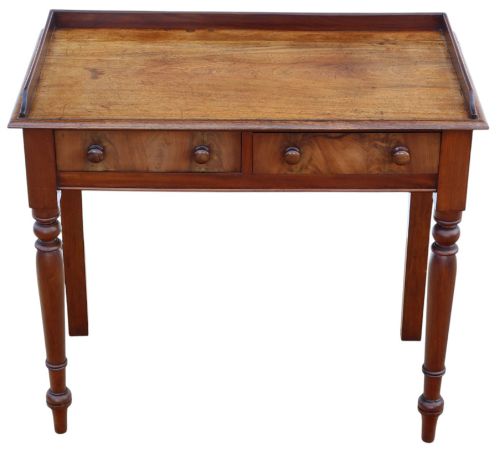
A wooden gallery top table brings structured elegance to a room, offering a raised edge that keeps items secure while displaying fine timber.
Wooden Gallery Top Table
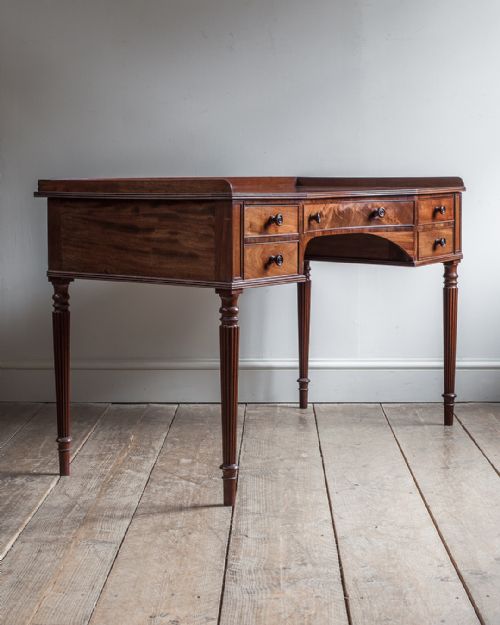
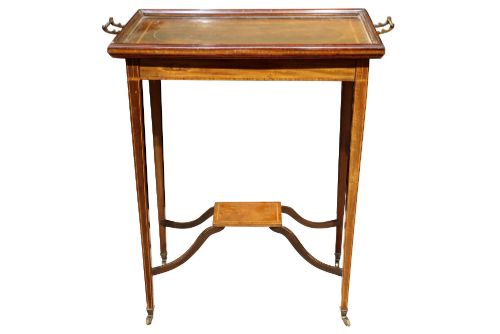
A wooden gallery top table comprises various functional forms designed with raised rims, rails, or pierced borders to contain objects placed on the surface. When searching for a wooden gallery top table, buyers encounter formats spanning compact bedside cabinets, side tables, occasional pieces, and butler trays on stands.
The selections originate predominantly from the 18th century, Georgian period, and 19th century, extending into the Victorian and Edwardian eras. Mahogany serves as the primary timber, often accompanied by oak, pine, satinwood, and satinbirch.
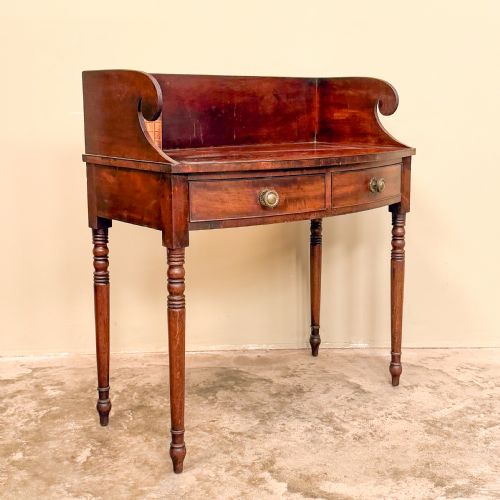
Forms include writing desks, washstands, kettlestands, and urn stands, demonstrating how domestic furniture adapted raised rims for practical utility in serving, writing, and washing.
Materials and construction
Cabinetmakers relied heavily on solid and veneered mahogany, frequently combining it with secondary timbers like oak and pine for internal framing and drawer construction. Edges and galleries were shaped from solid timber or bent to form the raised borders characteristic of tray tops and urn stands.
Surface detailing incorporated brass hardware, leather desk inserts, and inlaid satinwood banding to accentuate the grain of the primary wood. Finish work ranged from polished mahogany surfaces to painted faux marble and original grain finishes on pine washstands.
Materials recorded across the inventory include mahogany, brass, oak, leather, pine, satinwood, timber, and fabric webbing.
Distinctions in quality
Quality rests upon the crispness of the gallery moulding, the selection of figured mahogany or satinwood veneers, and the integrity of the joinery joining the raised edges to the table top. Finer examples display meticulous attention to detail in reeded legs, inlaid banding, and well-proportioned stands.
The distinction between standard utility pieces and high-tier examples lies in the refinement of the timber selection and the subtlety of decorative elements such as pierced galleries or brass mounts. Maker attribution, where present through stamps or known workshop characteristics, further elevates a piece.
Gillows·Holland & Sons
The Wooden Gallery Top Table Glossary
- Gallery top
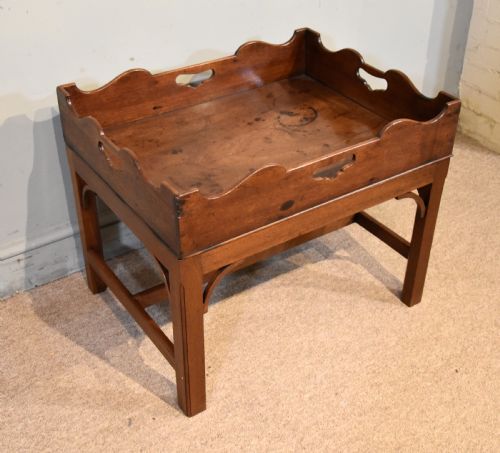
- A raised rim, rail, or pierced wooden border surrounding the edge of a table surface. This feature prevents items such as tea services, books, or writing implements from sliding off.
- Butler tray
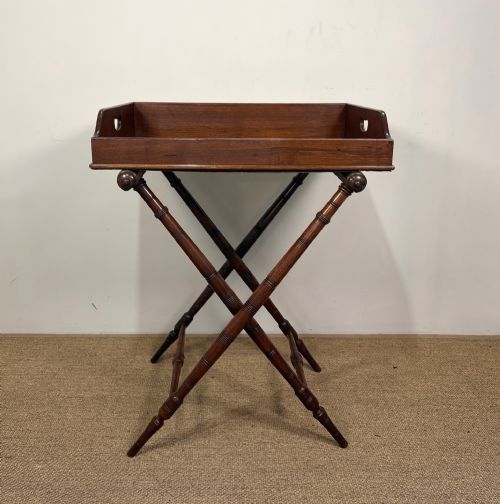
- A portable wooden tray with hinged or fixed sides, typically designed to rest upon a folding or rigid support stand. They date commonly from the 18th and 19th centuries.
- Kettlestand
- A small, tall occasional table specifically designed to hold a tea kettle above the floor or main table level. These pieces frequently feature gallery edges to secure the vessel.
- Torchere
- A tall, slender stand intended to support a lamp, candle, or decorative plant. They appear in materials like oak during the early 20th century.
- Washstand
- A functional piece of furniture designed to hold a basin and pitcher for washing. Versions in the evidence feature pine or mahogany with integrated galleries or backsplashes.
Wooden Gallery Top Table: Frequently Asked Questions
What is a gallery top used for?
The raised border was designed to keep items from sliding off the surface during use or transport. This made them practical for serving tea, holding writing materials, or supporting bedside requisites.
Over time, these tables transitioned from purely utilitarian items into decorative occasional and display furniture within the home.
What woods were used for these tables?
Mahogany is the predominant timber found in these listings, valued for its durability and rich grain. Other materials include oak, pine, satinwood, and satinbirch.
Secondary woods like pine and oak were often used for interior drawer linings and structural supports beneath the primary show wood.
How do I date a gallery top table?
Dating relies on stylistic markers, construction techniques, and the primary wood utilised. Georgian and 18th-century examples tend to display lighter proportions and hand-cut joinery.
Victorian and Edwardian pieces often incorporate heavier pedestal turnings, brass hardware, or specific inlay patterns characteristic of later manufacturing periods.